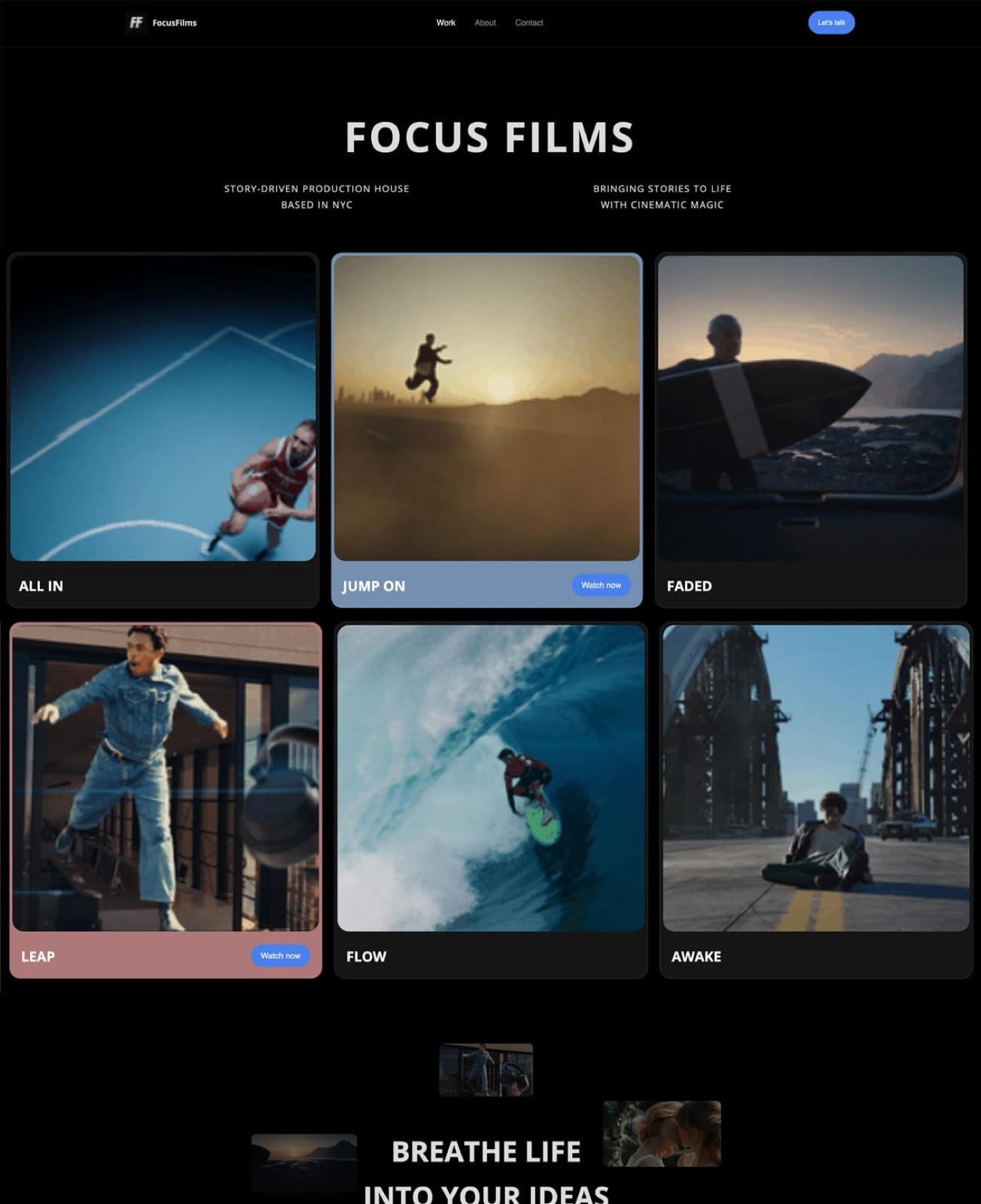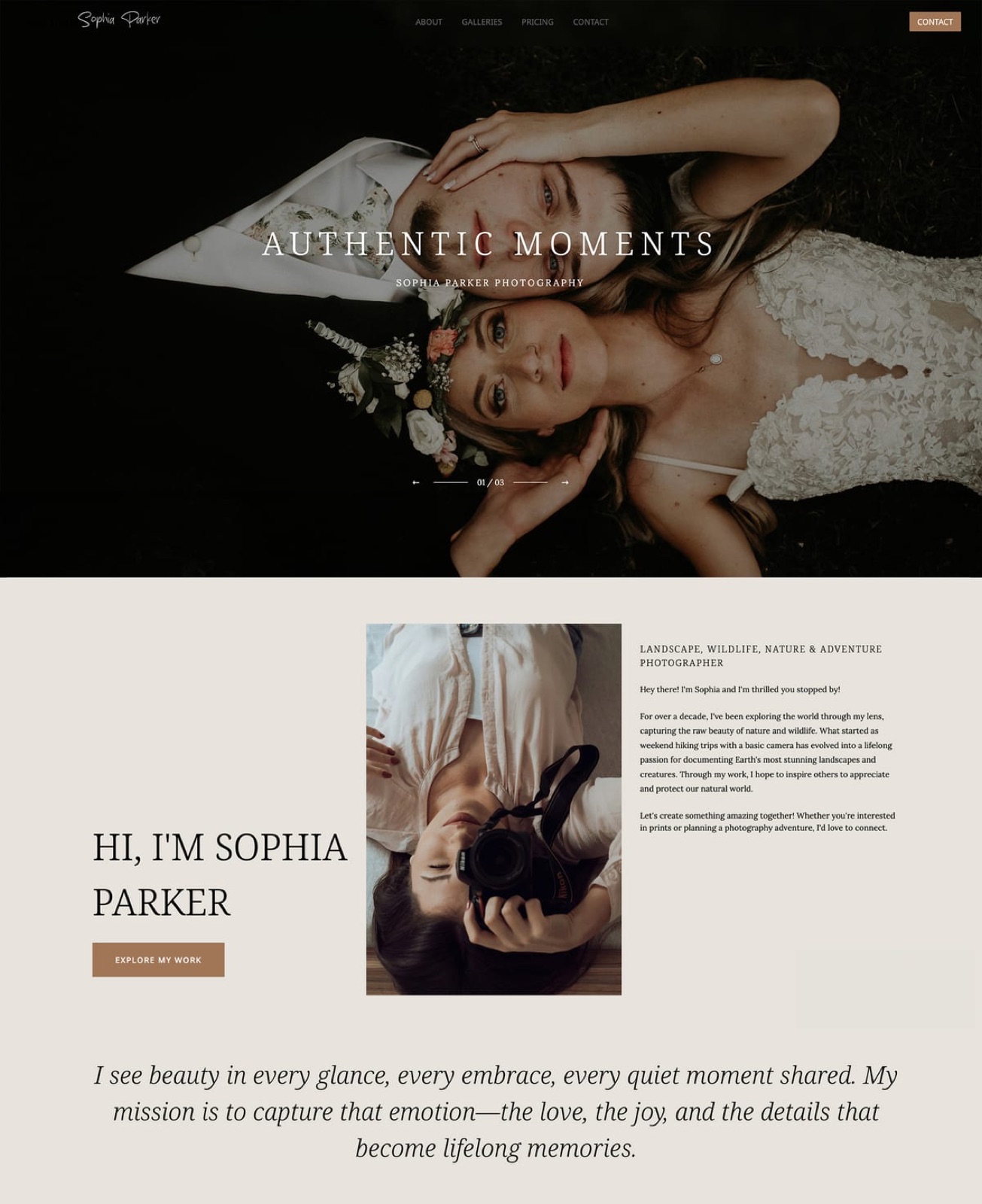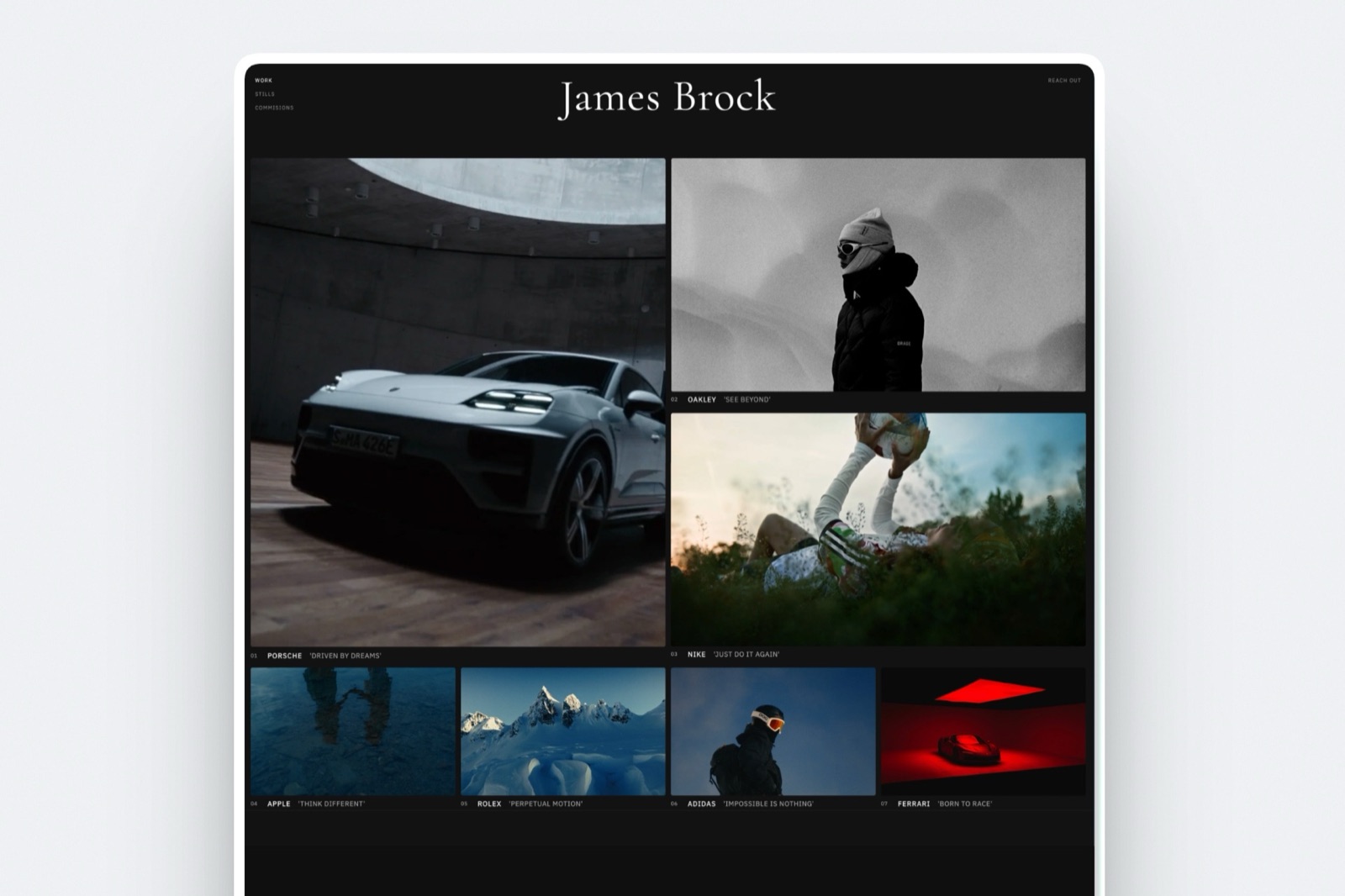
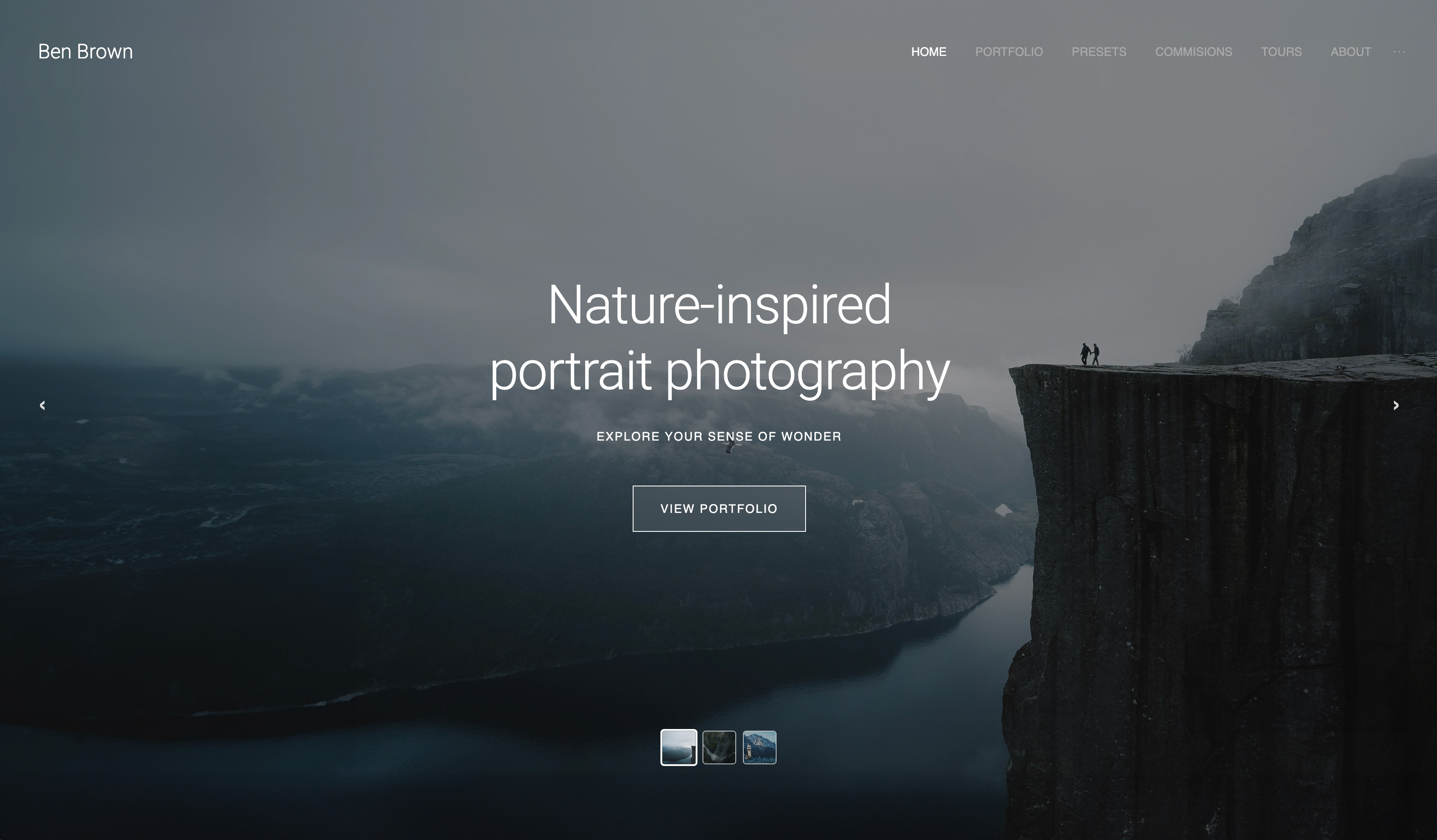
Framekit templates
Start from a designer-made template
 Use template
 Use template
 Use template
 Use template
 Use template
 Use template
 Use template
 Use template
Most rankings of tools for freelance photographers compare the plans nobody buys in their first year.
They line up the $40 tiers, count features, and ignore the thing that actually decides what a self-employed photographer uses, which is what the product does in a month when no invoices have cleared.
Look at the free tiers instead and the category rearranges itself. Pixieset gives you 3GB.
ShootProof gives you unlimited galleries of photos and no video at all, on a ceiling its own plans page prints twice, as 100 photos in one table and 3GB in the other. Pic-Time gives you 10GB that drops to 3GB after three months.
SmugMug and Format do not have a free plan. At roughly 6MB per delivered full-resolution JPEG, 3GB does not hold one wedding.
A freelance photographer's toolkit is the set of five things a one-person photography business runs on: something to cull and edit with, something to deliver finished images through, a website that gets you booked, a way to take money, and a back office for contracts and invoices.
No single product covers all five, and any list that claims one does is selling you something.
Framekit is the strongest pick for the deliver-and-get-hired half, because its free plan is a working plan rather than a trial: unlimited client galleries at 10GB pooled, with watermarking, a gallery password, a separate download PIN, client favourites, full-resolution and ZIP downloads and auto expiry all included at $0, plus a website and a digital store.
Your client creates no account at any point.
The trade-off is that Framekit has no print lab, no booking calendar and no invoicing, so if print sales are how you make money, buy Pixieset or Pic-Time first and treat the rest of this ranking as advice for the other half of your business.
HoneyBook or Dubsado handle contracts and invoices, and Aftershoot handles culling.
Full disclosure: Framekit is our product and it is ranked first here on one criterion, the free-to-working-plan gap, which we state plainly rather than burying. Every competitor figure was read on that vendor's own published pricing page in September 2026 and linked. Pixieset, Pic-Time, ShootProof and SmugMug all sell prints and we do not; Pic-Time has face and selfie search we do not have; HoneyBook and Dubsado run a real CRM and we have none.
How These Twelve Were Compared
This is a published-pricing comparison rather than a product test, and the difference matters enough that it belongs above the first table instead of in a footnote at the bottom.
Read at the source. Every plan name, price, storage figure and feature claim about a competitor was read on that vendor's own pricing page in September 2026, and each page is linked where its numbers appear.
Where a page served European pricing to a European reader, the euro figure is quoted and labelled rather than converted.
Calculated. The stack totals, the annual figures and the storage-versus-wedding arithmetic are worked from those published prices and from one stated assumption about file size, which you should replace with your own export settings.
Not claimed. Nothing was benchmarked or run through a live client season for this article, and no aggregated review scores appear anywhere, because the sites that publish them refuse automated reading.
Two vendors could not be priced at all: Aftershoot renders its plans in JavaScript and served no visible prices to an automated reader, so no Aftershoot figure appears in this guide, and Adobe's site refuses automated requests, so its prices are quoted from the page without a link.
The worked example throughout is one photographer: twenty paid shoots a year, mostly portraits with four weddings, an average job of $1,400, around 600 delivered frames per wedding and 80 per portrait session. No studio, no assistant, no second shooter on retainer.
The Free Tiers, Compared Honestly
In one lineThis is the table nobody in this category publishes, because free tiers are marketed as an invitation and are actually a constraint, and reading them side by side tells you more about a vendor's intentions than any feature grid will.
| Tool | Free storage | Galleries on free | Video on free | The catch |
|---|---|---|---|---|
| Framekit | 10GB pooled, 3GB of it video | Unlimited | 500MB per file | Framekit badge, no custom domain |
| Pixieset | 3GB photo | Unlimited | Not listed on Free | Store takes a 15% commission on Free |
| ShootProof | 3GB photos-only in one plan table, 100 photos in the other | Unlimited | Not included | No invoicing, no e-sign contracts |
| Pic-Time | 10GB, falls to 3GB after 3 months | Unlimited | 1GB | The storage cut at month four |
| SmugMug | None | Trial only | Trial only | Cheapest plan is $20/mo billed annually |
| Format | None | Trial only | Trial only | Cheapest plan is $10/mo billed annually |
| HoneyBook | None | Not a gallery tool | None | Free trial, then $29/mo billed yearly |
| Darktable | Free forever, local | Not a gallery tool | None | Desktop only, you host nothing |
Now put a number against that first column. At roughly 6MB per delivered full-resolution JPEG, which is a fair average for a lightly compressed export, 600 wedding frames is about 3.6GB.
That means a 3GB free tier cannot hold one complete wedding at full resolution, and a 10GB pool holds about two and a half.
Substitute your own figure before you trust that. Export ten frames from your last job, check the folder size, divide by ten and multiply by your usual delivery count.
If the answer is over 3GB, Pixieset, Pic-Time from month four and ShootProof on either of its two published ceilings are all trials wearing a free label, because 600 frames clears 3GB and it clears 100 photos six times over.
The other free-tier question is what the plan takes from you. Pixieset's free tier charges a 15% commission on store sales, so a $400 print order costs you $60 to a plan that is nominally free.
Framekit's free plan takes 5% on digital product sales, falling to 3% on Pro and 0% on Business at $39 a month. Neither is a hidden fee, but only one of them stops at zero.
Ten Numbers Worth Carrying Around
These ten published figures settle most freelance photography software arguments before anyone opens a feature grid, because each one is either a ceiling you will hit inside a season or a percentage that rides along on every sale you make.
- 3GB: Pixieset's free-plan photo storage, what Pic-Time's free plan falls to after three months, and one of the two free-plan ceilings ShootProof publishes for itself, the other being 100 photos.
- 10GB: Framekit's free pooled storage, shared across the website, galleries and video review.
- 15%: the commission Pixieset's free plan takes on store sales, dropping to commission-free on Basic at $8 a month billed annually.
- $8.33 a month: ShootProof Starter billed annually, which is 20GB of photo and video and the cheapest entry in this comparison that includes video.
- $7 a month: Pic-Time Beginner billed annually, 20GB photo and 5GB video.
- $20 a month: SmugMug Direct billed annually, the cheapest way here to get genuinely unlimited photo storage.
- $29 a month: HoneyBook Starter billed yearly, against Dubsado Starter at $335 a year.
- $19 a month: Framekit Pro, with 300GB pooled, a 200-page site, unlimited galleries and decks and a 3% store fee.
- 100MB: the maximum size of a single photo in a Framekit gallery, uploaded as a full-resolution original.
- 0: accounts your client has to create to view a Framekit gallery, favourite images or download the set.
Gallery Plans at the Tier a Working Freelancer Actually Buys
In one lineFree tiers decide what you start on, but the tier you land on after your second busy month is the one that shapes your costs for years, so here are the four main gallery products compared at their cheapest genuinely workable plan.
| Product | Entry paid tier | Photo storage | Video | Prints | Store cut |
|---|---|---|---|---|---|
| Pixieset Basic | $8/mo billed annually | 10GB | 30 minutes HD | Yes, integrated store | Commission-free on paid |
| ShootProof Starter | $8.33/mo billed annually | 20GB photo and video | Up to 4K | Yes, lab prints and products | Commission-free |
| Pic-Time Beginner | $7/mo billed annually | 20GB | 5GB | Yes, 30+ global labs | Not published as a percentage |
| SmugMug Portfolio | $23.50/mo billed annually | Unlimited | Included | Yes, full-service fulfilment | Set your own margins |
| Framekit Starter | $9/mo, or $7 billed yearly | 50GB pooled | 1GB per file | No print lab at all | 5%, digital files only |
Read the last row carefully, because it is where this guide concedes the most. Framekit has no print lab, no print store and no print fulfilment, and it never will inside the current product.
Every other row in that table can put a $400 album order in front of a wedding client and Framekit cannot.
What Framekit's row buys instead is the pooled 50GB, the website, unlimited decks and a store for digital files, on one bill.
Whether that is a better trade than a print store depends entirely on where your money comes from, which is the honest answer and the one most comparison pages avoid giving.
How the Ranking Is Weighted for a One-Person Business
The weights below are set for a self-employed photographer with variable income, which is a different reader from the studio with three shooters that most of this category is priced for.
What the free plan actually does carries 30%, because a freelance year has quiet quarters. Client-facing coverage carries 25%, counting how much of the five-job toolkit each product covers on its own.
Revenue tools carry 25%, covering prints, digital sales and the fees on both. Back office carries 20%, covering booking, contracts and invoices.
| Tool | Free plan (30%) | Coverage (25%) | Revenue tools (25%) | Back office (20%) | Weighted |
|---|---|---|---|---|---|
| Framekit | 10 | 9 | 5 | 0 | 6.5 |
| Pixieset | 5 | 8 | 9 | 3 | 6.4 |
| Pic-Time | 6 | 7 | 9 | 2 | 6.2 |
| ShootProof | 5 | 8 | 8 | 8 | 7.1 |
| HoneyBook | 1 | 2 | 5 | 10 | 4.1 |
ShootProof scores highest on that weighting and Framekit scores zero on back office, which is not a rounding error: Framekit has no booking calendar, no contracts and no invoicing of any kind.
The ranking below is ordered by what we think a freelancer should buy first for the deliver-and-get-hired job the post is about, and ShootProof's weighted win is exactly why it is ranked fourth rather than tenth and why you should read its entry properly.
1. Framekit: Best Free Plan That Is Actually a Working Plan

Framekit is an AI website builder that also delivers client galleries for photos and video, builds portfolio and pricing decks, and sells digital files, which is most of the front half of a photography business on one account.
Best fora freelance photographer who delivers digital files, gets hired through their website, and would rather not pay three vendors before the first booking of the year lands.
The real number10GB pooled at $0, with unlimited galleries. Pixieset's free tier is 3GB, ShootProof's is photos only at either 100 photos or 3GB depending on which of its two plan tables you read, and Pic-Time's 10GB falls to 3GB after three months.
That is the whole argument for this placement and it is checkable on four pricing pages in five minutes.
The detail nobody writesthe security features are not held back for paid plans.
Watermarking, a gallery password, a separate download PIN, email registration, auto expiry and client-exclusive sets are all on the free plan, alongside client favourites, slideshows, and full-resolution or ZIP downloads of either the whole set or just the favourites.
Most competitors put at least one of those behind a tier.
The detail that matters more than it soundsyour client creates no account. They open a link, enter the gallery password you gave them, favourite images, and enter a download PIN to take the files. There is no signup, no password reset email two days later, and nothing for them to forget.
The gotcha that bites in week threethe storage is one pool shared by your website, your galleries and any video review, and the video portion is capped separately at 3GB on Free, 15GB on Starter, 150GB on Pro and 750GB on Business.
A photographer who also delivers a highlight film will feel both limits at once, and 10GB free holds roughly two and a half weddings at full resolution by the arithmetic above.
Who should skip itanyone whose income depends on print sales, because there is no print lab, no print store and no fulfilment. Anyone who needs a booking calendar that takes deposits.
Anyone who wants invoicing, contracts or a CRM in the same tool, because Framekit does none of those at all. And anyone relying on face recognition to sort a 2,000-frame event, which Pic-Time does and Framekit does not.
Verdict: the best free client delivery plan in this comparison and a strong $19-a-month paid plan for a digital-delivery photographer, and completely the wrong purchase for a print-led business. Buy it for delivery and being found, buy something else for the back office.
2. Pixieset: Best All-Round Gallery With a Print Store Attached
Pixieset is the default in this category for good reason, and for a photographer whose clients buy prints and albums it does something Framekit simply does not do at any price.
Best forportrait and wedding photographers who sell physical products through the gallery and want the storefront, the payment and the fulfilment handled in the same place the images live.
The real numberBasic is $8 a month billed annually, or $10 monthly, which buys 10GB of photo storage, 30 minutes of HD video storage, a custom domain, custom branding, full-resolution downloads, 100 email campaigns a month and commission-free sales.
The detail nobody writesthe free plan's 15% store commission is the real pricing lever, not the 3GB. On a $400 album order that is $60, which is more than seven months of Basic.
Pixieset has built a free tier that pays for itself the moment you sell anything, which is a smarter design than a hard paywall and worth understanding before you sit on Free for a season.
The gotcha that bites in week threeemail campaigns are metered. Basic includes 100 a month, Plus 500, Pro 500 and Ultimate 10,000, with add-ons at $10 a month per additional 5,000. A photographer running a Black Friday promotion to a 600-person list will hit that ceiling and discover it on the day.
Who should skip ita photographer who delivers only digital files and already has a website, who is paying for a print storefront they never open.
Verdict: the safest default in the category and the right first purchase for anyone whose revenue includes prints, with the caveat that you are buying a delivery tool, not a business. If you are weighing it against the alternatives, our comparison of Pixieset alternatives and the Pixieset versus ShootProof head-to-head go deeper.
3. Pic-Time: Best Gallery for Print Sales That Run Themselves
Pic-Time's distinguishing idea is that the sale should happen without you being in the room, and its automation and search features are built around that rather than around storage.
Best forwedding and event photographers with print revenue who do not want to run a sales campaign by hand after every job.
The real numberBeginner is $7 a month billed annually, or $8 monthly, with 20GB of photo storage and 5GB of video.
Professional at $21 a month billed annually is 100GB photo and 30GB video, and Advanced at $42 is unlimited photo storage with 60GB of video.
The detail nobody writesthe client-side search. Pic-Time lists people search, keyword search and selfie search for gallery visitors, which means a guest at a 2,000-frame wedding can find themselves without scrolling.
Framekit has no face recognition of any kind, and for large event work that difference is the whole user experience.
The gotcha that bites in week threethe free plan's 10GB reduces to 3GB after three months, which is stated on the pricing page and still surprises people in month four. Plan your first paid tier before that clock runs out rather than after.
Who should skip ita photographer with no print revenue, since the sales automation and the 30-plus lab network are most of what you are paying for.
Verdict: the strongest print-sales engine here, and a tool that earns its fee through revenue rather than saving you a subscription. Our Pic-Time versus Pixieset comparison is the right next read if those two are your shortlist.
4. ShootProof: Best Gallery That Also Does Contracts and Invoices
ShootProof is the entry in this comparison that most directly contradicts the framing of the whole guide, because it refuses to split delivery from the back office and bundles both into one price.
Best fora freelancer who wants galleries, contracts, invoices, booking and a print store from one vendor and is happy to accept a simpler website in exchange.
The real numberStarter is $8.33 a month billed annually, or $9.99 monthly, which is 20GB of photo and video storage with video up to 4K, unlimited galleries, unlimited mobile apps, a simple portfolio site, invoicing with tipping, e-sign contracts and commission-free print sales.
Standard is $16.67, Professional $26.67 and Premium $50, all billed annually.
The detail nobody writesthe free plan deliberately withholds the back office rather than the delivery.
ShootProof Free lists unlimited client galleries, a portfolio website and commission-free sales, but marks invoicing and e-sign contracts as not included and supports no video formats at all. It is a delivery free tier, not a business one.
The gotcha that bites in week threeno video at all on Free means a photographer who has started shooting short clips at sessions cannot deliver them without paying, and the stills ceiling behind that is printed two ways on one page, 100 photos in one table and 3GB in the other, so neither figure is safe to build a year on.
Starter's 20GB is then a shared photo-and-video pool that mixed deliverables consume quickly.
Who should skip ita photographer whose website is their main source of work, because a simple portfolio site is a different product from a site you would build a brand on.
Verdict: the best value bundle in this comparison and the entry that most deserves to beat us on the weighted table, which it does. If a single vendor for delivery and paperwork is what you want, buy this and stop reading. Our roundup of studio management tools for photographers covers the rest of that category.
5. SmugMug: Best If You Never Want to Delete Anything
SmugMug sells a promise the rest of this list cannot match, which is that storage stops being a decision you make, and for photographers with fifteen years of archives that is worth more than any feature.
The real numberDirect is $20 a month billed annually with unlimited photo storage, privacy controls, digital delivery, Lightroom integration and 24/7 live support.
Portfolio at $23.50 adds print and digital sales, website templates, watermark and theft-protection tools and full-service order fulfilment.
Pro at $37 adds multiple custom pricelists, coupons and packages, and client favouriting with download limits.
The gotchathere is no free plan, only a trial, and RAW file storage is an add-on on all three tiers rather than part of the unlimited promise. Read the word unlimited as unlimited full-resolution JPEGs.
Verdict: the best archive in this comparison and the most expensive entry point, at $240 a year before you have sold a single print. Buy it when the archive is the problem, not when delivery is. Our comparison of photo backup solutions for photographers covers the cheaper ways to solve the same worry.
6. HoneyBook: Best Back Office for a One-Person Photography Business
HoneyBook is on this list because it does the half of a photography business that Framekit does not touch at all, and pretending otherwise would make the rest of this guide worth less.
Best fora freelancer whose actual bottleneck is chasing contracts, sending invoices and remembering who has paid, rather than delivering files.
The real numberStarter is $29 a month billed yearly, covering unlimited clients and projects, invoices and payments, proposals and contracts, a calendar, a client portal and up to 2 live lead forms.
Essentials was listed at $49 a month billed yearly against a struck-through $59 with a promotional discount running, adding a scheduler, automations, QuickBooks Online integration and removal of the Powered by HoneyBook mark.
Premium was $109 against $129.
The detail nobody writesremoving the HoneyBook branding from client-facing documents is an Essentials feature, not a Starter one. A freelancer on the $29 tier is sending proposals with another company's name on them, which is exactly the thing most photographers pay for white labelling to avoid.
The gotcha that bites in week threepromotional pricing. The page was showing a 25% discount on the higher tiers when it was read, so the number you sign up at may not be the number you renew at. Check the renewal price before the first year ends.
Who should skip ita photographer doing eight jobs a year, for whom $348 a year is a large fraction of the admin problem it solves.
Verdict: the right tool for the paperwork and a poor substitute for a delivery platform, and at $29 a month billed yearly it is $348 a year, which is a quarter of one carried $1,400 job spent on admin software. Our comparison of invoicing tools for freelance creatives covers the cheaper single-purpose alternatives.
7. Dubsado: Best Back Office If You Prefer One Annual Number
Dubsado competes with HoneyBook on the same ground and prices differently, which turns out to matter more than the feature comparison for a freelancer watching cash flow.
The real numberStarter is $335 a year and Premier is $525 a year, both in USD, with Starter covering email integration, unlimited projects and clients, invoicing and payment plans, form and email templates, client portals and a calendar connection but only one active lead capture form.
Premier adds scheduling, automated workflows, public proposals, a bookkeeping integration and Zapier.
The detail nobody writesthree additional users are included free, with 4 to 10 users at $25 a month. For a photographer who works with a regular second shooter or an editor, that is a genuinely different model from per-seat pricing.
The gotchaautomated workflows, the feature most people actually want from this category, are Premier only at $525 a year. Starter is a good invoicing and contracts tool and a weak automation tool.
Verdict: pick Dubsado over HoneyBook if you would rather pay once a year and want the free extra users, and pick HoneyBook if the scheduler and the lower entry price matter more.
8. Aftershoot: Best for the Culling Nobody Wants to Do
Aftershoot solves the single most tedious part of a wedding photographer's week, which is deciding which of four thousand frames are worth editing, and it is the only tool here aimed squarely at that job.
The honest gap in this entryAftershoot's pricing page renders its plans in JavaScript and served no visible prices to an automated reader in September 2026, so no figure for it appears anywhere in this guide.
Check the current price on their site before budgeting, and treat any number you see quoted elsewhere with suspicion unless it is dated.
Why it is on the list anywayculling is a real cost centre for a freelancer. If a 4,000-frame wedding takes four hours to cull by hand and you shoot four weddings a year, that is sixteen hours, and at a $600 day rate roughly $1,200 of your time.
Any tool that halves it is worth a subscription, which is the arithmetic to run rather than comparing feature lists.
Verdict: worth evaluating on a trial with your own catalogue rather than on anyone's review, because culling accuracy is intensely personal to a shooting style. Our roundup of culling software for photographers covers the alternatives in the category.
9. Adobe Lightroom: The Standard, With a Standard's Price
Lightroom remains the default RAW workflow for freelance photographers, and the reason is less the develop module than the ecosystem: every preset, tutorial and second shooter in the industry assumes it.
The real numberAdobe's own photography plans page, read in September 2026, listed Lightroom with 1TB at US$11.99 a month on an annual plan billed monthly, and the Photography plan with Lightroom, Lightroom Classic and Photoshop at 1TB for US$19.99 a month on the same terms.
Adobe's site refuses automated requests, so those figures are quoted without a link, and Adobe runs frequent promotions, so verify before budgeting.
The gotchathe 1TB of cloud storage in those plans is Adobe's storage, not a delivery platform, and it is easy to end up paying Adobe for storage and a gallery vendor for storage and a backup service for storage, all holding overlapping copies of the same catalogue.
Verdict: hard to avoid and not especially worth avoiding, but audit what you are storing where at least once a year. Our comparison of photo editing software for photographers covers the alternatives properly.
10. Darktable: Best Free RAW Workflow
Darktable answers the question a Lightroom invoice puts in front of you twelve times a year, which is whether RAW files can be developed to a professional standard without a subscription attached.
The real numberzero. Darktable is free and open source, runs locally, and has no tier above it to upgrade to.
The gotchathe learning curve is real and the ecosystem is not. Your favourite preset pack almost certainly does not ship a Darktable version, and if your look depends on bought presets, switching costs you the look.
Verdict: the right starting point for a photographer with more time than money, and a hard switch once a paid workflow is established. Worth knowing exists, which for most readers is the whole value of this entry.
11. Squarespace: Best General Website Builder for a Photographer

Squarespace is the website most freelance photographers end up on, and it is the honest comparison point for the site line in the stack tables in this guide.
The real numberSquarespace's pricing page, read for a European buyer in September 2026, lists Basic at EUR 11 a month billed annually with a 2% online store fee and a 7% fee on digital content and memberships, Core at EUR 17 with a 0% store fee and 5% on digital content, and Advanced at EUR 29 with both at 0%.
The gotchathe digital-content fee. A photographer selling a preset pack or a lighting guide pays 7% on Basic on top of payment processing, and escaping it means Advanced at EUR 29 a month, which is a large jump to avoid a percentage.
Verdict: a good website and nothing else in this list's problem space, which is why a photographer who buys it still needs a gallery product. Our comparison of website builders for photographers and of Squarespace alternatives for photographers cover the choice in detail.
12. Format: Best Cheap Portfolio With Galleries Bolted On
Format is the portfolio-first option that also claims a client delivery feature, and it is worth reading its own feature table carefully before assuming the two are equivalent.
The real numberFormat lists Basic at $10 a month billed annually with 10 pages, 70 high-resolution images and 10 client galleries, Pro at $12 with unlimited pages, 1500 images, 100GB of storage and 50 client galleries, and Pro Plus at $15 with 1TB, unlimited images and 250 galleries.
The gotchaFormat's own website-plan comparison lists gallery password protection as not included on Basic, Pro and Pro Plus, along with CRM Light and client contracts, which are sold as a separate Workflow bundle.
A client gallery you cannot password is a different product from the ones in the gallery table above.
Verdict: excellent value as a portfolio and a weak delivery tool at these tiers, and the distinction matters if you were planning to use the gallery count as a delivery solution.
What a Freelance Photographer's Year Actually Costs
In one lineNobody buys one of these products, so the only comparison worth publishing is between complete stacks that would get twenty shoots culled, edited, delivered, sold and invoiced across a full year, priced at the tiers a working freelancer would really be on.
| Stack | Monthly | Per year | Vendors | Prints? |
|---|---|---|---|---|
| Pixieset Basic plus Format Pro plus HoneyBook Starter | $49.00 | $588 | 3 | Yes |
| ShootProof Starter alone | $8.33 | $99.96 | 1 | Yes |
| Framekit Pro plus HoneyBook Starter | $48.00 | $576 | 2 | No |
| Framekit Free plus Dubsado Starter | $27.92 | $335 | 2 | No |
| SmugMug Portfolio plus HoneyBook Starter | $52.50 | $630 | 2 | Yes |
Two things in that table deserve saying out loud rather than being implied. The Framekit row is $12 a year cheaper than the three-vendor Pixieset row, which is not a saving worth switching for, and it has no print store in it.
The real difference is one fewer vendor and one brand across your site, galleries and decks, not the money.
The other thing is that ShootProof at $99.96 a year is the cheapest complete answer on this page by a wide margin, and this guide is not going to pretend otherwise to protect its own ranking.
If your website can be a simple portfolio and you want one bill, that row is hard to argue with.
The test you can run on your own numberstake your last twelve months of print and product revenue, multiply by the commission your current gallery plan charges, and compare it to a year of the cheapest commission-free tier. If the commission is larger, you are paying for free.
The Five Jobs, and Who Owns Each One
In one lineA photography business has five distinct software jobs and no product on this page does all five, so the useful exercise is naming an owner for each one rather than hunting for a tool that does not exist.
Culling and editing. Lightroom, Capture One or Darktable for the develop work, with Aftershoot for the cull. Not Framekit, which has no editing or culling features whatsoever.
Delivering finished images. Framekit, Pixieset, ShootProof, Pic-Time or SmugMug. This is the most contested job on the list and the one where free tiers differ most.
Selling prints and physical products. Pixieset, Pic-Time, ShootProof or SmugMug. Framekit does not do this at all: no print lab, no print store, no fulfilment, and this is the clearest single reason to choose a competitor.
Selling digital files. Framekit's store handles presets, LUTs, guides and ebooks with unlimited products on every plan at a 5% fee on Free and Starter, 3% on Pro and 0% on Business, with Stripe Connect running direct charges on your own Stripe account.
That last part means you are the merchant of record and you handle your own VAT, which is a responsibility as much as a feature. Squarespace charges 7% on digital content on Basic and 5% on Core.
Booking, contracts and invoices. HoneyBook, Dubsado or ShootProof. Framekit has none of it, and there is no plan tier where it appears.
Print that list and put a name against each row for your own business. The photographers who overspend in this category are almost always the ones paying two vendors for the same row while leaving another row empty.
What Your Client Is Asked to Do
In one lineThe part of a delivery tool that clients actually notice is not the storage or the branding, it is the number of steps between the link you send and the images on their laptop, and that count varies more between products than any price in this guide does.
On Framekit, the count is zero accounts. The client opens a link, types the gallery password if you set one, browses, marks favourites and enters a separate download PIN to take the full-resolution set or a ZIP of just the favourites.
If you turned on email registration they give an address first, which is how you collect the contact. At no point do they create a login, choose a password or receive a verification email.
That is worth more than it sounds, because the single most common support message a freelance photographer gets is a client who cannot get into something. Every account you do not ask for is a message you do not have to answer on a Sunday.
Three other client-facing details are worth checking on any tool you shortlist. Whether the gallery expires and what happens when it does.
Whether the client can download the whole set or only individual images, because the difference is forty clicks.
And whose name is on the page, which on Framekit's free plan is partly ours: the free tier carries a Framekit badge and cannot use your own domain, while paid plans remove both and let you upload your own fonts.
Picking Your Tools, as a Branching Decision
In one lineWork down these questions in order and stop at the first one that describes your business, because the print question overrides everything below it and answering the list out of order is how photographers end up with two galleries and no contracts.
Does a meaningful share of your income come from prints, albums or physical products? If yes, buy Pixieset, Pic-Time, ShootProof or SmugMug first and treat everything else here as secondary. Framekit cannot do this and no amount of other coverage substitutes.
Do you need clients to book and pay a deposit through a calendar? If yes, ShootProof, HoneyBook or Dubsado. Framekit has contact and booking forms whose submissions land in your dashboard and inbox, but it is not a booking calendar that takes money.
Is your website where your work comes from? If yes, that argues for Framekit or Squarespace over a gallery product's bundled simple site, because a portfolio you would build a brand on is a different thing from a portfolio page attached to a gallery service.
Do you sell or plan to sell digital products such as presets or guides? If yes, compare Framekit's 5% falling to 0% on Business against Squarespace's 7% on Basic and 5% on Core, and note that on Framekit you are the merchant of record and handle your own tax.
If none of those decide it, count the vendors. One bill: ShootProof Starter at $99.96 a year, accepting a simple website.
Two bills: Framekit for delivery, site, decks and digital sales, plus HoneyBook or Dubsado for the paperwork. Three or more: only if a specific row in the five-jobs list genuinely needs a specialist.
Frequently Asked Questions
What is the best free tool for a freelance photographer to deliver client photos?
Framekit has the most usable free client delivery plan of the tools compared here, at 10GB of pooled storage with unlimited galleries, watermarking, a gallery password, a separate download PIN, client favourites, full-resolution and ZIP downloads and auto expiry, all at $0.
Pixieset's free tier is 3GB, ShootProof's carries photos only with no video support and unlimited galleries behind a ceiling published as both 100 photos and 3GB, and Pic-Time's 10GB falls to 3GB after three months.
SmugMug and Format have no free plan at all.
Does Framekit sell prints for photographers?
No. Framekit has no print lab, no print store and no print fulfilment, and there is no plan that adds them.
If print and album sales are part of your income, use Pixieset, Pic-Time, ShootProof or SmugMug, all of which run integrated storefronts with lab fulfilment.
Framekit's store sells digital files only, such as presets, LUTs, guides and templates, at a 5% fee on Free and Starter, 3% on Pro and 0% on Business.
Do clients need an account to view a gallery?
On Framekit, no. A client opens the link, enters the gallery password if you set one, browses, marks favourites and enters a separate download PIN to take the files, and creates no account at any point.
Optional email registration collects an address before viewing, which is how you capture the contact without asking anyone to sign up.
This matters in practice because the most common support message a freelance photographer gets is a client who cannot get into something.
Pixieset or Framekit for a freelance photographer?
Choose Pixieset if you sell prints, because its integrated storefront and lab fulfilment are things Framekit does not have; Basic is $8 a month billed annually with 10GB and commission-free sales.
Choose Framekit if you deliver digital files and want the website, the galleries, the decks and a digital store on one account, with a genuinely usable 10GB free tier.
The clean version of the decision is that Pixieset owns the print sale and Framekit owns the rest of the client-facing surface.
How much storage does a freelance photographer actually need?
Work it out rather than guessing. At roughly 6MB per delivered full-resolution JPEG, a 600-frame wedding is about 3.6GB and an 80-frame portrait session is about 480MB.
Twenty shoots a year with four weddings comes to 14.4GB of wedding files plus 7.7GB of sessions, or 22.1GB, which rules out every 3GB free tier, fits inside Framekit Starter at 50GB with room to double, and overruns ShootProof Starter's 20GB by about two gigabytes before the year is out.
Export ten of your own frames and check the folder size before trusting that average.
What does a photography business actually need beyond galleries?
Five jobs, and no product on this page does all of them: culling and editing, delivering images, selling prints, selling digital files, and booking with contracts and invoices.
Framekit covers delivery, the website, decks and digital sales and none of the rest.
ShootProof is the only tool here that bundles delivery, prints, contracts and invoices in one $8.33-a-month plan, which is why it scores highest on this guide's own weighting.
Is ShootProof cheaper than Pixieset plus HoneyBook?
By $344 a year at the prices published in September 2026. ShootProof Starter at $8.33 a month billed annually is $99.96 a year and includes galleries, video up to 4K, print sales, invoicing and e-sign contracts.
Pixieset Basic at $8 a month plus HoneyBook Starter at $29 a month is $444 a year for a comparable set of jobs, and you are administering two vendors instead of one.
The trade is a simpler website and a less customisable client experience, which for some photographers is worth $344 a year and for others is not.
What happens to my galleries if I stop paying Framekit?
There is no trial clock to run out: an unpaid Framekit account falls back to the Free plan and keeps serving galleries.
Unlimited galleries and unlimited decks stay, pooled storage falls to 10GB with 3GB of that available to video, per-file video drops to 500MB, the site is limited to 10 pages, and the Framekit badge returns along with the loss of your custom domain and uploaded fonts.
Data export is available on every plan, so check your total stored volume against 10GB first.
Does Framekit do invoicing, contracts or a CRM?
No, in all three cases, and not in any plan.
Framekit ships contact and booking forms whose submissions arrive in your dashboard and inbox, but it does not generate an invoice, take a deposit, hold a signed contract or track a client pipeline.
Use HoneyBook at $29 a month billed yearly, Dubsado at $335 a year, or ShootProof if you want the paperwork bundled with your galleries.
Which gallery has face recognition for large events?
Pic-Time lists people search, keyword search and selfie search for gallery visitors, which lets a guest at a large wedding find their own photographs without scrolling a 2,000-frame set.
Framekit has no face recognition of any kind and does not plan to claim otherwise.
If you shoot large events where guests buy their own images, that single feature is likely to decide the product for you regardless of what the rest of the comparison says.
Do I need both a website builder and a client gallery service?
Not necessarily, and this is where most freelance photographers overspend.
Framekit, ShootProof, Pixieset, SmugMug and Format all bundle some form of website with their galleries, but the quality varies enormously: a gallery service's simple portfolio page is a different product from a site you would build a brand on.
Decide first whether your website is your main source of inbound work. If it is, buy the site properly and pick the gallery second. If it is not, take the bundled one.
Final Verdict
For the deliver-and-get-hired half of a freelance photography business, Framekit is the strongest pick on this page, and the reason is narrow enough to check in five minutes: its free plan is a working plan.
Ten gigabytes pooled, unlimited galleries, watermarking, a gallery password, a separate download PIN, client favourites, full-resolution and ZIP downloads and auto expiry, all at zero, alongside a website with hosting and SSL and a store for digital files.
Your client creates no account at any point in that, which is the part they will notice.
Where Framekit loses is not subtle and it is not one thing. There is no print lab, no print store and no print fulfilment, so a print-led business should buy Pixieset, Pic-Time, ShootProof or SmugMug instead.
There is no booking calendar that takes deposits, no invoicing, no e-sign contracts and no CRM, so the paperwork stays with HoneyBook, Dubsado or ShootProof.
There is no culling or editing of any kind, so Lightroom, Capture One or Darktable still do the develop work and Aftershoot still does the cull.
And there is no face recognition, which for large-event photographers is on its own a reason to choose Pic-Time.
This guide's own weighting puts ShootProof first, at $99.96 a year for galleries, prints, invoices and contracts from one vendor, and that is a genuinely hard number to beat if you can live with a simple website.
Framekit wins the narrower job this post is about, which is delivering digital work beautifully and being found in the first place, and it wins it at $0, where ShootProof offers 3GB of photos and no video.
Pick by where your money comes from, not by which list a tool tops.
Related readingour full ranking of client gallery platforms goes wider than freelancers, free client galleries compares the zero-cost tiers alone, photography business tools covers the back office properly, print fulfilment for photographers handles the job Framekit does not do, and how to price photography is the companion to the rate deck.