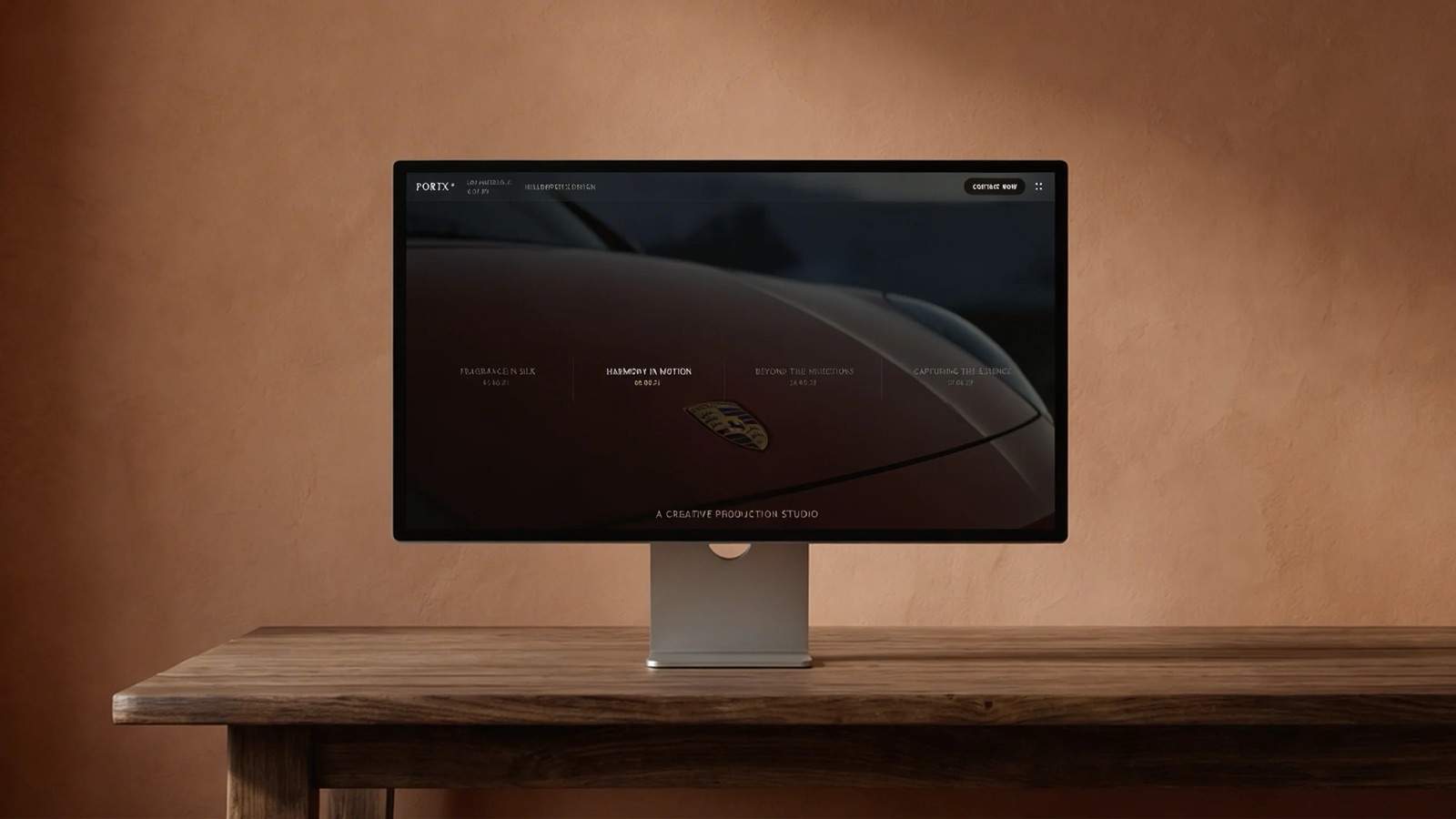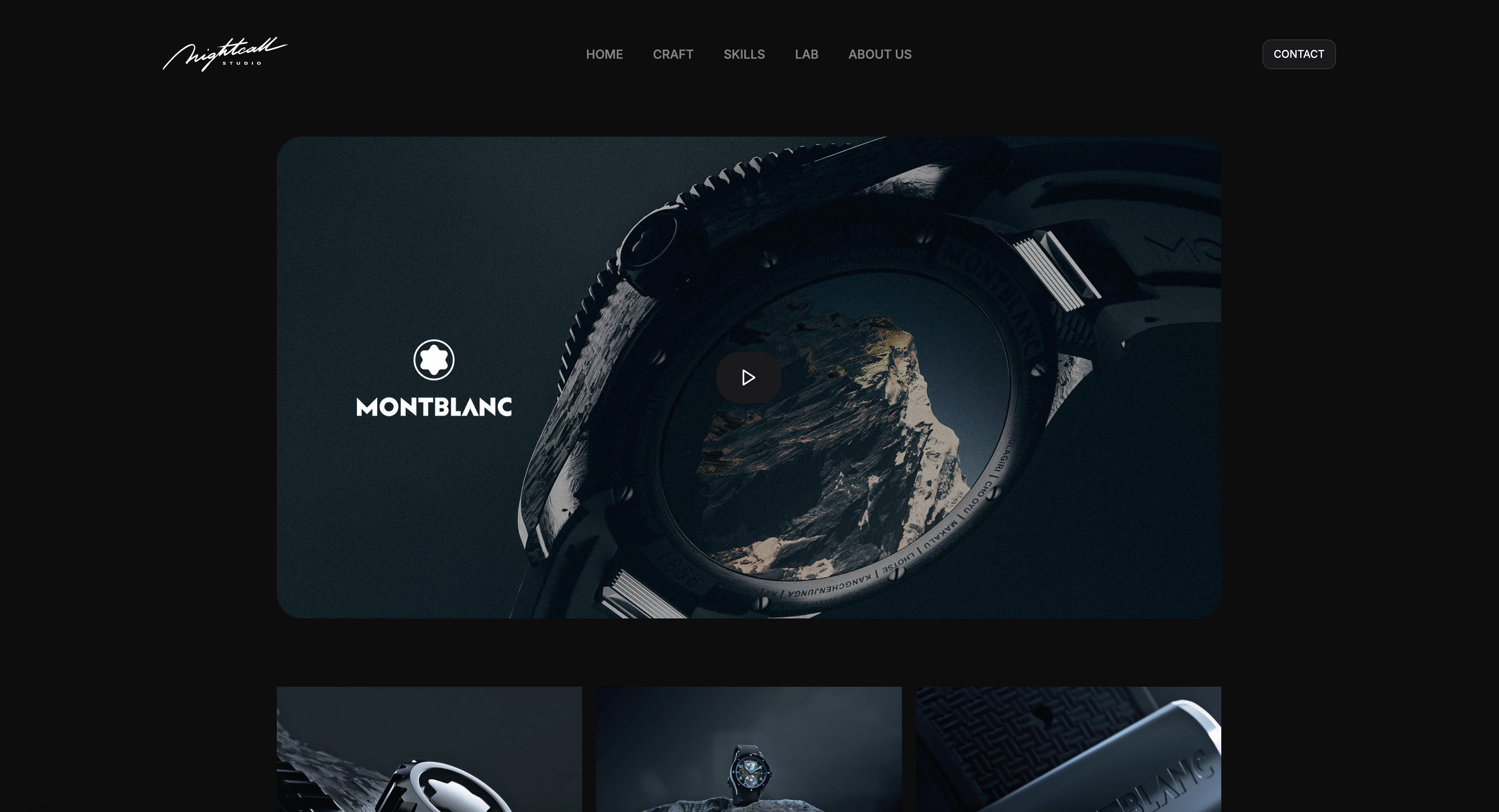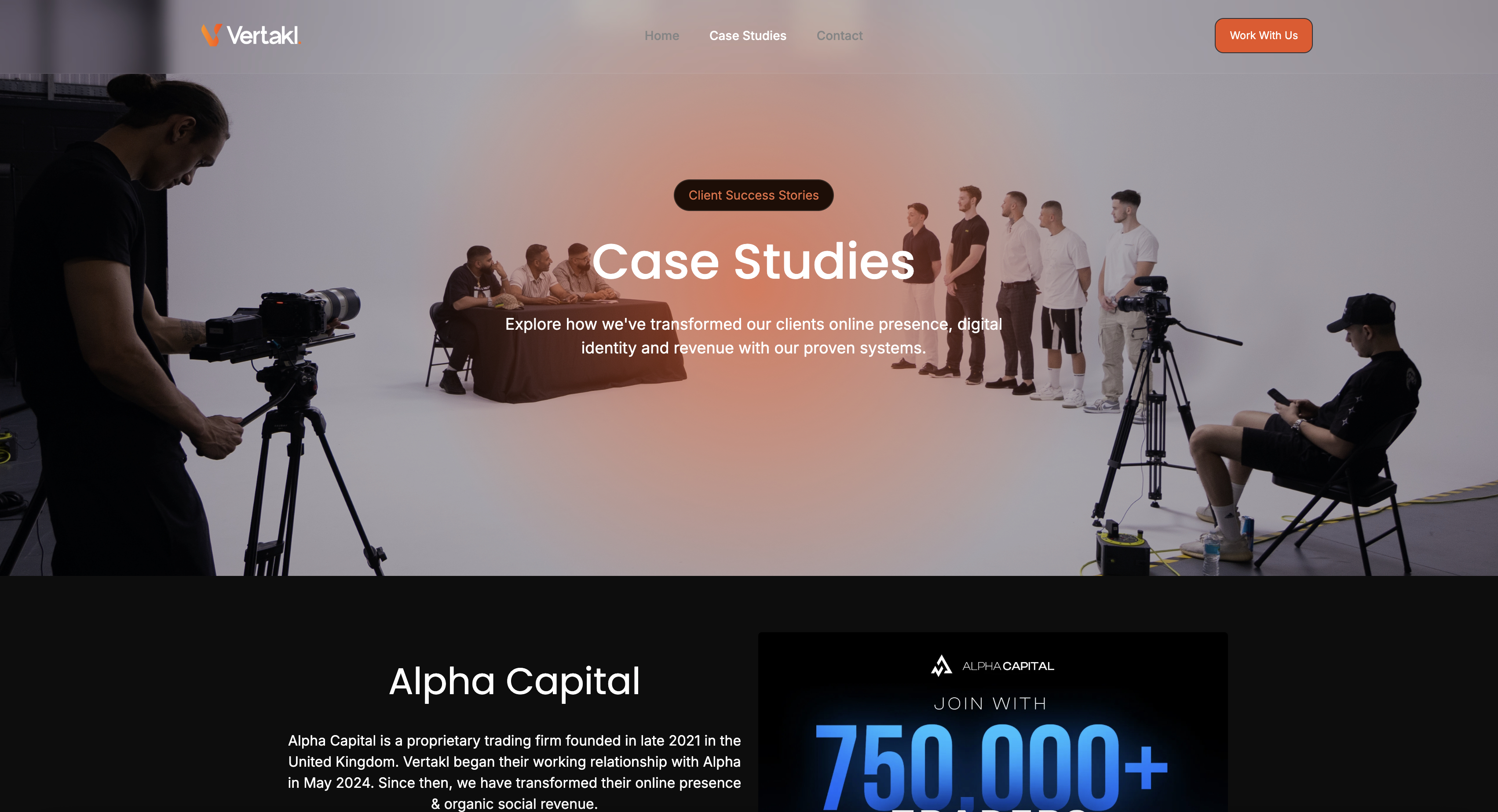
Framekit templates
Start from a designer-made template
 Use template
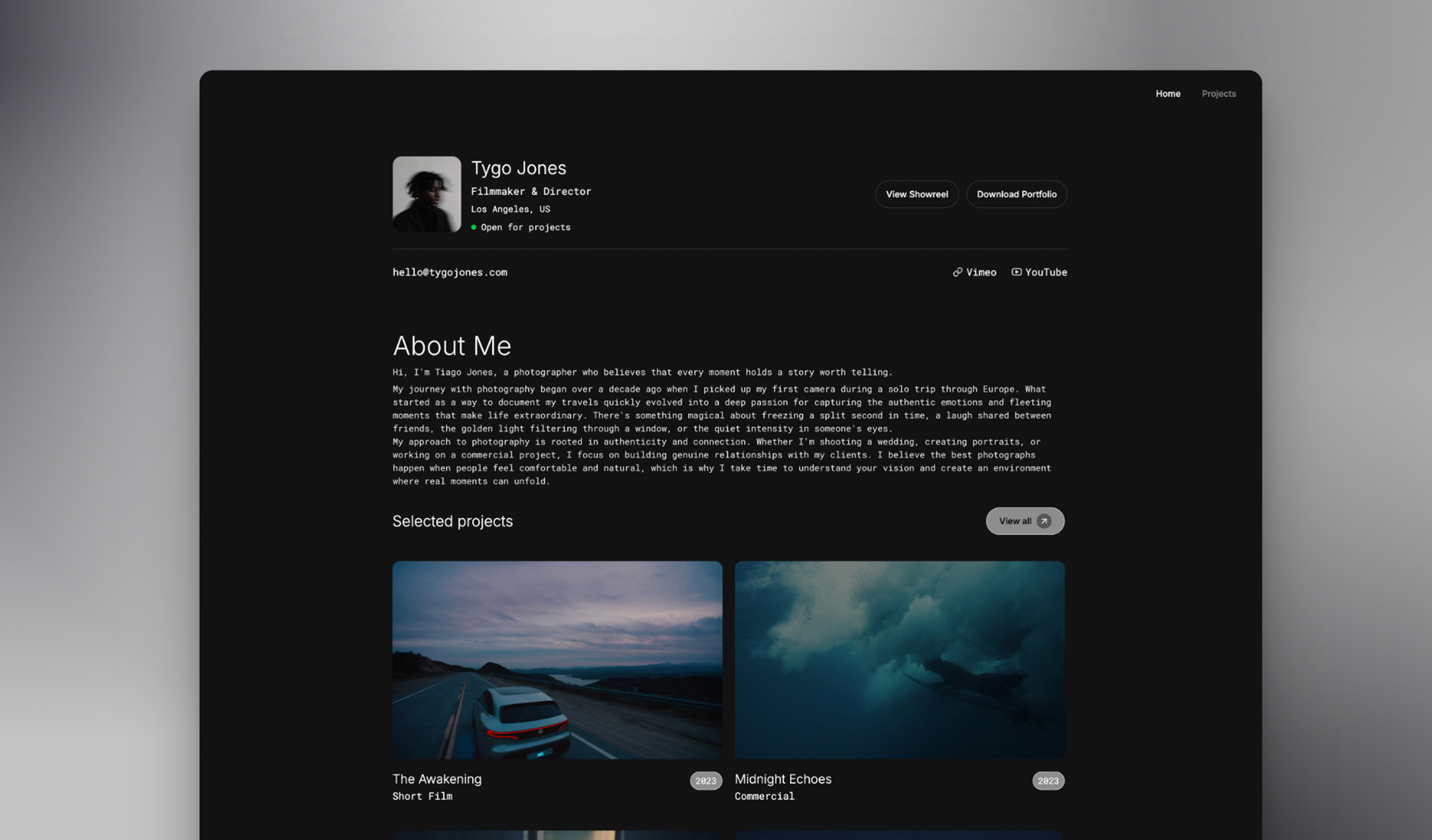 Use template
 Use template
 Use template
 Use template
 Use template
 Use template
 Use template
We should get the awkward part of Framekit vs Carrd out of the way immediately, because burying it would be transparent and you would notice.
If you need one page, Carrd wins. On price, and on fees.
Carrd Pro is $19 a year with your own domain, and because it uses your own Stripe account it takes no cut of anything you sell. Framekit's free plan takes 5 percent of product sales, and our cheapest plan with a custom domain is $84 a year.
For a single page with a checkout on it, there is no arithmetic that puts us ahead, and we are not going to construct one.
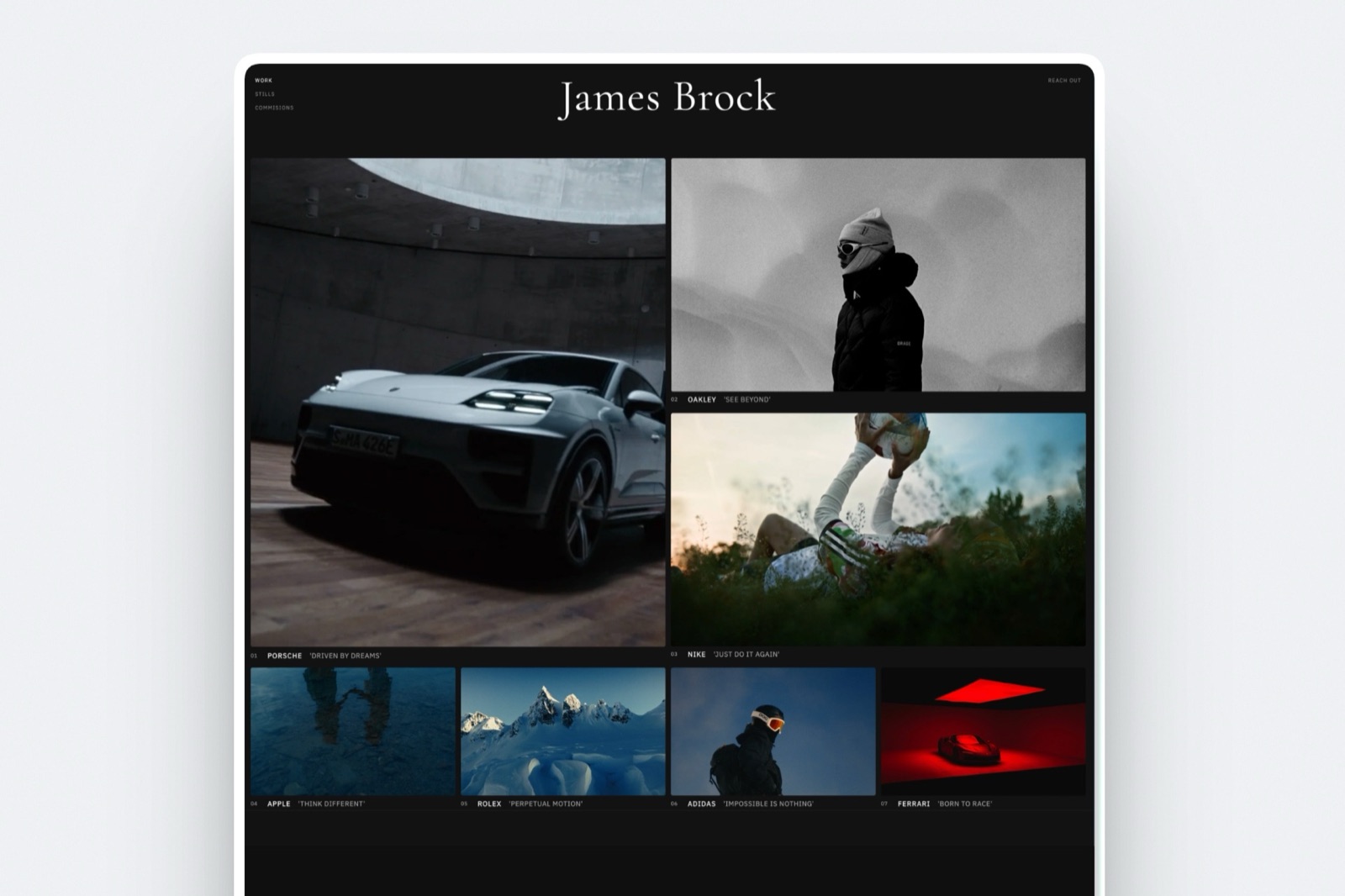
Framekit is an AI website builder that generates a multi-page portfolio with client galleries, video review, decks and a store attached.
A single-page builder is software for producing one scrolling page, which is a deliberately narrower product and better at being narrow.
Framekit is the better buy the moment you need a second page, client galleries, video review, or a store you do not have to wire up yourself, and it publishes ten pages free.
Carrd is the better buy for a genuine one-pager: $19 a year, your own domain, your own Stripe, and no platform cut on sales.
The crossover is not really about money, it is about scope: below one page Carrd is cheaper and simpler, and above one page it stops being the same product.
Full disclosure: Framekit is our own product and it loses the headline comparison here. We publish this because a reader who buys the wrong tool on our recommendation does not come back, and because "use the cheaper thing" is the correct advice more often than vendors admit.
How We Compared Them
We built the same thing twice: a photographer's one-page site with an about section, a grid of twelve images, a contact form and a $29 preset pack for sale. Then we tried to grow each one into a real portfolio with project pages and client delivery, which is where they separate.
The honesty split:
- Measured hands-on: both builds, the checkout wiring on each, and what happens when you add a second and third page.
- Verified from primary sources: Carrd's plan tiers and features from Carrd's pricing, read September 2026. Framekit's from the shipped plan configuration.
- Not tested: Carrd's third-party widget ecosystem in depth.
No speed or performance figures appear for either tool.
Framekit vs Carrd at a Glance
The weighting: the first two rows decide it for a one-pager, and rows three through six decide it for anything larger. Nothing else here changes many minds.
| Framekit | Carrd | |
|---|---|---|
| Cheapest plan with your own domain | $84 a year | $19 a year |
| Cut taken on product sales | 5%, 3% on Pro, 0% on Business | None, your own Stripe |
| Pages | 10 free, 30 Starter, 200 Pro | One per site |
| Client galleries with password and PIN | Yes | No |
| Video review with timecoded comments | Yes | No |
| Built-in store with file delivery | Yes | You wire up Stripe yourself |
| Multi-page portfolio with project pages | Yes | No |
| Free plan | 10 pages, galleries, decks, store | Yes, three sites, Carrd branding |
| Setup effort for a simple page | Minutes | Minutes |
| Team members | 1, 3 on Pro, unlimited on Business | Single user |
In one lineCarrd is cheaper and simpler until the job stops being one page, at which point it is not competing any more.
Where Carrd Wins, and It Genuinely Does
Carrd wins on three counts, and the first two are the entire reason most people reading this should buy Carrd rather than us for a single page. Neither is a rounding error, and neither is something we can close with a discount.
Price. $19 a year against $84. Over three years that is $57 against $252. If the deliverable is one page and always will be, that difference buys a lens filter and we would rather you spent it there.
No platform cut. Carrd payment forms run through your own Stripe account, so nobody takes a percentage. Framekit takes 5 percent on the Free and Starter plans, 3 percent on Pro and 0 percent only on Business at $39 a month.
For a seller doing $300 a month on one page, Carrd costs $19 a year and we cost $84 plus $180 in fees. That is not close.
It is genuinely simple. A Carrd page is one scroll with no structure to design. That constraint is the product, and for a link page, a launch page or a single profile it removes decisions rather than offering them.
Where Framekit Wins
Framekit wins on four counts, and every one of them arrives at the same moment: when the brief grows past a single scroll. Until that happens none of these matter, which is why the honest recommendation above is the one it is.
Pages, free. The free plan publishes up to ten pages on a framekit.ai subdomain. A portfolio with a home page, an about page, a contact page and six project pages fits at $0. On Carrd, a second page means a second site.
Client galleries. Unlimited, on every plan including free, with a password and a separate download PIN. Carrd has nothing like this, so a photographer using Carrd is also paying a gallery platform.
A store that delivers the file. Framekit's store handles the product page, the checkout and the file delivery. Carrd's payment forms take the money and leave delivery to you, which for one product is fine and for a catalogue is a second job.
Video review and decks. Timecoded client comments on a cut, and decks for proposals and treatments, on the same account. Neither exists on Carrd.
In one linethe moment a second page or a client deliverable appears, these stop being alternatives and start being different categories.
The Fee Comparison, Run Properly
This is the part that surprises people who assume the more expensive platform must take less, so here is the arithmetic on one product at three volumes.
| Monthly sales of a $29 product | Carrd Pro | Framekit Starter | Framekit Business |
|---|---|---|---|
| $150 | $19 a year, no fee | $84 a year plus $90 in fees | $372 a year, no fee |
| $500 | $19 a year, no fee | $84 a year plus $300 in fees | $372 a year, no fee |
| $1,500 | $19 a year, no fee | $84 a year plus $900 in fees | $372 a year, no fee |
Card processing applies on both and is not shown, because it is the same either way.
Read honestly, Carrd is cheaper at every row for a single-product page.
What the table does not show is what each platform is doing for the money: Carrd is hosting a page while you own the Stripe integration and the file delivery, and Framekit is running the store.
Whether that is worth $300 a year is a real question, and for a one-product seller the answer is frequently no.
In one lineif selling one file from one page is the whole business, Carrd is the cheaper structure and we will not pretend otherwise.
When Carrd Users Actually Outgrow It
Carrd users tend to outgrow it at four fairly specific moments rather than gradually. Knowing which one is coming for you is more useful than any feature comparison, because it tells you whether the $19 is a bargain or a stopgap.
A second page. Case studies, a services page, a proper about page. Carrd sites are one page each, so growth means multiple sites and multiple domains.
Client delivery. The first time a client needs a gallery rather than a link, a one-page builder has no answer and you start paying for a second platform.
A catalogue. One product on a Carrd page is straightforward. Six products with variants, discount codes and automatic file delivery is a store, and wiring that up yourself stops being cheaper in hours even where it is cheaper in dollars.
Search. A multi-page site with project pages gives you pages to rank. One page gives you one, which is a real constraint if commissions arrive through search.
How to Choose: A Decision Guide
Answer these in order and act on the first yes you reach. The first question settles it for most people reading this comparison, and if you can answer it honestly you can stop there and save yourself the rest.
- Is one page genuinely the whole thing, now and in a year? Yes: Carrd at $19 a year. Stop here.
- Do you sell one file and already have Stripe? Yes: Carrd, which takes no cut. Our 5 percent is a real cost you can avoid.
- Do you need project pages, case studies or a services page? Yes: Framekit, where ten pages are free.
- Do you deliver photos or video to clients? Yes: Framekit. Carrd has no gallery and no review.
- Do you sell more than a couple of products? Yes: Framekit, where delivery, discount codes and the product pages are handled.
- Unsure? Both have free tiers. Build the page on Carrd free and the portfolio on Framekit free, and see which one you keep opening.
Frequently Asked Questions
Is Carrd cheaper than Framekit?
Yes, for a single page, and by a wide margin. Carrd Pro is $19 a year with a custom domain against Framekit Starter at $84 a year, and Carrd takes no cut of sales because payments run through your own Stripe account.
Framekit takes 5 percent on Free and Starter, 3 percent on Pro and 0 percent on Business at $39 a month. For a one-page seller there is no volume at which our fee structure wins.
Can Carrd build a real portfolio site?
Not in the multi-page sense. A Carrd site is one scrolling page, so a portfolio with individual project pages means running several sites, each on its own address, which defeats the point.
It is an excellent one-page tool and a poor multi-page one, which is a design decision rather than a shortcoming. Framekit publishes ten pages on the free plan and 200 on Pro.
Does Framekit have a free plan like Carrd?
Both have free tiers and they withhold different things. Carrd's free plan allows three one-page sites with Carrd branding and no custom domain.
Framekit's free plan publishes a ten-page site with a small badge, plus unlimited client galleries, unlimited decks and a working store, also without a custom domain.
For a single page Carrd's is simpler; for a portfolio Framekit's does more.
Can I sell digital products on Carrd?
Yes, through payment forms connected to your own Stripe account, with no platform cut, which is genuinely the cheapest structure for one product.
What Carrd does not do is deliver the file for you, handle a catalogue, apply discount codes or manage product pages, so the work of fulfilment sits with you. That is fine for one preset pack and awkward for twelve.
Which is better for a photographer?
Framekit, in almost every case, and not because of the site. Photographers deliver work, and Carrd has no client galleries, no password and download PIN, and no way to hand over a set of images.
A photographer on Carrd ends up paying for a gallery platform as well, at which point the comparison is $19 plus a gallery subscription against one Framekit plan that covers both.
What does Framekit's 5 percent fee apply to?
Product sales through the Framekit store only. It does not apply to client work you invoice elsewhere, and it does not apply to delivering galleries, which carry no commission on any plan.
The rate is 5 percent on Free and Starter, 3 percent on Pro at $19 a month and 0 percent on Business at $39, so it falls as you grow where a marketplace percentage does not. For one-page sellers, Carrd's zero is still cheaper.
Can I move a Carrd site to Framekit?
Not automatically, and there is no importer in either direction. Moving means rebuilding, which for a single page is genuinely twenty minutes: generate the site, paste the copy, upload the images.
Move the domain first if it is registered through the platform. The rebuild is small enough that it should not factor into the decision either way.
Is a one-page site bad for SEO?
It is a constraint rather than a penalty. One page can rank, and for a focused query it can rank well.
What it cannot do is target several different queries with different pages, which is how portfolio sites usually earn search traffic: a project page for each type of work, each answering a different search.
If commissions arrive through search rather than referral, more pages is the lever.
Does Carrd do client galleries or video review?
No to both, and neither is a gap Carrd is trying to fill. It is a one-page builder and those are separate product categories.
Photographers and filmmakers using Carrd pair it with a gallery platform and often a review tool, which is three subscriptions where Framekit is one, and that stack comparison rather than the headline price is the honest argument for us.
Should I use both?
Rarely, because they overlap almost entirely on the page itself.
The case where it makes sense is a separate campaign or launch page on Carrd for a specific product, pointed at from a Framekit site that carries the portfolio and the client work.
Both have free tiers, so testing that pairing costs nothing.
Final Verdict
Carrd is better than us at the thing it does, and it does one thing. $19 a year, your own domain, your own Stripe, no cut, and a constraint that removes decisions rather than offering them.
For a link page, a launch page, a single profile or one product with a checkout, buy Carrd.
Who should not use Framekit. Anyone whose site is genuinely one page and will stay that way. Anyone selling a single file who already has Stripe, because our 5 percent is a cost Carrd simply does not have.
Anyone who wants the smallest possible tool for the smallest possible job.
Who should. Anyone whose work needs more than a scroll: project pages that can rank individually, client galleries with a password and a download PIN, review links for a cut, a store that delivers the file, or a proposal deck.
That is four things Carrd does not do, and the free plan lets you find out whether you need them before paying anyone.
Related readingthe best Carrd alternatives, the best one-page website builders, and Framekit's full pricing.
Carrd plan tiers read from its published pricing in September 2026. Our fee structure and page limits come from the shipped plan configuration, checked the same month.