Framekit templates
Start from a designer-made template
 Use template
 Use template
 Use template
 Use template
 Use template
 Use template
 Use template
 Use template
Every AI headshot service advertises the same thing: a big number of photos for a small amount of money. 120 headshots for $79. 100 for $49. 40 for $25. The number is real and it is also the wrong number, because nobody puts 120 headshots on LinkedIn. You put one on LinkedIn.
So the figure that matters is not the price of the pack.
It is the price of the one image you actually use, and no vendor can publish that number because it depends on your selfies, so this comparison prices every pack per delivered image and shows you how to count your own keepers.
An AI headshot generator is a service that trains a model on a set of selfies you upload, then generates new images of your face in professional clothing, lighting and backgrounds that you never actually sat for.
In 2026 there are dozens of them, they mostly use similar underlying techniques, and they differ far more in what they do with your likeness than in what they charge.
The best AI headshot generator in 2026 is BetterPic, our pick because its own pricing page lists the Pro tier at $39 for 60 4K images with commercial rights, about 65 cents per delivered image.
Secta Labs at a reported $49 for 100-plus photos is the cheapest per delivered image, HeadshotPro is the strongest for teams at $25.35 per person on volume, and StudioShot is the only one here that puts a human in the loop.
The trade-off across the whole category is that you are uploading your face to train a model, and the deletion and rights terms vary far more than the prices do.
Re-verified in September 2026: Framekit's plans were checked again and so was the section on running a real portrait business, since Framekit delivers a shoot in a branded client gallery where the client taps a heart to mark the frames they want; generator prices are as read in August 2026.
On 12 October 2026 we removed the publishable counts and cost-per-usable-image figures from a selfie test we cannot document, and repriced every pack per delivered image from its published price.
How We Compared 12 AI Headshot Generators
We compared twelve headshot services on what each one publishes, without generating or grading any images ourselves: pack prices and image counts, resolution and number of styles, promised delivery times, trials and redo policies, and the commercial licence, retention and deletion terms on each vendor's policy pages, all read in August 2026.
What we did not do is train models on our own selfies and grade the output, so no figure on this page is a hit rate.
The number that decides the purchase, how many images in your pack you would actually publish, depends on the selfies you feed in, and the rule worth applying when you sort is simple: would you put this on a real LinkedIn profile without a colleague noticing something was wrong with it.
The disqualifiers to look for are warped ear cartilage, glasses whose arms do not meet the frame, collars that dissolve into the neck, a jaw that is not your jaw, and skin rendered with the plastic sheen that is the current tell.
Cost per delivered image is plain division of a published or reported price by the pack size, and the ranking is our editorial judgement of those published terms rather than a measurement.
Prices were read on each vendor's own pages in August 2026 unless the entry labels them as reported from third-party coverage, and licence, retention and deletion terms were read from each vendor's published policy pages.
In one linetwelve services compared on published pack prices, image counts, rights and data terms, each figure read on the vendor's own page in August 2026 or labelled as reported, with no generated images graded by us.
What the Published Pack Prices Actually Show
The pattern that organises this comparison is that sticker prices cluster between $25 and $79 while pack sizes swing from 20 images to several hundred, so the price of one delivered picture moves far more than the headline price does, and none of it tells you in advance how many you will keep.
- The advertised pack sizes ranged from 20 to over 300 images, and the number anyone actually uses is one.
- Cost per delivered image runs from about 49 cents (Secta, reported) to $1.75 (BetterPic's 20-image Basic tier) across the tiers we could price.
- No vendor publishes a hit rate, so how many of those images you would put on a profile is a number only your own sorting can produce.
- Glasses are thin, reflective and geometrically exact, which makes them the hardest detail for a generator to draw, so wearers should read the redo policy first.
- 1 of the 12, StudioShot, puts a human reviewer between the model and your delivery.
- A studio headshot session at the reported national median of about $250 works out to roughly $31 to $50 per finished image, against under $2 for any delivered AI image here, and it buys things the AI does not.
For the pick matched to your situation rather than the whole field, jump to the decision guide.
Cost Per Delivered Headshot, Not Cost Per Pack
Here is the table the category avoids.
Every vendor publishes images-per-pack because a big number sells, and dividing each price by the images it actually delivers puts every pack on one scale, which is the first step toward the number that matters: the price of the one picture you end up publishing.
The table stops at delivered images on purpose.
How many of those you would publish depends on your selfies more than on the vendor, and no service publishes a hit rate, so finish the sum yourself once the pack arrives: a $39 pack that gives you three pictures you would use cost $13 for each of them.
| Service | Price | Images delivered | Cost per delivered image |
|---|---|---|---|
| Secta Labs | $49 | 100 plus | About $0.49 or less |
| ProPhotos Basic | $25 | 40 | About $0.63 |
| BetterPic Pro | $39 | 60 | About $0.65 |
| BetterPic Expert | $79 | 120 | About $0.66 |
| Dreamwave | $35 | 50 | About $0.70 |
| Aragon Standard | $45 list | 60 | About $0.75 |
| HeadshotPro Professional | $39 | 50 | About $0.78 |
| InstaHeadshots | $49 | 40 | About $1.23 |
| Studio photographer session | About $250 | 5 to 8 finals | About $31 to $50 |
Two rows are worth stopping on. InstaHeadshots is not the most expensive pack in the table, yet at 40 images for $49 it is the most expensive per delivered picture by a wide margin.
And BetterPic's $79 Expert tier costs almost exactly what its own $39 Pro tier does per image, which is the usual shape of these upsells: more images and more styles at the same unit price, not cheaper pictures.
The last row is the one this whole category is measured against, and it is included deliberately, with one caveat: a studio final has already been chosen and retouched, while an AI image arrives unsorted.
A gap of $31 to $50 against well under $2 is real and it is not the only difference, which the section below deals with honestly.
In one linecost per delivered image runs from about 49 cents to about $1.23 across the AI packs in this table, against roughly $31 to $50 per finished image from a studio session, and your own keeper count decides what one usable picture really costs.
The 12 Best AI Headshot Generators in 2026: Full Comparison
Scores are our rating out of 10, built only from what each vendor publishes rather than from any output we graded, across four weighted criteria: price per delivered image (35%), licence and price stated at source, meaning commercial rights in writing and a price we could read on the vendor's own page rather than in third-party coverage (30%), documented safeguards against paying for pictures you cannot use, such as human review, a free trial, reveal-before-paying or an included retry (20%), and fit for a one-off professional headshot rather than a subscription or a consumer app (15%).
This ranking replaced, on 12 October 2026, an earlier one that leaned on publishable counts from a selfie test we cannot document; on those discarded weights Secta sat second and Aragon fifth, and on published terms HeadshotPro moves to second and Aragon to eighth.
| Service | Price | Images | Commercial rights | Best for | Score |
|---|---|---|---|---|---|
| BetterPic | $35 to $79 | 20 to 120 at 4K | Yes, stated | 4K and rights on every tier | 8.4 |
| HeadshotPro | $29 to $59, teams from $25.35 | 30 to 70 | Yes | Teams and companies | 8.2 |
| Secta Labs | $49 promotional | 100 plus | Yes | Lowest cost per delivered image | 7.9 |
| StudioShot | From $29 | Varies | Yes | A human in the loop | 7.6 |
| Dreamwave | From $35 | About 50 | Yes | Trying before paying | 7.4 |
| ProPhotos | $25 to $155 | 40 to 160 | Yes | Cheapest credible entry | 7.2 |
| InstaHeadshots | About $49 | 40 to 200 | Yes | Pay after you see results | 6.8 |
| Aragon AI | $35 to $75 list | 40 to 100 | Yes | Speed of delivery | 6.4 |
| Photo AI | $19 to $199 a month | Credit-based | On higher tiers | Ongoing content, not one headshot | 6.0 |
| Fotor | Free tier plus packs | Varies | Check tier | Casual use alongside an editor | 5.8 |
| Remini | Consumer subscription | Varies | Limited | Phone-first quick portraits | 5.4 |
| Try It On AI | Varies | Varies | Check terms | Wardrobe and style variation | 5.1 |
BetterPic leads and does not score above 8.4, which is deliberate.
No vendor here publishes how many of its images survive a close look, every one except StudioShot hands you raw model output to sort, and a category where you cannot know your keeper count before paying has not earned a nine from us regardless of which vendor is ahead.
1. BetterPic: 4K and Commercial Rights on Every Tier
BetterPic is our default pick because its pricing is unusually legible for this category: three tiers on its own page, each with a stated image count and number of styles, and 4K files with commercial rights on every one of them.
How it worksyou upload a set of selfies, choose a tier by how many styles you want, and download 4K files.
As with every service here, the upload step matters more than any model difference, so follow the source-photo guidance closely; the selfie section below explains why variation in light and clothing does more for your results than the choice of vendor.
The real numberBasic is $35 for 20 images with one style, Pro is $39 for 60 images across three styles, and Expert is $79 for 120 images across six styles, all at 4K with commercial rights. Pro at $39 works out to 65 cents per delivered image.
The detail nobody writes aboutthe Expert tier is no cheaper per image than Pro. $79 for 120 images is about 66 cents each against 65 on Pro, so the extra $40 buys three more styles and sixty more images to sort, not better odds of a keeper. Buy Pro unless you specifically need six distinct styles.
The gotchaglasses. Thin wire frames are one of the hardest details for any headshot generator to draw, and no vendor in this category publishes how well it handles them. If you wear glasses in every professional photo, budget for a redo and check the redo policy before you buy.
Skip it ifyou need a guaranteed result on a deadline, which no service in this category can offer.
Verdict: the best default choice in the category and the one we would give someone who asked for one recommendation. Take the $39 Pro tier, ignore the upsell, and count your own keepers before deciding whether a second pack is worth buying.
2. HeadshotPro: Best for Teams
HeadshotPro is the service in this comparison built for companies rather than for individuals, and its team pricing is the most transparent volume model here by a distance, with published per-credit rates and volume tiers rather than a form that asks you to contact sales.
How it worksadministrative in a good way. You buy credits, distribute invitations, and people upload their own selfies without a coordinator chasing them into a studio on a Tuesday. For a distributed company that is the entire value proposition.
The real numberBasic is $29 for 30 headshots, Professional is $39 for 50, and Executive is $59 for 70 with 4K downloads.
Team credits run $25.35 each at the discount shown, against a $39 base, with each credit covering 40 headshots and one retry for one person, volume discounts to 50% above a thousand seats, and credits that do not expire.
The detail nobody writes aboutcredits never expiring is genuinely useful for a company with staff turnover. Buy fifty, use thirty this year, and the remaining twenty cover next year's joiners. Almost every competitor sells a per-session product with no equivalent.
The gotchafor one person it is mid-table on price, at about 78 cents per delivered image on the $39 tier against 65 cents on BetterPic Pro, so you are choosing it for the administrative model rather than the unit price.
Skip it ifyou are one person buying one headshot, where BetterPic and Secta both deliver more images for similar money.
Verdict: the correct answer for a company doing this for a team, and second overall because its prices, rights and team terms are the most fully published in the category, even though an individual pays more per image than on BetterPic. At $25.35 per person against a reported $150 to $600 per head for a team photographer, the arithmetic for a fifty-person company is not close.
3. Secta Labs: Most Images for the Money
Secta delivers the largest set in this comparison for its price, a reported 100-plus photos for $49, which makes it the cheapest per delivered picture here at about 49 cents each, provided you accept that sorting the set is your job.
How it worksthe styling variety is the selling point. Seven styles across outfits, backdrops and lighting is more range than BetterPic's three-style Pro tier or the three backgrounds on ProPhotos' entry plan, and the site promises turnaround inside two hours.
The real numberreported at $49 as a promotional price against a $99 list, for 100 plus HD photos across seven styles. At 100 images that is about 49 cents each, the lowest per delivered image in this comparison.
Secta does not display its price on its homepage, so this figure comes from third-party pricing coverage rather than a reading at source.
The gotchathe promotional price is the price. A $99 list that has been discounted to $49 across every promotion we can find is a $49 product with a marketing decoration attached, and you should treat the higher number as fiction rather than as a saving you captured.
Skip it ifyou want a small, curated set rather than a large one to sort through. Three hundred images is a chore, and the sorting is unavoidably your job.
Verdict: the value pick, and the right choice if you are willing to spend twenty minutes reviewing outputs. The price per delivered image is the lowest here by a clear margin, on a reported rather than a source-read figure.
4. StudioShot: The Only One With a Human in the Loop
StudioShot inserts a photographer review between the model's generation step and what lands in your inbox, and of the twelve services compared here it is the only one that puts a human being anywhere in that chain before you are asked to publish the result.
How it worksslower and calmer by design. You do not get a folder of 120 images to sort; you get a reviewed selection, which inverts the whole workflow.
The classic failures in this category, the warped ear and the melted collar, are exactly the things a human catches in ten seconds and a model does not notice at all.
The real numberreported from $29 for an individual, with structured volume rates for corporate programmes. We could not read StudioShot's pricing at source, so treat these figures as reported.
The detail nobody writes abouthuman review changes what you are buying. Every other service sells you raw model output and outsources quality control to you.
This sells you a smaller number of checked images, which is closer to what a photographer actually delivers and is a more honest product even when the underlying generation is comparable.
The gotchathe review step means you wait, and this is a category whose entire marketing is built on fifteen-minute turnarounds. If you need something in the next hour, this is the wrong door.
Skip it ifyou enjoy sorting and want maximum raw volume for your money.
Verdict: the most interesting model in this comparison and the one we would like to see more of. If the idea of publishing a picture nobody checked bothers you, this is the answer.
5. Dreamwave AI: Try Before You Pay
Dreamwave offers a free trial, which in a category where you cannot judge quality until after you have paid is a more meaningful differentiator than any feature.
How it worksa conventional upload-and-wait service with a free trial in front of it, which is the reason to look. On the reported $35 for around 50 headshots, that is about 70 cents per delivered image.
The real numberreported from $35 for around 50 headshots, with a free trial available and a higher-volume tier reported at 120 headshots for $39.
The gotchathose two reported figures, 50 images for $35 and 120 for $39, come from different sources and cannot both be a stable current price. This is endemic in the category and it is why the trial matters more than the published tier.
Skip it ifyou want a price you can confirm before you start.
Verdict: worth a look precisely because you can look for nothing. Use the trial to judge how the model handles your face before spending anywhere in this category.
6. ProPhotos: Cheapest Credible Entry Point
ProPhotos undercuts almost the whole field on its entry tier and delivers a smaller, tighter set than the volume players do, which is a different proposition from the hundred-image dumps that dominate this category and suits anyone who does not want to sort.
How it worksunremarkable, which at this price is a compliment: upload, wait, download. The entry plan offers three backgrounds, a narrower range than Secta's seven styles by a distance.
The real numberreported at $25 for 40 headshots across 3 backgrounds with 90-minute delivery, $55 for 80 headshots with 45-minute delivery, and $155 for 160 headshots across 12 background styles.
The entry tier works out to about 63 cents per delivered image, the second-lowest in the cost table.
The gotchathree backgrounds on the entry plan is genuinely limiting, and the images read as a set rather than as a range. If you want variety for different platforms, the entry tier is not it.
Skip it ifyou want stylistic range, where Secta's seven styles at a reported $49 go considerably further.
Verdict: the cheapest thing here we would call credible, and a reasonable choice if $25 is the budget and one corporate-looking picture is the goal.
7. InstaHeadshots: Pay After You See Them
InstaHeadshots leads on a pay-when-satisfied structure, showing you a gallery of finished results before you commit any money to the download, which is a genuinely different answer to the central anxiety of this category and the reason it appears here.
How it worksthe reveal-then-pay flow removes the main anxiety of the category, since you see a gallery of finished results before any money changes hands.
The real numberreported at about $49 for a basic tier revealing 40 images, with higher tiers expanding to around 200 portraits and trimming delivery to about fifteen minutes. At 40 images for $49 that is about $1.23 each, the most expensive per delivered picture in the cost table.
The gotchaseeing the images before paying sounds like it solves the quality problem and mostly does not, because the failures here are the kind you notice at full size rather than in a preview grid. Zoom in on the ears and the glasses before you decide.
Skip it ifcost per image is your metric, because no pack in the cost table charges more per delivered picture.
Verdict: a good idea about payment attached to the highest unit price in the cost table. The structure deserves credit and keeps it above Aragon's pricing theatre; the effective price is why it sits no higher than seventh.
8. Aragon AI: Fastest Delivery, Slipperiest Pricing
Aragon is one of the most heavily marketed services in this category and it is genuinely quick, with its top tier promising delivery in about fifteen minutes.
How it worksspeed is the pitch, and the product is organised around getting images to you quickly. On the Standard tier's list price of $45 for 60 images, that is about 75 cents per delivered image, before whatever discount the checkout applies.
The real numberthe published tiers are Basic at $35 for 40 images, Standard at $45 for 60 and Executive at $75 for 100.
Third-party coverage in July 2026 reported a permanent discount banner showing considerably lower actual charges against those struck-through list prices.
Aragon's pricing page did not render its figures to us, so both the list prices and the discount are reported rather than read at source.
The gotchaa struck-through price that is always struck through is not a price, it is a design element. Check what your card is actually charged rather than what the page says you saved, and if the two differ by a large factor, treat the higher number as marketing.
Skip it ifyou are price-sensitive and want to know what something costs without a countdown timer involved.
Verdict: a service sold on speed and wrapped in the most aggressive pricing theatre in this comparison, which is why it sits eighth: neither its list price nor its discount could be read at source. Read the checkout total, not the struck-through number.
9. Photo AI: Built for Ongoing Content, Not One Headshot
Photo AI is a subscription rather than a one-off purchase, and it is aimed at people generating images continuously rather than buying one profile picture.
How it worksmore of a studio than a vending machine. You train models, generate against prompts, and iterate, which is a different activity from buying a headshot pack. For a creator producing marketing images every week, that is the right shape.
Each plan includes a set of free auto-generated photos per model.
The gotchafor one headshot this is the wrong product and the wrong price. A month of Starter at $19 to get one profile picture is not competitive with a $39 one-time pack that delivers 60 images, and the subscription renews.
Skip it ifyou want a headshot. Buy a headshot service.
Verdict: an excellent tool for a different job. If you need a stream of images of yourself for a newsletter, a course or a personal brand, this is the most capable thing on the page, and it should not be your answer to "I need a LinkedIn photo".
10. Fotor: Fine If You Are Already There
Fotor is a general photo editor with an AI headshot feature attached, and it is on this list because a lot of people will meet the feature inside a tool they already use.
How it worksconvenient rather than specialised. The headshot feature sits inside a general photo editor, so you meet it where you already work rather than in a pipeline built around one job.
The real numberthe Basic tier is free forever with limited credits, one concurrent generation and watermarked exports, and paid tiers plus separate one-time AI headshot packs exist.
Fotor's pricing page renders its paid figures as placeholders rather than numbers, so we are not quoting prices we could not read.
The gotchawatermarked exports on the free tier make it a demonstration rather than a free option, which is a different thing from the genuinely free tiers in other software categories.
Skip it ifthe headshot is the point rather than a bonus feature.
Verdict: acceptable if you already pay for Fotor and want to try something. Not a reason to start.
11. Remini: Phone-First and Consumer-Shaped
Remini is a consumer app best known for photo enhancement that added AI portrait generation, and it reaches a large audience that would never visit a dedicated headshot site.
How it worksbuilt for a phone and for social output rather than for a professional profile, with enhancement of real photos as the core product and portrait generation added on top.
The real numbersold as a consumer subscription with tiers that vary by store and region, and we could not read a stable figure to publish.
The gotchacommercial usage terms on consumer apps are typically narrower than on dedicated business-facing services, and this is the one category where that distinction has consequences. Read them before using an output on a company website.
Skip it ifthe image is for professional use.
Verdict: built first to improve photographs you already took, which is a better use of it than generating ones you did not.
12. Try It On AI: Wardrobe Variation as the Point
Try It On AI narrows the category to styling and wardrobe variation, generating the same person across different outfits, settings and looks rather than trying to be a general-purpose professional headshot service, which makes it useful for a different question than the one this article asks.
How it worksnarrower than the leaders and more interesting in one specific way, which is seeing yourself in a jacket you do not own before deciding whether to buy one for the real shoot.
The real numberpricing varies by package and we could not confirm a current figure at source, so it is not in the cost table above.
The gotchaa model pushed hard on wardrobe and setting is changing more of the picture, and likeness drift is the usual trade, so check its outputs against your source selfies before using one as a headshot.
Skip it ifaccuracy of likeness is what you are buying, which for a headshot it is.
Verdict: a fun tool with a narrow use, and not where to spend your one headshot budget.
What Happens to Your Face After You Upload It
In one lineyou are handing a company fifteen photographs of your face so it can build a model that generates more of them, and the terms covering how long that model exists and who else can use it vary far more between these vendors than the output quality does.
This is the part of the category that gets almost no coverage and deserves the most. Four questions are worth answering before you upload anything.
Do you get commercial rights to the outputs? Most of the dedicated services state that you do, and the consumer apps are where this gets murky.
If the image is going on a company website, a book jacket or an advertisement, that is commercial use, and a personal-use licence does not cover it. Read the specific words rather than the marketing.
How long do they keep your source photos? The selfies you upload are the training data. Retention periods differ, some services delete after generation and some hold them, and the deletion mechanism is sometimes a support request rather than a button.
How long does the trained model exist? This is the question almost nobody asks. The model is not the photos, it is a derived artefact capable of generating unlimited new images of your face.
A service that deletes your uploads and keeps the model has not deleted you.
Can they use your likeness to train or promote? Some terms grant a licence to use outputs for marketing. That is a normal clause and it means a picture of your face may appear as an example on a vendor's site.
None of this is a reason to avoid the category, and it is a reason to spend five minutes on the terms page of whichever service you pick rather than none.
The practical habit that costs nothing: delete your source photos and request model deletion once you have downloaded the set you want, rather than leaving both in place indefinitely because the job is done.
What a $250 Session Buys That $39 Does Not
In one linea real headshot costs roughly $31 to $50 per finished image against less than $2 per delivered AI image, and it buys four specific things AI cannot currently deliver, and pretending otherwise would make the rest of this comparison less useful rather than more.
We publish this on a site built for photographers, so state the bias plainly and then be accurate anyway.
It is actually you. Generated portraits can drift from the source likeness, typically toward a slightly more symmetrical, slightly younger, slightly more conventionally attractive version of the person.
For a LinkedIn thumbnail that difference is invisible. For someone who will meet clients in person, arriving as a visibly different person than your profile picture is a small credibility cost you paid to save two hundred dollars.
Direction. A good headshot photographer's actual skill is not lighting, it is getting a self-conscious person to relax for the eight seconds when the shutter is open.
No model generates that, because the input never contained it. This is why AI headshots so often look composed and slightly dead.
Certainty. You leave a session with images you have seen and approved. You leave an AI service with a folder to sort and no published figure for how many of its images will survive a close look.
Rights with no ambiguity. A photographer's contract states usage terms in plain language and there is no model of your face on anyone's server afterwards.
The honest conclusion is a split. For a founder who needs a profile picture this week and has never had a headshot, $39 is obviously correct and the alternative was no headshot at all.
For an actor, a public-facing consultant, an executive whose face appears on a keynote screen, or anyone whose likeness is part of what they sell, the session is the cheaper option once you count the first client who notices.
How to Shoot the Selfies That Actually Work
In one linethe quality of your source set predicts your results more strongly than the choice of service does, and most disappointing outputs are caused by fifteen photographs taken in one place, in one light, wearing one shirt.
Every service asks for roughly 10 to 20 selfies and then does its best with whatever you give it, so a set with no variation in it tends to come back with no variation in it, whichever vendor receives it.
Here is what actually helps, in rough order of impact.
Vary the light, not just the background. Window light, overhead indoor light, shade outdoors and overcast daylight are four genuinely different lighting conditions and a model trained on all four generalises. Fifteen frames at the same desk teaches it your desk.
Change clothing between shots. Different collars in particular, because the collar is one of the most common failure points and a model that has seen you in three different necklines handles a fourth better than one that has seen one.
Include a few frames at different distances. A mix of close and mid-distance gives the model information about your face at more than one scale, which improves the structure of the result rather than just its texture.
Use recent photographs. A model trained on you from four years ago generates you from four years ago, which is a subtle and unfixable form of likeness drift that people blame on the service.
Avoid filters, heavy retouching and beauty modes entirely. Anything that has already smoothed your skin teaches the model that your skin is smooth, and the plastic-sheen failure that defines bad AI headshots is made worse by feeding it pre-smoothed input.
Do not upload several frames from one burst. Ten frames from one moment is one photograph as far as the training is concerned, and it crowds out the variation that would have helped.
Look at the camera in most of them and not all of them. A few frames with the gaze slightly off gives the model something to work with when generating a non-frontal pose.
The single highest-return habit: take the selfies deliberately over two days rather than in one sitting. Two days gets you different light, different clothes and a different mood without any additional effort, and it is the closest thing to a free upgrade this category has.
What This Means If You Photograph People for a Living
In one linethe category is not coming for the top of the headshot market and it has already taken the bottom of it, and the useful response is to stop selling the deliverable and start selling the things a model cannot generate.
We publish this on a site built for photographers, so it would be dishonest to write eleven sections about AI headshots and not say what they mean for the people reading.
The work that has genuinely moved is the commodity end: a corporate profile picture with a grey background for someone who did not much want a photograph and needed one.
At $29 a head against a reported $150 to $600 per person for on-site team photography, that decision is not close for a company doing fifty staff, and no amount of arguing about quality changes it.
What has not moved is everything where the photograph is doing a job beyond identification. Actor headshots, where casting directors will meet the person. Personal branding for someone whose face carries the business. Editorial portraiture.
Anything with art direction, a location, or a client who wants to be photographed rather than processed.
Three practical responses that are working, from what photographers report publicly.
Show the experience rather than the output. The one thing no generator delivers is an hour of somebody making you feel comfortable, and it is the thing most people remember about a good session. That belongs on the sales page, in plain words.
Price the difference explicitly. A page that says what a session includes and why it costs what it costs converts better than one that leaves the client to compare a number against a $39 pack with no context.
Take the team work back on convenience, not quality. Companies chose AI for logistics as much as price.
On-site sessions, a booking link staff use themselves and a fast gallery turnaround compete on the same axis, and that is a business decision rather than an artistic one.
We covered the mechanics of that in how to get photography clients and priced the work itself in how to price photography.
The honest summary is that the floor of this market has dropped and the ceiling has not, and pricing and positioning is where photographers meet that rather than in an argument about whether the images are good.
The Tells: How to Spot an AI Headshot
In one linesix specific artefacts give these images away, they are the details any generator finds hardest to draw, and knowing them turns sorting a folder of 120 images from a vague impression into a checklist.
Zoom to 100% and look at these, starting with the thinnest and most geometric details, because those are the hardest for a model to get right.
Glasses. The hardest detail on this list. Look at where the arm meets the frame and where the frame crosses the ear. Models routinely produce arms that pass through the temple, frames of different thicknesses on each side, or lenses with inconsistent distortion.
Ears. Cartilage is structurally complex and models approximate it. Compare the two ears; they are frequently not the same shape and one is often missing a fold.
The collar and neckline. Where fabric meets neck is a common dissolve point, particularly with open collars and layered clothing. Look for a shirt edge that fades rather than ends.
Hair at the boundary. Fine strands against a background are the classic hard case. Look for hair that terminates in a soft smear rather than in individual strands.
Teeth, if the mouth is open. Count them. Models produce teeth that are too regular, too many, or subtly misaligned with the lip line.
Skin texture. The current tell is a uniform smoothness with no pore structure, which reads as retouched to a general audience and as generated to anyone who works with portraits. A good output keeps visible texture; a bad one looks like porcelain.
One more, less technical: check the background against the light on the face. A subject lit from the left in front of a background lit from the right is a physical impossibility that models produce regularly and viewers register as wrong without knowing why.
Run This Test Before You Buy a Second Pack
If you have already generated one set of images and you are sitting there wondering whether a second pack from a different vendor would go better, stop before you spend the money and run this instead, because it costs nothing and answers the question more reliably.
Take your five favourite outputs and open them at full size next to the actual selfies you uploaded. Not next to each other, next to the source. The question is not which generated image is best, it is how far the best one has drifted from you.
Then send your top two to one person who knows you and one person who does not, and ask both the same question: does this look like a photograph of me. The person who knows you catches likeness drift.
The person who does not catches the artefacts, because they are looking at the picture rather than at their memory of your face.
If both come back clean, you are finished and the $39 was well spent.
If the person who knows you hesitates, no amount of regenerating will fix it, because the drift is in the model rather than in the batch, and that is the point at which a real session stops being the expensive option.
Where a Real Portrait Business Lives Online
Every service above generates images. None of them is where a photographer gets hired, which for the people who read this blog is the actual question underneath the category. This is what we build, so read this as disclosure rather than a thirteenth entry.
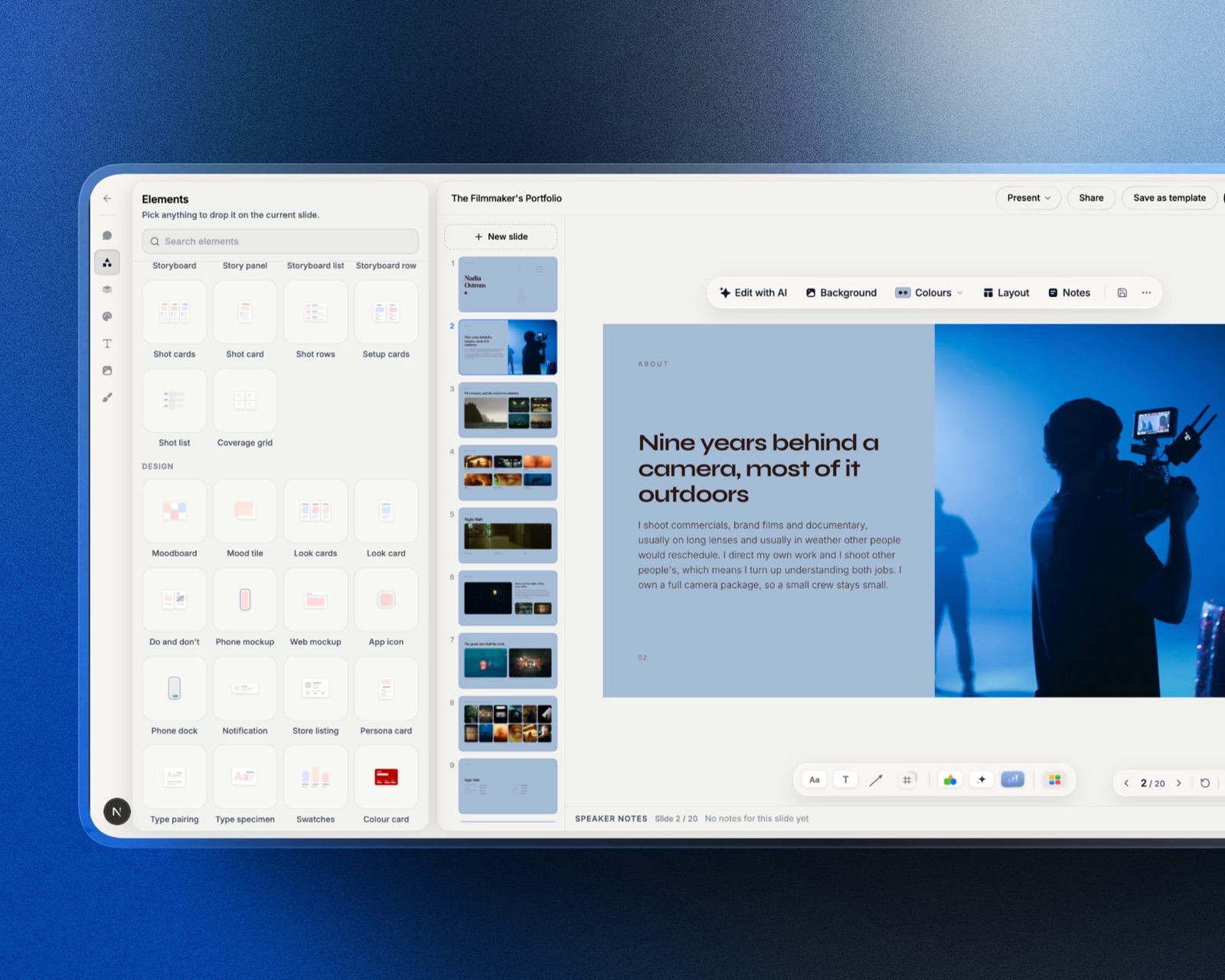
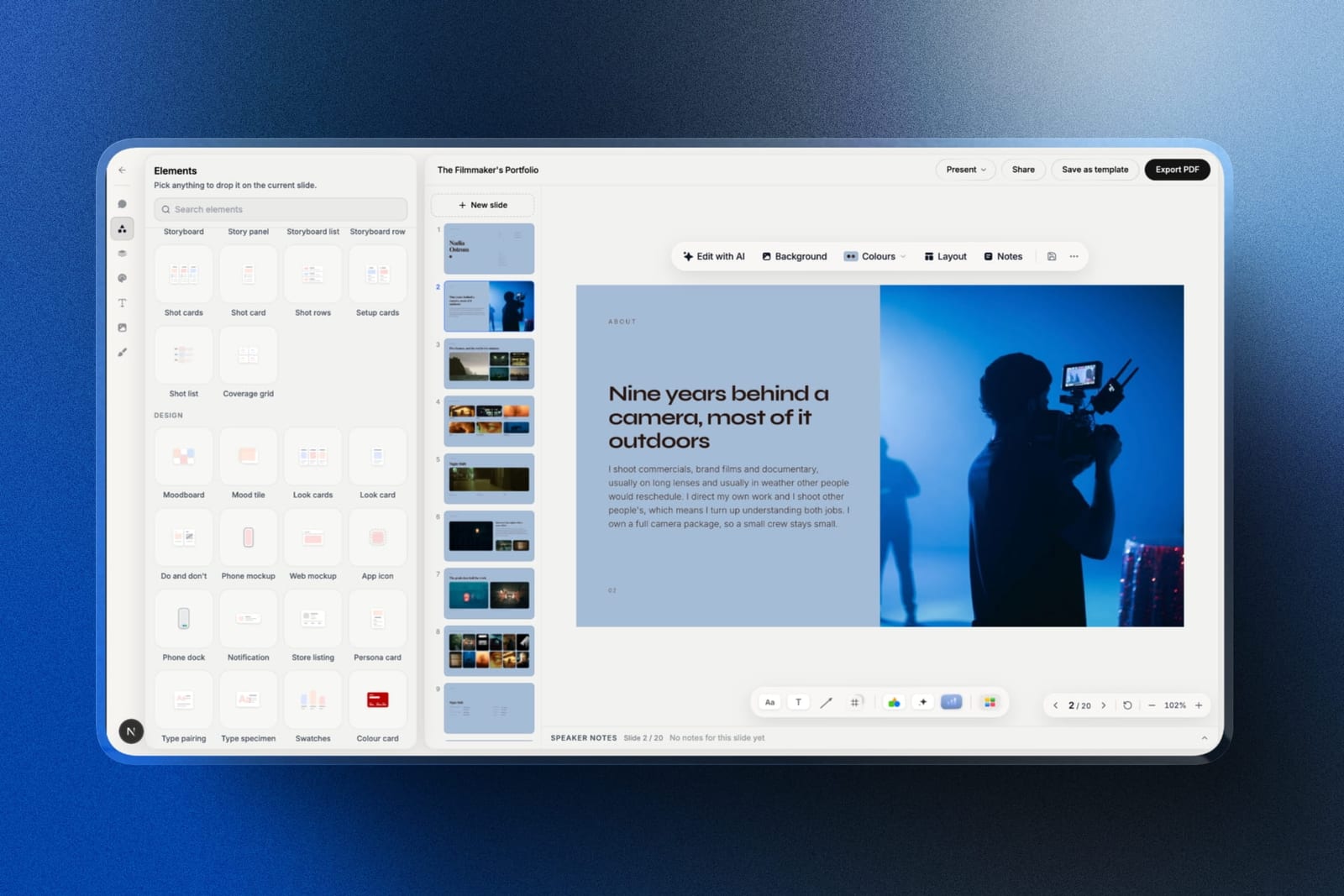
Framekit is an AI website builder for photographers, filmmakers and creators, built so a portfolio, a booking enquiry and client galleries live on one site you control.
For headshot photographers specifically, the useful response to this category is not to compete on price, it is to show the thing AI cannot: a page of real people looking relaxed, with the session experience described plainly, and a booking link attached.
Client galleries ship on every Framekit plan including the free one, with watermarking, passwords and favourites; plans differ mainly in storage, paid plans add your own domain and uploaded fonts, and a small Made with Framekit credit stays in the gallery footer on every plan.
Two honest limits. Framekit does not generate headshots and does not compete with anything ranked above.
And our proofing works through client favourites rather than a formal threaded approval round, so a studio that needs staged sign-off will find a dedicated proofing tool better.
The Decision Guide
Work down these questions in order and stop at the first yes, because the first two eliminate most of the field before quality enters the conversation.
Is your face part of what you sell, as an actor, model, presenter, or a consultant who meets clients in person? If yes, book a photographer. Likeness drift is a real cost in your specific job and no service here avoids it.
Are you buying for a team of more than about ten people? If yes, HeadshotPro, at $25.35 per person on volume with credits that do not expire, against a reported $150 to $600 per head for a team photographer.
Do you want one clearly priced purchase with 4K files and commercial rights stated up front? If yes, BetterPic Pro at $39, and skip the $79 Expert tier, which buys more images at the same price per image.
Is cost per image the metric you care about? If yes, Secta Labs at a reported $49 for 100 plus photos, about 49 cents per delivered picture, and accept that sorting the set is your job.
Does the idea of publishing an unreviewed generated image of yourself bother you? If yes, StudioShot, the only service here with a human reviewing before delivery.
Do you want to see results before paying anything? If yes, Dreamwave's trial, then decide.
Do you need a continuous stream of images of yourself for marketing rather than one headshot? If yes, Photo AI at $19 a month, which is the wrong tool for a single headshot and the right one for that.
Is the budget genuinely $25? If yes, ProPhotos, and expect three backgrounds and a corporate look.
Frequently Asked Questions
What is the best AI headshot generator in 2026?
The best AI headshot generator in 2026 is BetterPic, our pick because its own pricing page lists the $39 Pro tier at 60 images across three styles, delivered at 4K with commercial rights, about 65 cents per image.
Secta Labs is the cheapest per delivered image at a reported $49 for over 100 photos, HeadshotPro is the strongest option for teams at $25.35 per person on volume, and StudioShot is the only service that puts a human reviewer between the model and your delivery.
How much do AI headshots cost?
AI headshots cost between about $25 and $79 for a one-time pack from the dedicated services, which works out to about 49 cents to about $1.23 per delivered image across the packs in our cost table.
What one usable picture costs depends on how many you keep, so divide the price by your keepers: three good images from a $39 pack cost $13 each.
For comparison, a studio session at the reported national median of about $250 works out to roughly $31 to $50 per finished image.
Are AI headshots good enough for LinkedIn?
AI headshots are good enough for LinkedIn for most people, because the platform displays profile photos small enough that the common artefacts are invisible at that size.
No vendor publishes how many of its images survive a close look, so the workflow is buy a pack, sort carefully at full size against the tells listed in this article, and use one.
Where they fall short is any context where someone will see the photo large or meet you afterwards.
Can people tell if a headshot is AI-generated?
Most viewers cannot tell at thumbnail size and many can at full size, and six specific artefacts give it away: glasses with mismatched or intersecting frames, ears with inconsistent cartilage, collars that dissolve into the neck, hair that smears at the background boundary, teeth that are too regular, and skin with no visible pore texture.
Lighting that disagrees between the subject and the background is a further common tell that viewers register without being able to name.
Do I get commercial rights to AI headshots?
The dedicated headshot services generally state that you receive commercial rights to your outputs, and BetterPic, HeadshotPro, Aragon, Secta and ProPhotos all say so.
The consumer apps are where this becomes uncertain, because a personal-use licence does not cover a company website, a book jacket or an advertisement.
Read the specific licence wording on the service you choose rather than relying on a comparison article, including this one.
What happens to my photos and the AI model of my face?
Your uploaded selfies are training data and the trained model is a separate artefact that can generate unlimited new images of your face, so deleting the photos does not necessarily delete the model.
Retention periods, deletion mechanisms and whether the vendor may use your likeness in its own marketing all vary between services and are set out in their terms rather than on their pricing pages.
The practical habit is to request deletion of both once you have downloaded the images you want.
Which AI headshot generator is best for teams?
HeadshotPro is the best AI headshot generator for teams, with credits at $25.35 each on the discount shown against a $39 base, each credit covering 40 headshots and one retry for one person, volume discounts reaching 50% above a thousand seats, and credits that never expire.
That last point matters for staff turnover: unused credits cover next year's joiners rather than expiring at the end of a billing period.
Are AI headshots worth it compared to a real photographer?
AI headshots are worth it when you need a serviceable profile picture quickly and cheaply, and a real photographer is worth it when your face is part of what you sell.
The cost difference is real, roughly $31 to $50 per finished studio image against a dollar or less per delivered AI image on most packs, and so is what the session buys: an accurate likeness with no drift, direction that produces a relaxed expression, images you have seen and approved, and unambiguous rights with no model of your face left on a server.
Why do AI headshots get glasses wrong?
Glasses are hard for headshot generators because they are thin, reflective, geometrically precise and interact with both the face and the background, which is a combination that current models handle poorly.
The specific failures to look for are an arm that passes through the temple rather than over it, frames of different thickness on each side, and lens distortion that does not match across the two eyes.
If you wear glasses in every professional photo, check the redo policy before buying.
How many selfies do I need to upload?
Most services ask for between 10 and 20 selfies and the quality of that set matters more than the choice of service.
Vary the lighting, the background, the angle and the clothing, use recent photos, avoid heavy filters, and do not upload several frames from the same moment, which teaches the model one pose rather than one face.
If a service warns that some of your selfies are too similar, take the warning seriously and reshoot rather than uploading the set anyway.
Which AI headshot generator has the best free trial?
Dreamwave offers the most meaningful free trial in this comparison, which matters in a category where you cannot judge output quality until after paying.
Fotor has a free tier but exports are watermarked, which makes it a demonstration rather than a usable free option.
Most dedicated services offer no trial at all, so the practical route is to spend the smallest amount at one vendor before committing to a larger pack.
Is it ethical to use an AI headshot?
Using an AI headshot of your own face, generated from your own photographs, is generally treated as unremarkable, and the ethical questions arise at the edges rather than in the middle.
Presenting a materially different likeness to people who will meet you is a small deception with practical consequences.
Contexts where authenticity is the point, such as acting profiles, dating, journalism and identity verification, are where a generated portrait is the wrong choice regardless of quality.
Do AI headshot generators work for people with darker skin tones?
Model performance across skin tones has been a documented weakness of image generation systems generally, and results vary by service, which is a reason to prefer a vendor with a trial or a clear redo policy.
The most reliable check is the one in this article: compare the best output against your source photographs at full size and look specifically at whether skin tone, undertone and facial structure have shifted rather than only at whether the image looks good.
Can I use an AI headshot on a passport or official document?
No. Identity documents require an unaltered photograph taken to a specification, and a generated image is not a photograph of you regardless of how accurate the likeness is. Submitting one is a misrepresentation.
The same applies to professional licensing bodies, security passes and anything that functions as identification rather than as a portrait.
Final Verdict: The Best AI Headshot Generator in 2026
BetterPic at $39 is our answer for most individuals, because its 60 4K images, three styles and commercial rights are all stated on its own pricing page, at about 65 cents a delivered image.
Secta Labs is the value choice at a reported $49 for over 100 images and the lowest cost per delivered picture in this comparison.
For a company, HeadshotPro's team credits at $25.35 per person, which do not expire, make the arithmetic against a team photographer straightforward.
Where this category loses, plainly: you pay before you know how many images you will keep, no vendor publishes a hit rate, glasses and ears are the classic failures, and a generated portrait can drift your likeness toward a slightly different person.
A service claiming to have solved that is describing its marketing, not anything it publishes evidence for. If your face is part of what you sell, the $250 session is the cheaper option once one client notices.
Where Framekit loses, and it is worth saying directly: we do not generate headshots, we are not an alternative to anything on this page, and if you came here for a profile picture then the twelve services above are your list and we are not on it.
We also do not run a print lab, and our proofing is favourites-based rather than a formal approval round.
The short version. One person, one clearly priced pack: BetterPic Pro at $39. Lowest cost per delivered image: Secta Labs. A team: HeadshotPro. Want a human to check it: StudioShot. Want to see results first: Dreamwave's trial.
Continuous marketing images rather than one headshot: Photo AI at $19 a month. Your face is your product: book a photographer.
Related readingthe best AI tools for photographers, how to price photography, the best website builder for headshot photographers, how to get photography clients, and the best client gallery platforms.