Framekit templates
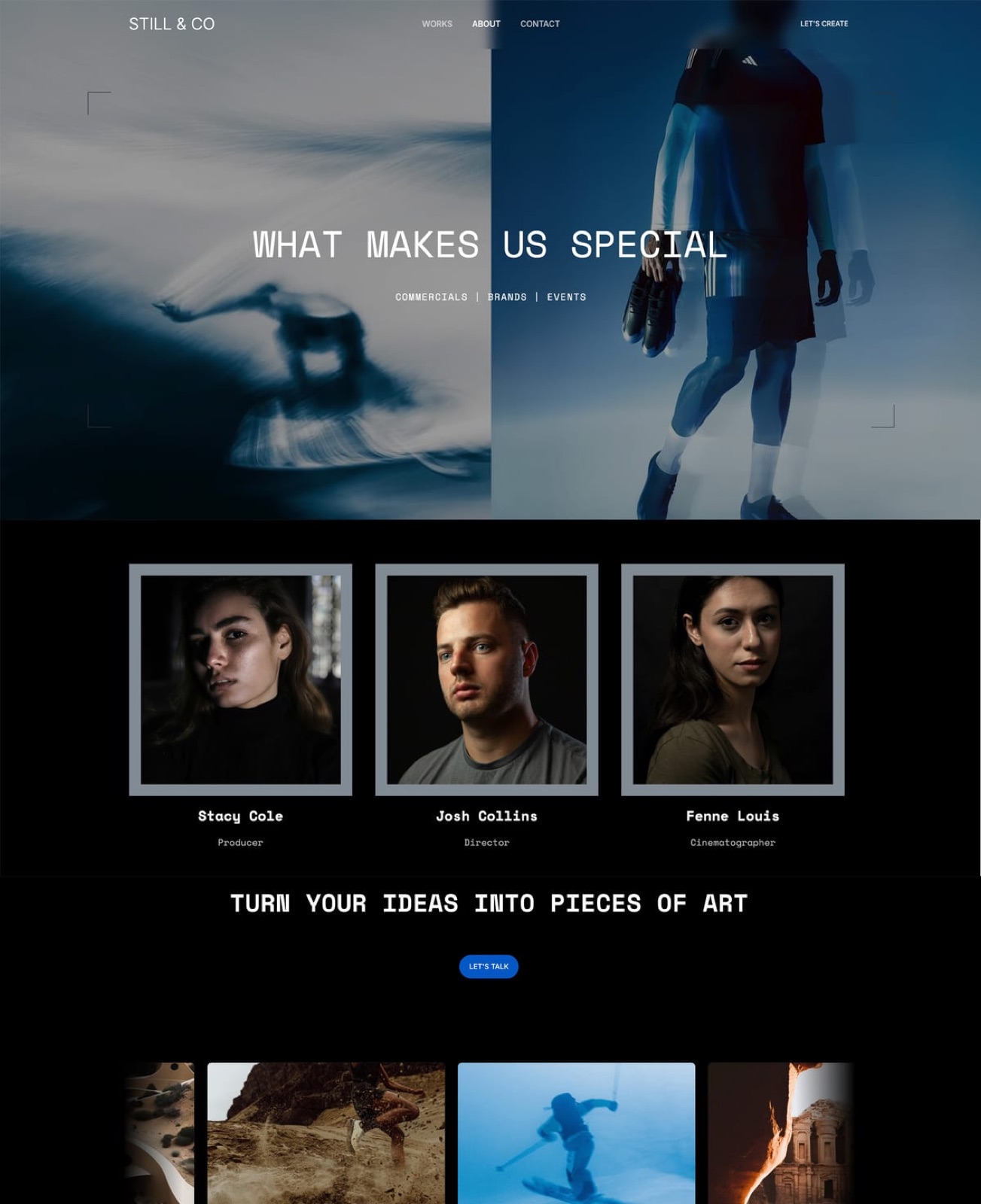
Start from a designer-made template
 Use template
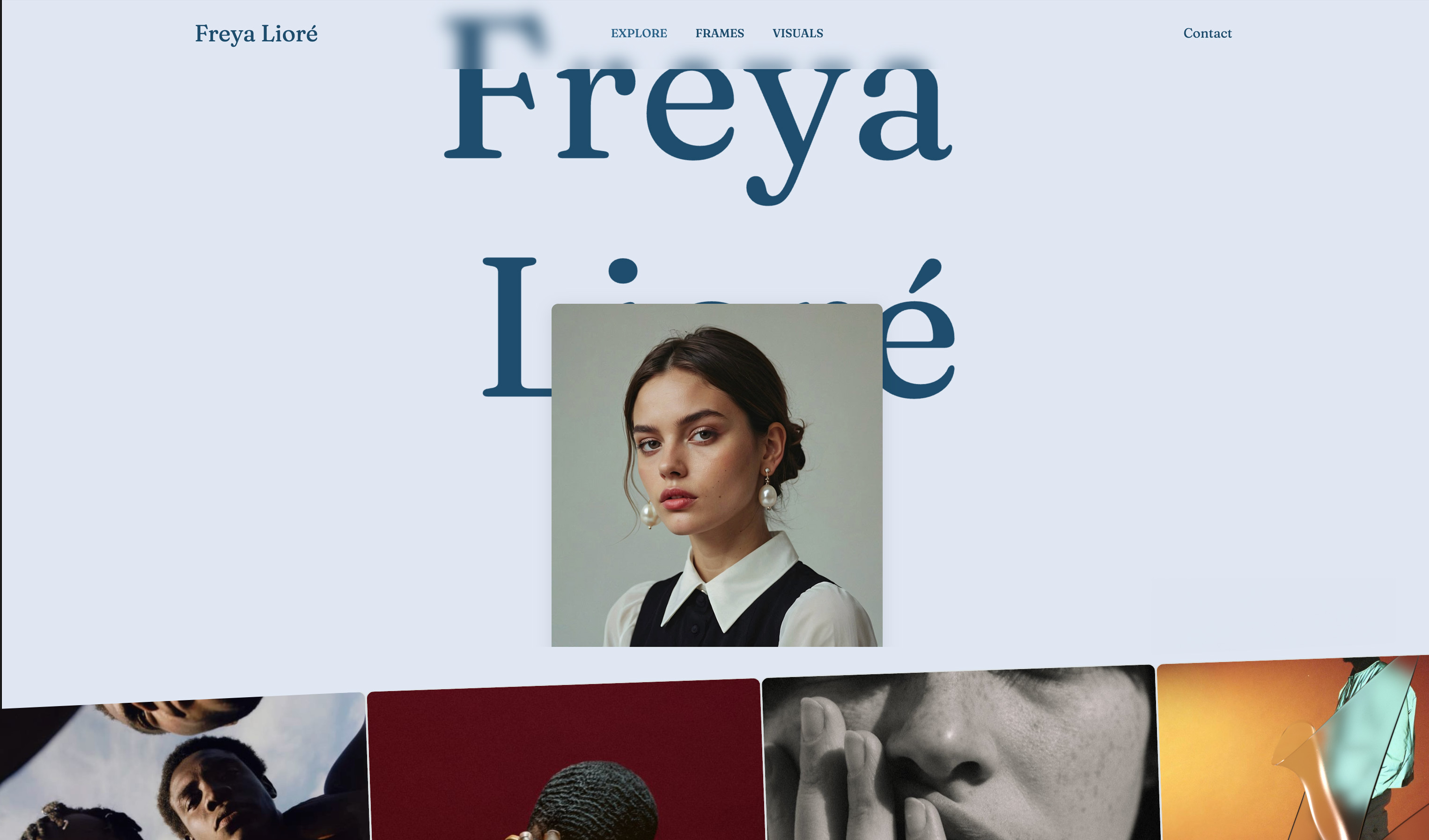 Use template
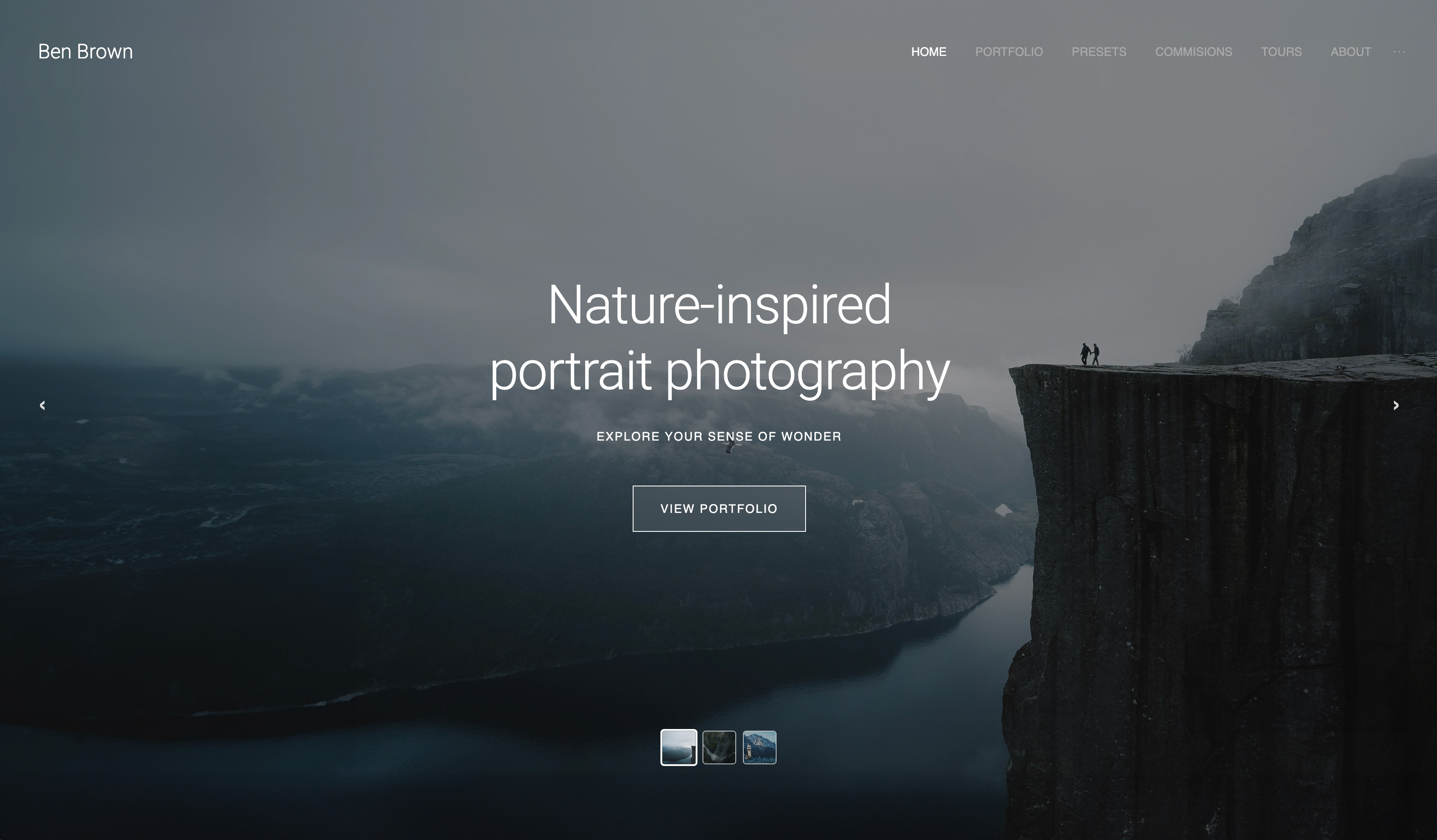 Use template
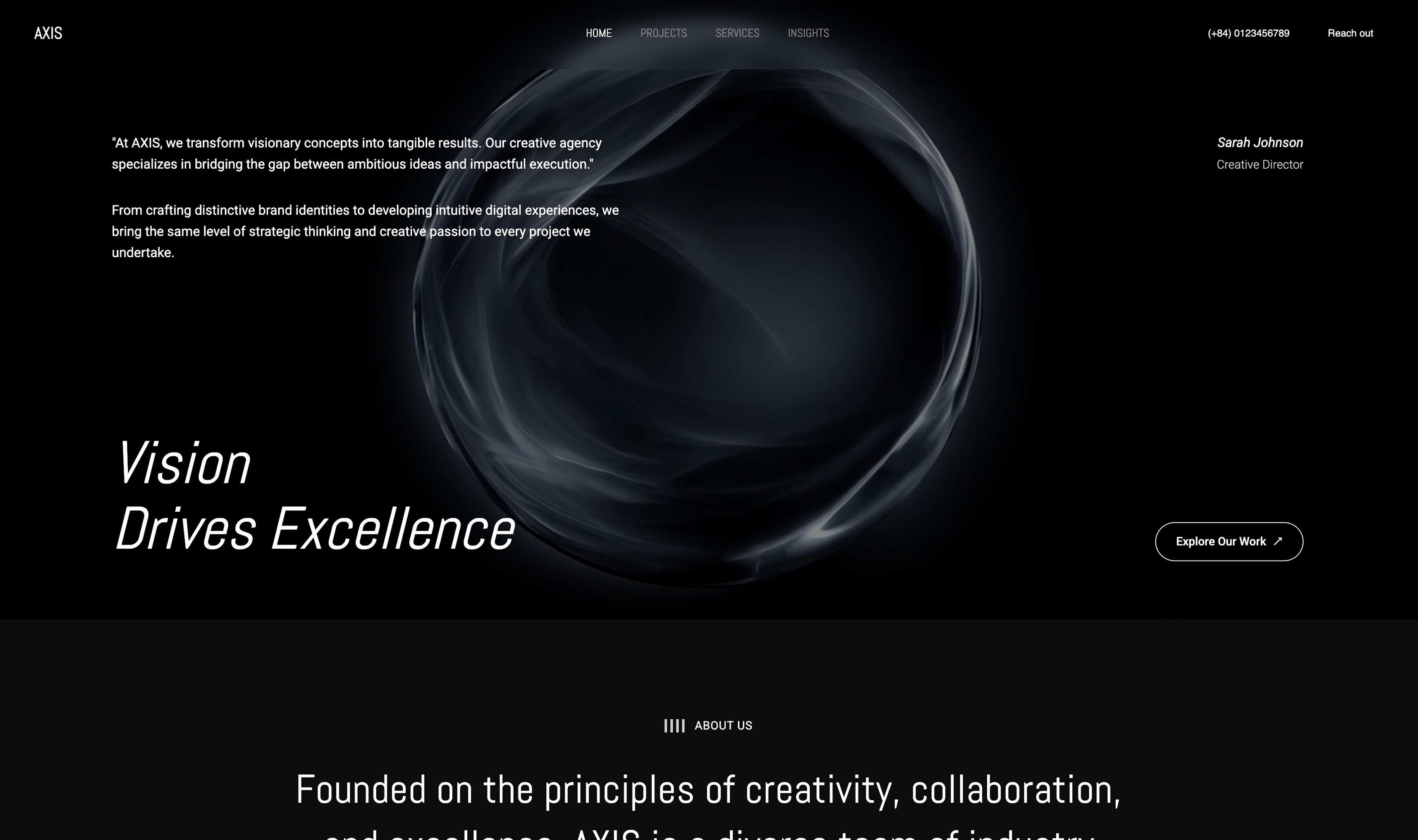 Use template
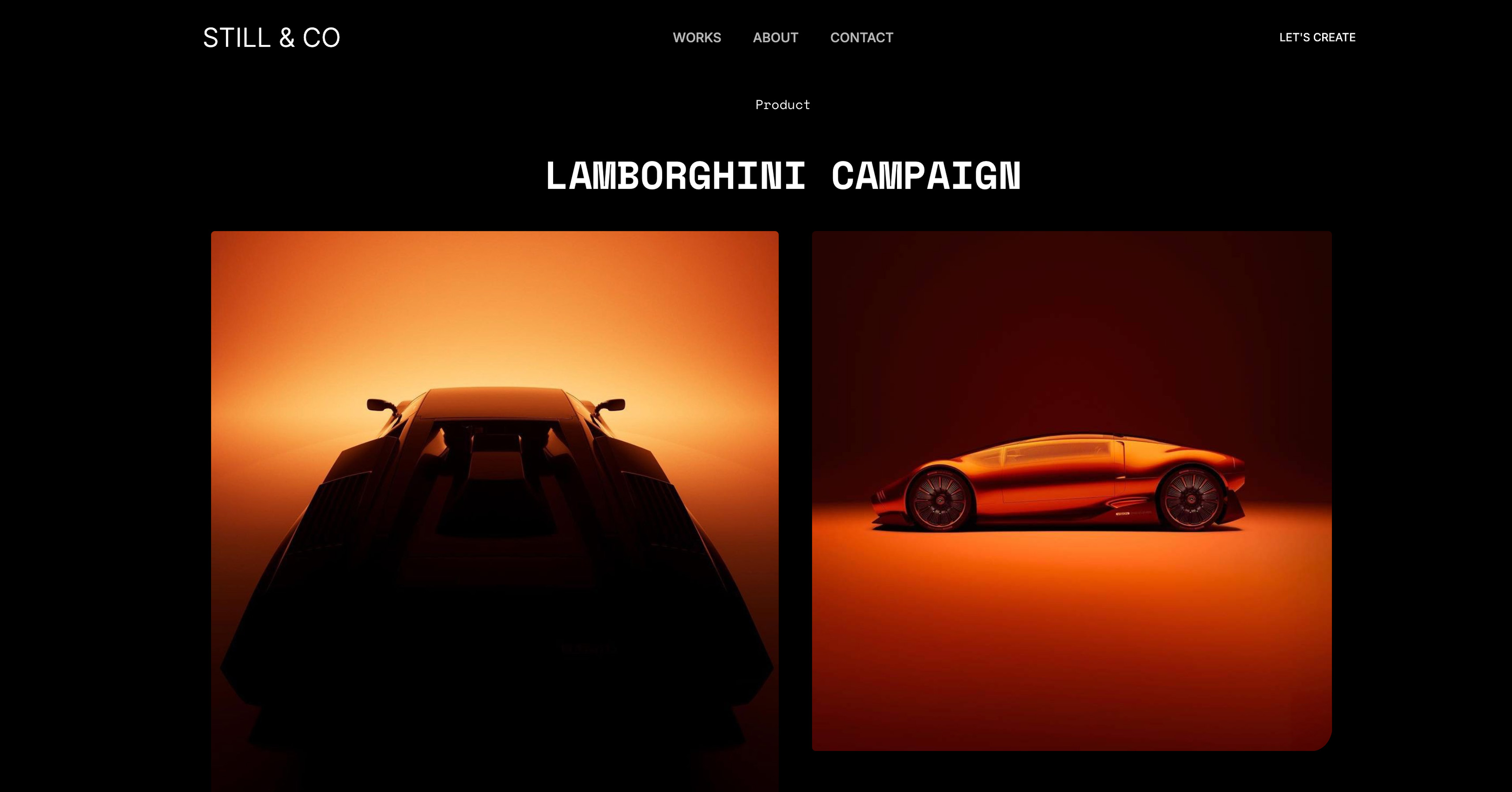 Use template
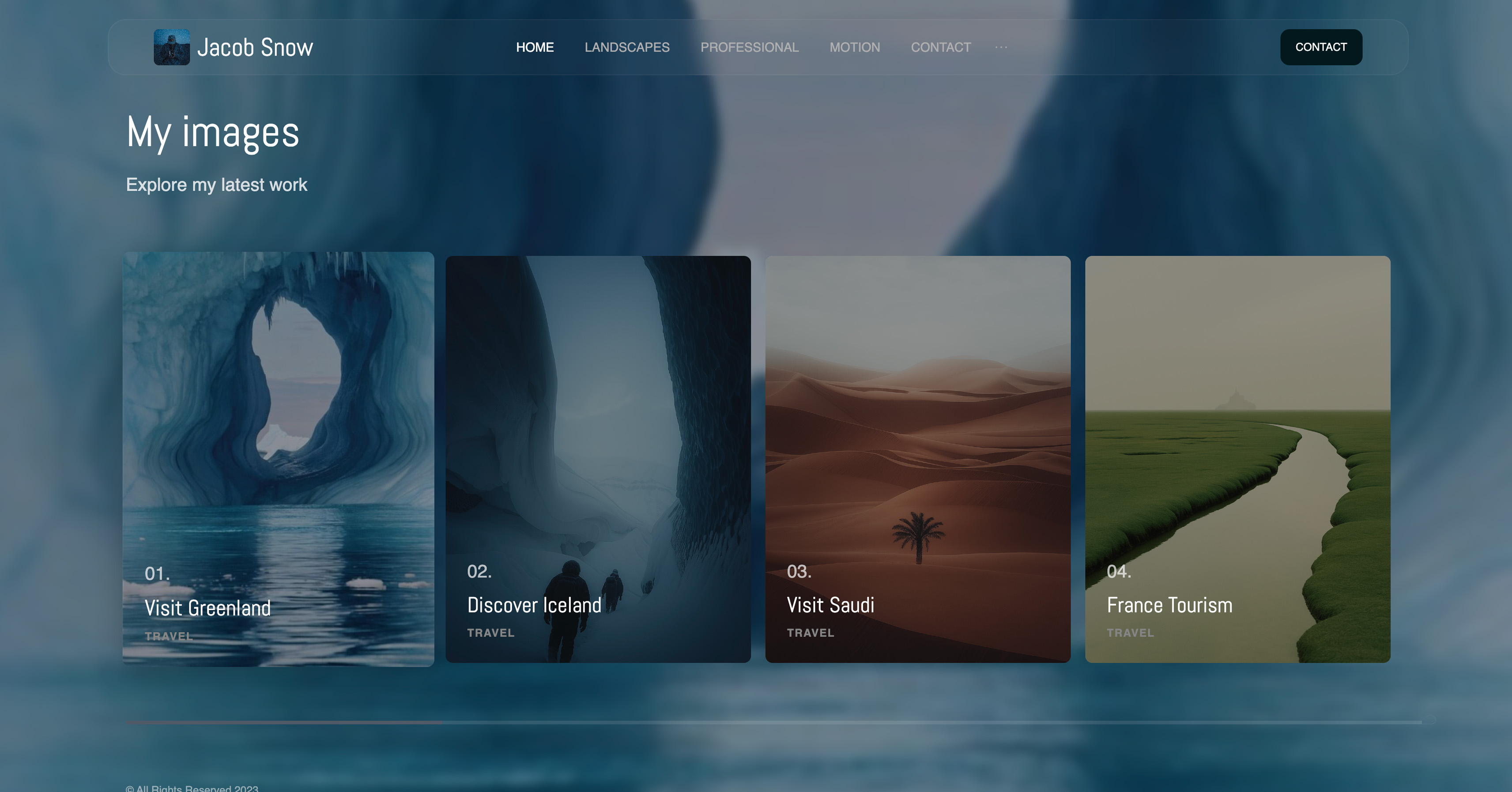 Use template
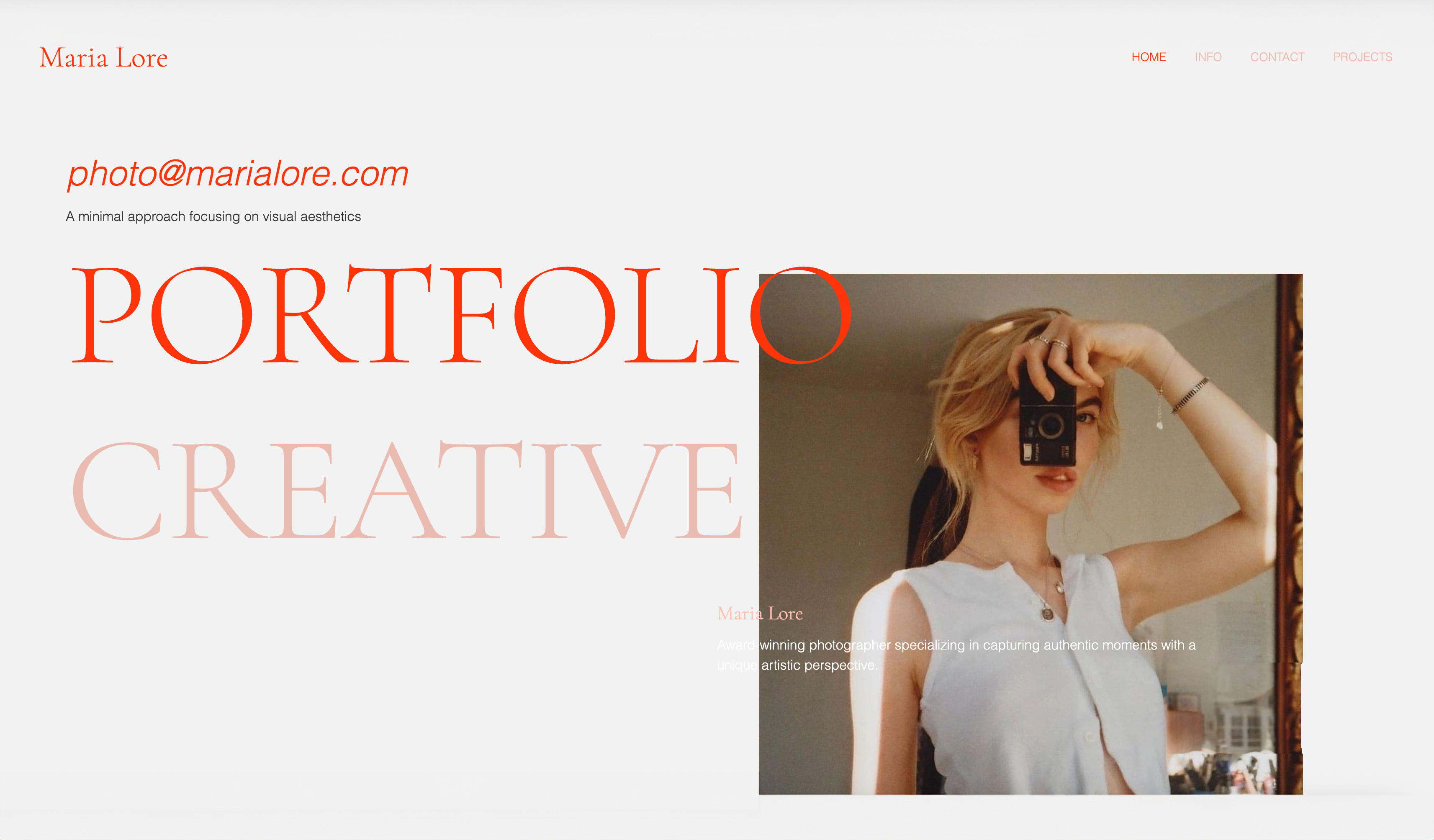 Use template
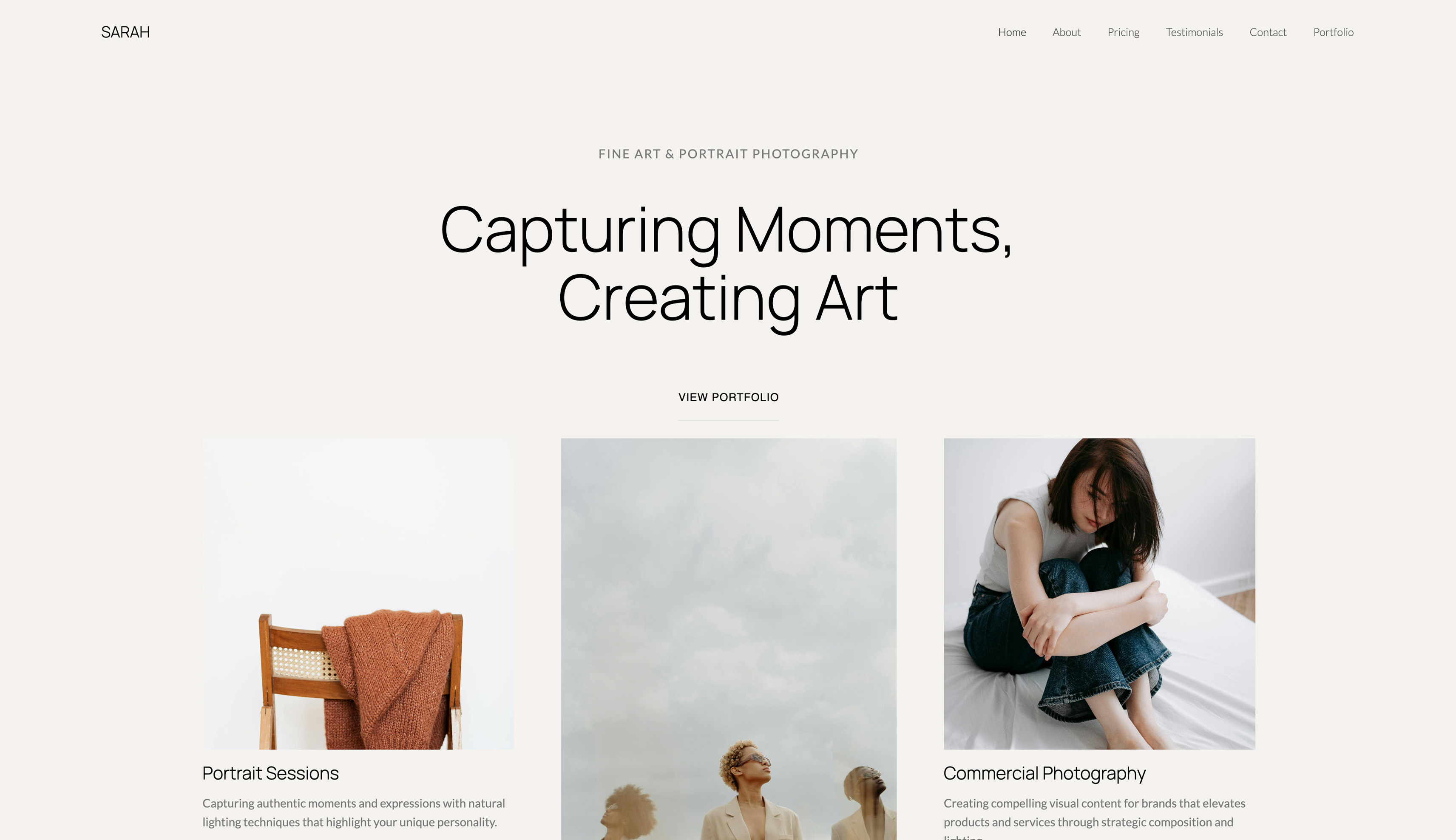 Use template
You want to build a portfolio with no client work, and every piece of advice you have read opens with "show your best client projects". So you wait, the portfolio stays at zero projects, and the reason you have no clients is that you have no portfolio.
Here is what breaks the loop: an art director looking at a finished frame has no way to tell whether money changed hands. They see the light, the casting, the crop and the order the images are in.
The invoice is not visible in any of those four things. Three free weekends, a camera you already own and $40 of props is enough input for two finished projects, and two finished projects is a portfolio.
A portfolio with no client work is a body of self-directed projects, each one briefed, shot and edited to the standard you would apply to a paid job, and labelled honestly so nobody mistakes it for commissioned work.
It is evidence of judgement rather than evidence of employment, and judgement is the thing you are actually being hired for.
Build the portfolio out of self-directed projects with a written brief, because a project you set yourself shows the same craft as a paid job and gives you something a weak client job never does, which is a point of view you chose.
Pick one job you want to be hired for, run two of the six project formats below over the next six weeks, label every piece plainly as personal, concept or collaborative, and publish two to four finished projects rather than forty loose frames.
Framekit hosts that site at $0 with SSL, a CDN and a contact form, and three project pages plus an about page and a contact page uses five of the free plan's ten, so the first year costs nothing; Squarespace Basic is EUR 132 for the same year paying annually, and Behance and Instagram are where work gets discovered by people who were not looking for you.
Full disclosure: Framekit is our product, so treat the recommendation to use its free plan as interested rather than neutral, and check the free tier against Squarespace and anything else you are weighing. The outside prices and rules below were read on the owner's own page in September 2026 and linked at the point of use. Framekit is not a community and will not put your work in front of strangers the way a feed does, it runs no print lab, and it does not produce the model releases or trade agreements that two of the six formats below need.
How this guide was put together
Six pages were read on their owner's own site in September 2026, three of them US government pages, and every price is quoted in the currency that page served us instead of converted at a rate we invented.
Read at the source. Each rule and price below is linked at the point it is used: the Cannes Lions rules and eligibility criteria, the US Copyright Office general FAQ and its explainer on what copyright protects, the USPTO's page on what a trademark is, Adobe's Creative Cloud photography plans and Squarespace pricing.
Calculated. The carried example is a photographer with no paying clients, three free weekends inside six weeks, a camera they already own and $40 to spend.
Every count in this guide is arithmetic on those four inputs, written out so you can rerun it with two weekends or with $0.
No invented benchmark. Articles that tell you a first portfolio needs 8 to 12 images are quoting each other, not research: no primary source publishes that figure, so this guide replaces the count with a test you can run out loud on the folder you already have.
The numbers a first portfolio actually turns on
Six figures decide what you can shoot in the next six weeks, what the year costs you and where the work can live, and every one of them was read on the owner's own page in September 2026.
- $0 for 12 months: the Framekit free plan, with hosting, SSL, a CDN, SEO controls, site analytics and a contact form, 10 pages and 10GB of storage. It carries a Framekit badge and no custom domain until you pay $9 a month, or $7 a month buying a year at once, which is $84.
- US$143.88 a year: Adobe's Lightroom plan with 1TB at US$11.99 a month, annual billed monthly; the Photography plan at US$19.99 works out at US$239.88. If either is already on your card, editing is a sunk cost and the portfolio adds nothing to it.
- EUR 132 a year: Squarespace Basic at EUR 11 a month paying annually, as served to this research for European buyers. Paying month to month at EUR 15 makes it EUR 180, so the annual commitment is the EUR 48 discount for deciding in advance.
- The moment it is created: when copyright attaches to your work, according to the US Copyright Office, which says a work "is under copyright protection the moment it is created and fixed in a tangible form".
- 15%: Pixieset's commission on gallery store sales on its free tier, so $300 of prints returns $255. Framekit charges 0% on prints because it has no print lab at all, which is a limitation and not a discount.
- 2 of 6: the project formats below that one person can actually finish in six weeks, working three free weekends.
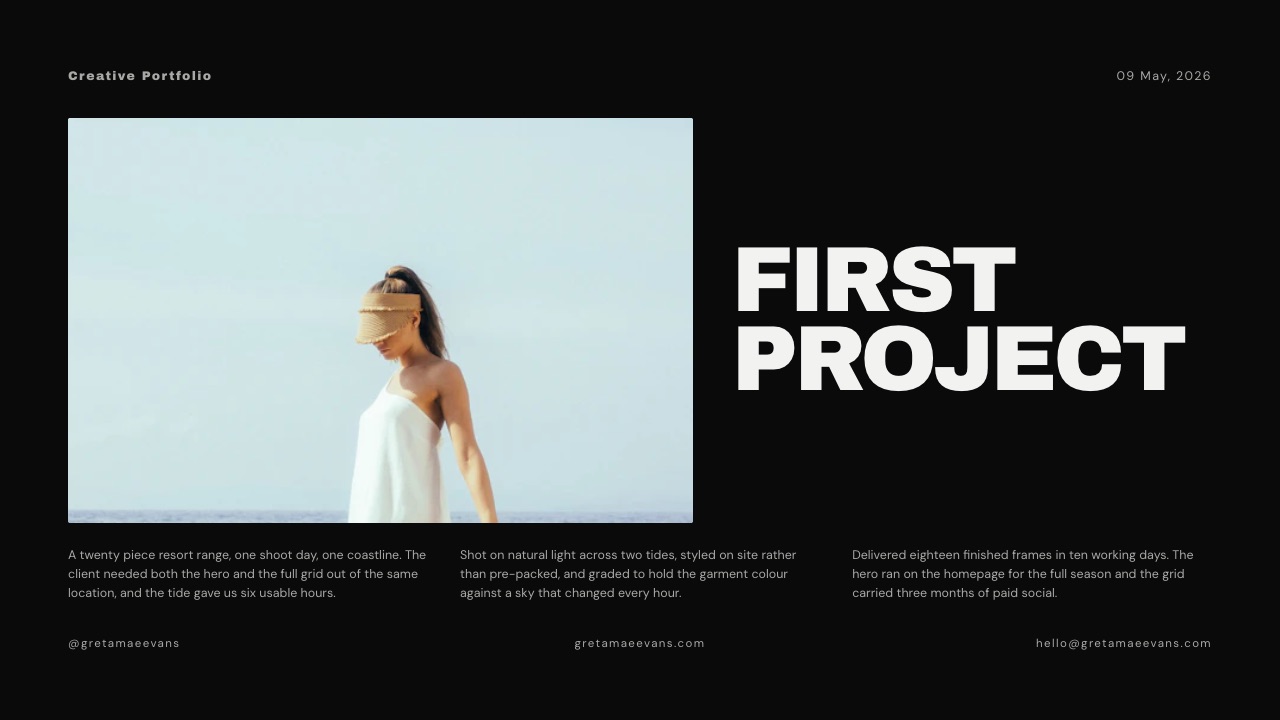
Step 1. Decide the one job you want to be hired for
Name the one job you want to be paid for before you shoot anything, because a portfolio trying to prove you can do four different jobs proves you are a beginner at all four, and the person hiring is looking for the safest available choice.
The job is a sentence, not a genre. Not "photography" but "product photographs for small skincare brands who sell on their own site". Not "video" but "2 minute founder interviews for B2B software companies".
Each word you add to that sentence removes a weekend of wondering what to shoot.
The thing that goes wrongyou pick the job with the highest day rate instead of the one you can shoot twice in the next 30 days with the kit in your bag. A portfolio built on a job you cannot practise stalls at one piece, and one piece is not a portfolio.
The concrete examplethe photographer in the carried example wrote "product photographs for small skincare brands".
That single sentence settled the next three decisions at no cost: tabletop format, a window at home, and three products bought at retail for $40 total. What makes a good photography portfolio covers the same narrowing from the viewer's side.
In one lineOne named job written as a full sentence settles your format, your location and your budget for all six weeks that follow, which is why it is the only step here that cannot be skipped and caught up later.
Step 2. Choose two of the six project formats and put dates on them
Pick two formats from the table below and put two calendar dates against them today, because the difference between a portfolio and an intention is a date, and six weeks holds two projects only if each one is scoped to a single shooting day.
Each of the six formats proves a different thing to a buyer, and each fails in its own specific way rather than in a general one.
| Project format | What it costs you | What it proves to a client | The trap |
|---|---|---|---|
| Self-assigned brief | A day, plus props | That you can work to a brief, because you wrote one first | Writing the brief after the shoot, which turns it into a caption |
| Creative trade | A day, plus coordination | That you can direct people and hold a look across a team | No written usage agreement, so two people publish different crops |
| Free shoot for a local business | A day, plus editing | That real deliverables land on a real deadline | Unbounded scope, because nobody wrote down what "some photos" means |
| Long-term personal series | Hours spread over months | Persistence and a point of view, which is the rarest thing you can show | Never finishing it, so it stays unshowable for a year |
| Recreation study | An evening | Technical control, because you rebuilt a lighting setup on purpose | Publishing it as your own idea rather than as a study |
| Volunteer or non-profit job | A day, plus editing | That you deliver under real constraints for a named organisation | Treating it as lower stakes, which the organisation notices |
The thing that goes wrongyou start four formats instead of two, and six weeks later you own four folders of raw files and nothing publishable. The cost is not the wasted weekends, it is that the editing time each project needs got split four ways and none of them crossed the line.
The concrete examplethe carried photographer shot the self-assigned brief on the first weekend, kept the second weekend clear to edit it, and shot the free job for a local business on the third.
That is three weekends in, two case studies out, and none of the six weeks spent deciding what to do next.
In one lineTwo formats with real dates against them inside six weeks produce two finished projects, which is a portfolio, while four formats and no dates produce four folders, which is a hard drive.
Step 3. Label every piece honestly, and write the label before you shoot
Decide what each project will be called on your site before you make it, because that one line of text is free to write the week before the shoot, it changes what you are allowed to do on the day, and retrofitting it to work you already published as something else is where reputations get damaged.
The advertising industry has already written this rule down for itself, in three clauses.
The Cannes Lions eligibility criteria state that an entry "is not speculative or conceptual advertising and has not been banned or withdrawn from the market", that the work was "created within the context of a normal paying contract and genuine brief from a brand", and that a senior executive at that brand gave permission for it to be entered.
You are not entering an award, and none of those clauses bind you. The distinction bites anyway, the moment a stranger reads your site and assumes a brand hired you.
| What it actually was | How to label it | What you must not do |
|---|---|---|
| Paid or formally briefed by a client | Name the client and the year | Name a client who never briefed you |
| You set the brief yourself | "Personal project" or "Self-directed" | Imply a commission by writing the category as if it were a client |
| A concept built around a real brand | "Concept. Not commissioned by" and the brand name | Present it with the brand's own logo lockup as approved artwork |
| Swapped work with other creatives | Credit every collaborator by name and role | Crop the credit out on social |
| Donated to an organisation | Name the organisation and say the work was donated | Let it read as a paid commercial engagement |
| A study of someone else's published image | "Lighting study after" and the original photographer | Publish it without crediting the original |
Two legal facts sit under that table.
The US Copyright Office states that your work "is under copyright protection the moment it is created and fixed in a tangible form", so the frames from a self-directed shoot are yours at the shutter click, with no paperwork required for the copyright to exist; registration is a separate step that matters only if you have to sue over a US work.
The USPTO explains that a trademark "can be any word, phrase, symbol, design, or a combination of these things that identifies your goods or services", which is why a company's mark on a concept piece is a different category of risk from a photograph of their product on your own table.
The thing that goes wronga concept piece goes out with the brand's name in the caption and no label.
It gets reshared, the label never travels with the crop, and a brand you wanted on your client list now has you filed as someone who takes liberties with their mark.
Preventing it costs the four words "Concept, not commissioned by" and the brand's name, typed once, before you post.
The concrete examplethe carried photographer captioned the first project "Self-directed. Skincare still life, natural light, 3 products sourced at retail." That is 11 words of label, and the case study under it explains the brief, which buys more attention than a client name does.
In one lineWriting the honest label before the shoot instead of after it changes what you do on the day, stops a concept piece reading as an endorsement, and costs one line of text against a client relationship that can take years to repair.
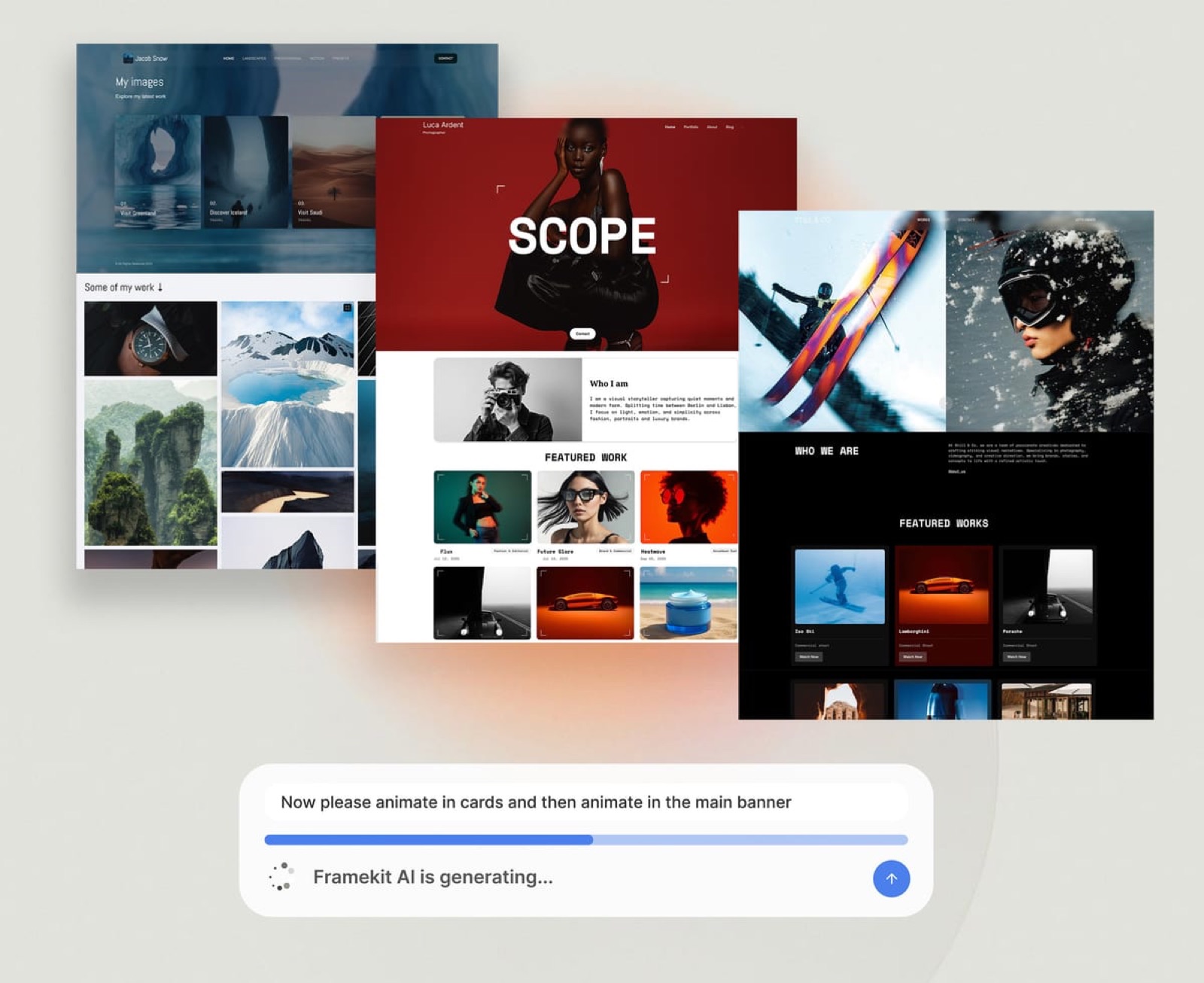
Step 4. Run the unpaid shoot exactly like a paid one
Bring the same four documents to the unpaid shoot that you would bring to a paid one, because those documents are what produce the result, and a day with no brief, no shot list and no deadline reliably produces a folder of files instead of a project.
The four documents take about 20 lines between them. A one paragraph brief saying what the pictures are for. A shot list naming the frames you must not leave without.
A call sheet with a time, an address and every phone number, even when the crew is two people. And three or four sentences on what each collaborator may publish, in which crop, and from what date.
That fourth one is the one beginners skip.
On a trade shoot there is no client to arbitrate, so when a stylist posts their own grade of the hero frame six days before your launch, the only thing that could have stopped them is an agreement nobody wrote.
Framekit will not produce that document and neither will any other portfolio tool: it is a note in a shared thread, and it has to exist before the day.
The thing that goes wrongyou shoot 400 frames with no shot list, and at the edit the frame the story needs is the one you never took.
Reshooting costs a second weekend out of the three you had, which is a third of the whole plan spent recovering a single image. How to write a creative brief goes deeper than a first project needs, so take a quarter of it.
The concrete examplethe skincare shot list held six frames: a hero on white, a hero in situ, a texture macro, a group of three, a hand-held scale shot and one deliberately imperfect lifestyle frame. Five made the case study. The sixth is the reason there were six on the list.
In one lineA brief, a shot list, a call sheet and a written usage note turn a free afternoon into a deliverable, and missing any one of the four is the most common reason a personal shoot stays on the drive and never becomes a portfolio piece.
Step 5. Write the case study that makes unpaid work readable
Publish each project with a five paragraph case study, because a self-directed project has no client name to lean on and has to explain itself, and the explanation is where your judgement becomes visible to a buyer who cannot tell a decided crop from a lucky one.
The five paragraphs, in this order. Paragraph 1: the brief you set yourself. Paragraph 2: the constraint, which on a first portfolio is a budget under $50 or the 4 hours of usable daylight you had.
Paragraph 3: one decision and the alternative you rejected. Paragraph 4: what you would change. Paragraph 5: what a client would commission this for.
Paragraph 3 is the one that earns the fee. Anyone can post a picture.
"I lit this from a window at 4pm instead of with two strobes because the brand's own photography is soft and these frames have to sit beside it" is the sentence that gets you hired, and an unpaid project is where you own that decision instead of inheriting it.
The thing that goes wrongthe case study becomes a diary. Rain and a fallen-through location do not earn a word unless the rain is why the pictures look the way they do. Cut every sentence that does not change how the reader sees the frames above it.
The concrete examplethe skincare case study ran 180 words, named the constraint as a $40 prop budget, and spent two sentences on warm white versus pure white as the background.
A brand reading those two sentences learns that you think about where their images will sit. Case study templates for designers has structures you can borrow wholesale.
In one lineThe five paragraphs naming the brief, the constraint, one rejected alternative, one regret and the intended use turn an unpaid shoot into an argument about judgement, which is the thing a client is actually paying for.
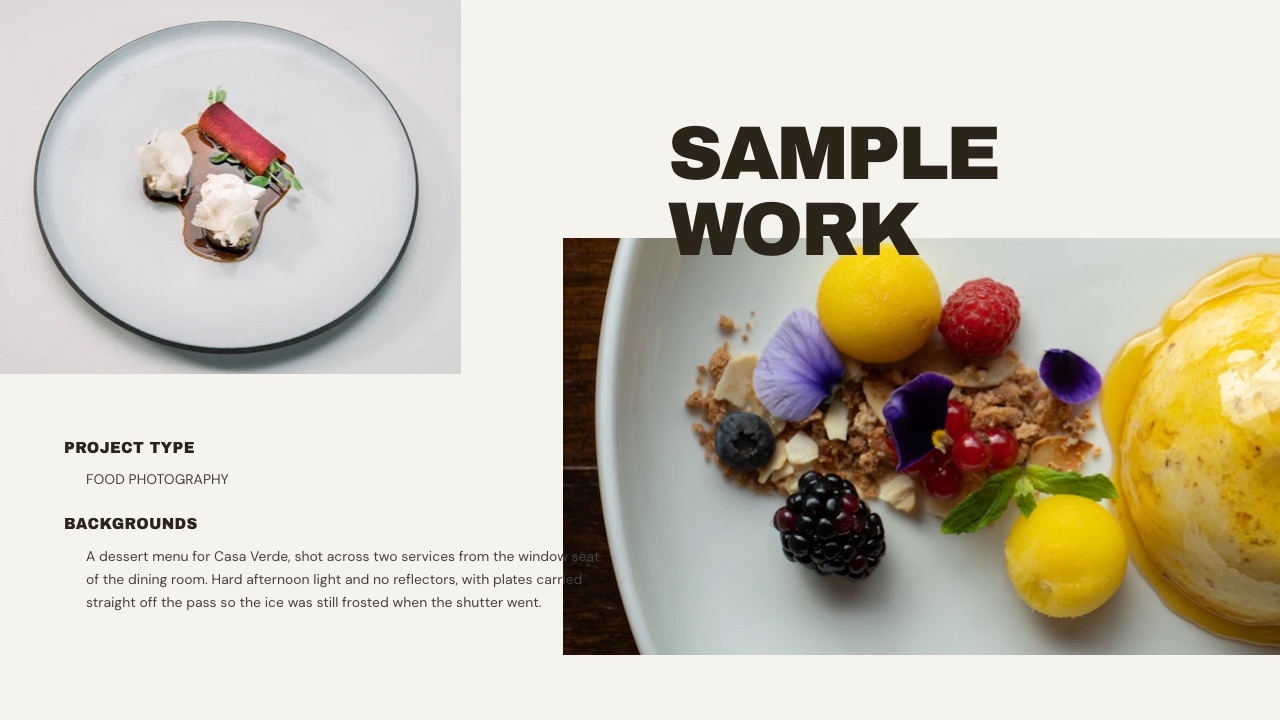
Step 6. Cut to the number of pieces you can defend out loud
Cut to the frames you can justify one at a time, in one sentence each, because no primary source publishes the number of pieces a first portfolio needs and every article that hands you 8 to 12 is quoting another article that also made it up.
Run the arithmetic on your own output instead. Two shoots a month for three months, keeping four frames from each, is 24 frames, which sequences into three or four projects. That is a portfolio.
Then apply the test the count cannot do for you: say out loud, for each frame, why it is there and what it proves. Anything that survives only on "I like it" comes out.
What to leave out, specifically. The second and third near-identical frame from one setup, because a buyer reads three versions of the same picture as an inability to choose, and choosing is the service.
Work in a genre you do not want to be hired for, which is the fastest known route to being hired for the wrong thing. Anything whose making you would rather not walk someone through. Your first attempt at a format, kept for sentiment.
And screenshots of follower counts, which prove reach, not craft, and belong in a media kit.
The thing that goes wrongyou add instead of cutting, because adding feels like progress and deleting feels like losing a day's work. Past four projects a portfolio improves almost entirely by subtraction, so the rule is one out for every one in.
The concrete examplethe carried photographer ended the six weeks with two projects and nine published frames out of roughly 700 shot, which is 1 frame in 78, and added a third project the month after. How many photos a portfolio should have argues the count in full, and the portfolio mistakes guide covers what the other 691 frames would have cost you if you had published them.
In one lineCutting to the pieces you can defend out loud replaces a number nobody can source with a test that takes nine sentences for nine frames, and it lands you somewhere sharper than any target count would.
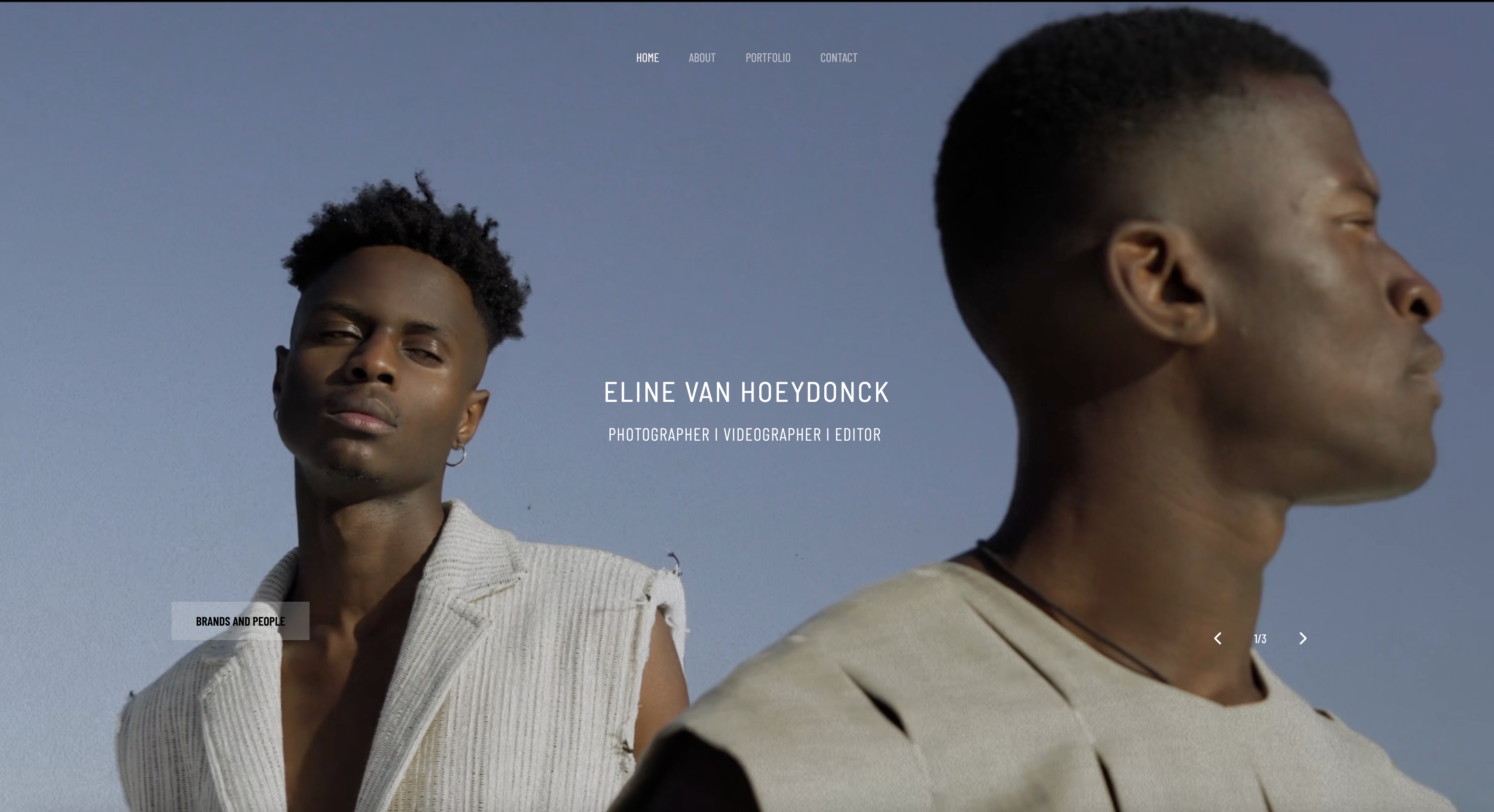
Step 7. Publish it where a client can find it and reply
Put the work on a site you control with a way to contact you on all three project pages, because a feed post is buried within 24 hours and a PDF reaches nobody who was not already sent it, and the commonest failure in a first portfolio is that an interested stranger has nowhere to reply.
Framekit is an AI website builder that lays out each section from a written description of what should be in it, and the $0 plan covers the whole list a first portfolio needs: hosting, SSL, a CDN, SEO controls including titles, descriptions and a sitemap, site analytics, and a contact form whose submissions land in your dashboard.
Three project pages, an about page and a contact page is 5 of the 10 pages that plan allows, and the 10GB of storage is one pool shared with galleries and video, holding 100 files at the 100MB per-photo ceiling.
The trade is a Framekit badge and no custom domain until you move to Starter at $9 a month, or $84 for 12 months paid at once.



| Where to publish | Price read in September 2026 | What it does not do |
|---|---|---|
| Framekit free plan | $0 for year 1, then $0 or $84/yr on Starter for a custom domain | 10 pages and 10GB; Framekit badge until you pay; no print store; no audience of strangers |
| Squarespace Basic | EUR 11/mo annually (EUR 132/yr), EUR 15 monthly (EUR 180/yr), European pricing | 14 day trial, then a card; nothing free to sit on while the first 2 projects get shot |
| Adobe's Lightroom plan | US$11.99/mo annual billed monthly (US$143.88/yr); Photography US$19.99 (US$239.88/yr) | An editing subscription, not a website; the photography page read this session lists no portfolio builder |
| Instagram or Behance | $0 | No control of order and layout, no contact form you own, and the post is buried within 24 hours |
The thing that goes wrongthe site ships with one contact route, on a contact page, at the end of a menu.
A reader who liked the second project has to leave the page they are convinced on and find another one, and the drop-off between those two clicks is where enquiries die. Put the same next step at the foot of all three project pages.
The concrete exampleThree projects, one about page carrying a photograph of an actual person, one contact form, and one line under each project naming what that work starts at.
That pricing line is doing filtering work: every enquiry it turns away is an hour you were going to spend on a budget that was never there.
In one lineA site you control, with the same contact form under all three projects, turns a portfolio from something you can send into something that can be found, and on the $0 plan it is the only step here with no price attached.
Turning the first enquiry into a paid booking
In one lineThe first enquiry off a self-directed portfolio arrives with no budget attached and two unasked questions behind it, so the first reply has to put scope and a number on the table before the thread dies of politeness.
Reply inside 24 hours with exactly three things: one question about what the pictures are for, one sentence naming a starting price for that kind of work, and one date you are free.
Those three answer the two questions the enquirer is too awkward to ask, which are what it costs and whether you are a real business.
Quoting with no track record is the awkward part.
Price on what the images are worth to the buyer, not on your confidence, and quote for a named deliverable such as 12 retouched frames rather than for a day of your time, because a day rate invites a conversation about how many hours it took. How to price photography has the frameworks, and how to get your first photography clients covers where enquiries come from.
When the first paid job lands, do two things on the day the client is happiest: ask for permission to publish, and swap your weakest self-directed project out for it so the site stays at three projects instead of growing to four.
Which version of this plan fits you
Work down these five questions and stop at the first yes, because which first portfolio is right for you turns on what you can get access to in the next 30 days, not on what kind of creative you intend to become.
Do you have one paid job in your past you are allowed to show? If yes, lead with it and put two self-directed projects behind it. A single real commission changes how the two unpaid ones are read, so do not bury it for being three years old.
Can you get people, a location or products for free this month? If yes, take the creative trade or the free local business shoot, because access is the input you cannot buy for $40 and it expires.
If not, the self-assigned brief and the recreation study need daylight and the kit you own.
Are you aiming at brands and agencies? If yes, the case study outranks the frames, and concept work carries its label every single time, because an agency reads one unlabelled spec piece as a forecast of how you will behave with their client's mark.
Do you want to sell prints from this work? If yes, Framekit is the wrong tool for that half and we will not pretend otherwise: we sell digital files only and run no print lab.
Pixieset starts at $0 with 3GB and takes 15% of gallery store sales, and Pic-Time or ShootProof cover the same job.
Starting from nothing this weekend? Take the self-assigned brief: shoot Saturday, edit Sunday, write the 180 word case study Monday, publish on the $0 plan Tuesday. That is four days to one published project, against six weeks spent planning six.
Frequently Asked Questions
Can you get hired with a portfolio that has no client work?
Yes. A viewer cannot tell from a finished image whether money changed hands, because the four things a client is buying are the lighting, the casting, the crop and the sequence, and a self-directed project carries all four.
What you give up is one thing, a recognisable client name, and you replace it with a 180 word case study naming the brief you set and the decision you took.
For a small brand choosing between three photographers, that paragraph does more work than a logo does.
Is spec work bad for your career?
Unpaid work you assign yourself is not spec work in the sense the industry objects to.
Speculative work means producing finished creative for a specific prospective client, for free, in the hope of winning the job, and the objection is that it devalues the work and shifts all risk onto the maker.
A self-directed project with your own brief is a different thing entirely, because nobody is receiving free labour. The distinction to hold is whether an identifiable buyer is getting work they would otherwise have paid for.
How do you label a personal project so it is not mistaken for client work?
Write the label in the first line of the project's own page, before the images, using plain words: "Personal project", "Self-directed", "Concept, not commissioned by" and the brand name, or "Collaboration with" and every collaborator's name and role.
Put the same wording in the caption wherever you post it, because the crop that circulates on social is the one that travels without context.
The Cannes Lions eligibility criteria draw the same line for awards, describing entries that are "not speculative or conceptual advertising".
How many pieces should a first portfolio have?
There is no sourced number, and the articles that hand you 8 to 12 are quoting each other. Use the test instead: keep every frame you can justify out loud in one sentence naming what it proves, and cut the rest.
In practice, two shoots a month for three months at four keepers each is 24 frames, which sequences into three or four projects and publishes at 9 to 15 frames.
If you cannot say why a frame is there, it is there for you and not for the person hiring.
Can you put a concept project for a real brand in your portfolio?
You can, with the label attached and without the brand's own logo lockup presented as approved artwork.
The USPTO describes a trademark as something that "identifies your goods or services", which is why using a company's mark in a way that suggests they endorsed or commissioned the work is the part that causes trouble rather than photographing a product you bought.
Say plainly that it was not commissioned, credit nothing to the brand, and accept that some agencies will still prefer you had invented a fictional one.
Do you own the copyright in a personal project?
In the United States, yes: the Copyright Office states that a work "is under copyright protection the moment it is created and fixed in a tangible form", so pictures from a shoot you assigned yourself belong to you from the moment you take them, with no registration required for the copyright to exist.
Registration is a separate step that matters if you ever need to bring an infringement suit over a US work. Collaborators and recognisable people are a different question, governed by the agreement and releases you did or did not get.
Should you work for free to get portfolio pieces?
Work for free on projects you control, and be careful about working free for businesses. A self-assigned brief costs one day and $40 of props and produces work you own outright from the shutter click.
A free shoot for a local company is worth doing once, for the deadline pressure, and it goes wrong when nobody writes down what "some photos" means.
Fix that in three numbers before you agree: how many finished images, by which date, and for which uses. Do it once, not as a business model.
Portfolio website or Instagram for a beginner?
Both, doing two different jobs. A feed puts work in front of people who were not looking for you, which no website can do.
A site you control fixes the order the work is seen in, holds the 180 word case studies, and gives an enquiry an address that still exists in three years.
The failure is publishing only to a feed, where a post is buried within 24 hours and the only contact route is a direct message in a folder you may never open. A free plan removes the cost argument: $0 covers hosting, SSL and 10 pages.
What should a beginner leave out of a portfolio?
Leave out the second and third frame from a single setup, work in genres you do not want to be hired for, your first attempt at anything kept for sentiment, and follower-count screenshots, which belong in a media kit.
Leave out any project whose making you would rather not walk through, because on a first call you will be asked how you made one of them.
Past four projects a portfolio improves by subtraction, so run it at one out for every one in: nine strong frames beat 30 frames with nine strong ones inside them.
How do you turn a first enquiry into a paid booking?
Answer within 24 hours and put three things in the reply: what the images are for, the price that kind of work starts at, and a date you are free.
The number is the part people leave out, and leaving it out is what kills the thread, because the enquirer will not ask and will quietly go elsewhere.
Quote a named deliverable, such as 12 retouched frames, instead of a day rate, and carry the same starting price on all three project pages so the question is half answered before anyone writes to you.
Final Verdict
Pick one job, run two of the six formats across six weeks, label each piece before you shoot it, write 180 words of case study under each, cut to nine frames you can defend out loud, and publish on a site you control with the same contact form under all three projects.
That plan needs no clients, three free weekends and $40, and it ends with a portfolio a small brand can actually buy from.
Verdict: Self-directed projects with written briefs and honest labels beat weak client work, because the portfolio is being read as evidence of judgement rather than as proof of employment.
Where Framekit loses is discovery, print and paperwork, and all three matter in this plan.
We host the site at $0 with SSL and a CDN, but we have no audience of our own to show it to, so the people who were not already looking for you still come from Instagram and Behance and you should keep posting there.
We sell digital files only and run no print lab: on $300 of prints Pixieset's free tier takes 15% and we take nothing because we cannot sell them at all, which makes Pixieset, ShootProof or Pic-Time the better fit for that half of the business.
We do not produce contracts, model releases or trade agreements, and two of the six formats above need one written before the shoot, not after it.
And the $0 plan carries our badge and no custom domain until you pay $9 a month, which is worth naming before you choose it rather than after.
Related readingwhat makes a good photography portfolio covers the judgement side in more depth, free portfolio websites without a subscription compares the no-card options, moving from Instagram to your own website is the migration version of step seven, how to get clients from your website picks up where the first enquiry section stops, and portfolio websites for students is the version of this for people still studying.
Once paid work starts arriving, how to get testimonials from photography clients turns it into proof, and how to run a brand shoot from pitch to delivery follows one commercial job from the deck to the handover.