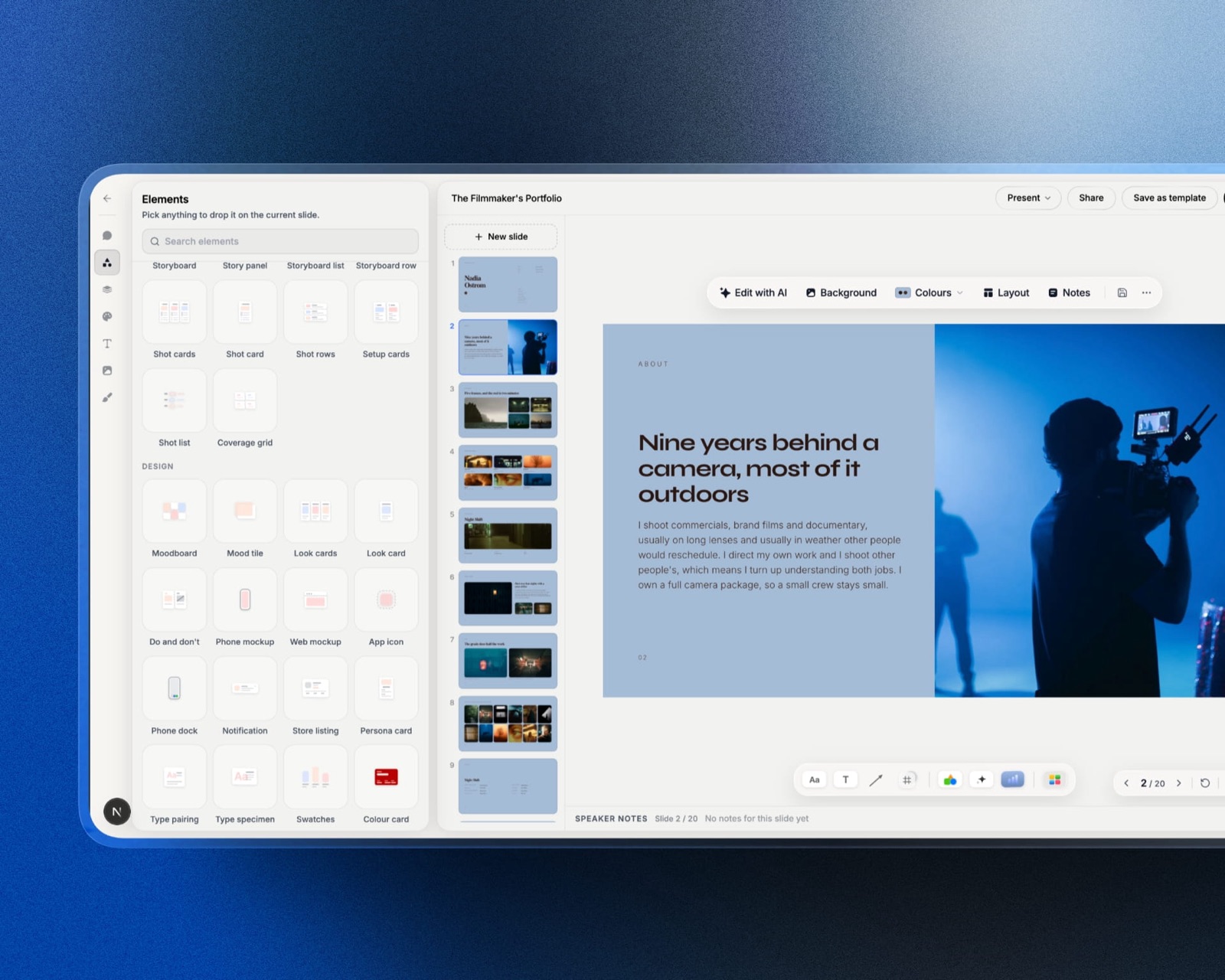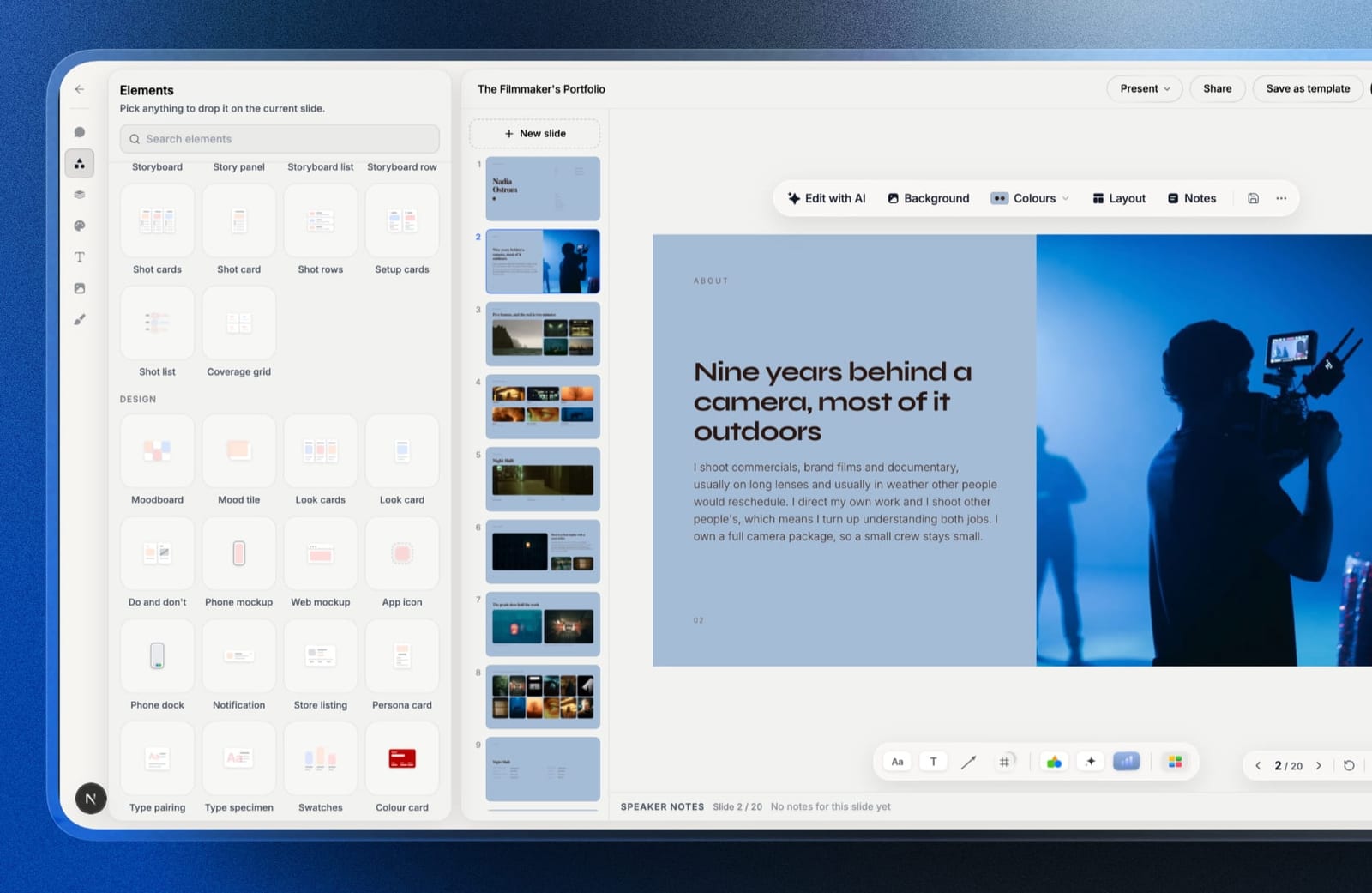
Framekit templates
Start from a designer-made template
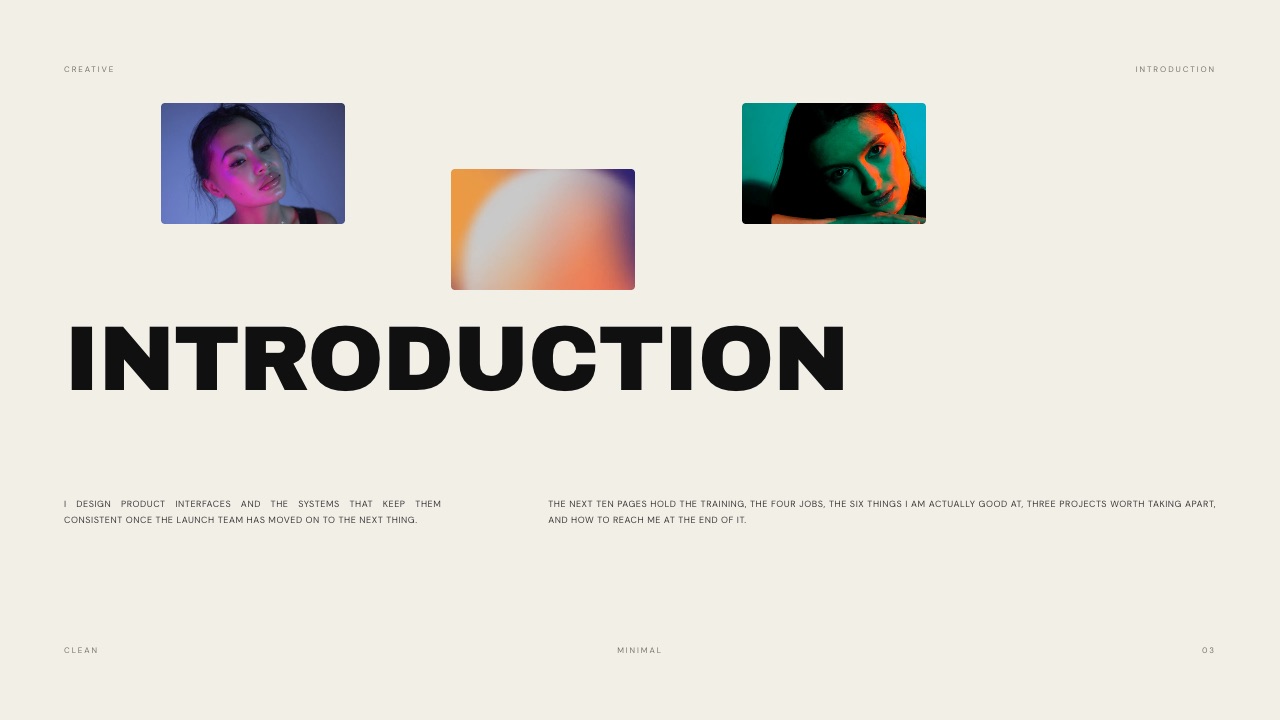
 Use template
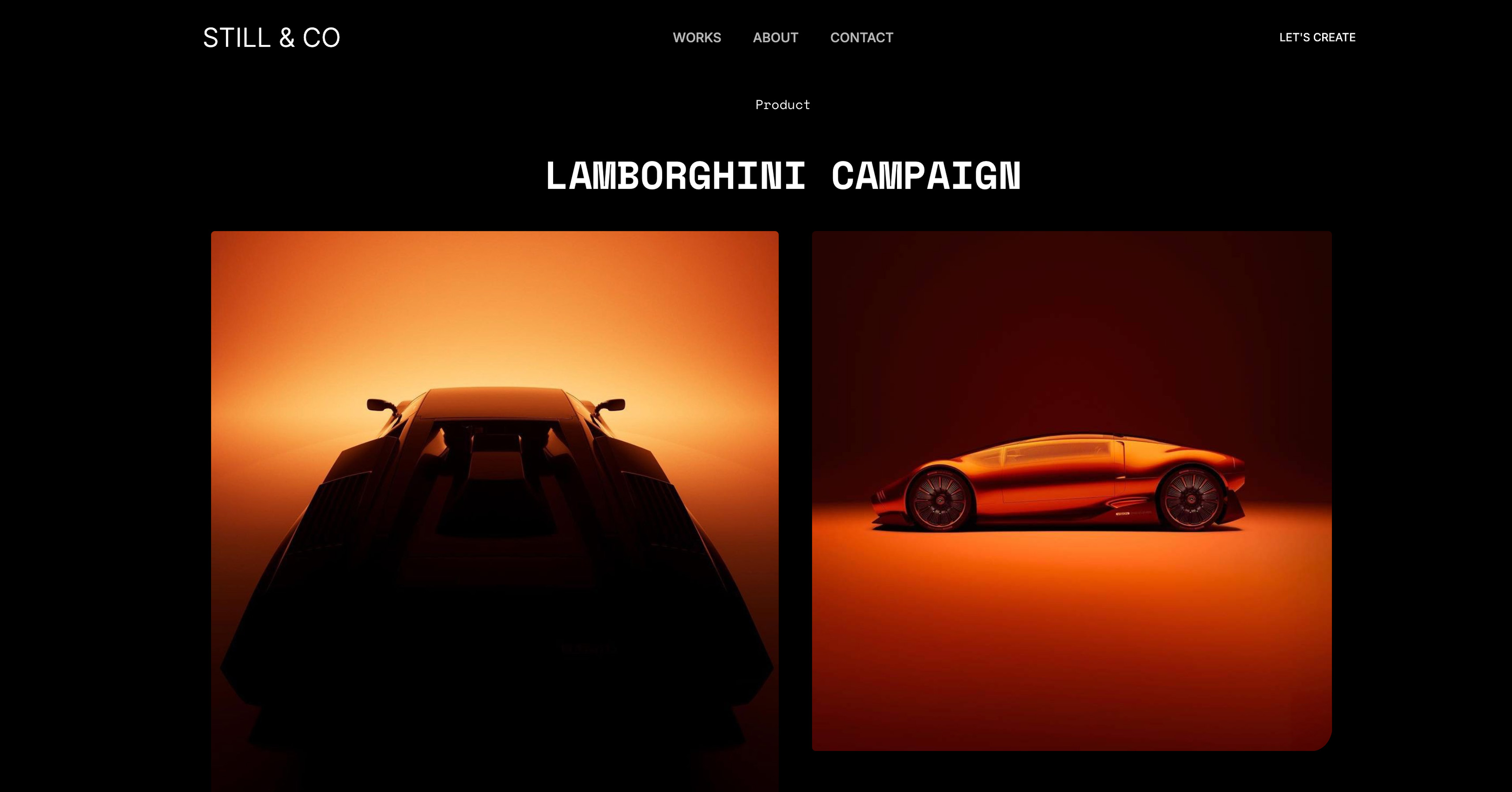 Use template
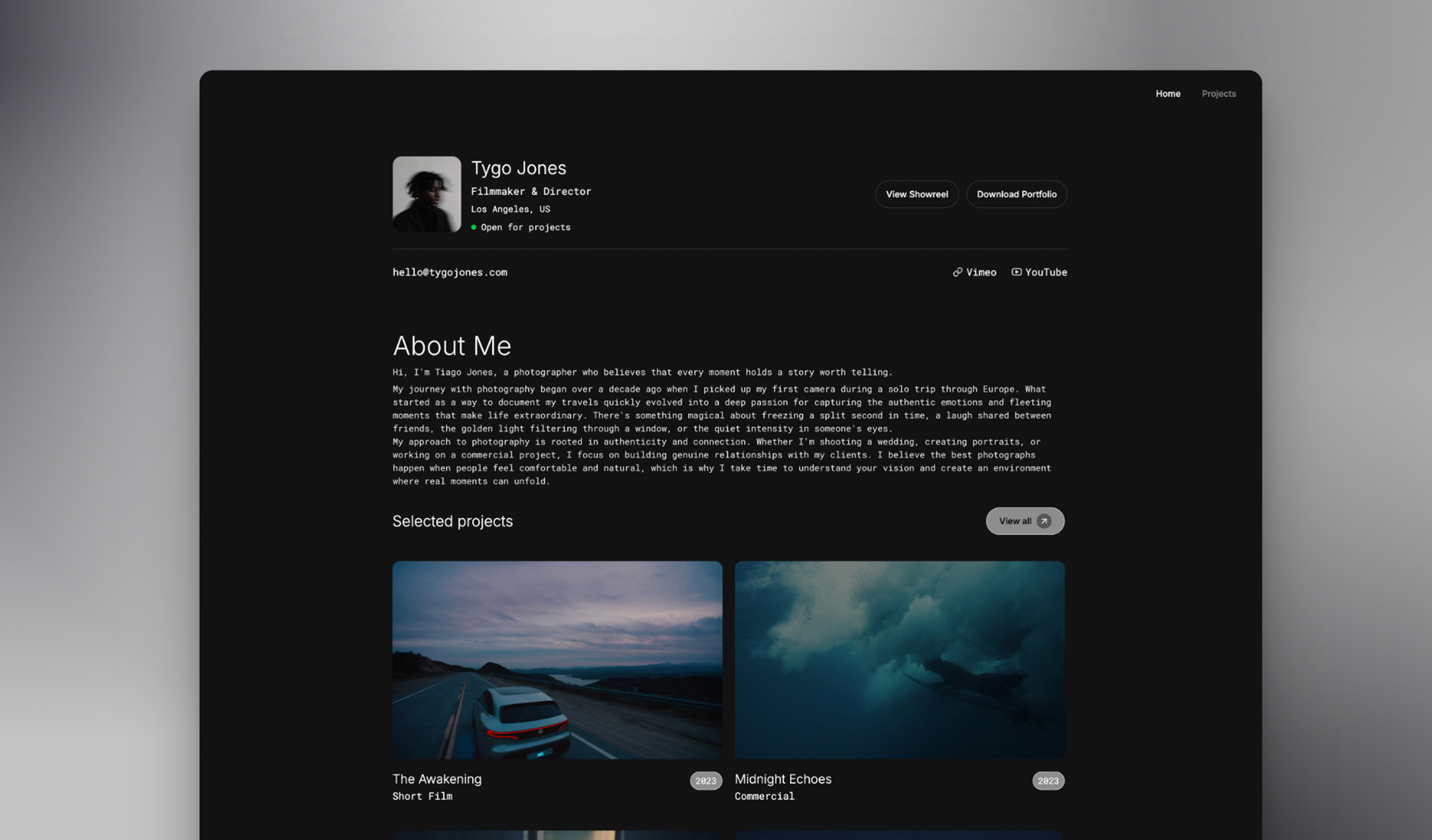 Use template
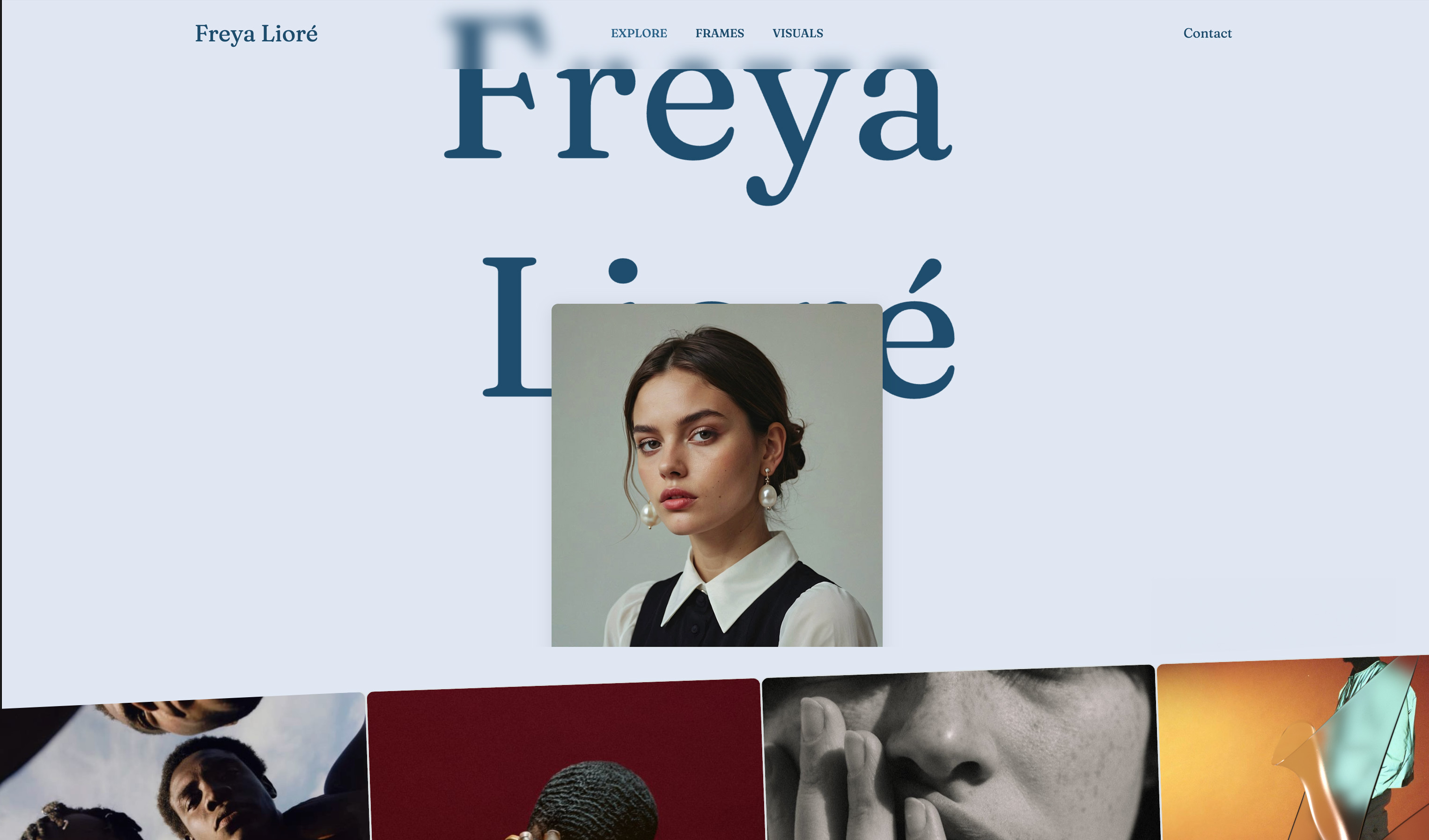 Use template
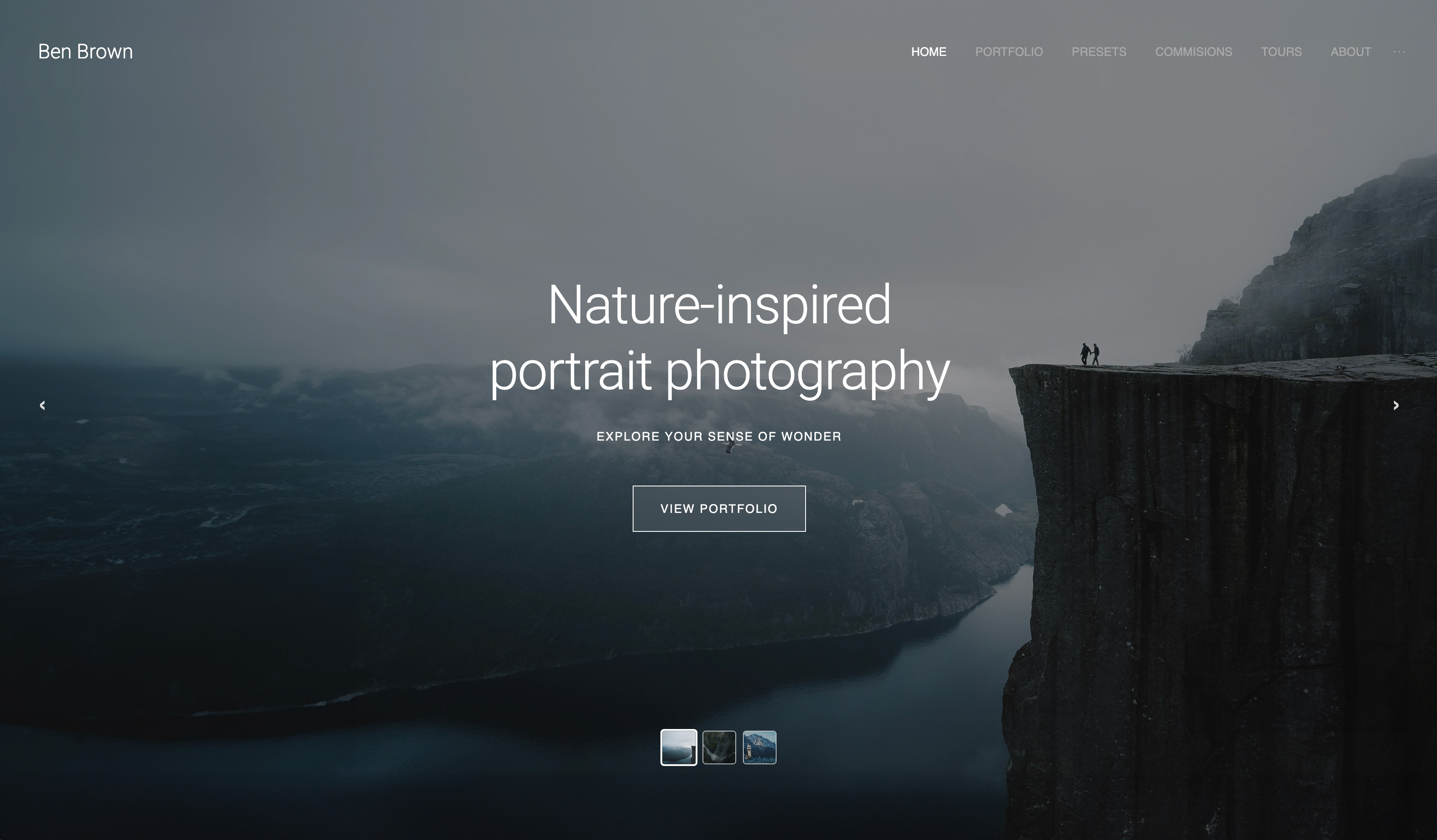 Use template
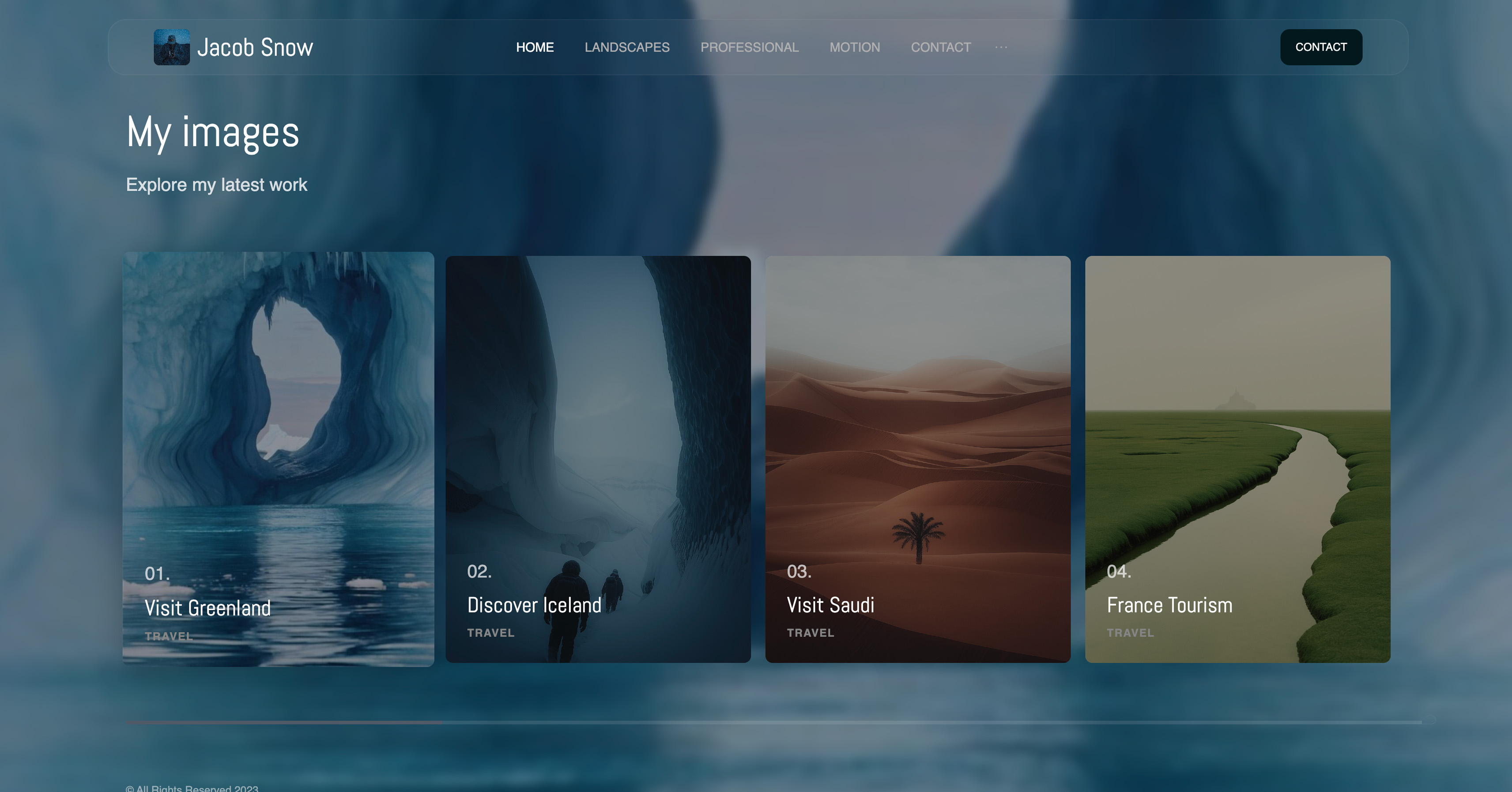 Use template
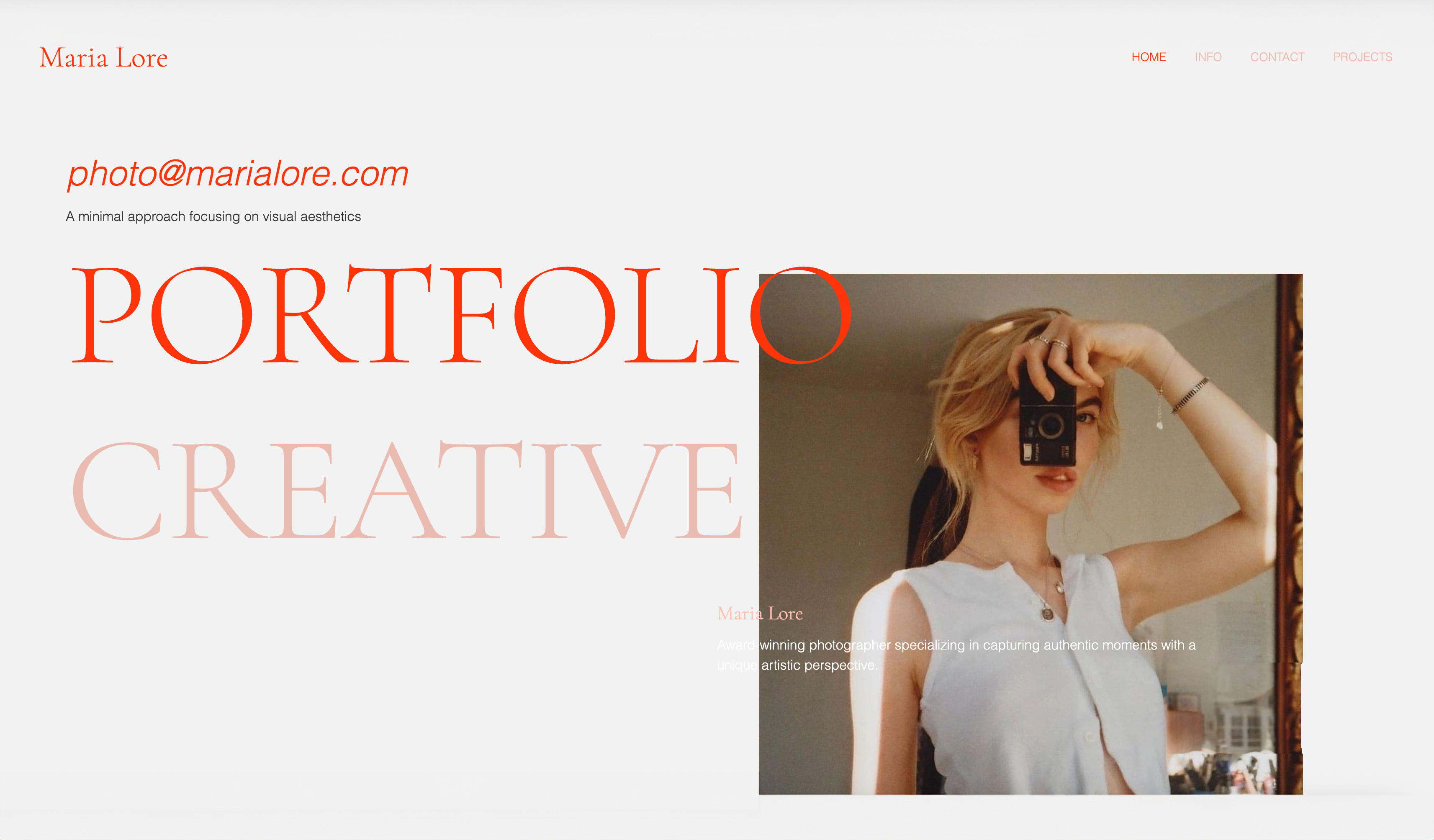 Use template
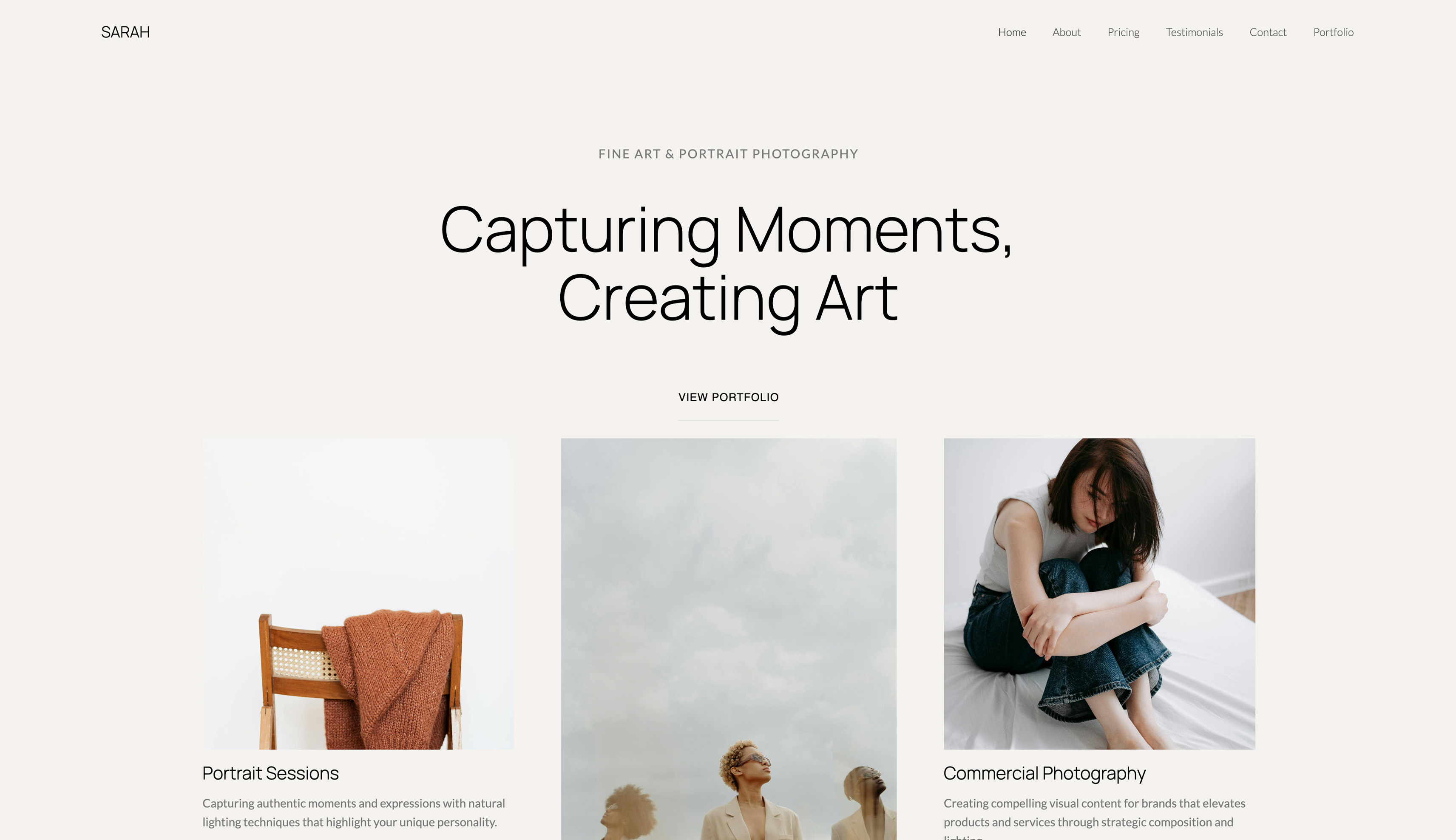 Use template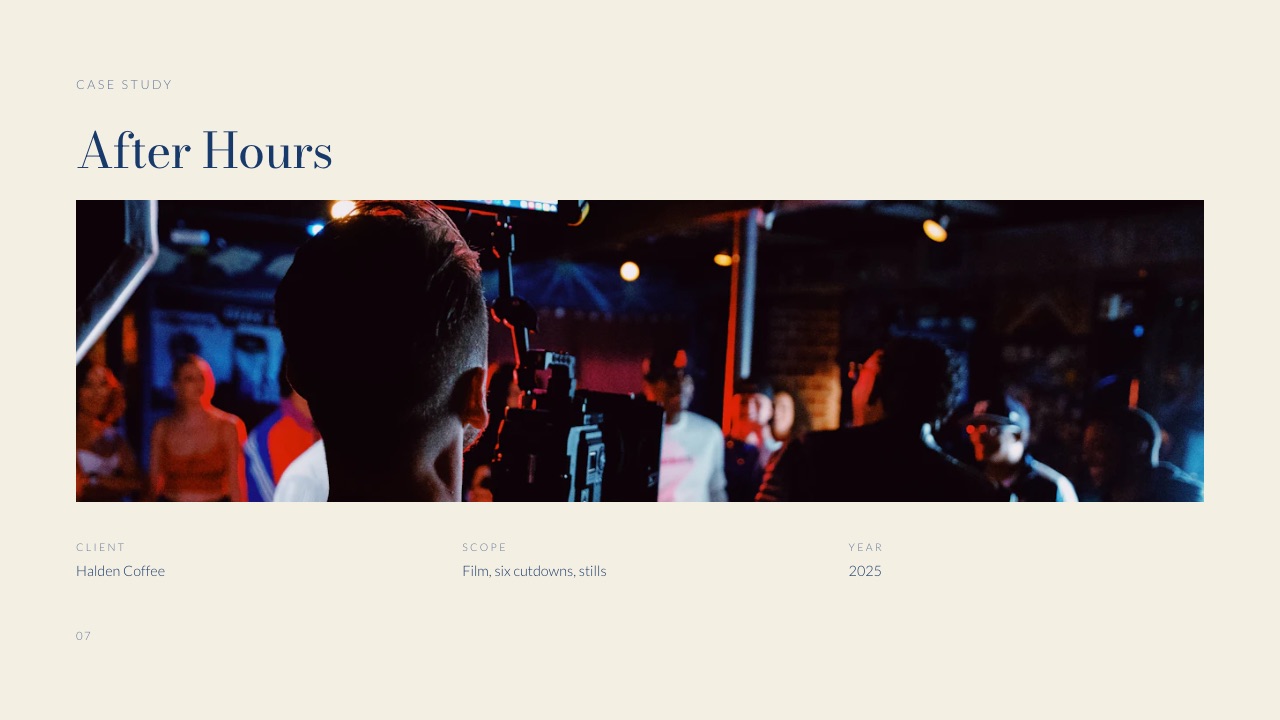
A prospect asks for examples of your work. You send 11 images of a packaging refresh you are proud of, the reply says "lovely, we will be in touch", and nothing happens. The work was good. The images were good. All 11 of them answered a question nobody asked.
The difference is arithmetic. A buyer deciding whether to hire you is answering one question: whether $11,500 spent with you returns more than $11,500.
Images cannot answer that question, and against a competitor charging $4,000 for the same brief, the only comparable left on the table is your price.
So this is how to make a case study deck that answers it: where the two numbers come from, how to get them out of a client who says they have none, the seven slides in the order a buyer reads them, and what to do when an NDA means you can name nobody.
A case study deck is a short presentation, six to eight slides long, that states the measurable situation a client was in before the work, what you did and why, and the measurable change afterwards, so a reader can judge the value of the work and not only its appearance.
Build it around two numbers, the one you inherited and the one that changed, and write the deck in this order: the client and the stakes, the problem as a number, the constraint, what you did, the work itself, the result as a number, and one line of what the client said.
Seven slides, two numbers. If the client will not share figures, use a proxy they already measure or ask for a quoted sentence instead.
Framekit Slides is the pick for building it, with unlimited decks, chart elements, speaker notes, PDF export and a share link on every plan including Free; Google Slides is the fallback when the client's team needs to edit it; Pitch and Storydoc are the answer when a case study has to sit behind a password or report who opened it, which Framekit deck links cannot do.
Full disclosure: Framekit is our product, so the Framekit claims here are the ones to check hardest. Competitor prices come from each vendor's published pricing page, read in September 2026 and linked where the page answers an automated request; two of those pages served European pricing and are labelled in euros, not converted. Where Framekit loses on this job is access control: deck links have no password and report a total view count with nothing per viewer, so a case study covering confidential work belongs in a tool built for gated sharing.
How this guide was assembled, and where the gaps are
Three kinds of claim appear below and it is worth separating them now, because the whole argument of this guide is that unsourced numbers are worthless and it would be strange to then hand you some.
Read at the source. Tool prices and plan limits come from each vendor's published pricing page, read in September 2026 and linked inline.
Where a page served European pricing, the figure stays in euros and is not converted at a rate we invented. Canva appears without a price, because its pricing page does not answer an automated request.
Reported by others. The guidance on what belongs in a case study, and on handling confidential work, comes from two Nielsen Norman Group articles, cited inline.
They cover design portfolios, not client-facing sales decks, and that difference is flagged where it matters instead of papered over.
Calculated. One project is carried through the whole guide: a brand and packaging refresh for an independent cold-brew company, billed at $11,500 and measured twice, each time by the same method on both sides: aisle pick-up in the client's own shelf audit moving from 4.2% to 6.1%, and reorder rate moving from 19% to 27% across two quarters.
There is no credible published benchmark for how much design work lifts a business metric, and any figure claiming otherwise is selling something. So this guide contains no industry uplift statistic.
What it contains instead is the arithmetic to run on your own last completed project.
The case study deck by the numbers
These six figures shape every decision in the rest of this guide, and each is here because it marks a mistake that makes a deck look expensive and convert badly.
- 2 numbers minimum, one before and one after, from the same source and measured the same way on both sides.
- 7 slides, which is long enough to carry an argument and short enough to read in a doorway.
- 1 named result per case study, because a deck claiming four improvements reads as a deck claiming none.
- 4.2% to 6.1% shelf pick-up and 19% to 27% reorder rate on the carried example: 1.9 points on the shelf audit and 8 points on reorders, which is a 42% rise on the 19% reorders started from.
- 25MB is the attachment ceiling Gmail applies to personal accounts, and a case study PDF belongs at 5MB, a fifth of it, because corporate gateways cut lower than Gmail does.
- $0 against $432 a year: 8 case studies exceed Storydoc Starter's 5 active documents and need Pro at $36 a month, while Framekit gives unlimited decks, chart elements, speaker notes and PDF export on its free plan.
In one linethe work in a case study deck sits in the two numbers and in the method and window attached to both of them, which is why two of the seven slides carry figures and the other five exist to make those two believable.
Step 1. Find the number at both ends before you design anything
Before you open a deck tool, write down the two numbers this case study will be built on, because if you cannot name them the project is a portfolio entry and dressing it up as a case study wastes everybody's time.
The before number is the situation you were handed, expressed as something countable. Not "the brand felt dated".
Something like: 4.2% of shoppers picked the product up in a shelf audit, or the site converted 0.9% of sessions, or the sales team was sending four different versions of the same deck.
The after number has to be measured the same way. This is the part people get wrong.
A before number from a shelf audit and an after number from an online survey are not comparable, and a buyer who has run a business will spot it immediately, at which point every other number on the page becomes suspect.
Nielsen Norman Group's survey of hiring professionals put the same demand in a line worth stealing: show me how you started with an opportunity and produced real value for a user and the organization.
The audience is different, the test is identical.
The thing that goes wrongthe after number arrives without a window. "Sales up 40%" over what period, against what baseline, and was there a price change in the middle of it? A number with no window is a number a careful buyer discounts to zero.
The examplethe cold-brew refresh carries two same-method pairs, aisle pick-up at 4.2% before and 6.1% after in the client's own shelf audit, and reorder rate at 19% before and 27% over the two quarters following the relaunch, with the note that distribution did not change in that period.
Step 2. Get a number out of a client who says they do not have one
Ask for the number as something the client already counts, because a business with a website, a till or a spreadsheet is already measuring something, and "we do not really track that" is an answer to a vague question, not a statement of fact.
Start with what already exists.
Any client with a website has analytics, and Google Analytics has a specific concept for this: a key event, defined as an event that measures an action that is particularly important to the success of the business.
Ask which events are marked as key events and you are asking a question their own tooling already answers.
Then work down a ladder of increasingly easy asks until one lands.
| Ask | What you are requesting | When to use it |
|---|---|---|
| The direct metric | Revenue, conversion rate, reorder rate, with a date window | The client is data-literate and the work was commercial |
| A key event from their analytics | The named key event and its rate before and after | There is a website and someone has access to it |
| An operational number | Hours saved, quotes sent per week, support tickets about the old thing | Internal tools, process and systems work |
| A proxy the client owns | Inbound enquiries, samples requested, applications received | Brand and identity work with no direct sales line |
| A quoted sentence | One sentence from the client naming what changed | The numbers genuinely are not available |
| Nothing | No case study, just a portfolio entry | Be honest with yourself and label it as one |
The quoted sentence is a real answer, not a consolation prize.
Nielsen Norman Group makes the same recommendation for confidential research work, which is to ask a past client for a testimonial or recommendation when the material itself cannot travel.
A named person saying "we stopped losing pitches on the deck" is worth more than a percentage nobody can source.
Ask in the week the project ships, not six months later. In week one the client is pleased, the change is fresh, and pulling the figure is a 10 minute job; at month six it is an archaeology project routed through somebody who has left.
Put the ask in your close-out email as one standing sentence.
The thing that goes wrongthe designer asks for "any numbers you can share" in the last line of a 300 word email. That is an open question pointed at a busy person, and open questions to busy people are answered at a rate close to zero.
Ask for one named figure, give the window, and say where it will be published.
Step 3. Write the 7 slides in the order a buyer reads them
Order the slides around the buyer's sequence of questions instead of the project's chronology, because a buyer is not interested in your process until they believe the outcome, and a deck that opens on discovery loses them before the result appears.
Seven slides is the working length. Each one has a single job, and the headline on each slide states the point, not the name of the section, which is the difference between a slide that works in an inbox and one that needs you standing next to it.
| # | Slide | Headline states | The common failure |
|---|---|---|---|
| 1 | Client and stakes | Who they are and what was riding on it | A logo and a one-word category |
| 2 | The problem as a number | The before figure and how it was measured | An adjective: dated, cluttered, tired |
| 3 | The constraint | What made this hard, honestly | Omitted, so the work looks easy and cheap |
| 4 | What we did and why | The decision, in one sentence, with its reason | A process diagram with six arrows |
| 5 | The work | Three or four images, in context, at real size | Twenty images, none of them in use |
| 6 | The result as a number | The after figure, the window, the caveat | A percentage with no window |
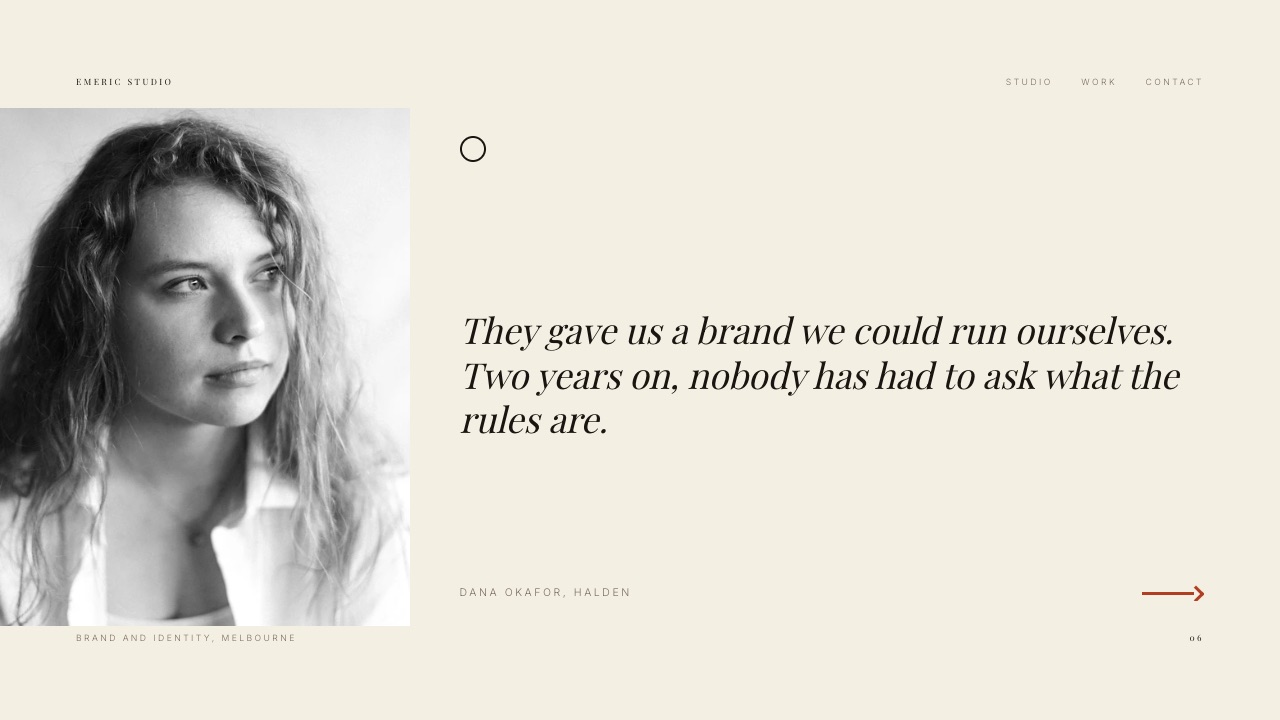
| 7 | What the client said | One quoted sentence with a name and a role | A paraphrase, or a quote from nobody |
Slide 3 is the one that gets dropped and the one that does the most work. A case study with no constraint reads as a project that was easy, and easy work is work that should have cost less than $11,500.
Name the real constraint: a six week deadline, a printer who could not hold a fifth colour, a founder who would not move on the name. That is the slide that turns the fee from a price into a number with a reason behind it.
Nielsen Norman Group's list of case study elements adds two more that belong in the speaker notes and not on the slides: the concepts you rejected, and what you learned. In a portfolio those belong on the page. In a sales deck they belong in your mouth, ready for the question.
The thing that goes wrongslide 5 eats the deck. The designer has forty good images and puts in twenty, the two number slides get buried in the middle, and the buyer scrolls to the end looking for the point and does not find one.
Step 4. Frame the before and after so the comparison is actually fair
Present the two numbers with their measurement method and their window attached, and name anything else that changed in the same period, because a comparison that quietly takes credit for other people's work is the fastest way to lose a careful buyer.
Three things make a comparison fair. The same measurement on both sides. A stated window on both sides. And a sentence naming the confounders, which are the other things that moved at the same time: a price change, a new distributor, a seasonal peak, a PR hit.
That last sentence feels like giving away your case. It does the opposite. A buyer who has run a business knows that a relaunch never happens in a vacuum, and a deck that pretends otherwise reads as either naive or dishonest.
Saying "distribution did not change in this period, and there was no price move" is a claim about rigour that raises the value of everything around it.
| Framing | How it reads to a buyer | Better version |
|---|---|---|
| Sales up 40% | Over what, since when, against what | Reorder rate 19% to 27% across the two quarters after relaunch |
| We doubled engagement | A vanity metric with no definition | Sample requests from the site went from 31 to 58 a month |
| The brand now feels premium | An opinion presented as a result | Shelf audit pick-up rose from 4.2% to 6.1%, same stores, same method |
| Best performing campaign ever | Unfalsifiable and slightly desperate | Highest of the six campaigns run in 2026, on the client's own reporting |
Where you genuinely cannot attribute the change to your work, say which part you can.
"The packaging change is one of three things that happened that quarter; the shelf audit is the only one of the three that isolates it" is an honest, specific sentence, and it is more persuasive than a bare percentage.
The thing that goes wrongbefore and after images shot differently. New photography, better lighting, a nicer surface, and a buyer's instinct tells them the comparison is rigged even when the work is genuinely better. Shoot both the same way or label the difference.
Step 5. Handle the NDA case without gutting the story
When an NDA prevents you naming the client, strip the identity and keep the argument, because the thing that makes a case study persuasive is the shape of the problem and the size of the change, and neither of those requires a logo.
There is a workable version of every confidential case study. Describe the client by category and scale: "a European cold-brew company with national grocery distribution" carries most of the useful information a logo would.
Keep the numbers as ratios, not absolutes, where the absolute figure would identify them, so a revenue number becomes a percentage change.
Nielsen Norman Group recommends the same move for confidential research work, which is to sanitise the material while keeping the reader's understanding of the method intact. The method is what you are demonstrating.
The client's name is evidence that someone trusted you with it, which is worth having but is not the argument.
| What the NDA covers | What you can still do | Ask permission for |
|---|---|---|
| The client's name | Category, scale and territory | Naming them in a private deck only |
| Commercial figures | Percentage change without absolutes | A specific figure cleared for external use |
| Unreleased work | Work already public, or abstracted detail | A screenshot cleared after launch |
| Everything, for a period | A dated, non-specific entry now and a full version later | A calendar reminder for when the embargo lifts |
Two practical habits make this easier. Ask about publication rights during the contract, not after it, which is a single clause and a two-minute conversation at a moment when everyone is enthusiastic.
And keep a private version of the deck with names intact for use in meetings where an NDA on your side is already in place.
This is also where Framekit is the wrong tool and it is worth saying plainly. A Framekit deck share link has no password, so a case study covering work you are not free to publish should not be sitting on an open URL.
Send that version as a PDF to a named recipient, or put it behind a gated link in a tool built for it such as DocSend, Pitch or Storydoc.
Framekit also does none of the paperwork: there are no contracts and no e-signatures in the product, so the permission itself belongs somewhere else.
The thing that goes wrongthe designer over-sanitises. The client becomes "a global brand", the numbers become "strong growth", and the case study now says nothing at all. Abstraction should remove identity, not specificity.
Step 6. Build it, and decide link, PDF or both
Build the deck in a tool that holds a library, exports a clean PDF and can draw a chart without you leaving it, because a case study is a document you will rebuild eight times for eight projects and the friction compounds.
| Tool | Price as published, September 2026 | What it is good at here | What it will not do |
|---|---|---|---|
| Framekit Slides | Free plan, then $9 Starter, $19 Pro, $39 Business per month | Unlimited decks on every plan, chart elements in the editor, speaker notes, share link and PDF export on every plan, your own fonts and colours | No password on a deck link, no per-viewer analytics, PowerPoint export is Pro and up and exports slides as pictures |
| Google Slides | Included in Workspace, listed at EUR 6.80 per user per month for Business Starter to European buyers | Editing with a client, comment threads, opens for anyone | Typography and image handling that undercut the work you are showing |
| Pitch | Free tier, then EUR 10 Plus and EUR 15 Team per member per month billed yearly, as listed for European buyers | Advanced links on the Team tier that record visits, slide views and time spent | The tracking is a paid-tier feature, so the free plan does not answer the question you wanted it for |
| Storydoc | $19.80 Starter and $36 Pro per month billed annually | Analytics as the core product, and a web-native format, not slides | Starter caps at 5 active documents, which is tight for a case study library |

Framekit is an AI website builder whose Slides tool keeps the case study library on the same account as the portfolio site those case studies feed, and the same bill as the client gallery the work was delivered through.
The reasons for this job are countable. Unlimited decks on all four plans including the $0 one, so eight case studies cost $0 to hold, where Storydoc Starter's 5 active documents would force the $36 a month Pro tier at $432 a year.
Chart elements in the editor, so the 19% to 27% line is drawn in place, not screenshotted out of a spreadsheet at the wrong resolution. Speaker notes on every slide, which is where the rejected concepts and the learnings live.
And a share link plus PDF export on every plan, which is both of the formats below. Starter opens the full template library, lets you upload your own fonts and drops the Framekit byline, at $9 a month or $84 for a year paid up front.
On format, this is one of the few documents where sending both is right. The PDF goes in the proposal and the email, because it opens anywhere and stays fixed.
The link goes on the site and in the signature, because correcting one number costs an edit, not a reissued file.
Keep the PDF at 5MB, a fifth of Gmail's 25MB ceiling, because the gateway that rejects it will belong to the client and you will never hear about it.
For the wider field beyond this shortlist, case study templates for designers is the ranking, and presentation templates covers the starting points more broadly.
The thing that goes wrongthe case study is built as a one-off. No master, no shared type styles, no reusable chart, so the ninth takes as long as the first and you have paid for the same seven slides nine times. Build the first as the template and duplicate it eight times.
Step 7. Cut it down and put it to work in five places
Produce three cuts of every case study instead of one, because the seven slide deck is the source document and the versions that actually get read are shorter and live somewhere other than your hard drive.
The three cuts are one slide, five slides and the full seven. The one-slide version is the client, the before number, what you did in five words, and the after number; it goes in a proposal, a cold email and a media kit.
The five-slide version drops the constraint slide and the quote and goes in outreach. The seven-slide version is for a live conversation and for your site.
| Where it goes | Which cut | What changes |
|---|---|---|
| Cold outreach email | One slide, as an image | The after number becomes the subject line |
| Proposal document | One slide, near the price | It sits immediately before the fee, on purpose |
| Media kit or credentials deck | One slide each, three case studies | Same layout for all three so they read as a set |
| Your portfolio site | Full seven, as a page | The quote becomes a pull quote, the images get bigger |
| A live pitch | Full seven, presented | The rejected concepts come out of the speaker notes |
The proposal placement is the one worth arguing for.
A case study slide immediately before the fee changes what the fee is being compared against: not against a competing quote, but against the value of the change you already produced for somebody similar.
That is the single highest-return reuse of the document, and it is free.
The site version matters for a different reason, which is that a page on your own domain is searchable, linkable and yours, while a deck is a file somebody has to be given.
If you want the search side of this, website analytics tools for creatives covers measuring what those pages do, and an always-on media kit page is the version brands can find without asking you.
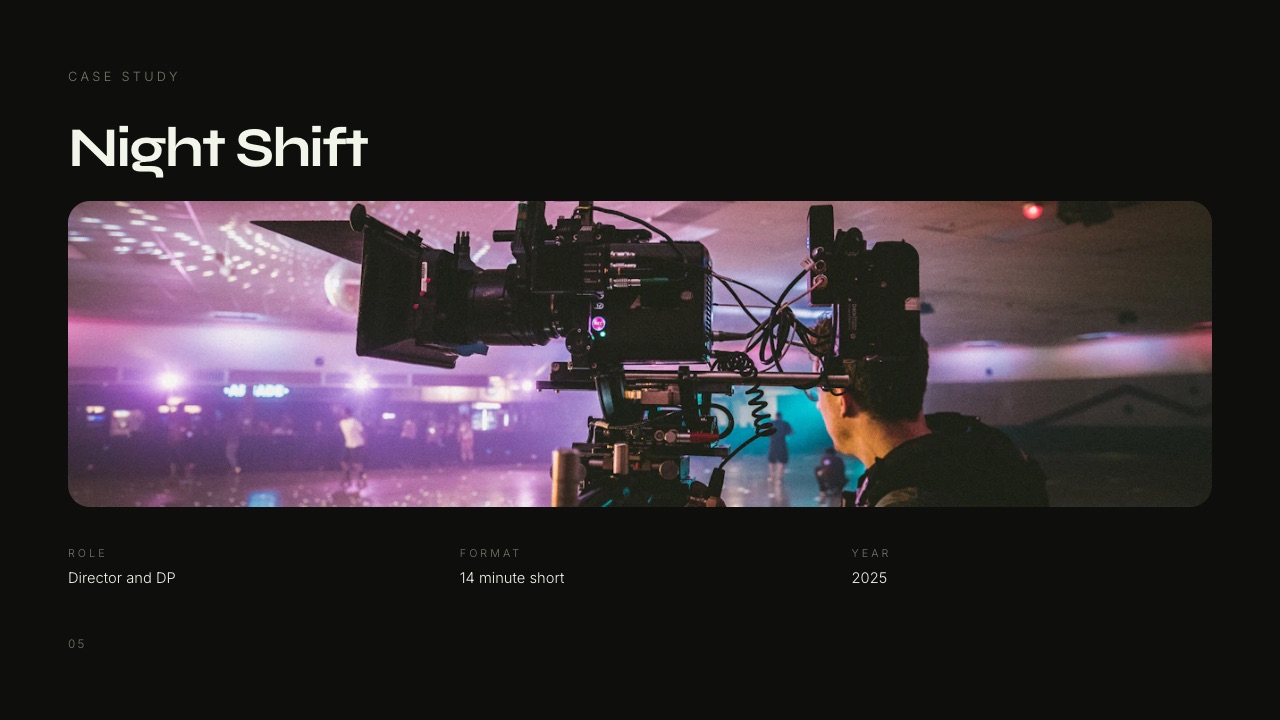
The thing that goes wrongthe case study exists only as a deck. Nothing links to it, no search reaches it, and using it means remembering to attach a file, so the one slide cut that belongs in every proposal appears in the one proposal you happened to think of it in.
What a case study with no number actually costs you
In one linea case study without figures does not fail loudly, it fails by making your price the only comparable thing on the table, which is the worst possible ground on which to be compared to a cheaper studio.
Work it on the carried example. The cold-brew refresh was $11,500. A prospect holding your images and a competitor's images has no basis for choosing except taste and price, and on price you are being compared against a $4,000 quote from somebody with a template.
Now give the same prospect a before and after.
The question changes from "which of these do I like" to "did this return more than it cost", and the $7,500 gap between your $11,500 and the $4,000 quote gets weighed against a reorder rate that moved 8 points, which is 42% of where it started.
You have not argued about price once. You have changed what the price is measured against, and the client is the only person who can value an 8 point move, which is exactly why you ask them for the figure instead of guessing it.
The test to run on your own worktake your last three completed projects and try to write two numbers for each of them. If you land none of the six, the problem is the close-out email and not the design, and the fix is one sentence long.
For what that is worth in fee terms, our guide to design pricing works through the arithmetic.
Which version of this you should build first
Work through these in order, because the right case study to build next is decided by what evidence you already hold, not by which project you are proudest of.
Do you have two comparable numbers for any past project? If yes, build that one first, even if the work is not your best looking. If no, continue.
Does any past client have analytics you could ask about? If yes, send one specific request naming the key event and the window, this week, while you still have a relationship. If no, continue.
Will any past client give you one quoted sentence with their name on it? If yes, build a case study around the quote and the constraint, and label the outcome qualitatively and never invent a figure. If no, continue.
Is the work confidential? If yes, abstract the client to category and scale, convert absolute figures to percentages, and send it as a PDF or behind a gated link, never on an open URL. If no, publish it as a page on your own site as well as a deck.
Do you need to know which prospect opened it? If yes, that is not a job for a Framekit deck link, which reports a total view count and nothing per viewer; use Pitch's Team tier, Storydoc or DocSend. If no, send a PDF and a link and get on with the work.
Frequently Asked Questions
What makes a case study deck different from a portfolio page?
A case study deck carries a number at both ends, the measurable situation before the work and the measurable change after it, while a portfolio page shows the work and lets the viewer judge how it looks.
Both are useful and they answer different questions. A portfolio answers whether you can make something good. A case study answers whether hiring you produces something worth more than the fee, which is the question that closes work.
How many slides should a case study deck be?
Seven for the full version: client and stakes, the problem as a number, the constraint, what you did and why, the work, the result as a number, and one quoted sentence from a named person.
Then hold two shorter cuts: five slides for outreach with the constraint and the quote removed, and one slide for proposals and media kits.
Of the three, the one slide cut is the one that gets used most, because it is the only one that fits inside a document somebody else wrote.
What do you do if the client will not share any numbers?
Work down a ladder of asks until one lands: the direct commercial metric, then a named key event from their analytics, then an operational number such as hours saved or enquiries received, then a proxy the client owns, then a single quoted sentence naming what changed.
A named person saying what improved is a legitimate case study result. Inventing a percentage is not, and a buyer who asks one follow-up question will find out.
Can you write a case study under an NDA?
Yes, by removing identity and keeping substance.
Describe the client by category, scale and territory, convert absolute figures into percentage changes so the numbers cannot identify them, and keep the method and the constraint intact, because those are what you are actually demonstrating.
Ask about publication rights during the contract, not afterwards, and set a reminder for when an embargo lifts so the full version gets published later.
What is the best tool for making a case study deck in 2026?
Framekit Slides is the pick for independent designers and small studios: unlimited decks on all four plans including the $0 one, chart elements in the editor, speaker notes, a share link and PDF export on every plan, and your own fonts and colours across the whole library, with the template library from $9 a month.
Google Slides, at EUR 6.80 per user per month for Business Starter, is better when a client's team must edit the file.
Pitch at EUR 15 a month or Storydoc at $19.80 are better when a case study has to sit behind a password or report who opened it.
Should you send a case study as a PDF or a link?
Send both, for two different jobs.
The PDF goes in proposals and emails because it opens anywhere, renders identically and needs no connection, and it belongs at 5MB against Gmail's 25MB personal-account ceiling, because the corporate gateway that bounces it cuts lower and tells you nothing.
The link goes on the site and in the signature because it stays current, so fixing one figure does not mean reissuing a file that 11 people already hold.
Can you password protect a case study deck in Framekit?
No. Framekit deck share links have no password and no per-viewer analytics, only a total view count, so a case study covering confidential or unpublished work should not live on an open Framekit link.
Send that version as a PDF to a named recipient, or use DocSend, Pitch or Storydoc where gated access matters. Framekit does password-protect client galleries and video review links, but that protection does not extend to Slides.
How do you show before and after fairly?
Use the same measurement method and state the window on both sides, then name anything else that changed in the same period, such as a price move, new distribution or a seasonal peak.
Naming confounders feels like weakening your case and does the opposite, because any buyer who has run a business knows a relaunch never happens in isolation, and a deck that pretends otherwise makes every other number on the page look unreliable.
When should you ask a client for the numbers?
The week the project ships, while the client is pleased and the change is fresh, not six months later when finding the figure is an archaeology project.
Build the ask into your standard close-out email: name the one figure you want, name the window, and say what you will use it for.
A specific request to a pleased client gets answered; a vague request for "any numbers you can share" does not.
Can a case study be used in a media kit or a proposal?
Yes, and the proposal is where the one slide cut earns the most. Put it on the page before the fee, which changes what the $11,500 is compared against: not a rival quote, but a change you already produced for somebody similar.
In a media kit or credentials deck, run the same one slide layout for three different projects so they read as a set of three and not three unrelated stories.
Final Verdict
Build the case study around two numbers measured the same way, write seven slides in the buyer's order and not the project's order, name the constraint that made the work hard, and put one quoted sentence from a named person at the end.
Then cut it to five slides for outreach and one slide for proposals, and publish the full version as a page on your own site.
For building and holding that library, Framekit Slides is the recommendation for independent designers and small studios: unlimited decks and an AI slide writer on every plan including Free, chart elements so the before and after can be drawn in the editor, speaker notes for the rejected concepts, and a share link plus PDF export on every plan, with the full template library, your own uploaded fonts and the removal of the Framekit byline starting at $9 a month.
Where Framekit losesaccess control.
Deck share links have no password and report a total view count with nothing per viewer, so a case study covering confidential work, or an outreach campaign where you want to know which prospect opened which story, is a better fit for DocSend, Pitch's Team tier or Storydoc.
That capability has a price you can look up: Pitch starts visit, slide-view and time-on-slide tracking on Team, listed at EUR 15 per seat per month billed yearly to European buyers, and Storydoc sells document analytics from $19.80 a month billed annually, while a Framekit deck link returns one number for the whole audience.
Framekit also does not do contracts or e-signatures, so the publication permission that makes a named case study legal is a conversation for a different tool.
Framekit is not for designers whose case studies are gated assets in a tracked sales process; it is for designers who need eight good case studies built cheaply and kept current.
Related readingthe template versions of this document are in case study templates for designers and portfolio presentation templates.
If your case studies are going into a studio credentials document, the agency credentials deck guide is the right shape, and graphic design portfolio examples shows how the same work reads as a portfolio instead.
For what happens after the deck lands, see getting clients as a freelance designer and sales deck software.
The same case study does a second job inside how to make a media kit, and for the meeting where you walk someone through it, how to present a design concept to a client sets the order.