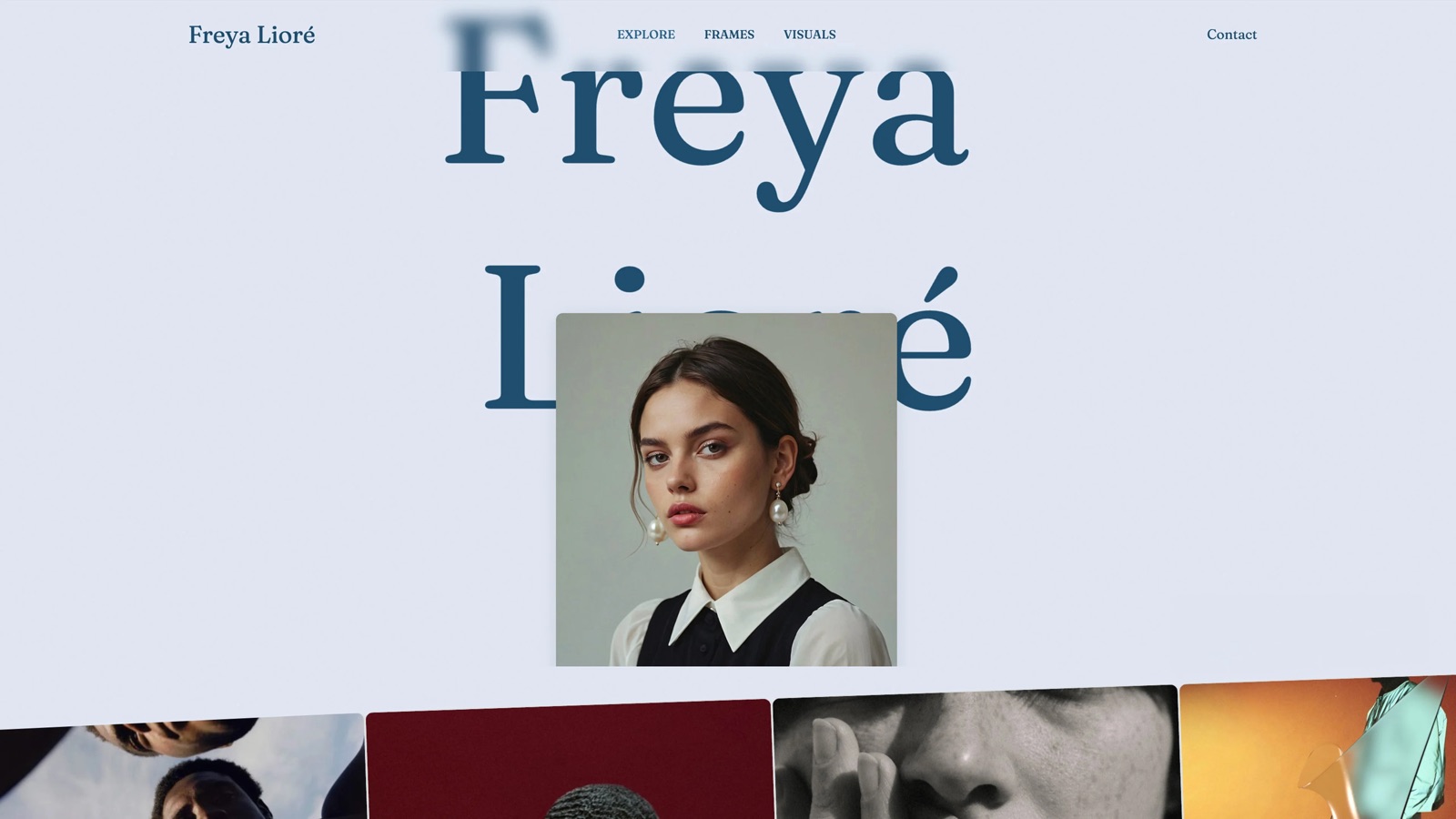
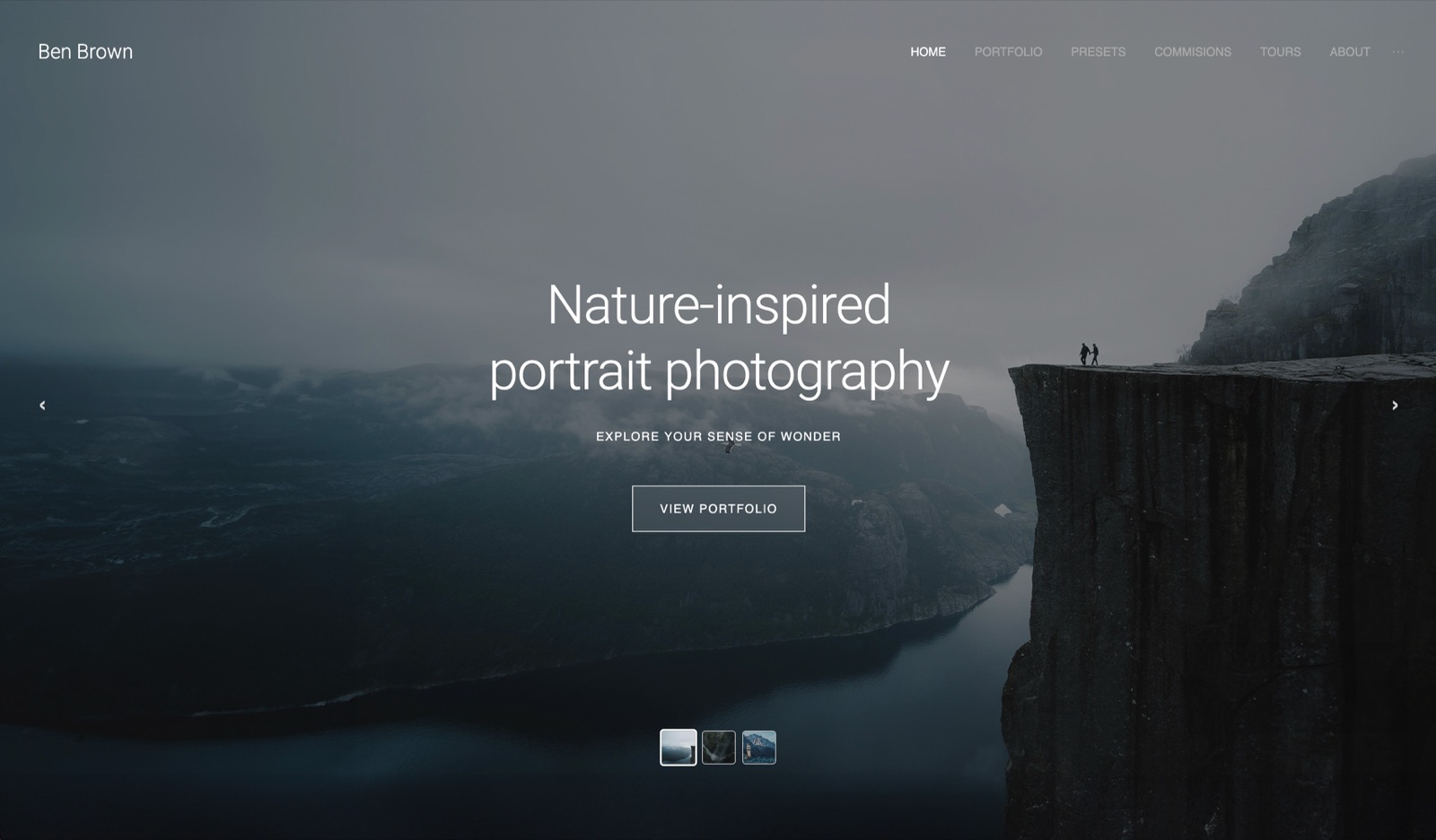
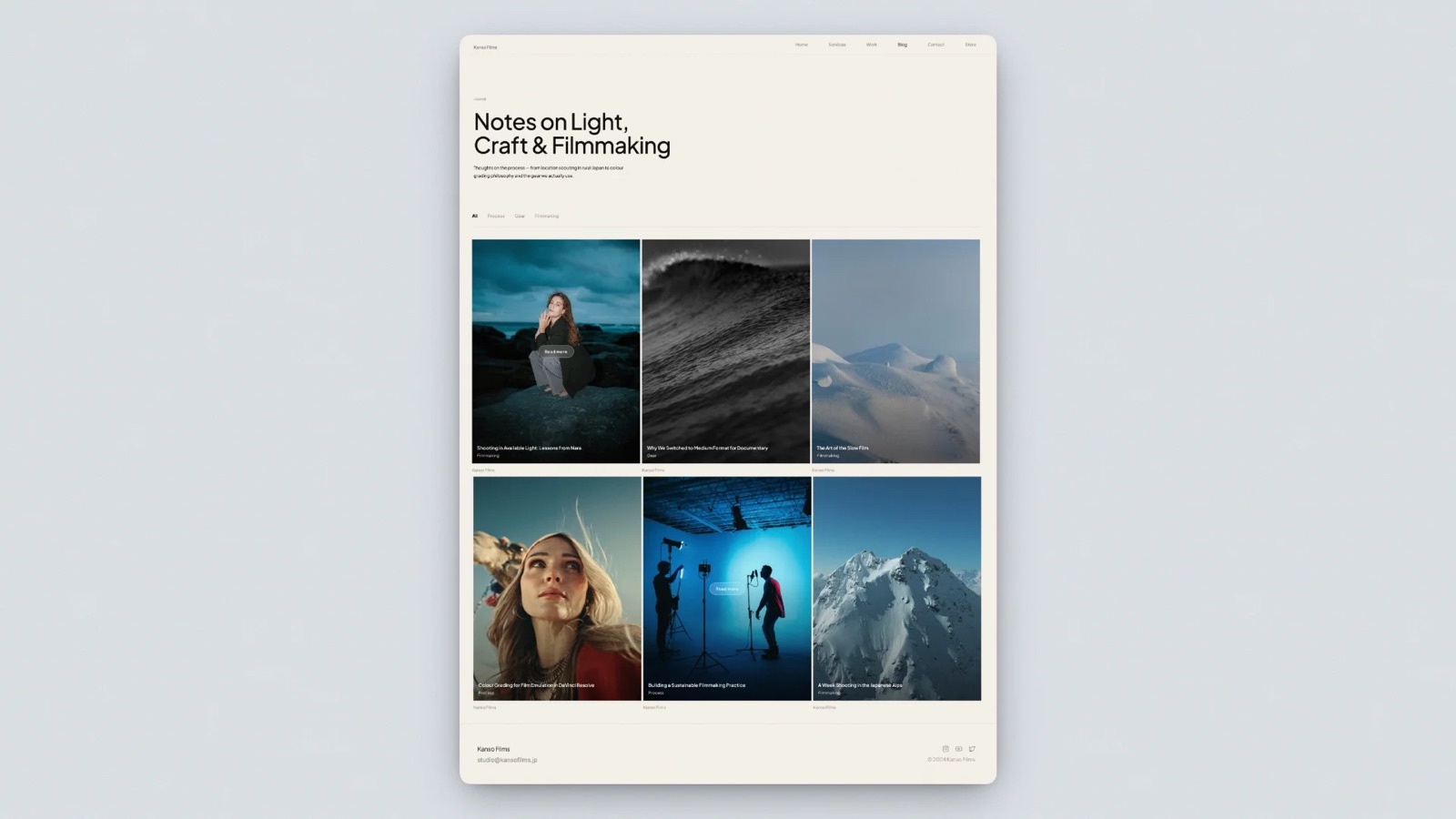
Framekit templates
Start from a designer-made template
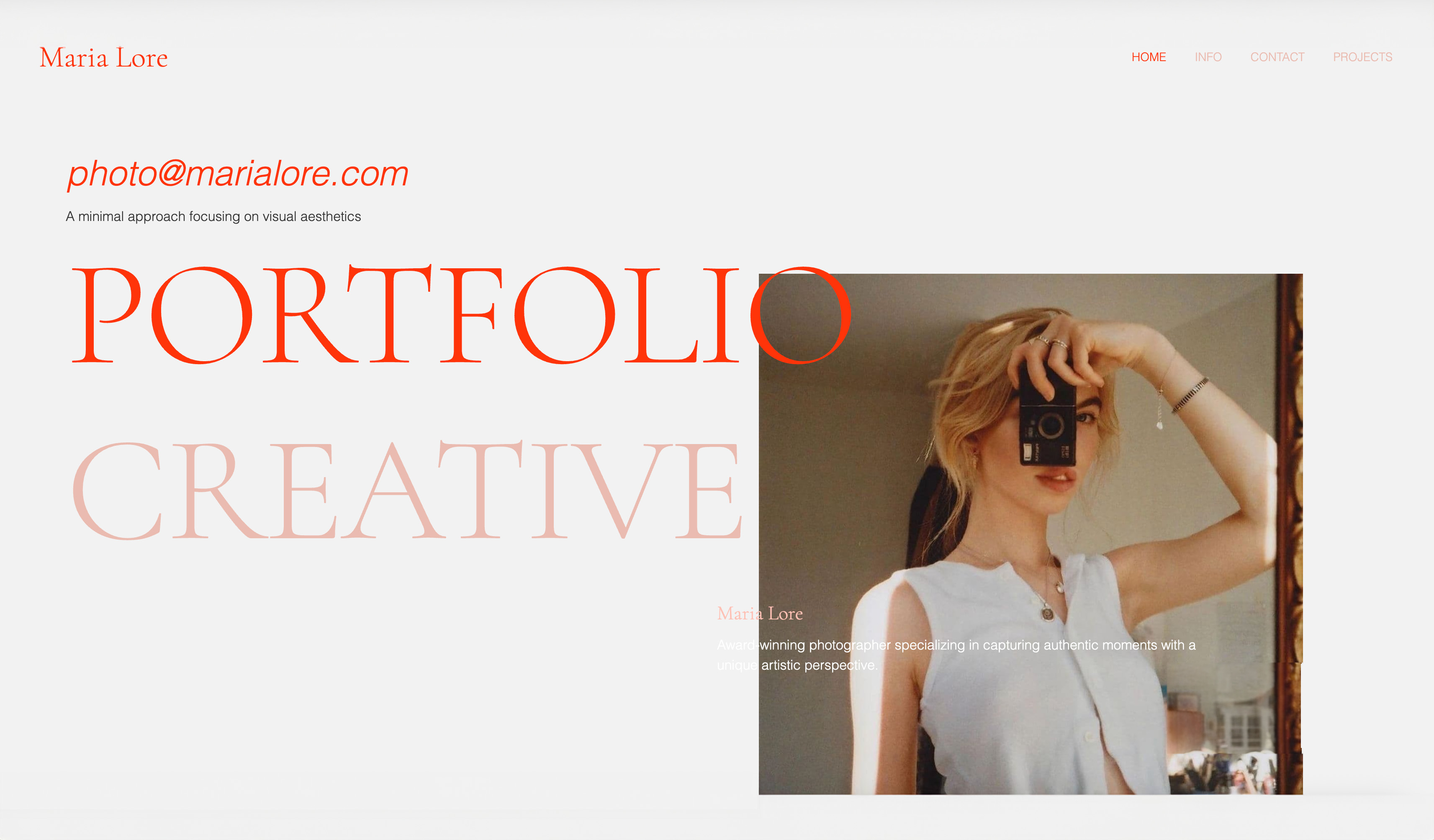 Use template
 Use template
 Use template
 Use template
 Use template
 Use template
 Use template
 Use template
Most photographers who say prints do not sell have never offered them where the client could act. The gallery goes out, the client downloads the files, and the transaction ends before anyone mentions a print.
Weeks later the couple orders a canvas from a high-street kiosk, printed from a phone-cropped download, and hangs your work in a colour you would never have signed off.
Selling prints from a client gallery is not a sales technique. It is plumbing: a store wired into the gallery or a reply-to-order route, prices set from value rather than lab cost, and one well-timed ask.
Selling prints from a client gallery is the practice of letting a client order physical prints, albums or wall art from the photos you delivered, either through a store and lab built into the gallery platform or through a direct order you invoice and fulfil with your own lab.
To sell prints from a client gallery, use a gallery platform with a lab-connected store and price prints from value in three tiers.
Pic-Time sells hardest, with 30-plus labs, automated campaigns and 0% commission when you collect payment yourself on Professional or Advanced; Pixieset is the simplest commission-free store from $8 a month billed yearly; ShootProof charges 0% on every plan including free; Zenfolio takes a flat 7% per order with volume tools; SmugMug sells prints on top of an unlimited archive.
Framekit does not sell prints at all: it has no print store, lab or price sheet, so it fits only the direct route, where clients send you a favourites list and you invoice and order from your own lab.
We re-verified every commission rate, plan price and lab detail below on 12 October 2026 against each vendor's own pricing and help pages, and removed three claims from the August version that we could not support: a 15% SmugMug commission, a 7% Zenfolio fee on every plan, and order-volume uplift figures with no published source.
Framekit is an AI website builder with client galleries, video review, Slides and a digital-download store, and it sells no physical prints, which is why it appears here only in the direct-invoice route.
Full disclosure: Framekit is our product and it cannot take a print order, so this guide recommends five competitors for the job it is about; the Framekit section explains the narrow way it still fits a print-selling photographer, and nothing more.
The Two Ways a Gallery Print Sale Happens
Every print sold from a client gallery happens one of two ways, through a store and lab built into the gallery or through a direct order you invoice yourself, and on a 0% commission plan the two keep almost exactly the same margin, so the real choice is between automation and control.
The worked example: a framed 16 by 24 print sold at $240, with $80 of lab and framing cost and card processing at about 2.9% plus $0.30, or $7.26.
| Route | Who takes the order | Platform's cut on $240 | Card fees paid by | What you keep | Your time per order |
|---|---|---|---|---|---|
| ShootProof, any plan | The gallery store | $0 | You | $152.74 | None |
| Pixieset, paid plan | The gallery store | $0 | You | $152.74 | None |
| Pixieset, free plan | The gallery store | $36 at 15% of the sale | You | $116.74 | None |
| Pic-Time Professional, Pic-Time collects | The gallery store | $12.80 at 8% of the $160 markup | Pic-Time | $147.20 | None |
| Pic-Time Professional, you collect | The gallery store | $0 | You | $152.74 | None |
| Zenfolio Professional | The gallery store | $16.80 at 7% of the order | You | $135.94 | None |
| Direct invoice from any gallery | You, by email | $0 | You | $152.74 | About 15 minutes |
Two conclusions follow. On a paid commission-free plan the store keeps the same $152.74 as the direct route without the fifteen minutes of admin, so the direct route only wins on choice of lab, paper and finish.
And a free plan with a 15% commission is the most expensive way to sell in the whole table.
Step 1: Decide Your Route From Last Year's Numbers
Choose between an automated store and the direct route by counting last year's print orders and their average value, because order volume decides whether the fifteen minutes per manual order is a rounding error or a lost weekend, and neither route is right for everyone.
Count three numbers. Print or album orders last year, their average value, and how many clients asked about prints but never ordered. The third number is the one an in-gallery store converts.
Apply the thresholds. Under about 10 orders a year with an average above $200, the direct route costs about two and a half hours of admin a year and gives you full control of the lab.
Above about 15 orders a year, or any year with many small orders, an automated store pays for its subscription in admin saved alone.
Price the subscription against the margin. At 15 minutes an order, 30 orders take 7.5 hours a year. If your time is worth $50 an hour that is $375, more than Pixieset Plus at $192 or ShootProof Standard at $200.04 a year.
Run it yourselfmultiply last year's order count by 15 minutes and by your hourly rate, then compare the result with the cheapest commission-free plan that holds your galleries. If the admin costs more than the plan, automate.
Step 2: Price Prints From Value, in Three Tiers
Price prints from what the image is worth to the client rather than from what the lab charges, and offer three clear tiers instead of a catalogue, because a wedding portrait on the hallway wall is not a $28 piece of paper and eleven sizes on four papers stop clients choosing anything.
Three tiers. A small print, a large print and a framed or mounted piece. Lead with the largest so the middle option reads as reasonable.
| Tier | Common working range in portrait and wedding markets | Illustrative lab cost | Markup at the low end of the range |
|---|---|---|---|
| 8x10 print | $45 to $90 | $8 to $15 | About 3 to 5 times |
| 16x24 print | $120 to $220 | $25 to $45 | About 3 to 4 times |
| Framed 24x36 | $280 to $600 | $110 to $200 | About 2.5 times |
These ranges are market working figures, not any vendor's price list, so check your own lab's costs and adjust for your market rather than copying them.
Set a floor. A $15 order costs more in admin and processing than it earns; a $60 minimum on direct orders removes the orders that lose money.
Bundle. A three-print wall set at a modest discount converts better than three separate decisions and raises the average order more than any single price change.
Step 3: Pick the Platform Whose Commission Fits Your Year
Pick the platform by running your expected print revenue through each commission rule, because rates range from 0% to 15% and some apply to the full sale while others apply only to your profit over the lab cost, which changes the answer by hundreds of dollars a year.
The table prices one year with $3,000 of print sales, assuming $2,000 of that is profit over lab cost for the platforms that charge on profit, matching our client gallery cost breakdown.
| Setup | Commission rule | Commission on the year | Plan per year |
|---|---|---|---|
| Pixieset Free | 15% of sales | $450 | $0 |
| Pixieset Basic or above | 0% | $0 | From $96 |
| ShootProof, any plan | 0% | $0 | $0 to $600 |
| Zenfolio Professional | 7% of each order | $210 | $138 |
| Pic-Time Beginner, Pic-Time collects | 15% of profit | $300 | $84 |
| Pic-Time Professional, you collect | 0% | $0 | $252 |
| CloudSpot Free or Entry | 15% of sales | $450 | $0 or $84 |
| SmugMug Portfolio | A share of profit; rate not published on readable pages | Not quoted | $282 |
| Framekit, any plan | No print store | Not applicable | $0 to $372 |
The cheapest print-selling year is ShootProof, at 0% commission even on its free plan, per its plans page.
The most expensive is a free plan with a 15% commission, which costs $450 here against $96 for the Pixieset plan that removes it.
Pic-Time: The Strongest Selling Machine
Pic-Time is the best platform for selling prints from a client gallery when you want the gallery to keep selling after delivery without you, because its store, lab network and scheduled campaigns are built to turn a delivered gallery into repeated orders.
The store connects to more than 30 global labs with automatic fulfilment, plus self-fulfilment through a lab of your choice, product packages, multiple price lists, coupons and gift cards.
Sales automations send scheduled email flows and banners, a personalised catalogue shows the client's own photos in product mock-ups, and face and selfie search lets wedding guests find their own frames to buy.
The commission rule. Pic-Time charges only on your markup, never on the lab cost: 15% on Free and Beginner, 8% on Professional and 6% on Advanced when Pic-Time collects payment, in which case it covers card processing and pays out store profits every two weeks.
Collect payment yourself on Professional or Advanced and the commission is 0%, per its commission help article.
The catch. Professional is $21 a month billed yearly and Advanced $42, and the free plan's storage drops from 10GB to 3GB three months after sign-up. Framekit vs Pic-Time and Pic-Time vs Pixieset set it against the neighbours.
Verdict: the right choice when prints and albums are a real revenue line and you will set up the campaigns.
Pixieset: The Simplest Commission-Free Store
Pixieset is the simplest way to sell prints from a client gallery for a photographer who wants a familiar store with no commission, because every paid plan takes 0% of sales and its integrated store handles printing, packaging and shipping through automatic fulfilment.
Basic is $8 a month billed yearly ($10 monthly) with 10GB, Plus $16 with 100GB, Pro $24 with 1TB and Ultimate $40 with unlimited photo storage, per its pricing page.
Coupons and gift cards are included, and email campaigns start at 100 a month on Basic, 500 on Plus and 10,000 on Ultimate. You send the campaigns; Pixieset does not run them on a schedule for you.
The catch. The free plan takes 15% of store sales and does not include full-resolution download, and Pixieset's help centre says gallery videos can be downloaded but not sold through the store, so a hybrid studio cannot sell the film the way it sells prints. Framekit vs Pixieset and is Pixieset worth it go deeper.
Verdict: the best default for photographers whose clients mostly take digital files and order prints now and then.
ShootProof: Zero Commission From the Free Plan Up
ShootProof is the cheapest platform for selling prints from a client gallery at any volume, because it charges 0% commission on every plan including the free one, and pairs a lab-connected store with contracts and invoices on its paid plans.
The store sells lab prints, wall art, digital downloads, slideshows and video, with in-room previews that show a canvas on the client's wall before they buy.
You choose a partner lab or fulfil orders yourself, set your own prices and markup, and run email campaigns from the same account.
Starter is $8.33 a month billed yearly with 20GB of photo and video; Standard $16.67 with 100GB; Professional $26.67 with 1,000GB of photos plus 50GB of video.
Clients can label photos for different albums, which helps a wedding album round.
The catch. The free plan holds 3GB of photos only, online booking is a $6.99 a month add-on, and the plans page publishes no per-file cap for video. Framekit vs ShootProof and Pixieset vs ShootProof compare it directly.
Verdict: the best value for a print-selling studio that also wants its contracts and invoices in one login.
Zenfolio: A Flat 7% and Tools for Volume Work
Zenfolio suits photographers who sell prints at volume, such as sports, school and event work, because it charges a predictable flat fee per order, connects to established labs, and adds price lists, packages and QR-based volume workflows that the other platforms here do not attempt.
Its selling fees article sets the commerce fee at 7% of the order subtotal, before tax and shipping and after discounts, on lab-fulfilled, self-fulfilled and digital orders alike, with Stripe at 2.9% plus $0.30 or PayPal at 3.49% plus $0.49 on top.
The fee is waived for the first 30 days of a new paid Professional or Advanced account. Labs include Miller's, Mpix and Bay Photo, and sold digital downloads carry a base charge of $0.09 per photo or $0.99 per gallery.
The catch. Selling starts on Professional, at $11.50 a month billed yearly or $23 monthly; Basic cannot sell at all, and the yearly prices look promotional. On $5,000 of orders the 7% fee is $350 a year.
Verdict: the clearest fee to forecast and the best fit for volume events.
SmugMug: A Print Shop on Top of an Unlimited Archive
SmugMug suits photographers who want an unlimited online archive that also sells prints, because every plan stores unlimited full-resolution JPEGs and its Portfolio and Pro plans add a print shop with lab partners and a satisfaction guarantee.
On Portfolio, at $23.50 a month billed yearly, and Pro, at $37, you set profit margins with a price-list tool, choose print partners and sell prints, downloads and gifts, with proof-delayed orders so you can check an image before it prints.
Pro adds multiple price lists, coupons, packages and branded packaging. SmugMug describes a 100% satisfaction guarantee on prints, and its plans grid lists no separate card processing fee on the selling plans.
The catch. SmugMug keeps a share of each sale's profit, and its help centre blocks automated reads, so the exact rate is not quoted here; check it in your account.
There is no free plan, only a 14-day trial, and client favouriting sits on Pro. Framekit vs SmugMug covers the archive trade-off.
Verdict: a strong choice when the archive is the main purchase and print sales are a bonus.
Framekit: No Print Store, and the One Way It Still Fits

Framekit does not sell prints, has no print lab, no price sheet and no in-gallery cart on any plan, so it is the wrong platform for a photographer who wants clients to order prints without contacting them, and it fits only the direct-invoice route described below.
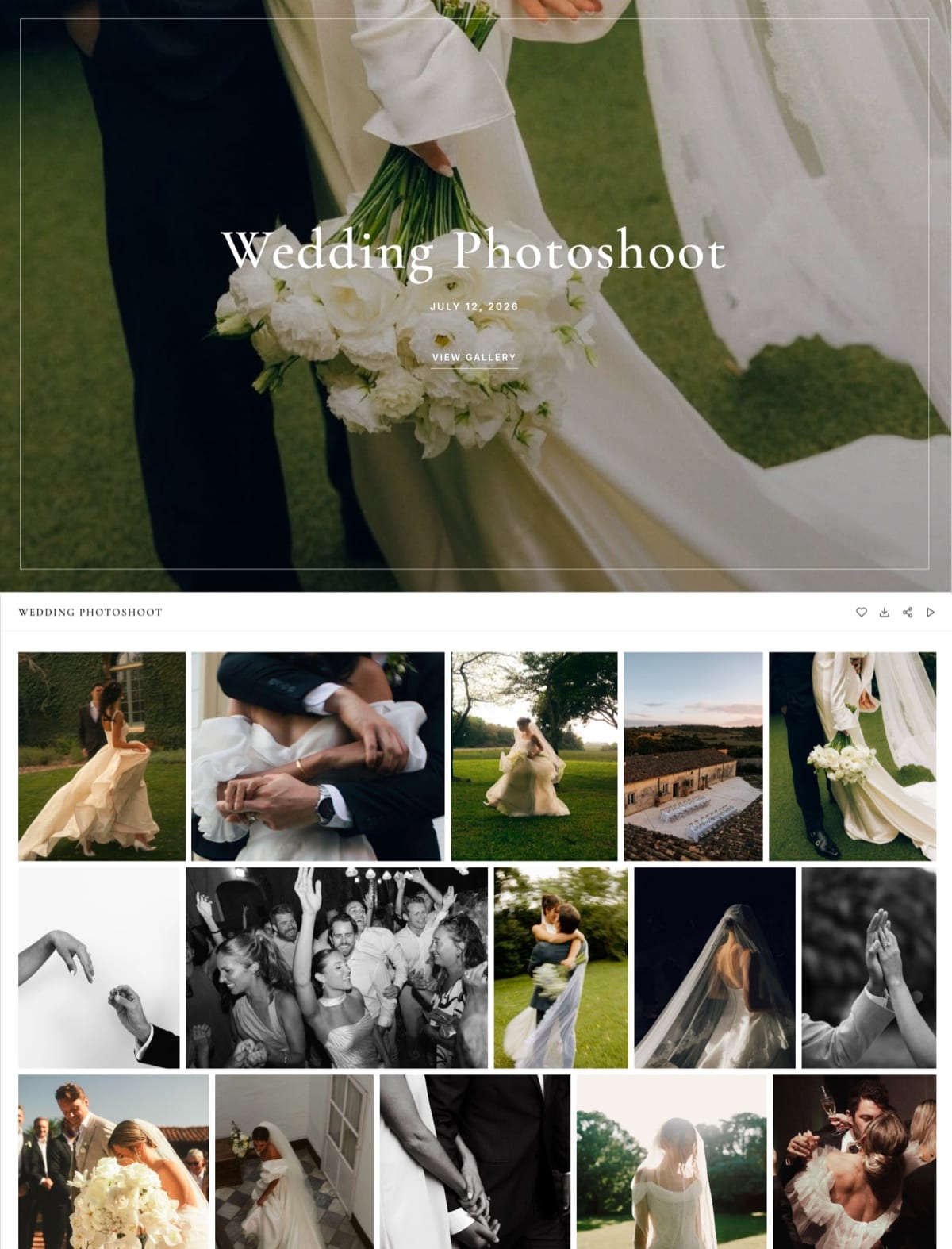
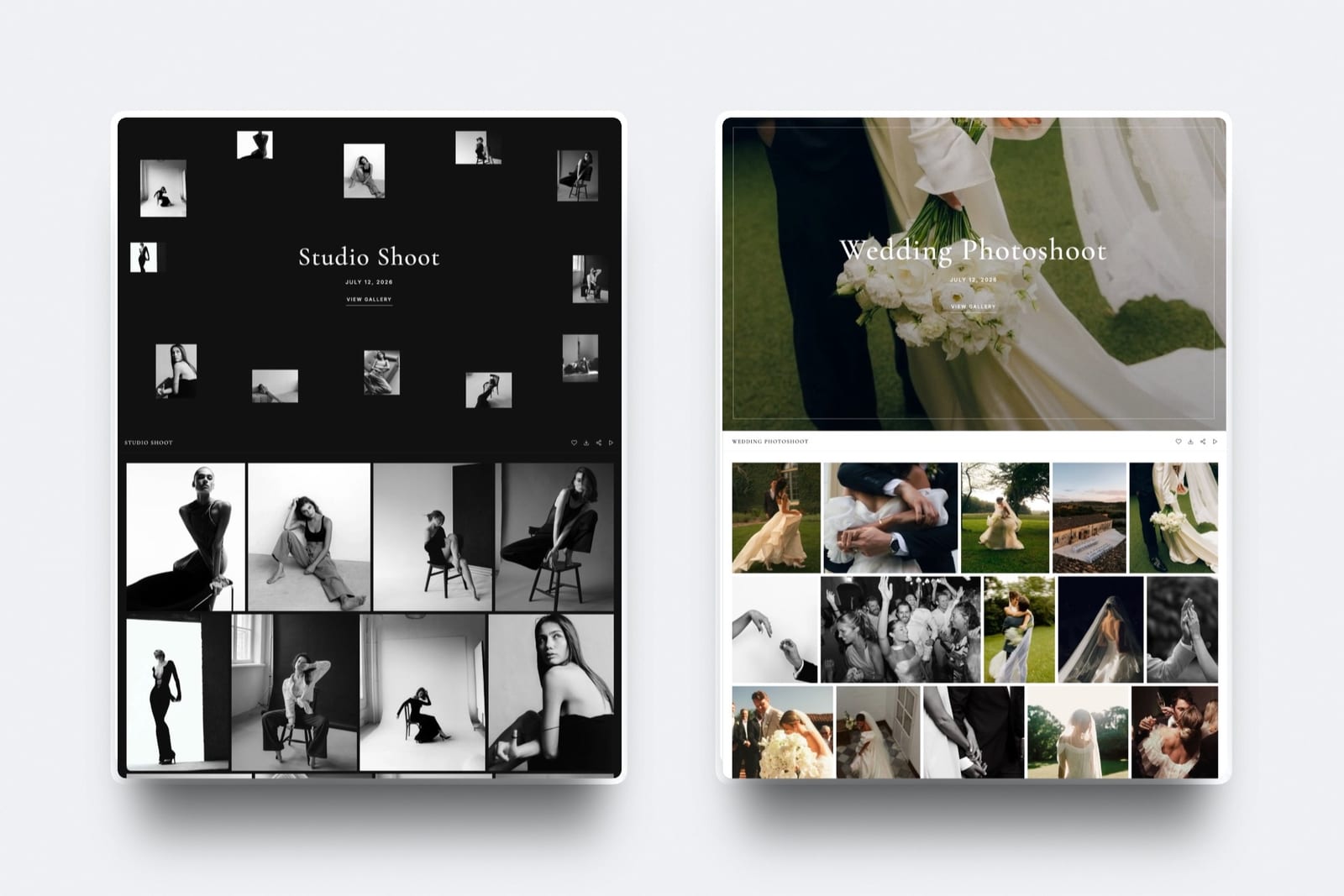
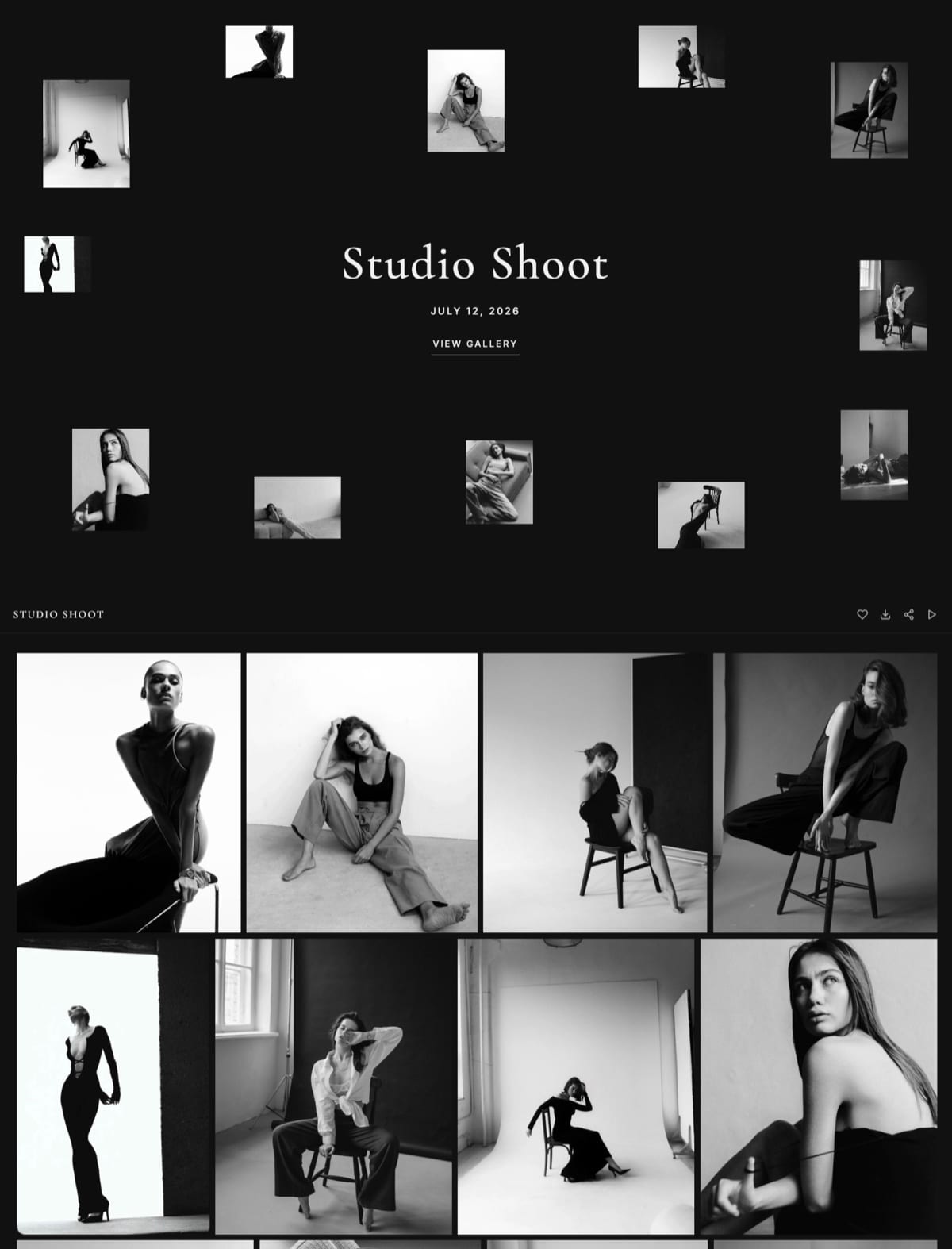
What it does do. It delivers the shoot in a gallery on your own site, where the client hearts photos into named lists such as "Print for the hallway", adds a note to each photo like "16x24, black frame", and presses Send to photographer, which notifies you in Framekit and by email.
That list is a ready-made print order: you price it, invoice outside Framekit and order from your own lab.
The number to remember. About 15 minutes per order by hand, with 100% of the margin and your choice of lab, paper and finish, on a gallery plan that costs $0 on Free or $180 a year on Pro with the website included.
The store, honestly. Framekit's store sells digital products such as presets, LUTs, editing guides and templates from your site and through shareable buy links, at 5% on Free and Starter, 3% on Pro and 0% on Business, with Stripe processing on top and you as the merchant of record.
It is not connected to galleries and cannot sell physical goods.
Who should skip it for print work. Anyone with more than about 15 print orders a year, anyone who wants automated campaigns, and anyone selling to event guests.
Verdict: use Framekit for delivery and a direct print route when prints are occasional and high value; use one of the five platforms above when prints are a line in your accounts.
Step 4: Set Up the Gallery So It Asks
Set the gallery up so the next action is obvious, because clients order from galleries that show a path and a highlights set at the top, and they finish the transaction by downloading in galleries that show neither, however good the photographs are.
Favourites on, with a number. "Heart up to 20 you would put on a wall" produces a shortlist; "let me know your favourites" produces silence.
Highlights first. Put the strongest 30 to 40 frames in the first set. Clients order from what they see in the first screens, not from frame 412.
One ordering line. On a store platform, switch the store on and show prices on the first screen.
On the direct route, put one sentence in the delivery email, because a Framekit gallery description is not shown on the gallery page: "To order prints, heart your choices into a list called Prints and press Send to photographer."
Keep it online. Reprint and wall-art requests cluster months after a wedding, so a gallery that expires at 90 days closes before many clients are ready. A 12-month window, or none, suits print selling.
Step 5: Ask at the Two Moments That Convert
Ask about prints twice, once in the delivery email and once at a natural moment weeks later, because a single ask at delivery competes with the excitement of downloading, and a second ask at an anniversary or a house move reaches the client when wall space is actually on their mind.
At delivery. One line, after the link and password: "If you would like prints or a framed piece, heart them into a list and send it to me, or use the store in the gallery."
When a list arrives. Reply within a day, name two of the photos by what they show, and suggest a size for each. On Framekit, the Activity panel shows each client's favourite lists with photo and note counts, so you can see a list forming before it is sent.
Four to eight weeks later. A first anniversary, a holiday or a house move. Two asks is service; five is a shop.
Our photo delivery email guide has the wording for both.
Running the Direct-Invoice Route From Any Gallery
The direct-invoice route lets you sell prints from any gallery, including one with no store, by turning the client's favourites list into an order you price, invoice and place with your own lab, and it takes about fifteen minutes an order once the steps are written down.
- Open a lab account. A professional lab with colour-managed printing and drop shipping. Order one test print of a skin-tone-heavy frame before quoting anyone.
- Write a one-page price list with your three tiers and a $60 minimum, as a PDF you can attach.
- Receive the list. The client hearts photos into a list, notes the size on each, and sends it.
- Quote and invoice from your invoicing tool, with the photo filenames on the invoice.
- Order on payment, shipped to you for checking or straight to the client.
- Confirm delivery with a one-line email and a request to send a photo of the print on the wall.
At 10 orders a year that is about 2.5 hours of admin for full control of the lab and finish. At 40 orders it is 10 hours, which is the point to move to a store platform.
What a Print Year Earns on Each Route
A print year earns the same on any commission-free route and noticeably less on a commission plan, so the worked example below follows one photographer's year through each setup and shows where the money actually goes rather than comparing percentages in the abstract.
The photographer delivers 30 galleries a year. Six clients order prints, at an average of $300 each: $1,800 in sales, with $600 of lab and framing cost and about $54 of card processing across the orders.
- ShootProof Starter, 0%: $1,800 minus $600 lab minus $54 fees is $1,146, minus $99.96 for the plan: $1,046.
- Pixieset Basic, 0%: the same $1,146 minus $96: $1,050.
- Pixieset Free, 15%: $270 of commission, so $876 before any plan, but no full-resolution downloads for the other 24 clients.
- Zenfolio Professional, 7%: $126 of fees, so $1,020, minus $138: $882.
- Direct invoice from a Framekit gallery: $1,146, minus 1.5 hours of admin, on a plan that also runs the website: $1,146 before the plan.
The difference between the best and worst routes here is under $300 a year. The difference between offering prints and not offering them is the whole $1,146. Getting a route in place matters far more than which platform you choose.
Choosing a Print Route, Question by Question
This decision path asks the questions in the order they settle the platform, starting with order volume, because how many print orders you expect decides between automation and the direct route before price, design or brand come into it.
1. Do you expect more than about 15 print orders a year? If yes, use a store platform and go to question 2. If no, the direct route from any gallery, including Framekit, keeps full control at about 15 minutes an order.
2. Will you set up automated campaigns and want guests to buy too? If yes, choose Pic-Time and collect payment yourself on Professional for 0% commission. If no, go to question 3.
3. Do you want contracts and invoices in the same login? If yes, ShootProof, at 0% commission on every plan. If no, go to question 4.
4. Do you shoot volume events such as sports or schools? If yes, Zenfolio Professional, with its flat 7% and volume tools. If no, go to question 5.
5. Is an unlimited archive the main thing you are buying? If yes, SmugMug Portfolio. If no, Pixieset Basic is the simplest commission-free store at $96 a year.
Frequently Asked Questions
How do I sell prints from a client gallery?
Sell prints from a client gallery by using a platform with a lab-connected store, such as Pic-Time, Pixieset, ShootProof, Zenfolio or SmugMug, pricing prints in three tiers from value, putting a highlights set first and asking at delivery and again weeks later.
The alternative is the direct route: the client sends a list, you invoice and order from your own lab, at about 15 minutes an order.
Can I sell prints from a Framekit gallery?
No. Framekit has no print store, print lab, price sheet or in-gallery cart on any plan.
Clients can heart photos into a named list with notes such as "16x24, black frame" and send it to you, and you invoice and order from your own lab outside Framekit. Its store sells digital products such as presets and guides, not prints.
Which client gallery has the lowest print commission?
ShootProof has the lowest, at 0% commission on every plan including its free plan.
Pixieset and CloudSpot take 0% on paid plans and 15% on their free plans, Pic-Time takes 0% when you collect payment yourself on Professional or Advanced, and Zenfolio charges a flat 7% per order on its selling plans.
Card processing applies on top almost everywhere.
Is Pixieset or Pic-Time better for selling prints?
Pic-Time is better if you will use automation, because its scheduled campaigns, personalised catalogue, 30-plus labs and selfie search keep selling after delivery, with 0% commission when you collect payment on Professional at $21 a month billed yearly.
Pixieset is better for simplicity and price, with 0% commission on every paid plan from $8 a month billed yearly.
How much should I charge for prints from a client gallery?
Price from value in three tiers rather than from lab cost. Common working ranges in portrait and wedding markets are $45 to $90 for an 8x10, $120 to $220 for a 16x24 and $280 to $600 for a framed 24x36, with a minimum order around $60.
Check your own lab costs so each tier carries a deliberate margin.
Who pays the card processing fee on gallery print sales?
Usually the photographer. Pixieset, ShootProof and Zenfolio pass card processing to you, with Zenfolio listing Stripe at 2.9% plus $0.30. Pic-Time covers card fees when it collects payment, in exchange for its commission on markup.
SmugMug's plans grid lists no separate card fee on its selling plans.
Is selling prints by direct invoice worth the admin?
It is worth it under about 10 to 15 orders a year with high average values, because on a commission-free comparison it keeps the same margin as a paid store while letting you choose the lab, paper and finish.
At about 15 minutes an order, 40 orders take 10 hours, which is the point where a store platform pays for itself.
Should I sell prints on a free gallery plan?
No. Pixieset's and CloudSpot's free plans take 15% of store sales, which is $450 on $3,000 of prints, against $96 a year for Pixieset Basic at 0%. Pic-Time's free plan takes 15% of your markup and shrinks to 3GB after three months.
ShootProof is the exception, at 0% commission even on its free plan.
Can I sell the wedding film through the gallery store too?
It depends on the platform. ShootProof's store lists video among the products it sells, and Zenfolio lists selling video. Pixieset's help centre says gallery videos can be downloaded but not sold through its store.
Framekit delivers films in the gallery on every plan but does not sell them; the client downloads the film you delivered.
Do I need my own print lab account?
Only for the direct route. Pic-Time, Pixieset, ShootProof, Zenfolio and SmugMug connect to partner labs, so you set a markup and the platform handles printing and shipping, and most also allow self-fulfilment through your own lab.
For the direct route you need a professional lab account; order a test print before quoting clients.
Why do my clients not order prints after delivery?
Usually because there is no path and no ask: no store in the gallery, no ordering line, favourites off, and a delivery email that only mentions downloads.
Turn favourites on with a number, put the highlights first, add one ordering sentence, reply within a day when a list arrives, and ask once more four to eight weeks later.
How much can a photographer make from gallery print sales?
It depends on how many clients order and how much they spend.
A photographer delivering 30 galleries a year with six clients ordering $300 each keeps about $1,046 to $1,146 after lab and card costs on a commission-free route, and about $882 on Zenfolio's 7% route after its plan.
Offering no print path keeps nothing.
Final Verdict
Sell prints from a client gallery by putting a path where the client is looking: a lab-connected store for anyone expecting more than about 15 orders a year, a direct-invoice route for occasional, high-value orders, three price tiers set from value, a highlights set first and two asks.
For the store route, Pic-Time sells hardest, Pixieset is the simplest commission-free default, ShootProof is the cheapest at 0% on every plan, Zenfolio has the clearest flat fee for volume work and SmugMug pairs a print shop with an unlimited archive.
Framekit is not a print-selling platform and does not pretend to be: it has no print store, lab, price sheet or cart.
Where it fits is delivery, with a favourites list that becomes a hand-placed order, plus a digital store for presets and guides, so a print-heavy studio is better served by any of the five platforms above.
Related readingthe best print fulfilment for photographers, commission-free client galleries, client galleries with a store, how to deliver photos to clients and what client galleries cost.