Portfolio Tips
Best Presentation Tools for Designers in 2026
Designers present more than almost any discipline and get the worst tools for it. Then they are judged on the result, by other people who design.
13 min read
CATEGORY
Build a portfolio that gets you hired
Designers present more than almost any discipline and get the worst tools for it. Then they are judged on the result, by other people who design.
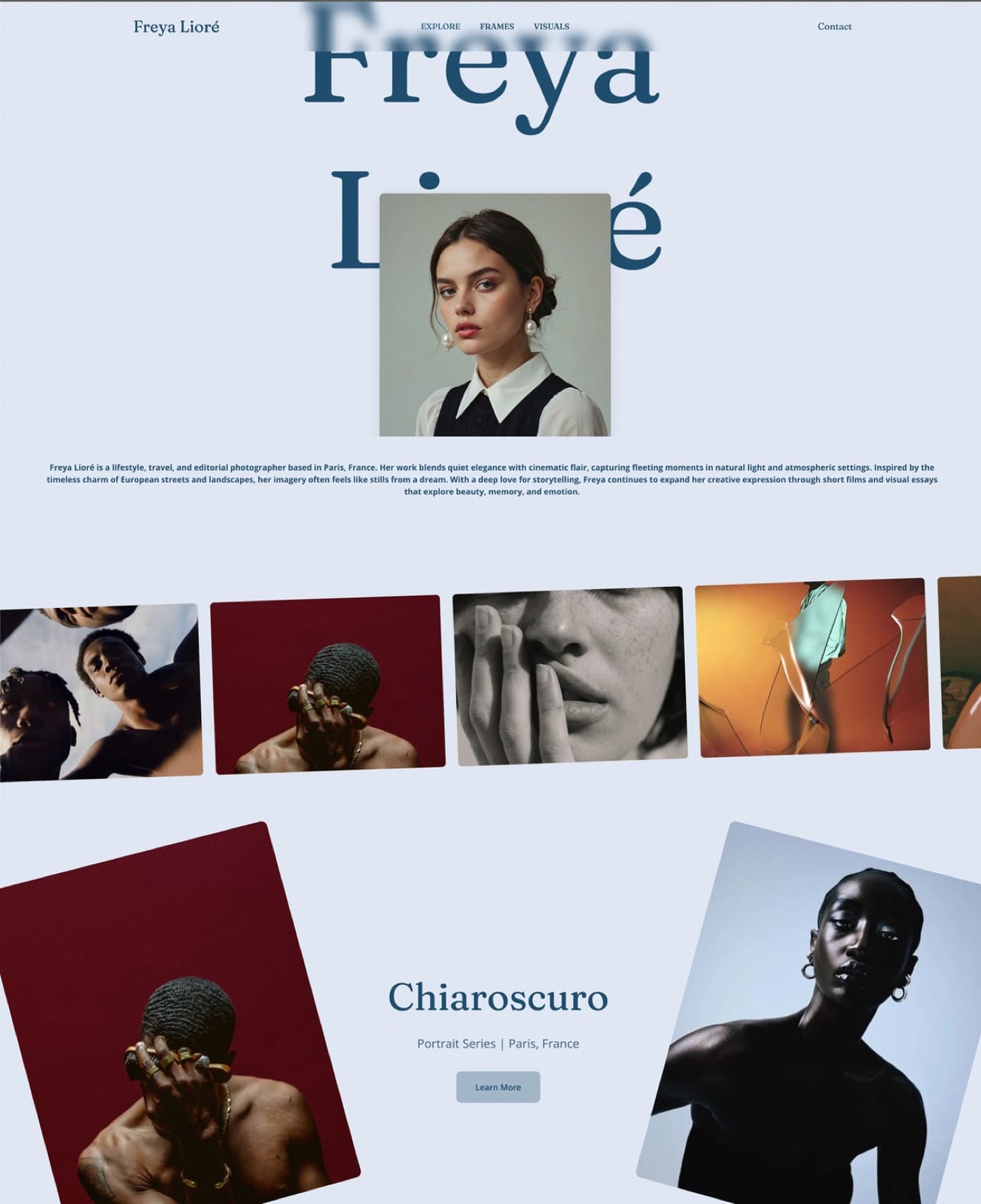
A designer's software bill is the least designed thing most designers own. We compared nine platforms on four deliverables, from published plans and docs, to find which collapses the stack.
The thing people cannot name about their Notion portfolio is that it looks like a Notion page. Here is when that matters and when it does not.
Nobody can tell from a finished frame whether it was paid for. A portfolio is evidence of judgement, not of employment, which is why a briefed personal project beats a weak client job.
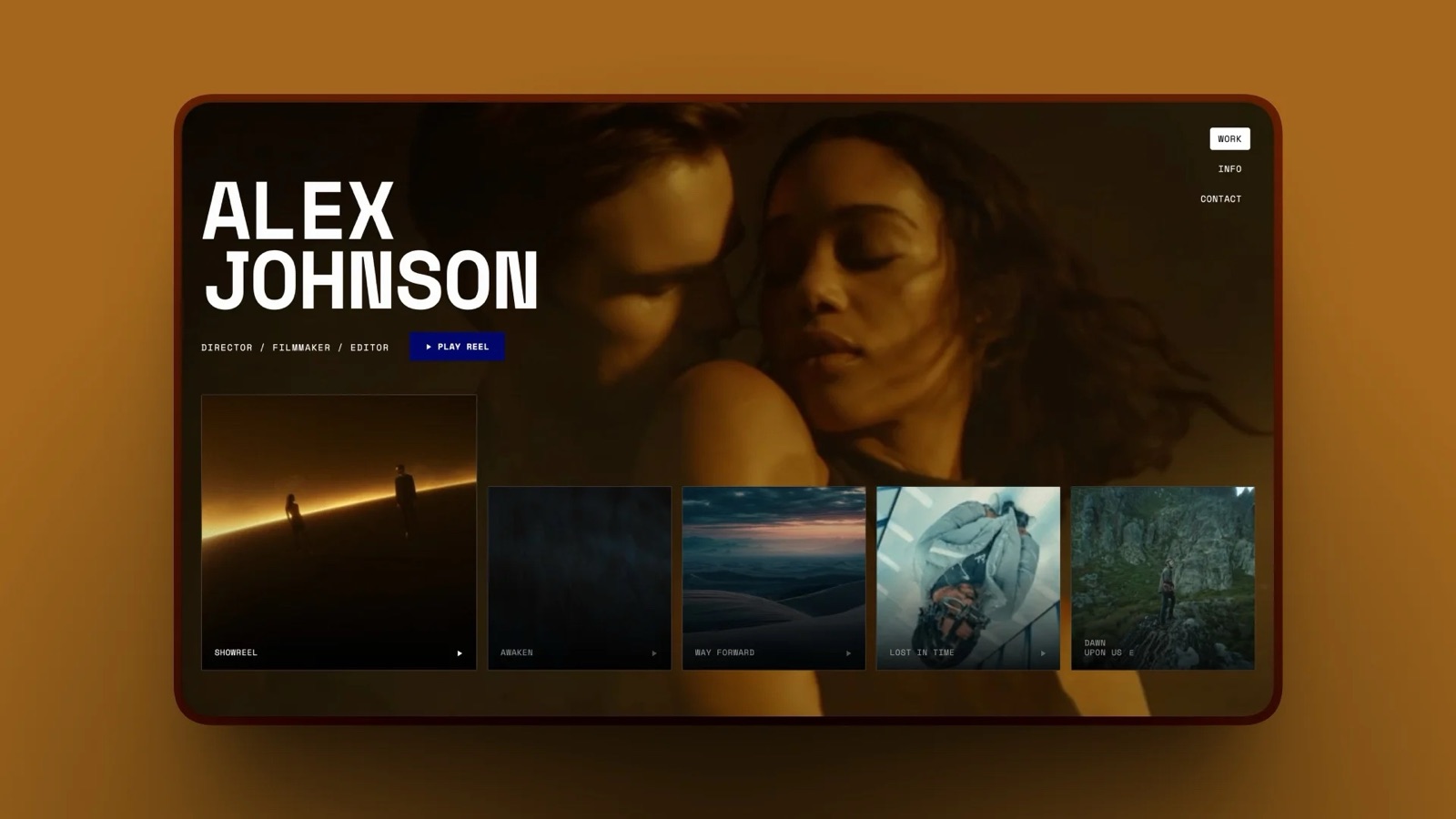
Fourteen independent filmmaker, editor and production company sites plus five real Framekit customer sites, grouped by the lesson worth stealing: role, niche, credits, price, or product.
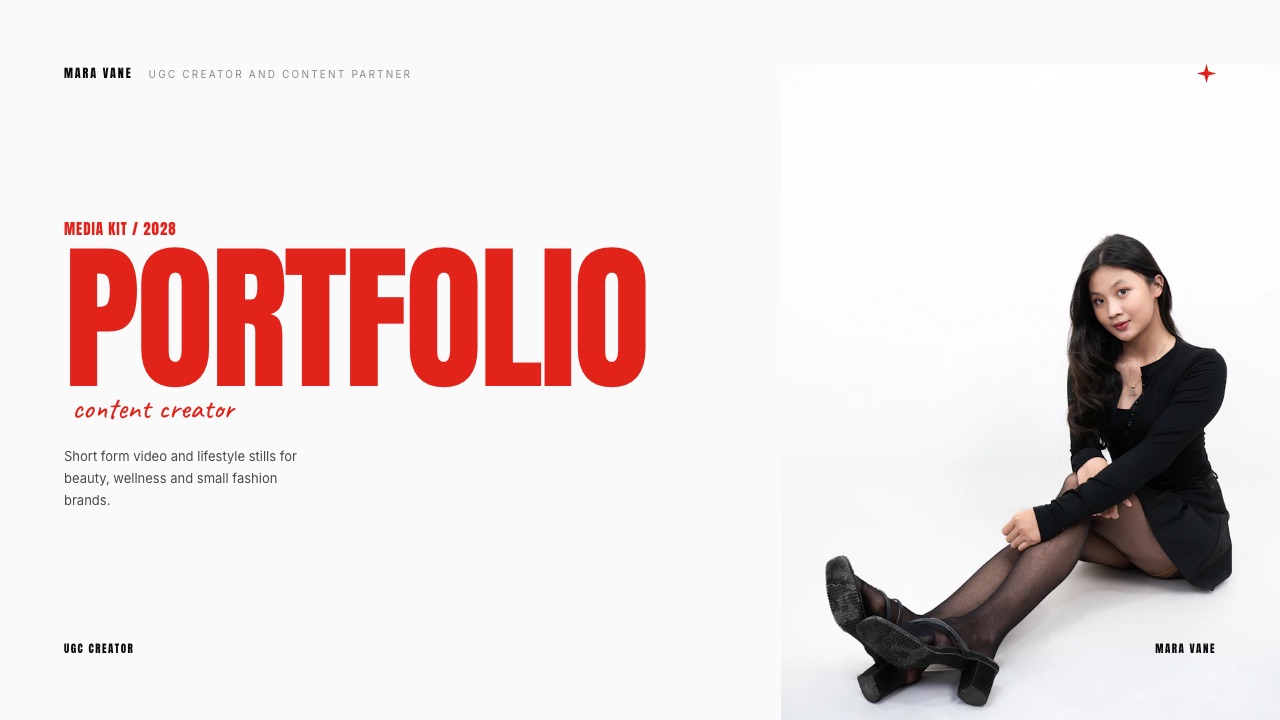
Eight portfolio patterns that get UGC creators hired, what a brand checks in the first 30 seconds, how to build one with no brand deals yet, and where to host it.
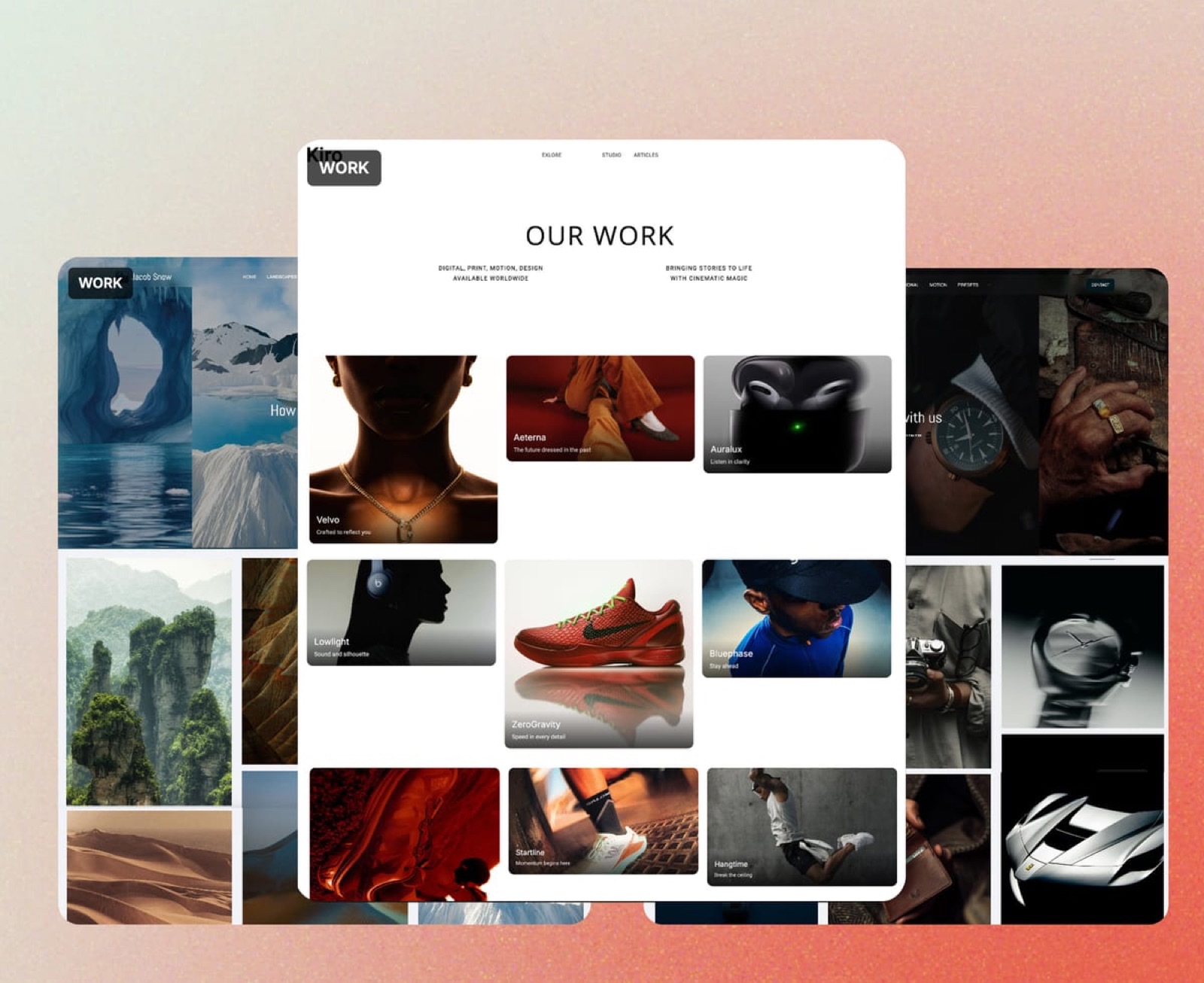
Twelve live portfolios from studios and solo designers, grouped by the lesson each teaches, with the structure behind their case studies and a plan for building yours.
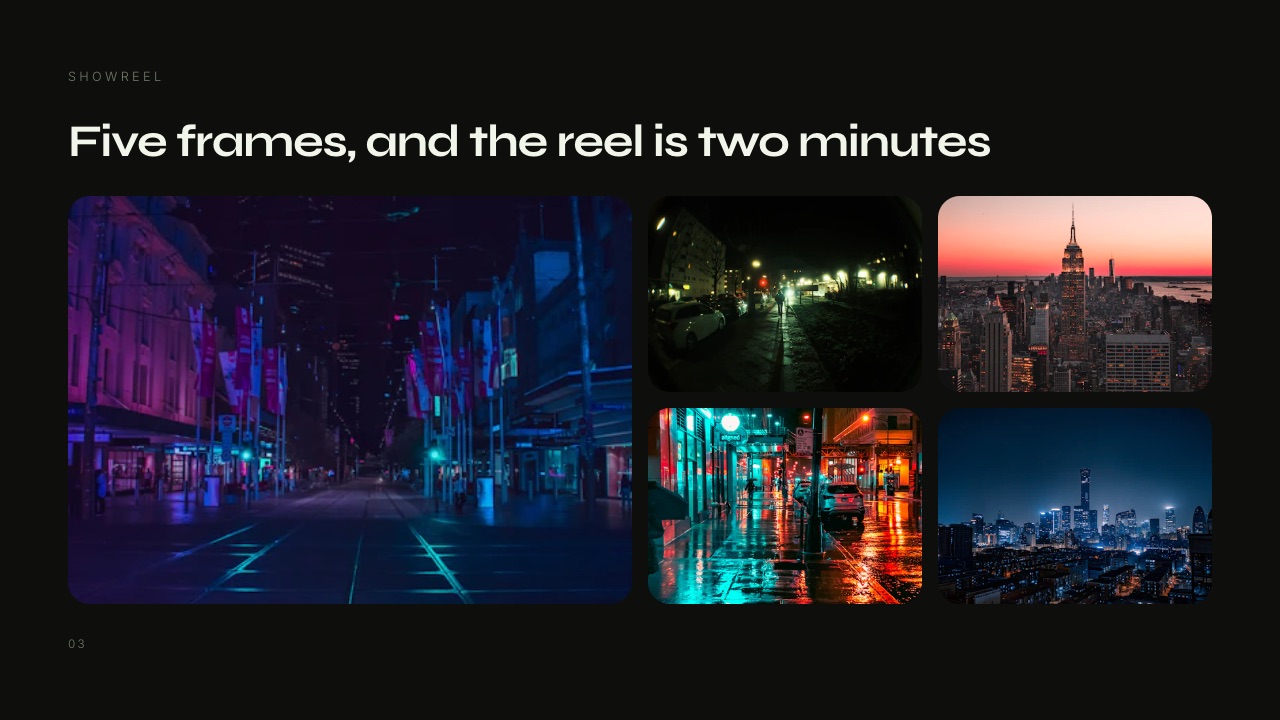
A nine-step build plan for editors, DPs and directors: pick the job, score every shot, spend the first ten seconds wisely, clear the music, label your role, get timecoded notes and export for the web.
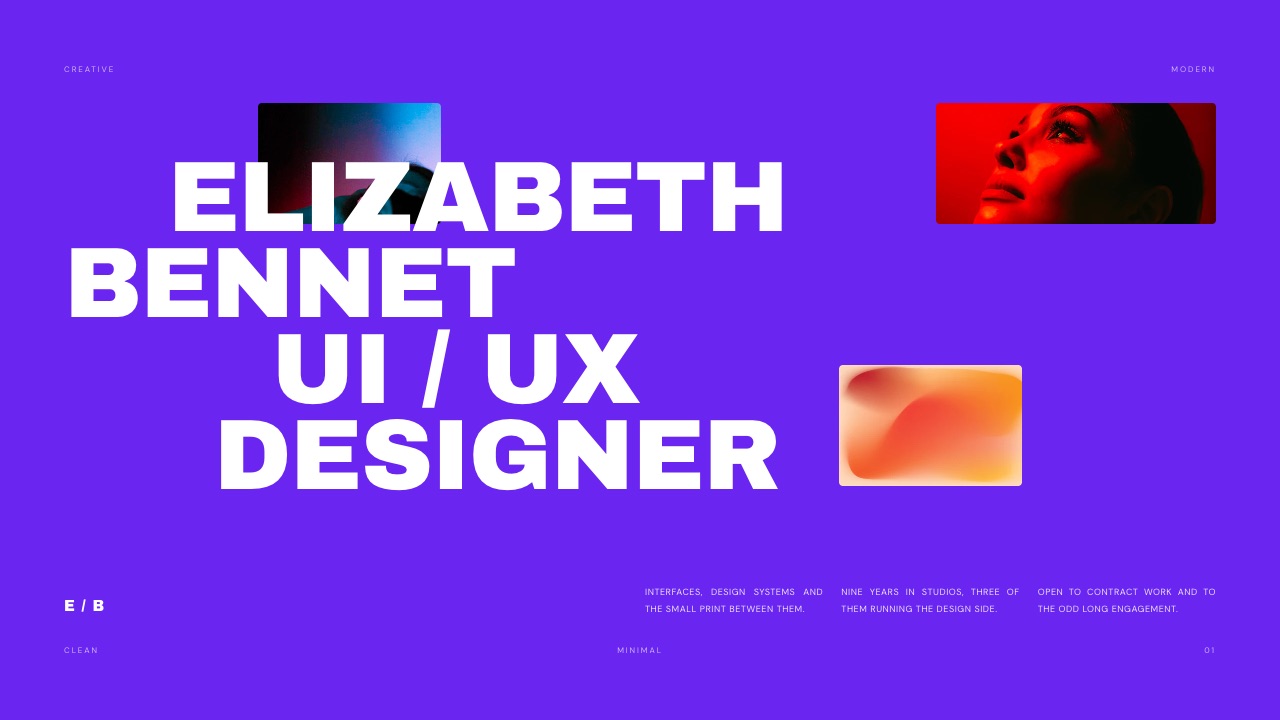
Hiring teams give you a fixed slot and ask for the same four answers. Here is the template that divides the clock between them, slide by slide, plus the tools worth presenting from.
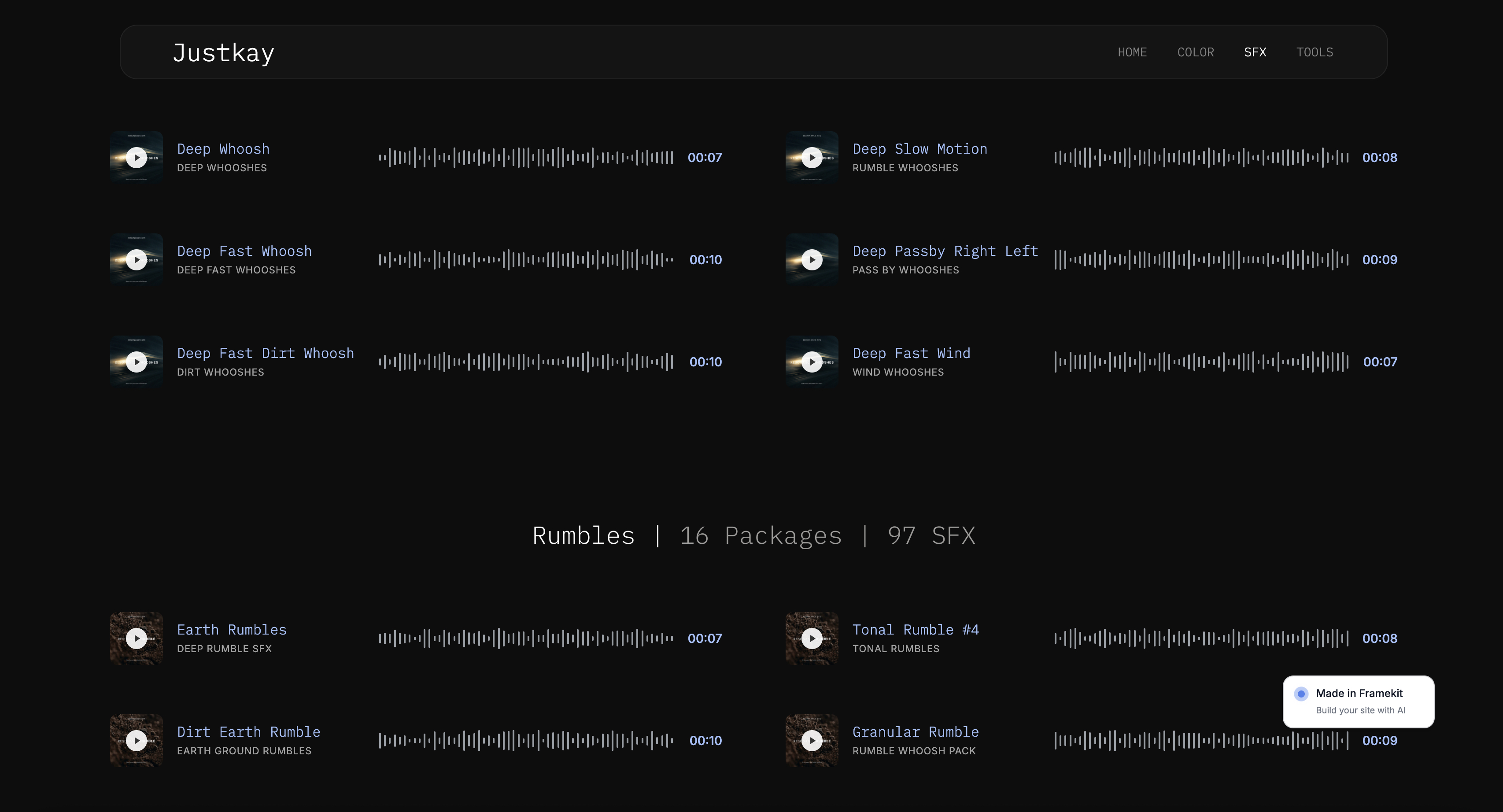
Agencies still ask for a portfolio PDF and then bounce it for being 40MB. Here is how to build one that opens everywhere, stays sharp, and survives email.
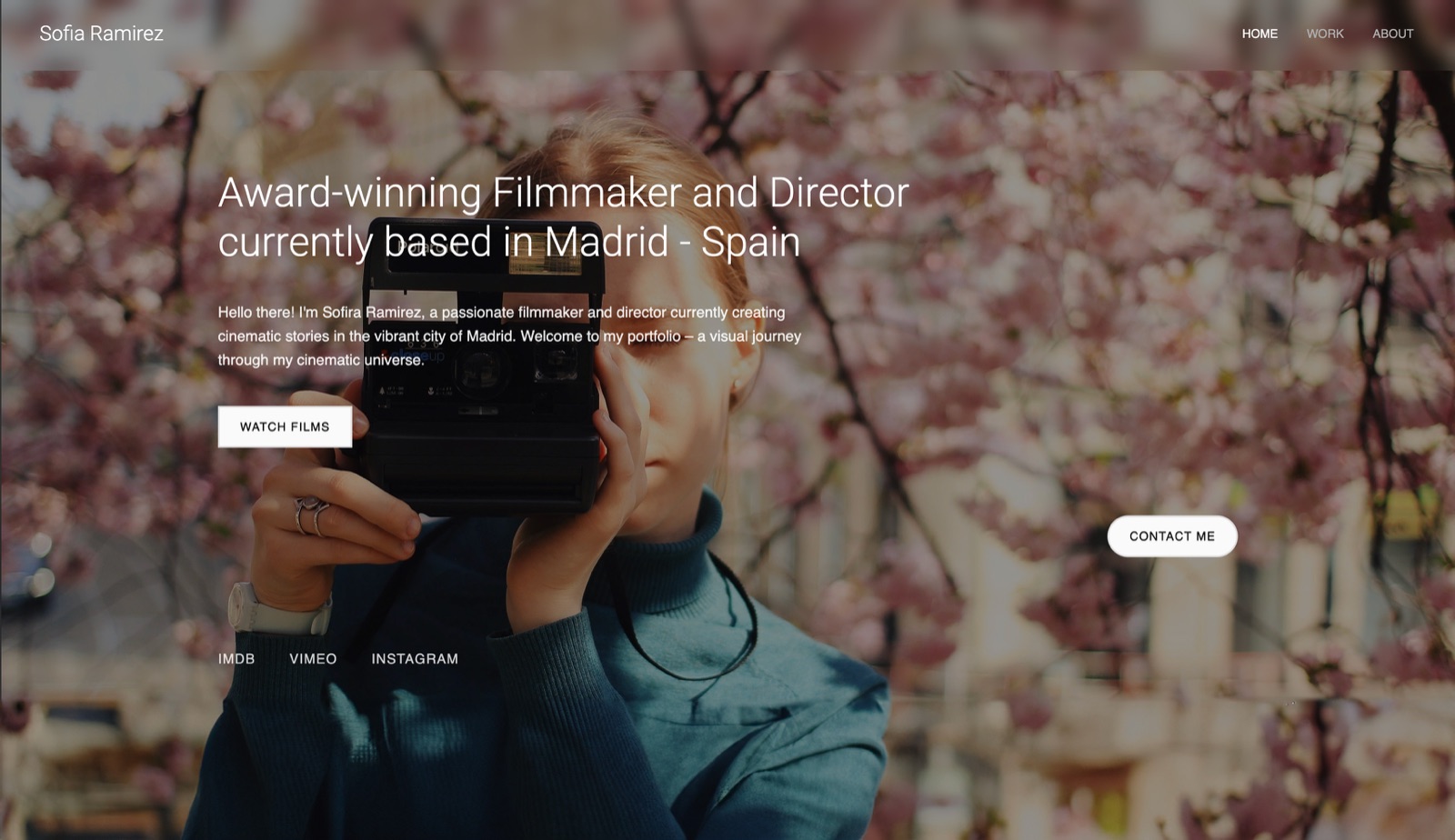
Most design case studies are skimmed by someone deciding whether to keep reading. We compared seven formats on what they publish and cost, and set out the structure that survives that.
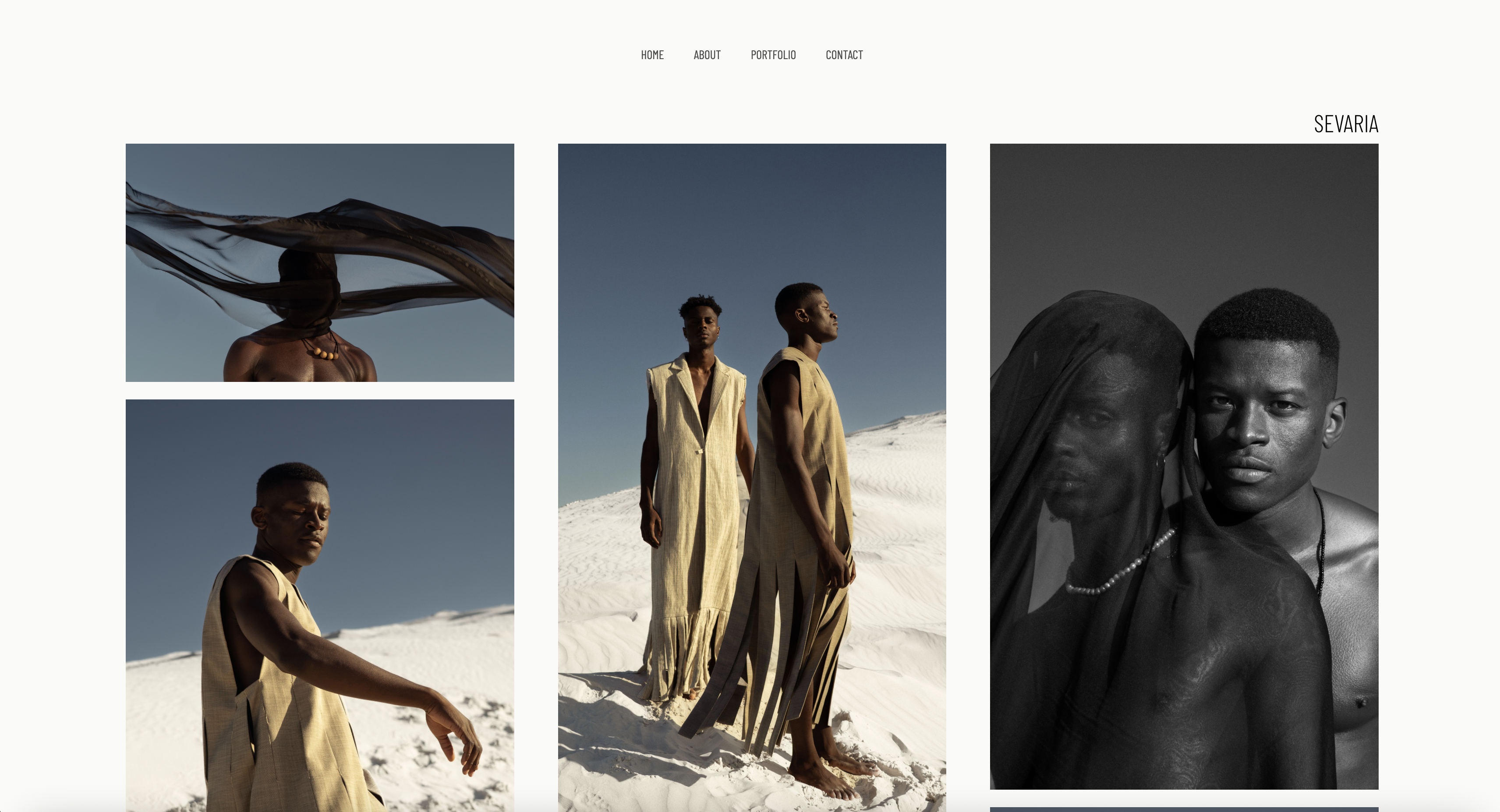
A tour publicist decides in fifteen seconds on a phone. We compared eleven builders on delivery, credentials and what each costs per show across a sixty-show year.
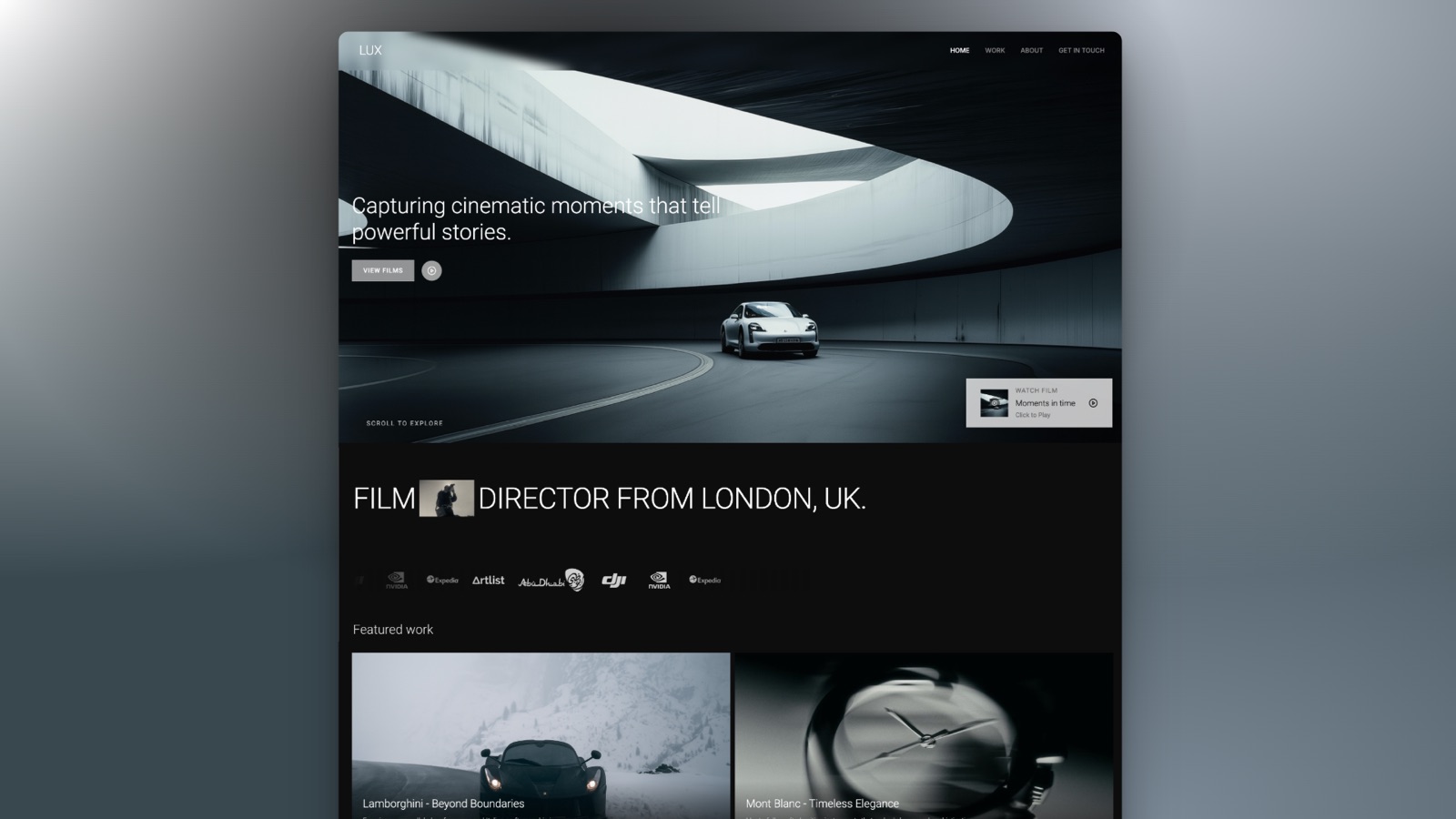
A portfolio website template is only free if your builder includes it, and two of the most design-respected platforms sell their best ones separately. The second cost nobody mentions is what it takes to change template two years later.
OpenAI, Anthropic, Perplexity and Google each run a search crawler and a training crawler under different names. Most site owners who block AI block both, which quietly removes them from the answers rather than from the training data.
A 15% cut of a $900 print is 21% of your profit, not 15% of anything. We compared nine builders on margin, lab choice and the resolution they serve to strangers.
The person opening a food stylist's site is a producer with a shoot date. We compared ten builders on quote legibility, prop separation and permission to publish.
We compared 11 tools against the same 40-image mood board to find where each free plan actually stops, which ones a client can open, and which are worth paying for.
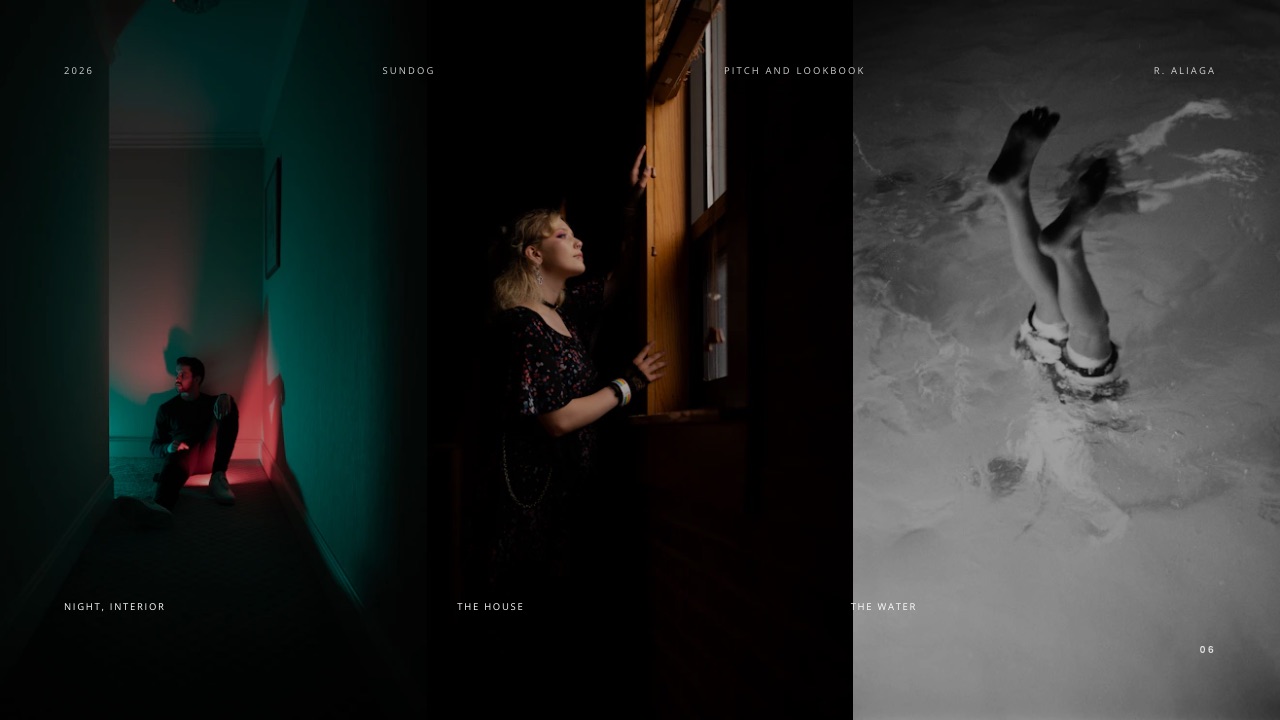
A lookbook is judged on image quality and opened on a phone, and most lookbook tools are optimised for neither. We compared 8 tools against the same 24-page lookbook.
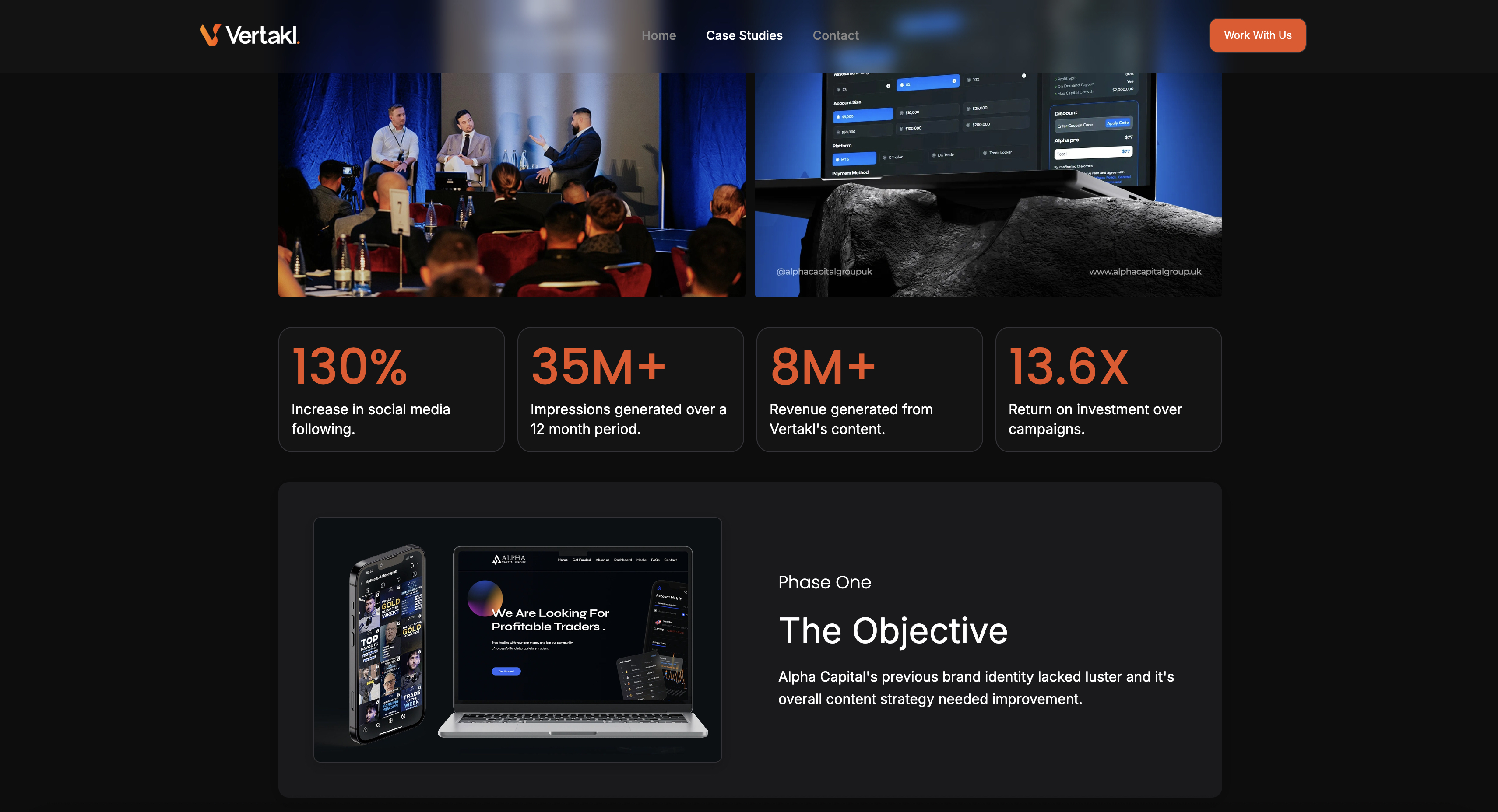
Photographers are judged on the images in the deck, and most presentation tools quietly degrade them. Six tools compared on the route your frames take to the client.
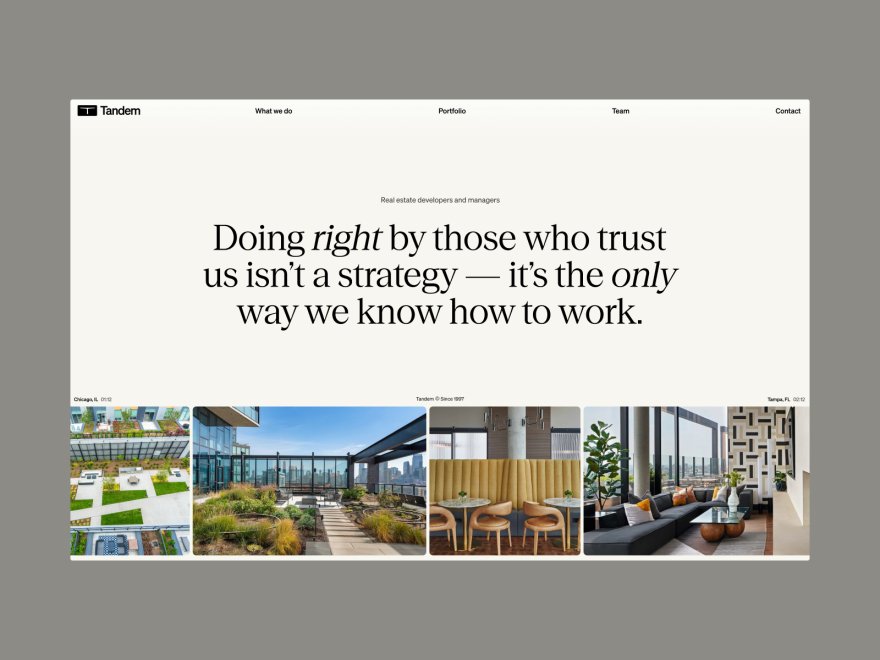
Page 40 makes no sense before page 39, yet almost every builder treats work as a gallery. We compared nine options on sequence, archives and reader ownership.
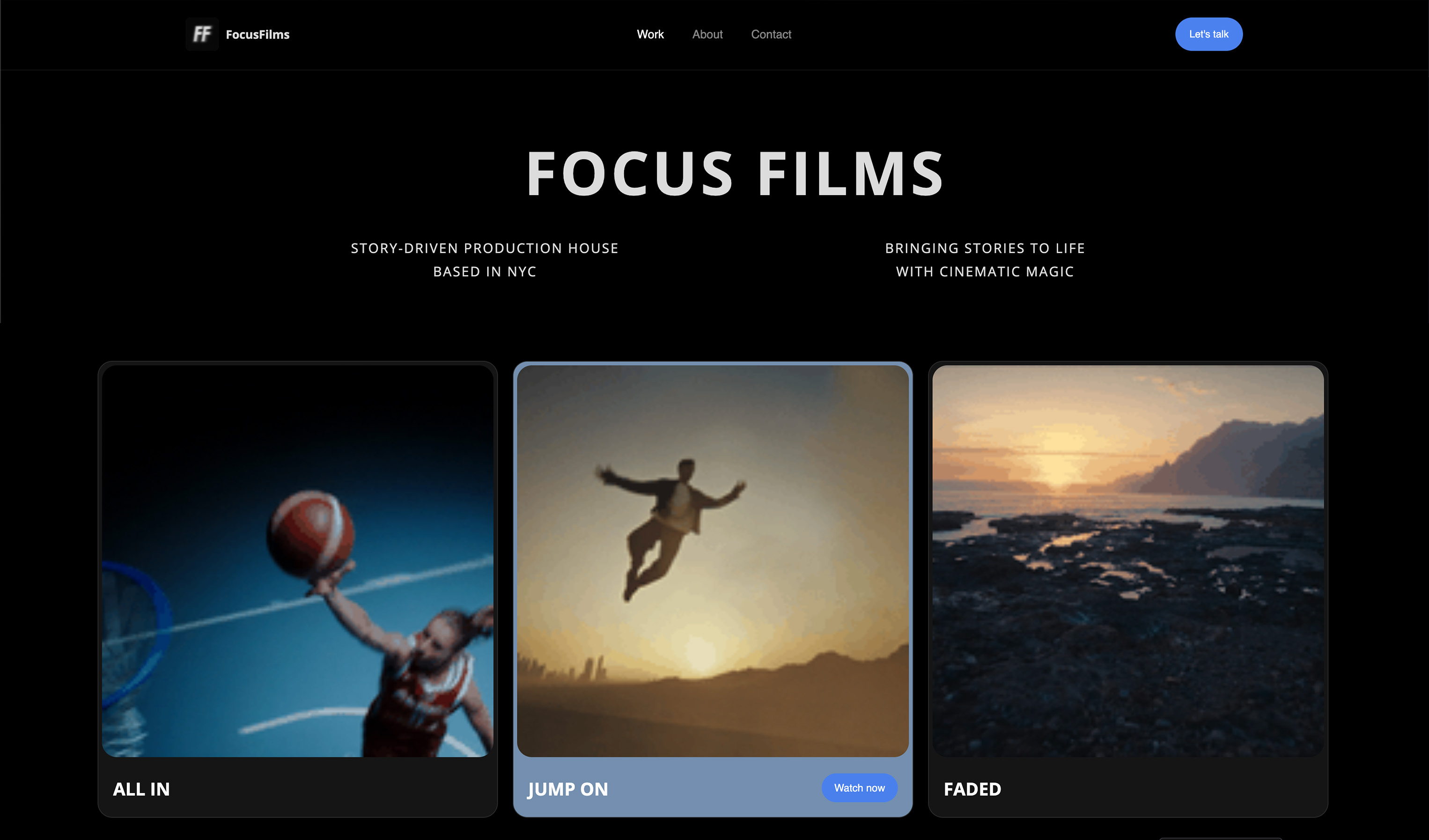
Process is now provenance as well as proof of skill. We compared eleven options on sequences, discovery and what selling brushes and artbooks actually costs.

The better your recent VFX work, the less of it you can show. We compared eight options on breakdowns, shot lists and where a reel too big to upload should live.
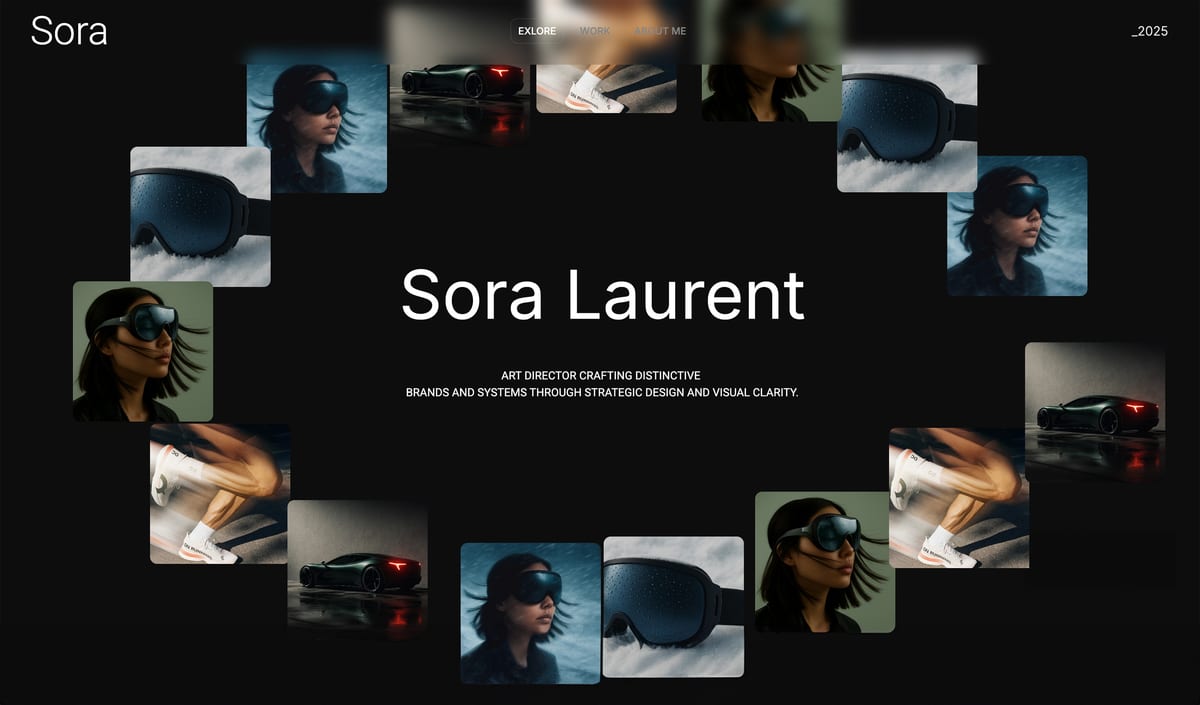
A creative director's portfolio shows work made by other people at your direction. We compared seven builders on case studies, credit precision and protected work.
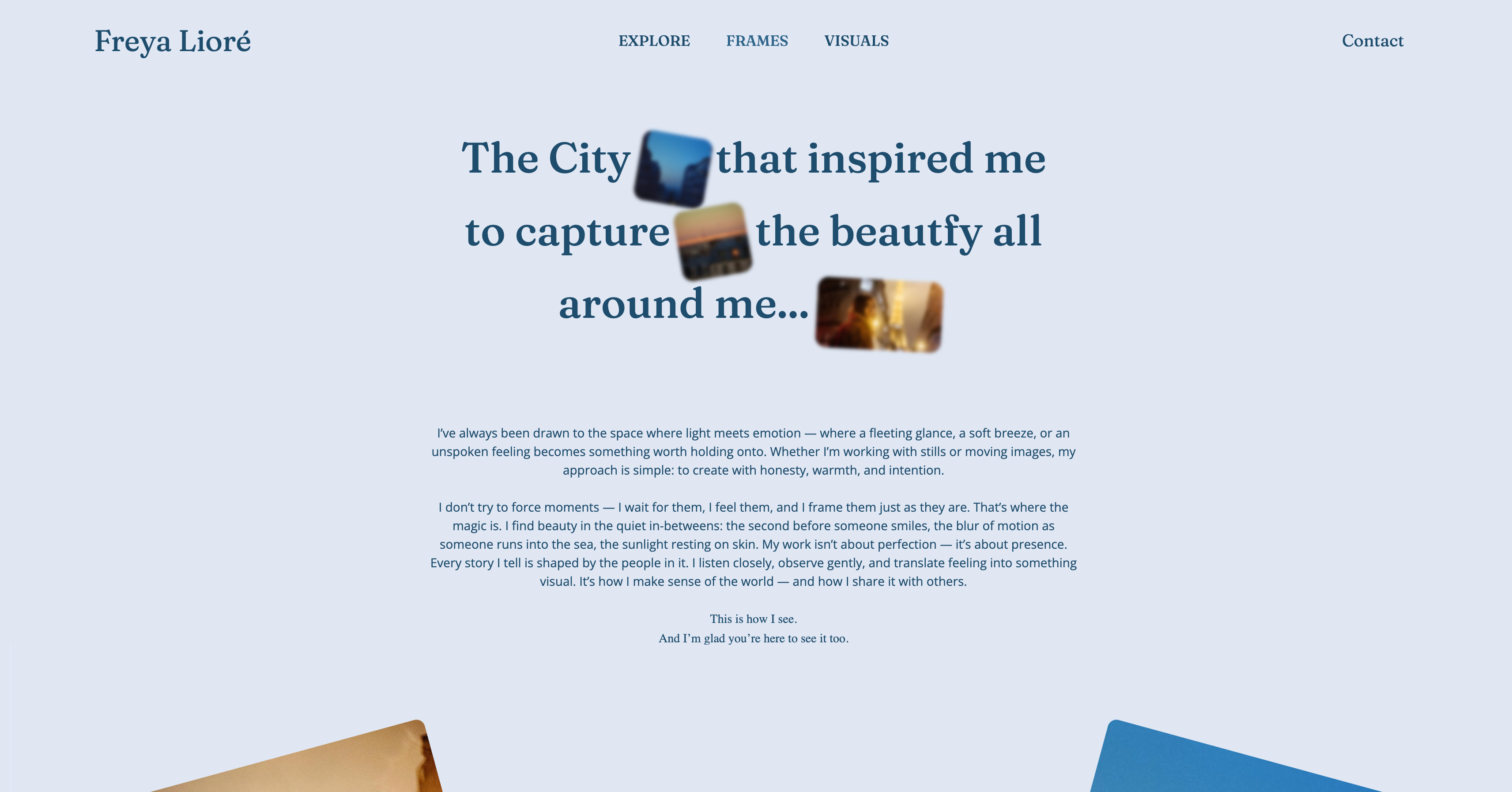
A retoucher's portfolio is built from other people's photographs. We compared nine builders on before-and-after presentation, delivery and what you may publish.
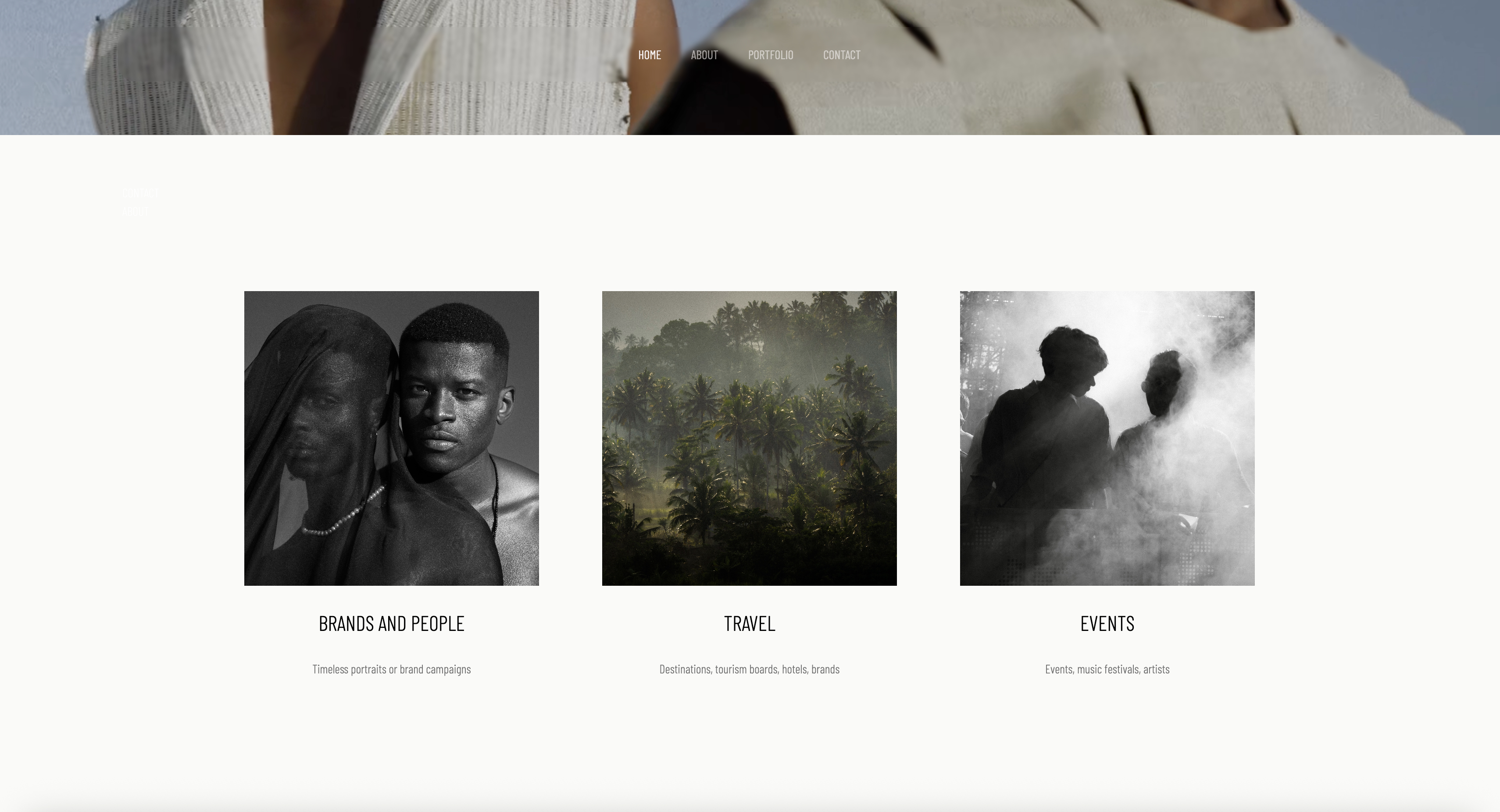
A photojournalist's caption is the professional part of the file, and a builder that re-encodes can throw it away. We compared seven on metadata, archives and funding.
Voice acting is the one field where you pay for the privilege of auditioning. We compared eleven options on demos, direct booking and the AI clause you now need.
A one-stop cue licenses in one signature, and almost no composer says so on their site. We compared eight builders on tone-first presentation and direct licensing.
You cannot put sound in a grid, and no browser will play it unprompted. We compared nine builders on audio handling, A/B demos and what selling a pack really costs.
One number decides this comparison for almost every photographer, and it is not a feature. It is one terabyte. Both price ladders, read at source, with the crossover worked out.
An animator's portfolio has to move before anyone clicks. We compared eleven builders on motion handling, discovery and what selling a rig pack actually costs.
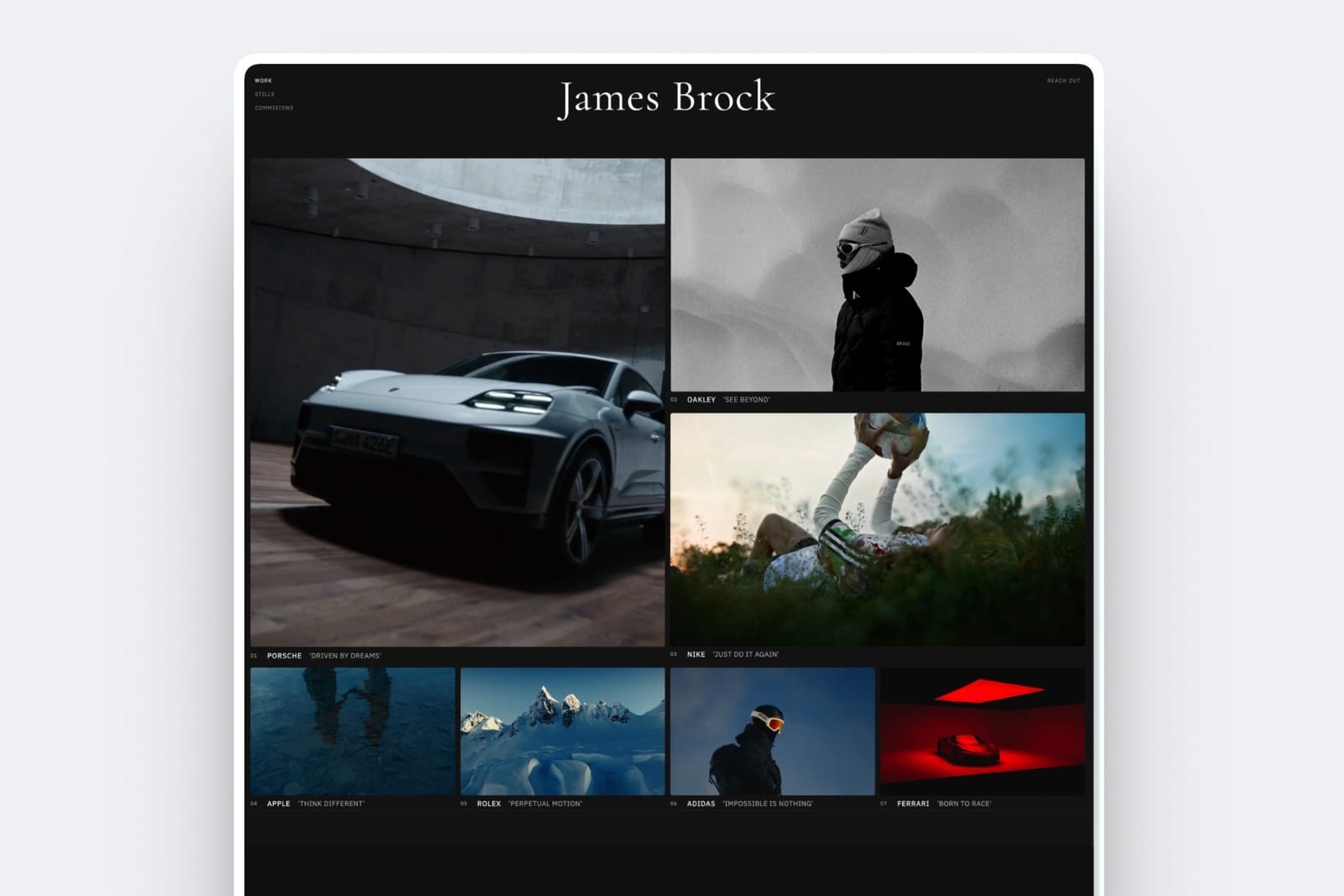
Your reel is judged in the first ten seconds by someone on a phone between meetings. We compared 9 showreel hosting platforms on the two questions that decide it: where the file streams from, and whose page it lives on.
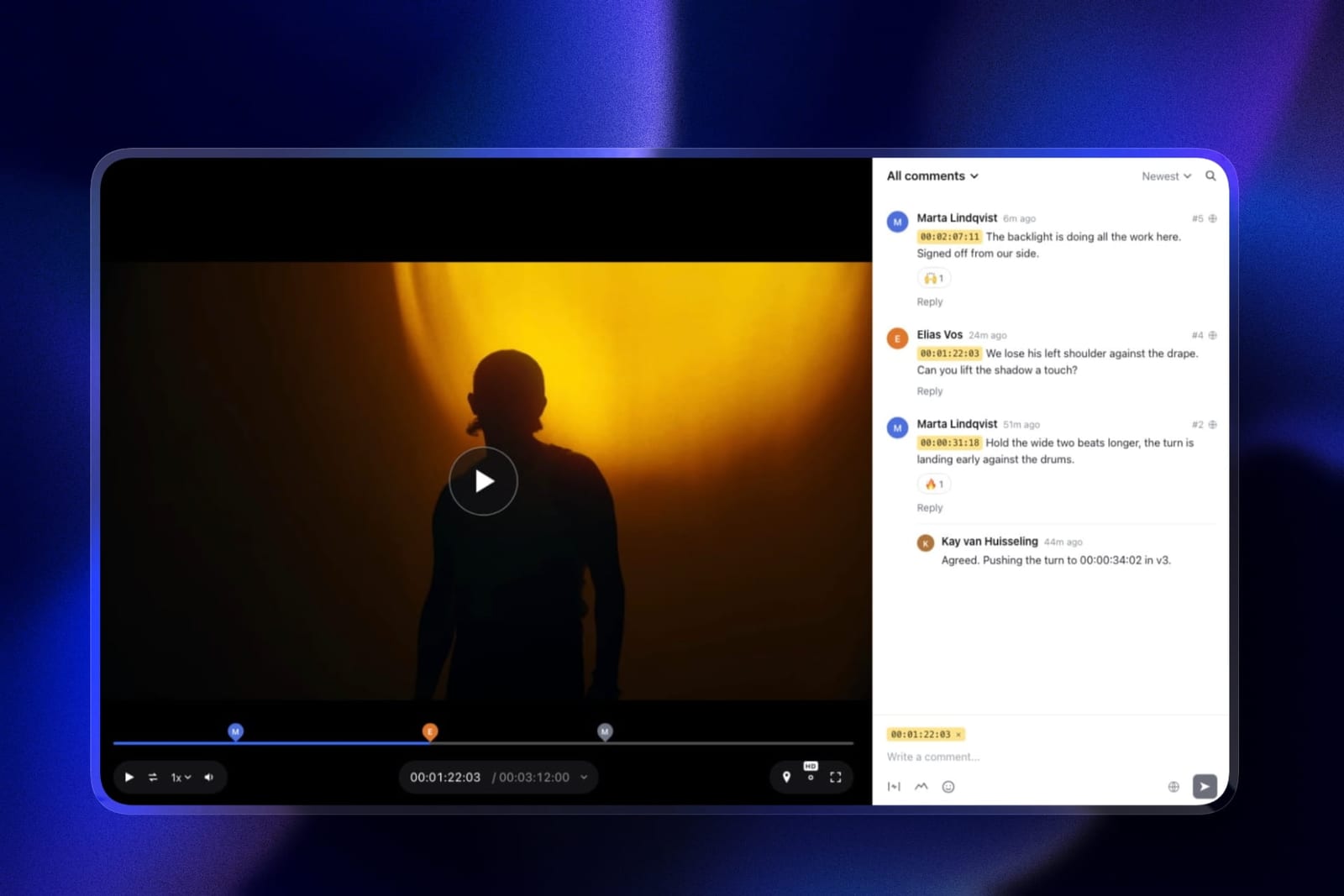
Film students need a crew review tool and a portfolio, in that order, and almost nobody sells to them. We compared 9 tools on free tiers and genuine academic pricing.
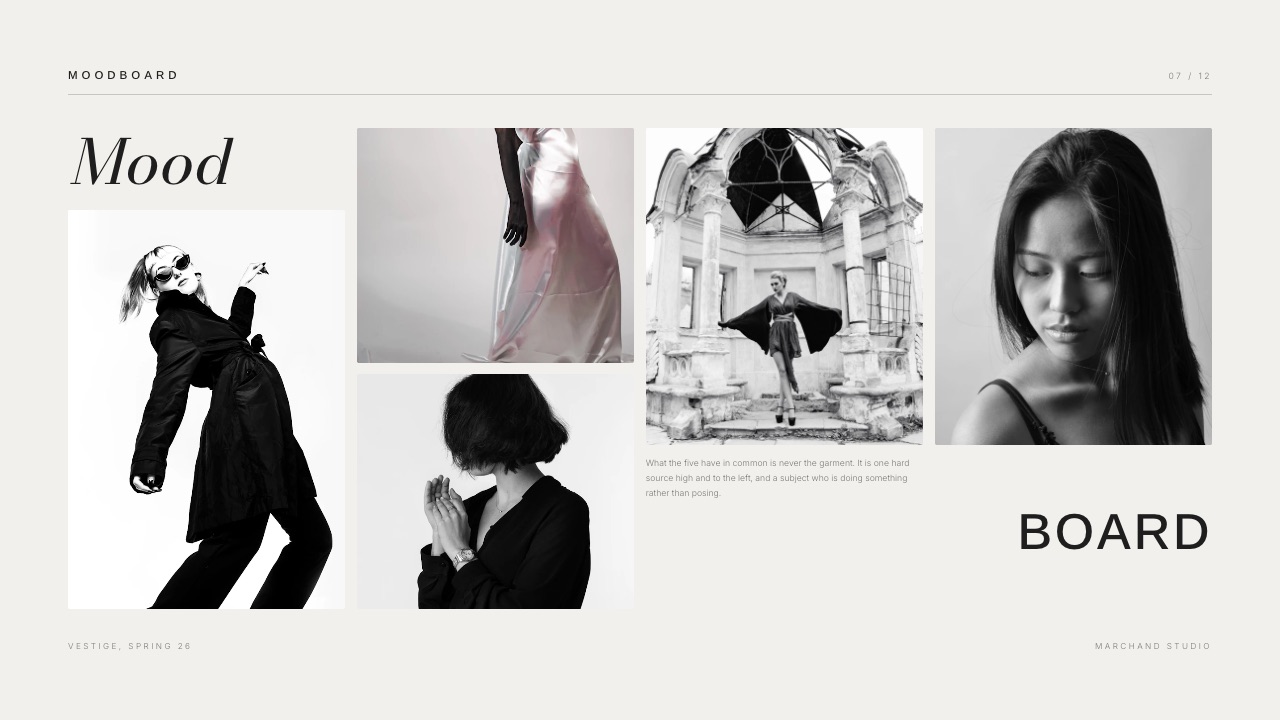
Most mood board tools are built to collect other people's images, not to send a document a client can open and approve. We compared 12 tools on exact free-tier limits, per-editor cost, client link access without a signup, export, and what happens to your boards when you stop paying.
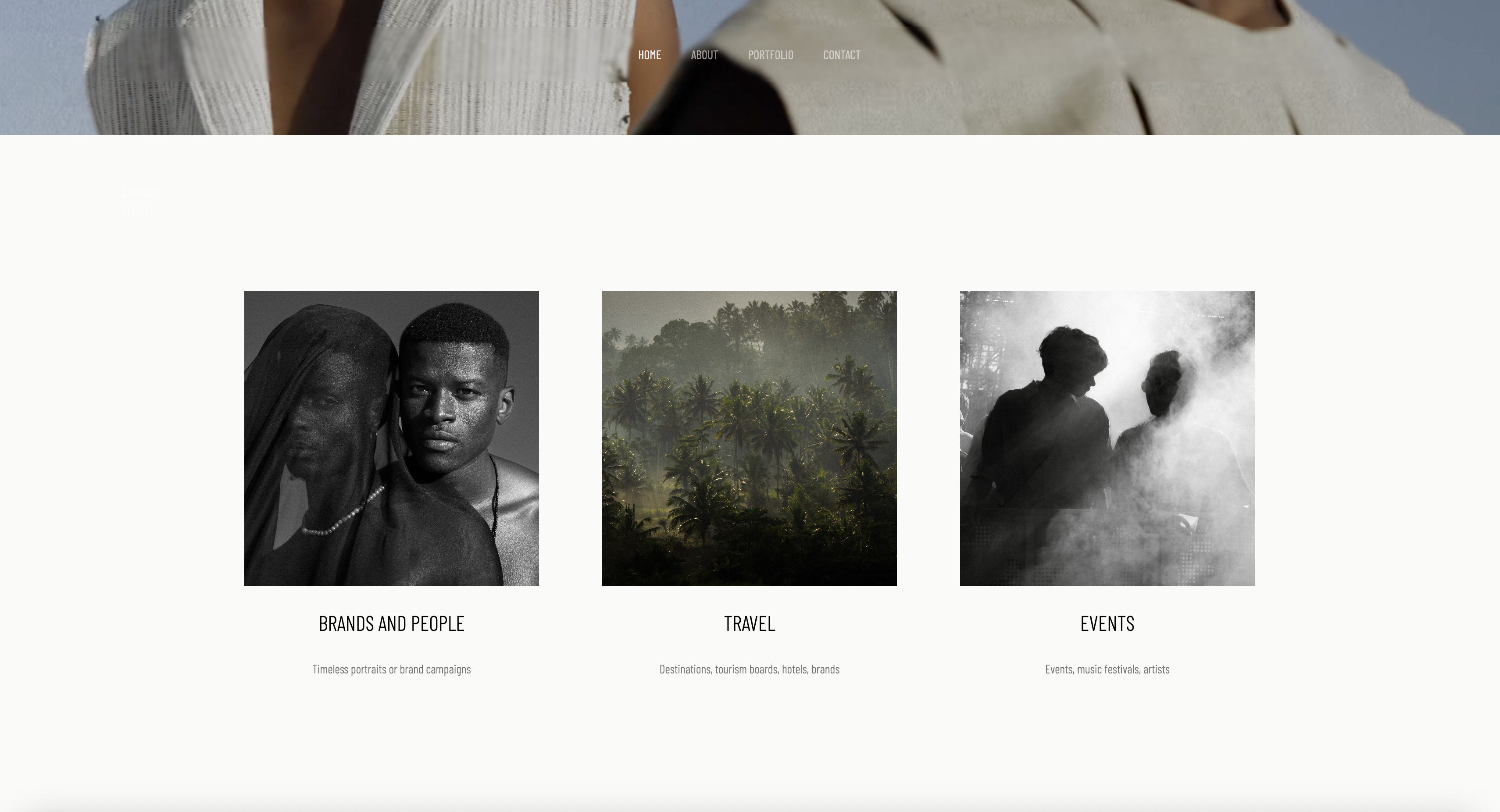
Adobe Portfolio costs nothing extra with Creative Cloud: 12 themes, up to 5 sites, Lightroom sync, and a custom domain. It also has no store, no client galleries, no blog, and the site goes offline 14 days after you cancel Creative Cloud. Here is who free is actually good for.
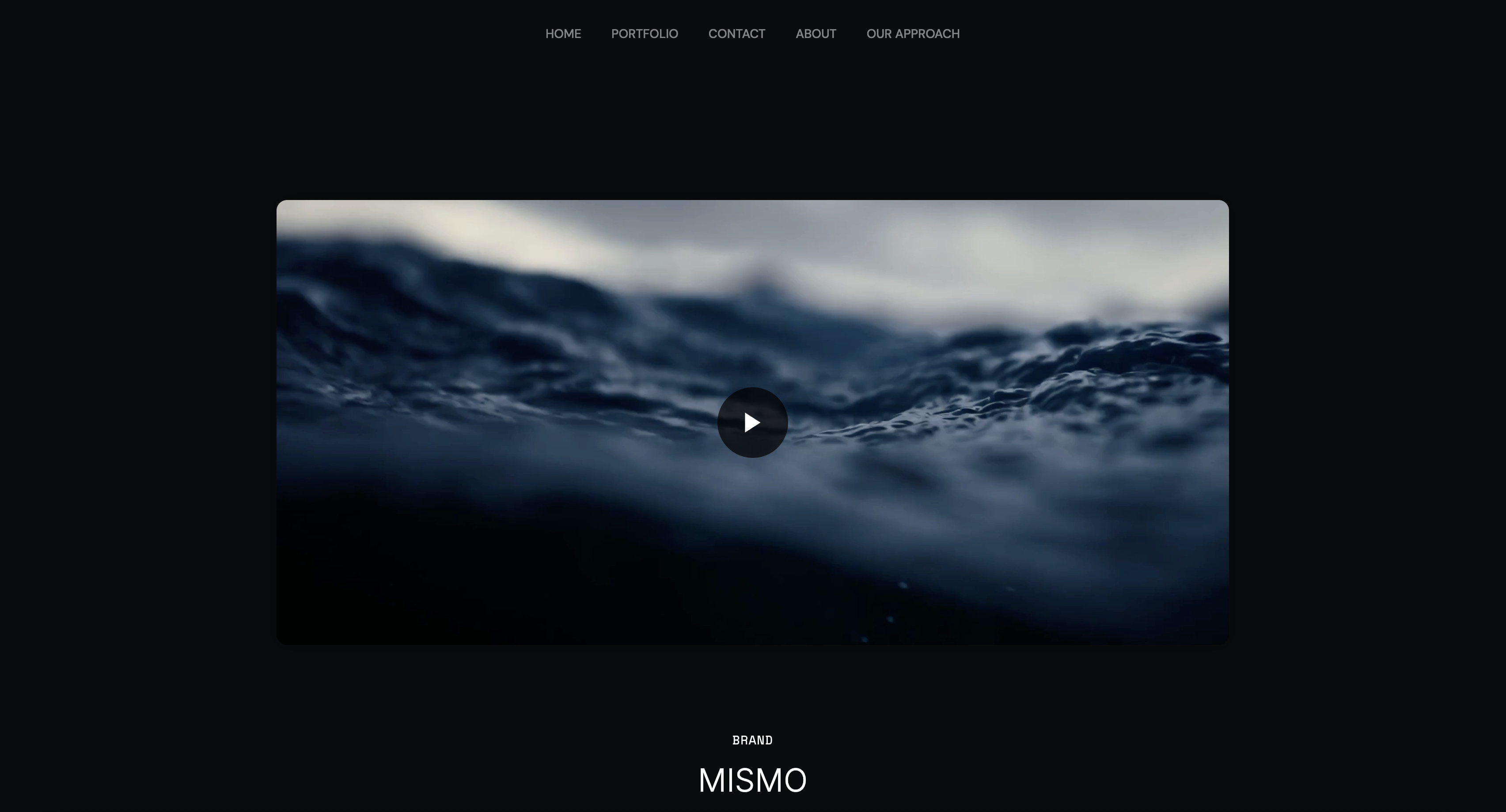
Pixieset's paid plans start at $8 a month and its free plan takes 15% of every store sale. For a photographer selling $4,000 a year through galleries, staying free costs $600. Here is exactly when Pixieset earns its price and when it does not.
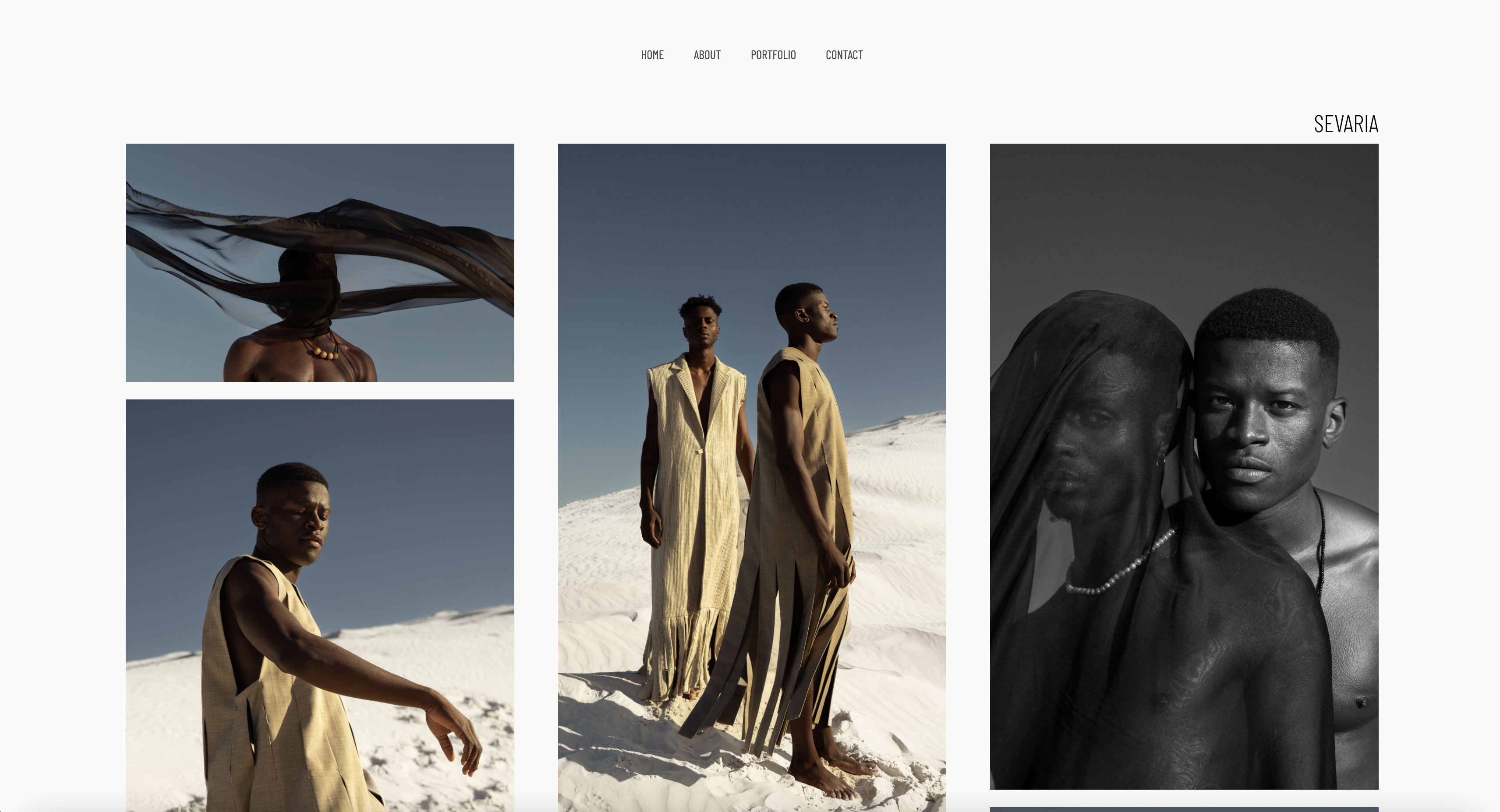
Substack takes 10% of your subscription revenue; Ghost takes none. And the publication that ran your best piece can delete its archive tomorrow. We compared 12 website builders for writers on fees, clip permanence, and who owns the reader.
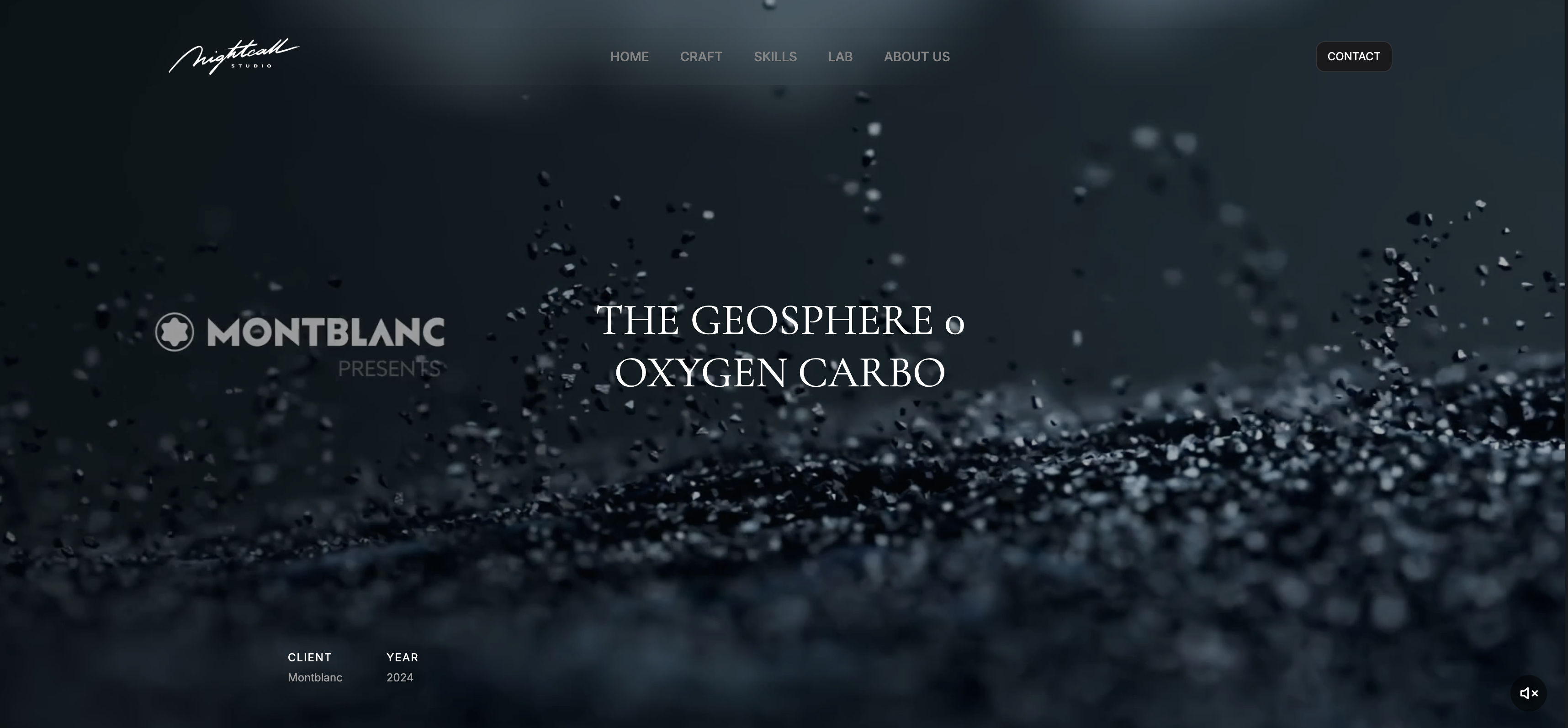
Your university web space disappears when you graduate, and so does every link on your CV. We compared 11 portfolio websites for students on free plans, custom domains, and what actually survives the day your account is deactivated.
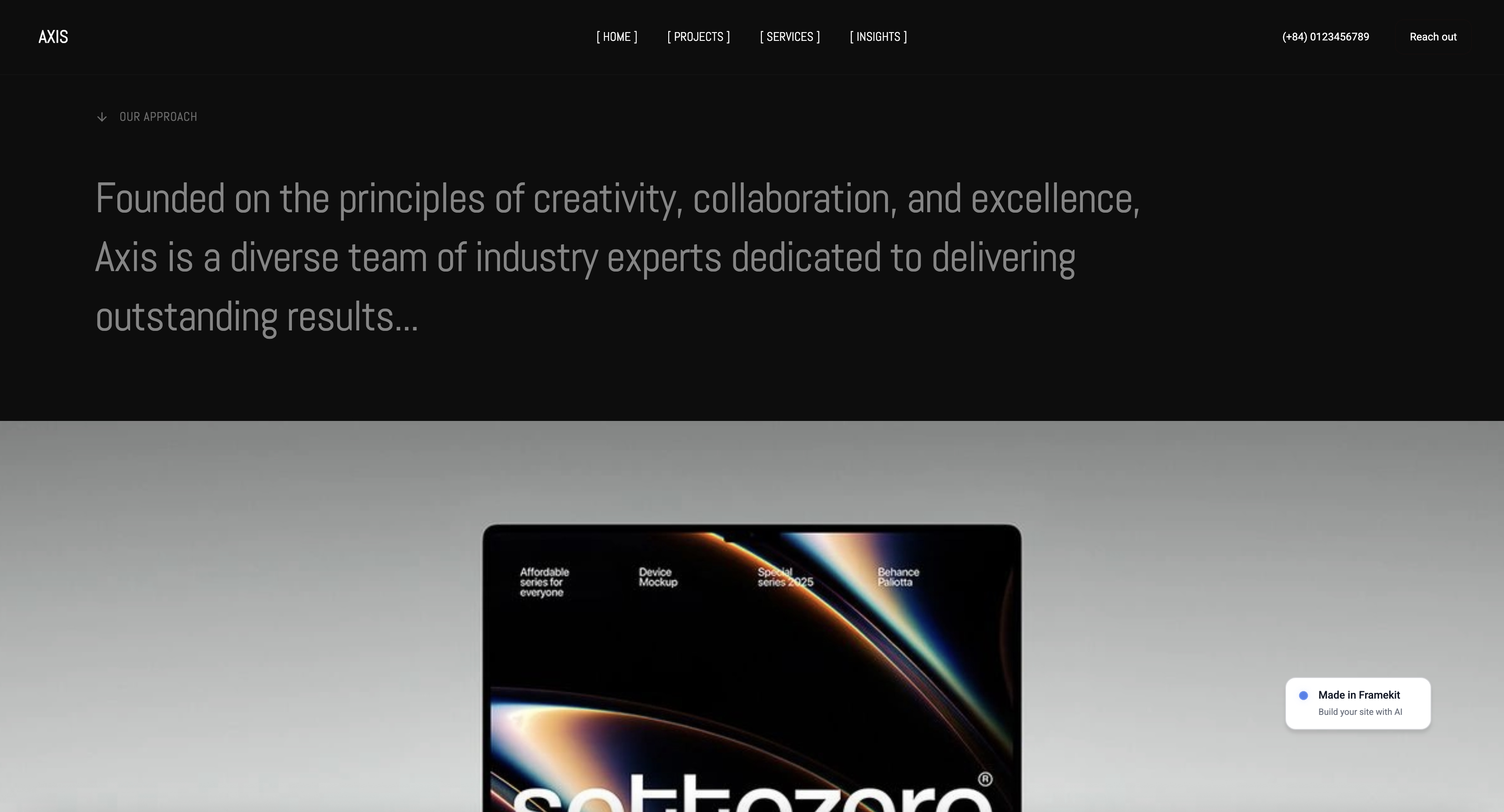
Dribbble charges a subscription and then takes a cut of the client work it sends you. We compared 11 Dribbble alternatives on leads, fees, portfolio depth, and who owns the relationship when the project closes.

Behance costs nothing and takes something anyway: the URL, the search result for your own name, and the client who clicks a competitor in your related-projects rail. We weighed 11 Behance alternatives on published plans, ownership, discovery, and what each one lets you keep.
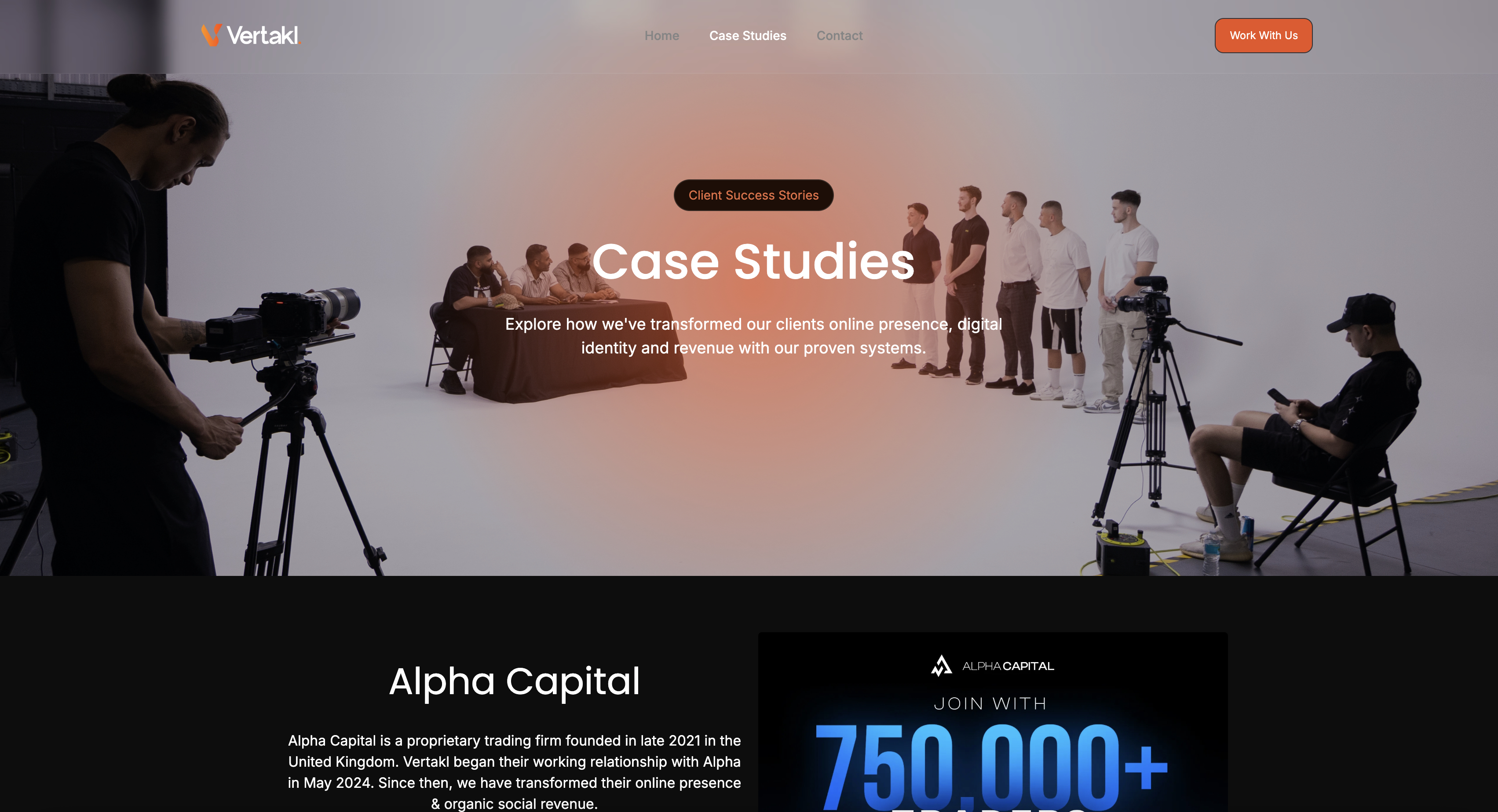
Epic bought ArtStation in 2021, the 2022 AI protest changed the feed, and the marketplace was folded into Fab during 2025. We compared 11 alternatives on their published terms, prices and revenue splits for ownership, recruiter reach, asset selling, and AI protection.
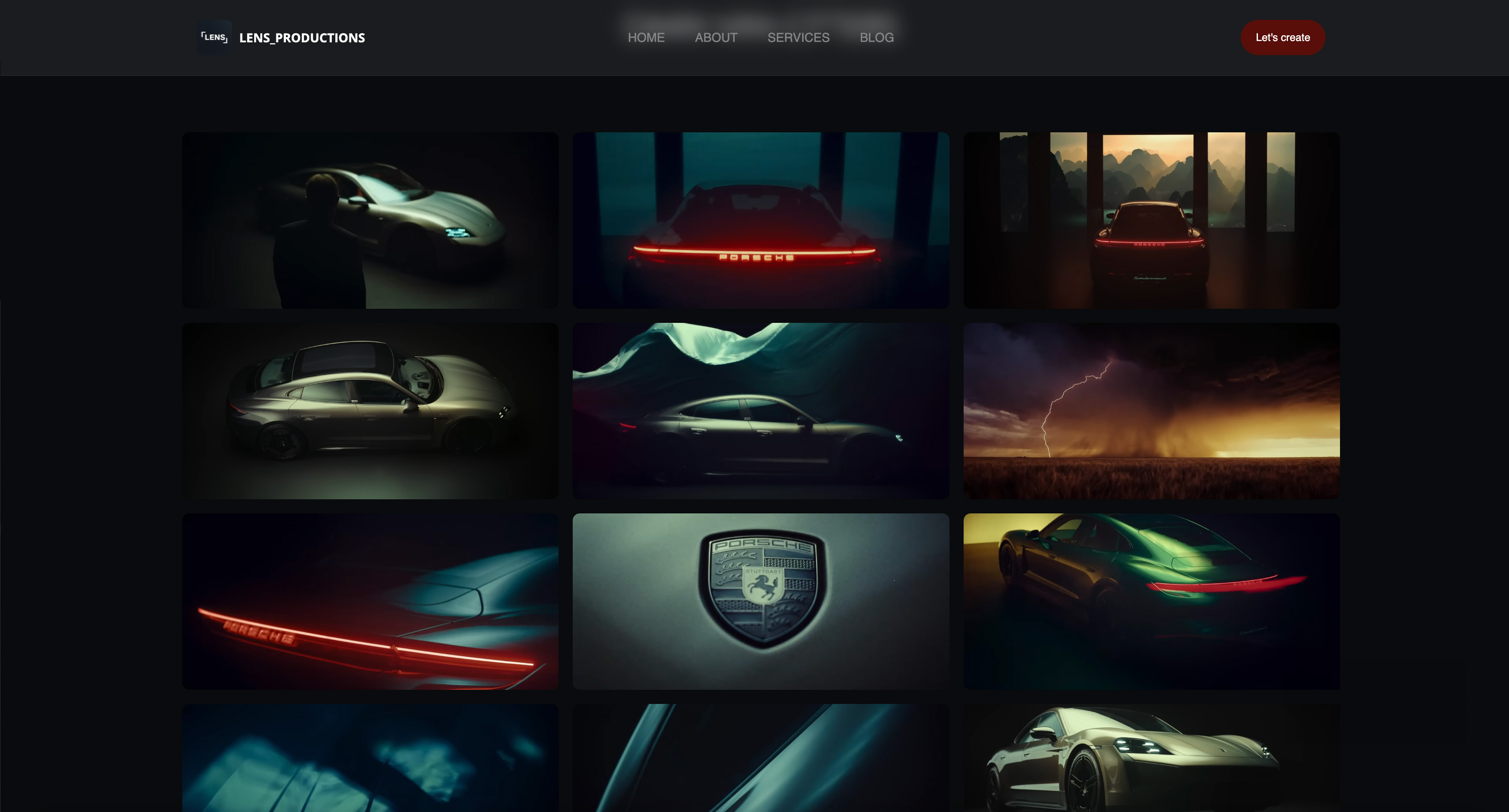
Your built work lives in on-set photos, renderings, technical drawings, and NDAs. A director wants to see the full project, and some of it is not public yet. We compared 6 website builders for set and production designers.
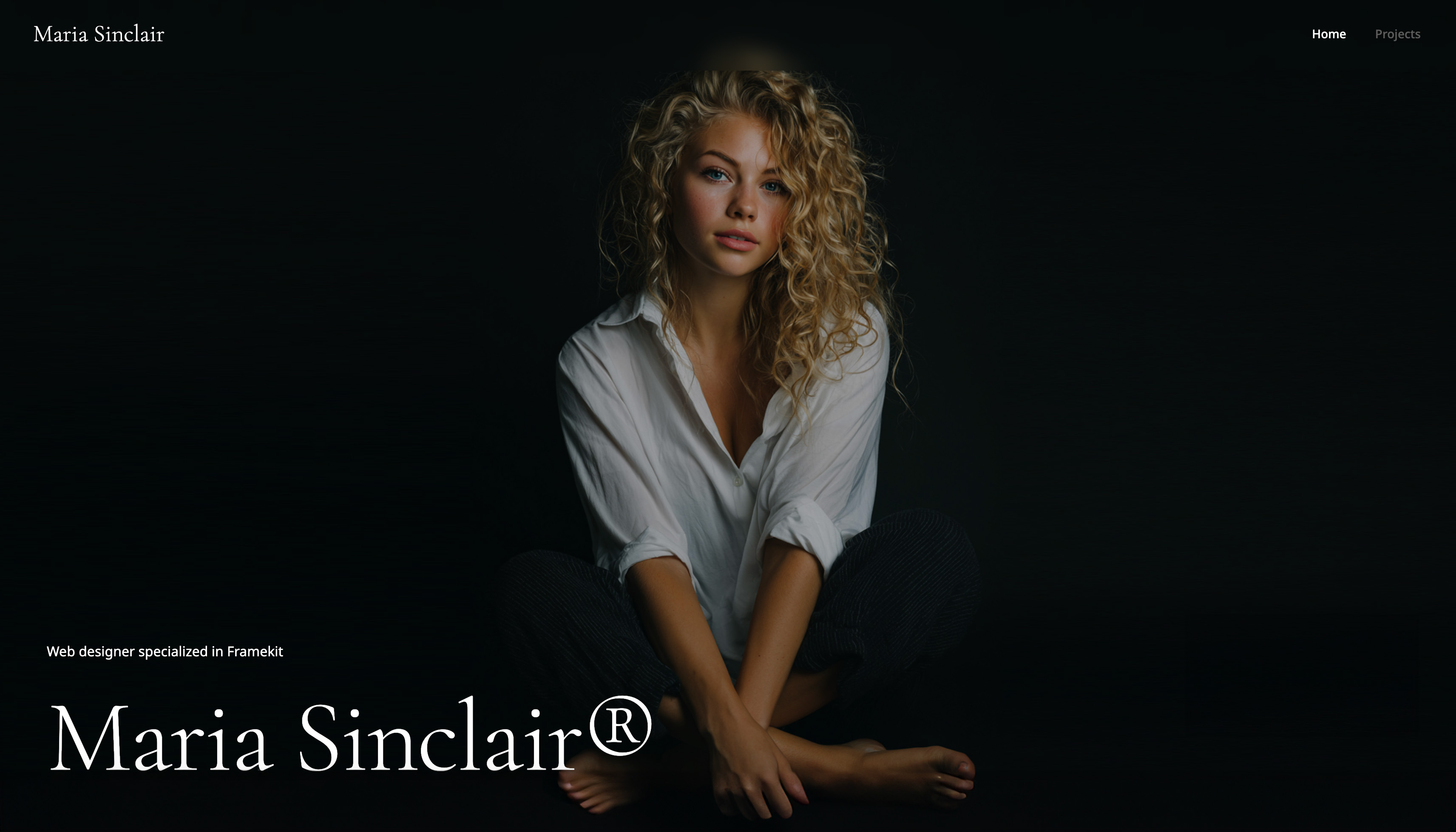
You sell the same repeat a dozen ways - fabric, wallpaper, a licensed print, a digital file - and the platform you choose decides how much money and which customers stay yours. We compared 5 website builders for surface pattern designers.
Your boards live in a studio's PDF, a Dropbox folder, and a grid that shuffles panel 6 above panel 1. A director wants to read the sequence in order. We compared 6 website builders for storyboard artists on sequence, animatics, and selling.
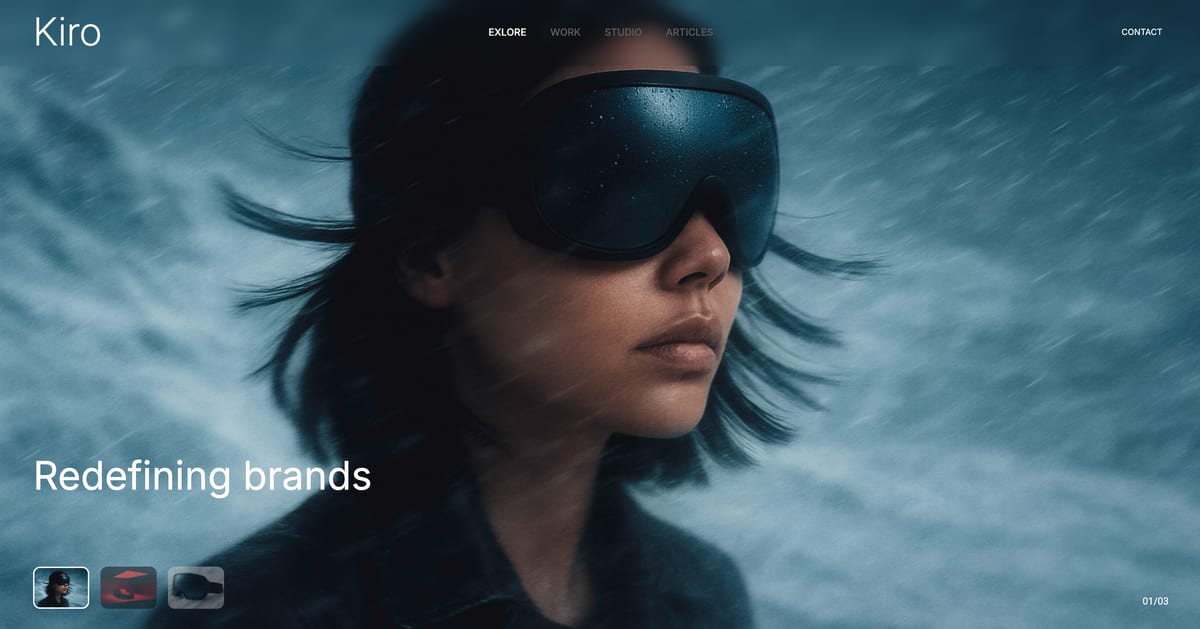
A buyer, an editor, or a manufacturer wants to see your collection presented like a label, not scroll a feed or open a PDF. We compared 6 website builders for fashion designers on collections, lookbooks, and ownership.
A director reviewing costume designers wants to see your looks and your credits in one curated place, not scattered across IMDb, PDFs, and a private folder. We compared 6 website builders for costume designers.

A developer, a city, or a brand ready to commission a wall wants to see your murals and reach you - not scroll a feed. We compared 6 website builders for muralists on portfolio, commissions, and ownership.
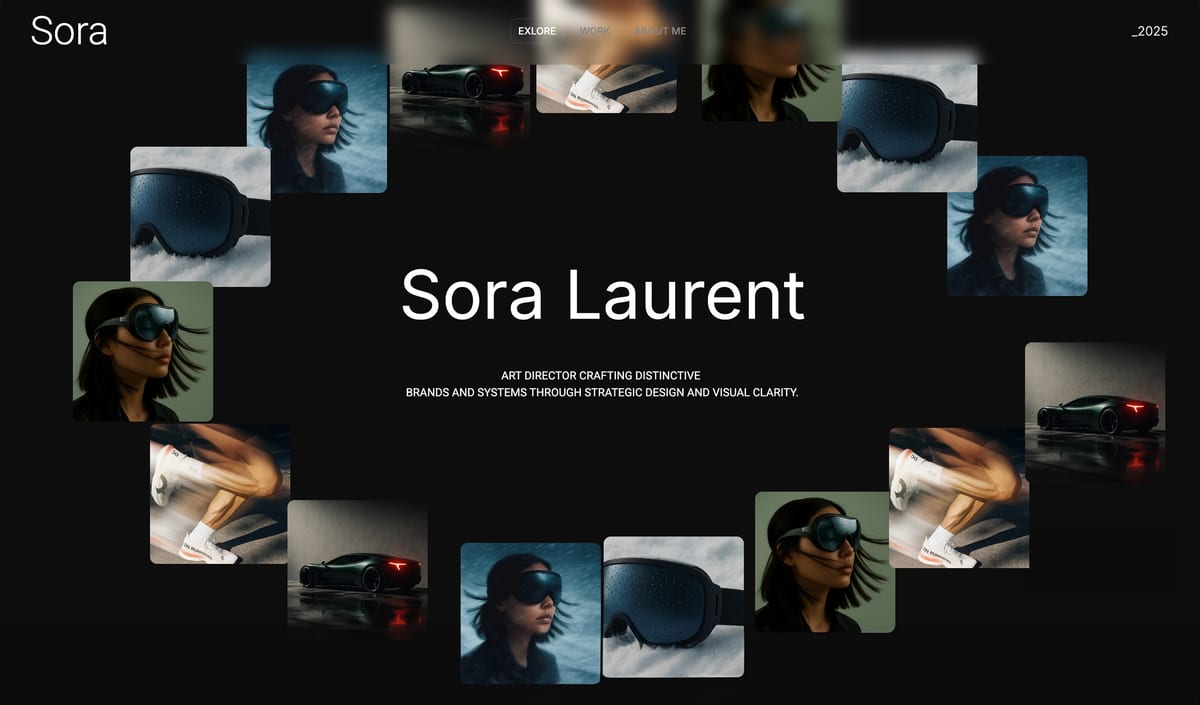
Your editorials live in tearsheets, PDFs, and someone else's feed. A client wants your book in one professional place they can trust. We compared 6 website builders for fashion stylists on portfolio, lookbooks, and selling.
Portfoliobox got your portfolio online cheaply, and it still looks like a template host, with limited design and a thin store. We compared 7 Portfoliobox alternatives that keep it simple and add a modern, sellable site you own.
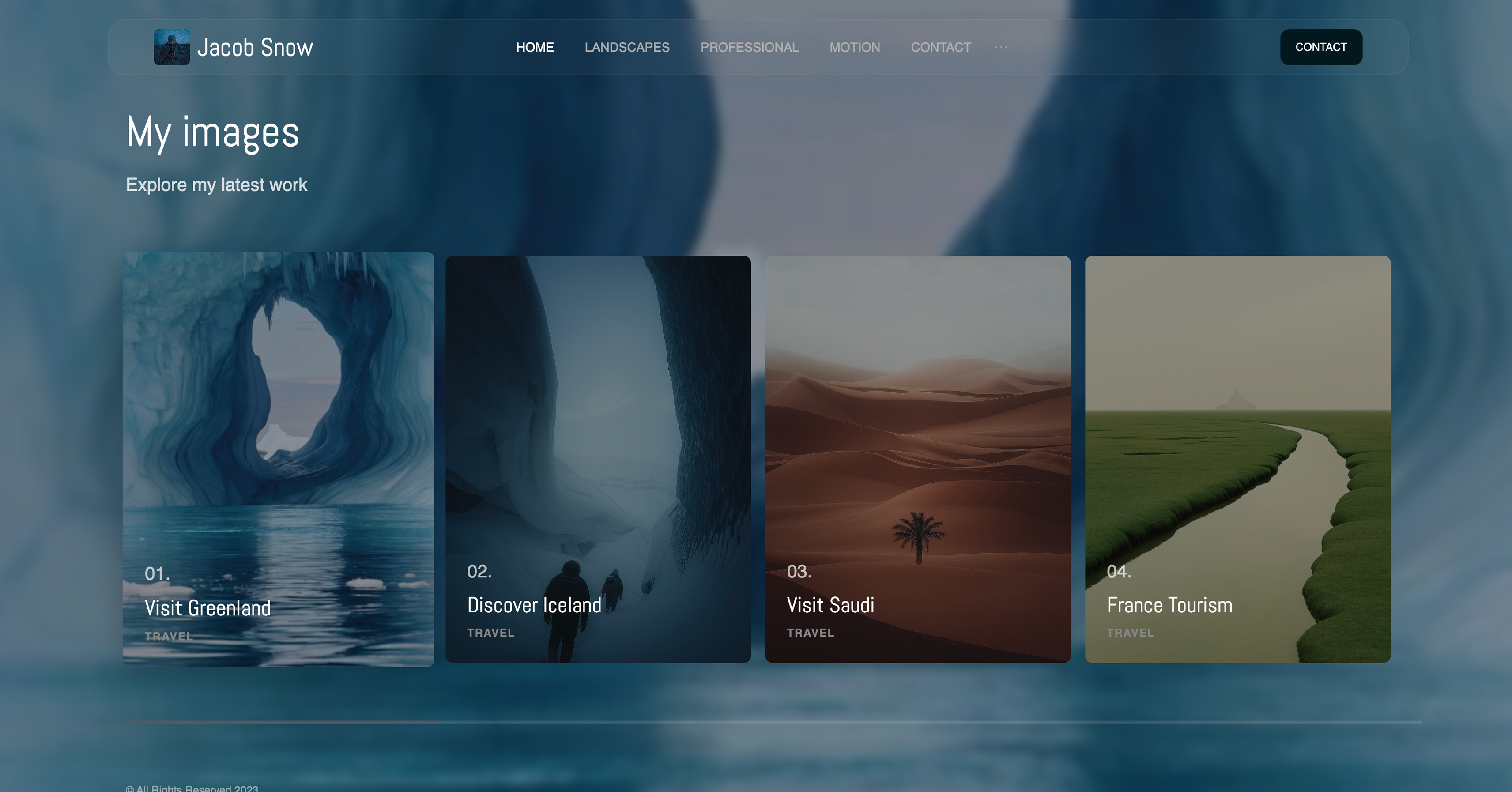
Event clients book you on a portfolio and judge you on how fast the gallery lands - the hero shots are wanted tonight, not next week. We compared 8 website builders for event photographers on landing gigs and delivering fast.

Your Instagram has the clips, but a company director, a studio booking you to teach, or a student buying your class needs a professional home you own. We compared 6 website builders for dancers on reel, galleries, resume, and selling.
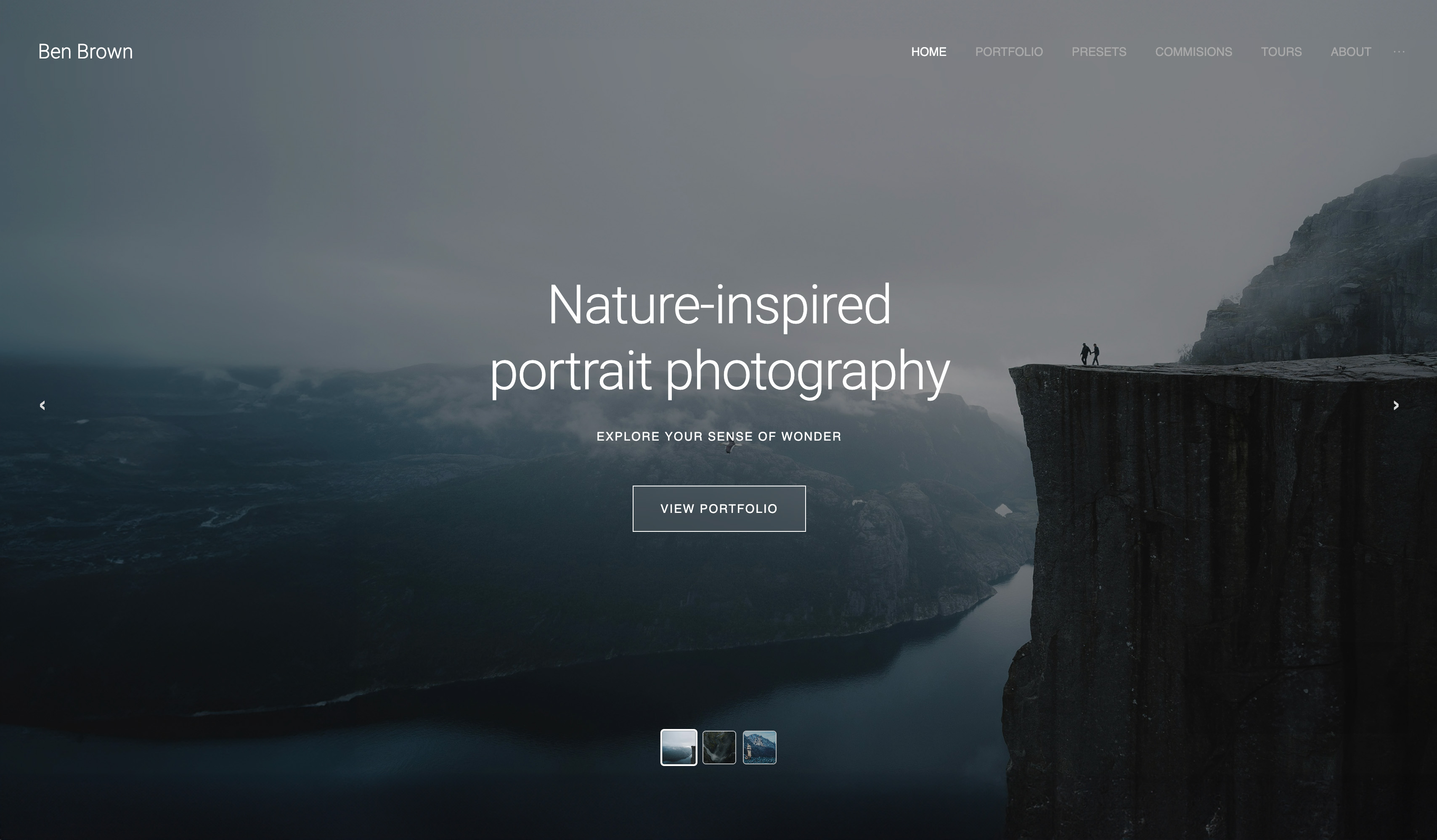
Sports photography splits in two: a portfolio that lands assignments, and galleries that deliver a team's shoot. We compared 7 website builders for sports photographers on both, plus the high-volume tools built for youth leagues.
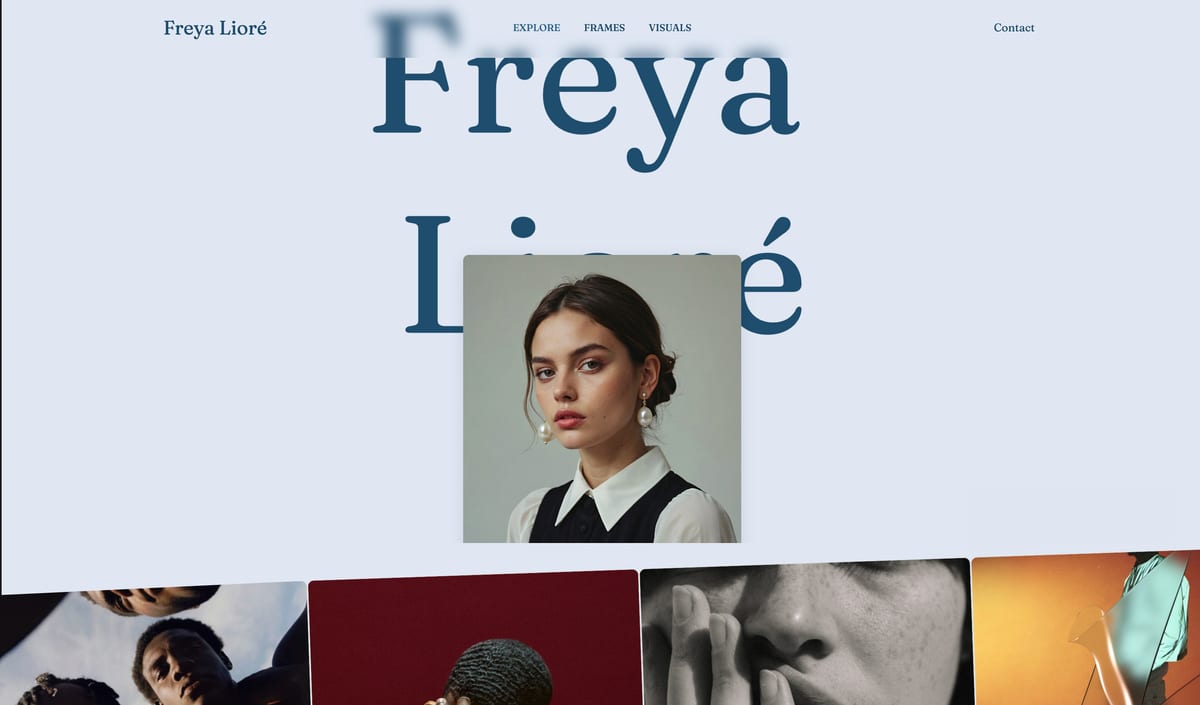
Headshots are booked by corporate teams and actors and delivered as digital files for LinkedIn and casting - so the site has to book, proof, and deliver online, not sell prints. We compared 8 website builders for headshot photographers.
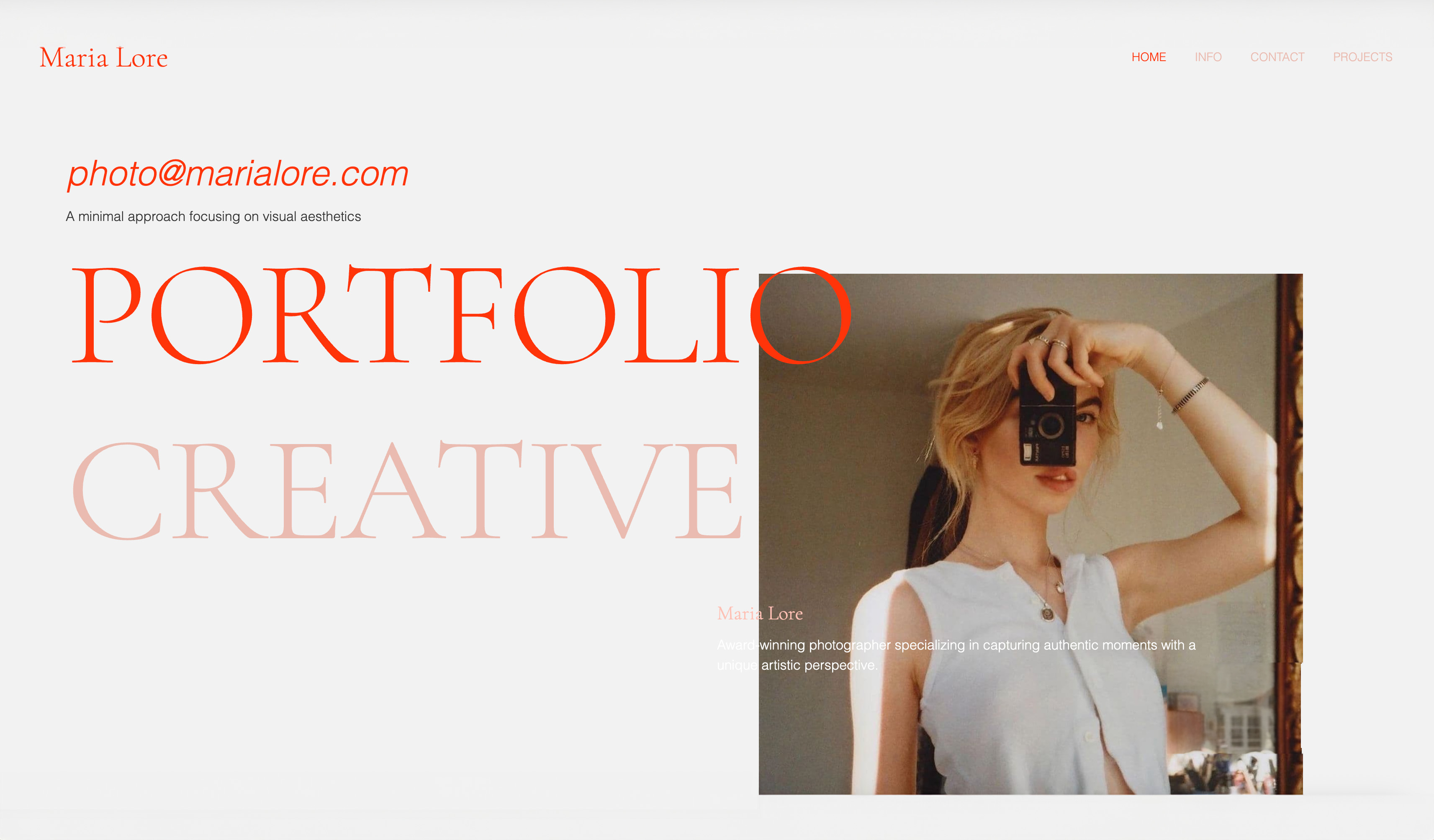
Newborn clients book while still pregnant and buy while sleep-deprived, so the site has to convert early and the gallery has to sell without effort. We compared 8 website builders for newborn photographers on booking, delivery, and print and album sales.
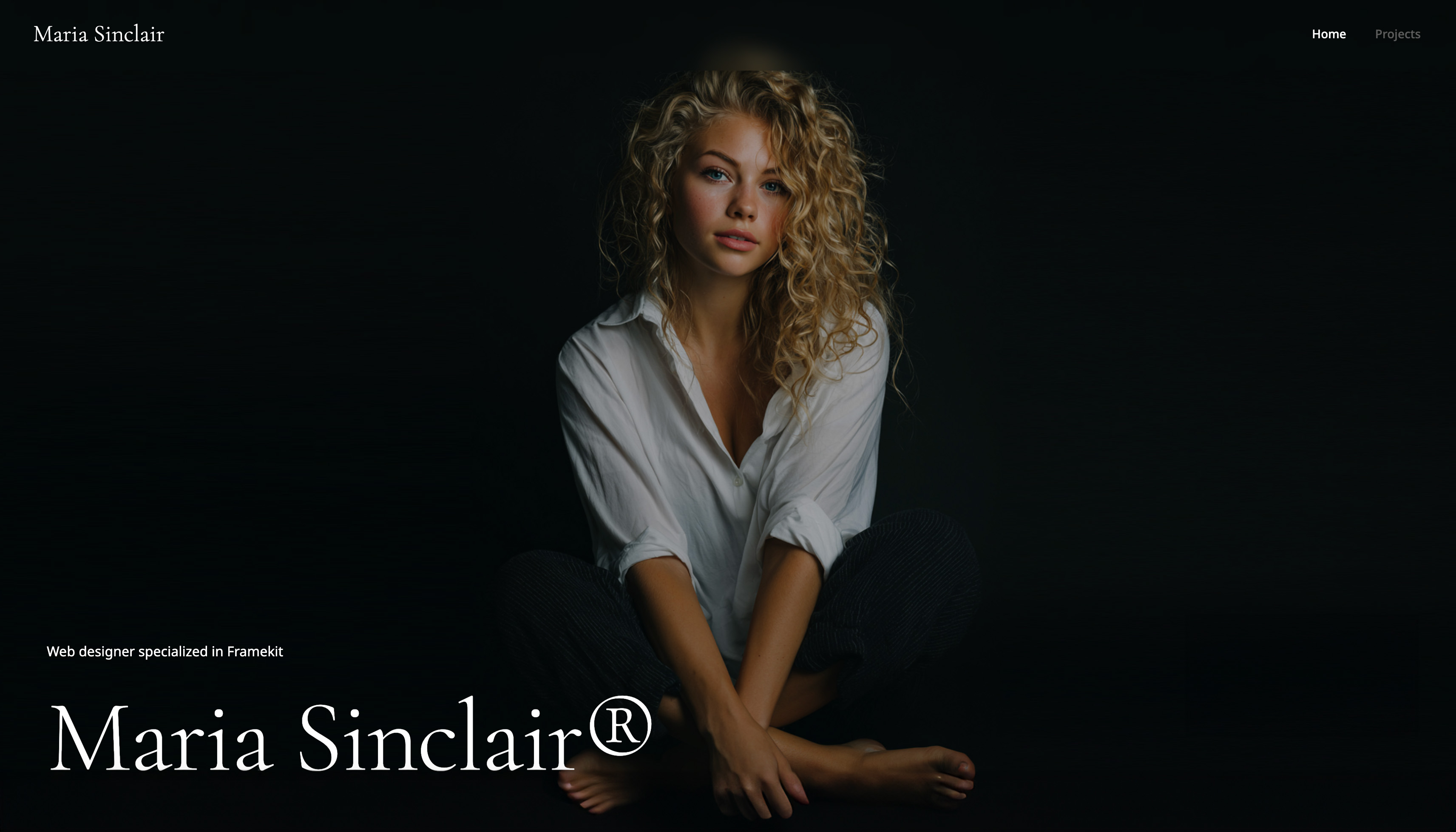
Cargo Collective makes gorgeous, art-directed portfolios and asks you to art-direct them, page by page, with no real store attached. We compared 7 Cargo Collective alternatives on design control, ownership, selling and cost, using each one's published plans.
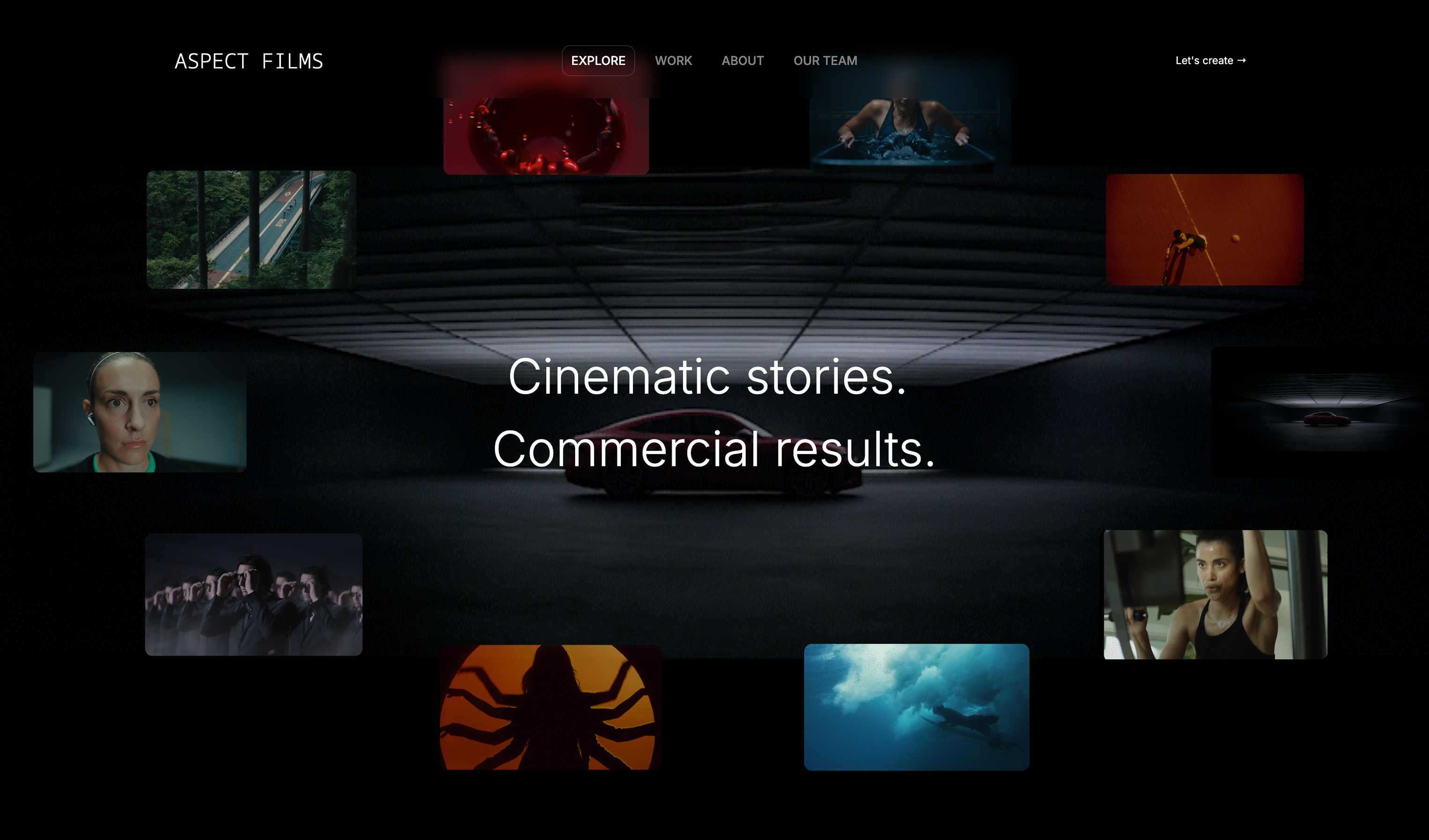
Your casting profile is where you submit; your own website is where you are remembered. We compared 8 website builders for actors on headshots, showreel, resume, and the ownership that makes a casting director trust the name.
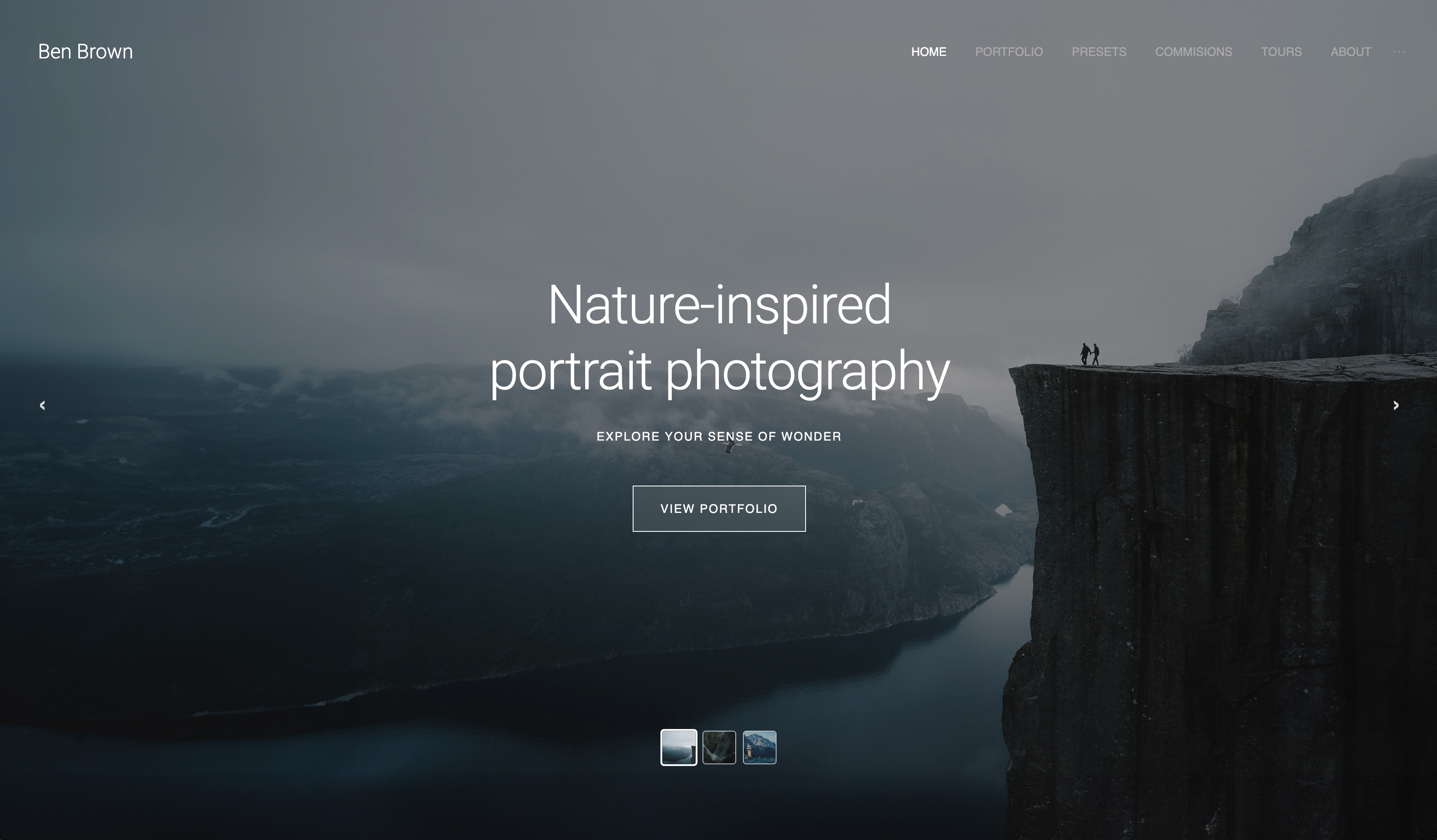
A pet photography site has to do three jobs: book sessions, show a portfolio that makes owners melt, and deliver galleries owners can order prints from. We compared 7 website builders for pet photographers on all three.
Good photos and a good portfolio are not the same thing. One is raw material, the other is an edit. Here is what actually makes a photography portfolio good enough to book work.
Most creatives think a bigger portfolio is a safer one. It is the opposite. Here is how many photos a portfolio should actually have, and why the right number is smaller than you expect.
A producer asks where they can see your work, and you send a Vimeo link. That is the moment a reel stops being enough. Here are the eight parts a filmmaker portfolio needs, the number to hit for each, what each platform costs, and a two-minute test to run on your own site.
Most lost work is not lost to better talent. It is lost to small, invisible portfolio mistakes that make a ready-to-hire client hesitate and leave. Here are 11 of them, ranked by where they lose the booking, with the fix, the time it takes, and when to rebuild instead of patch.
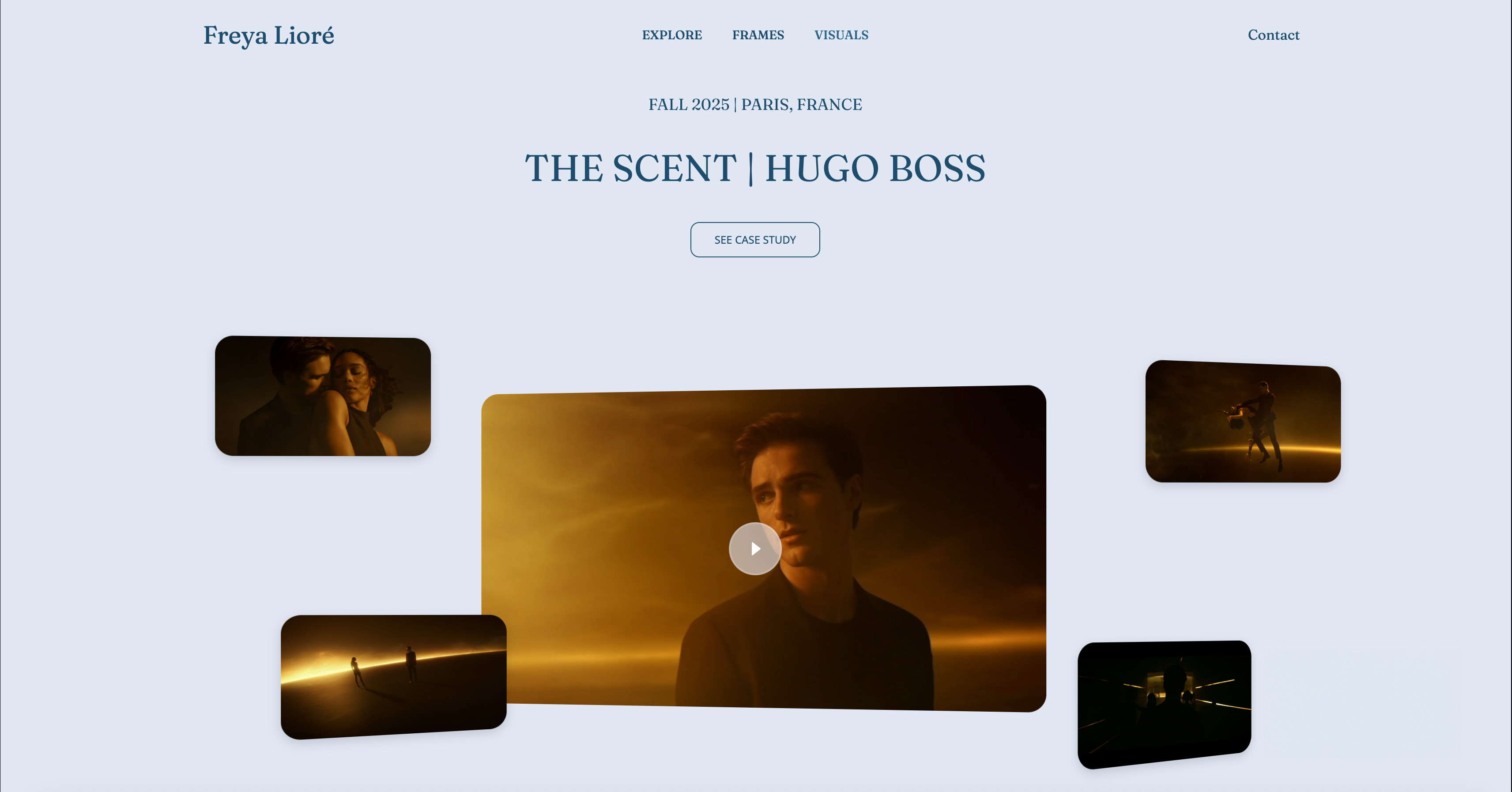
Behance and Dribbble compress your reels and own your audience. We compared 6 website builders for motion designers on video playback, media handling, and design quality to find the best place to host your own site.
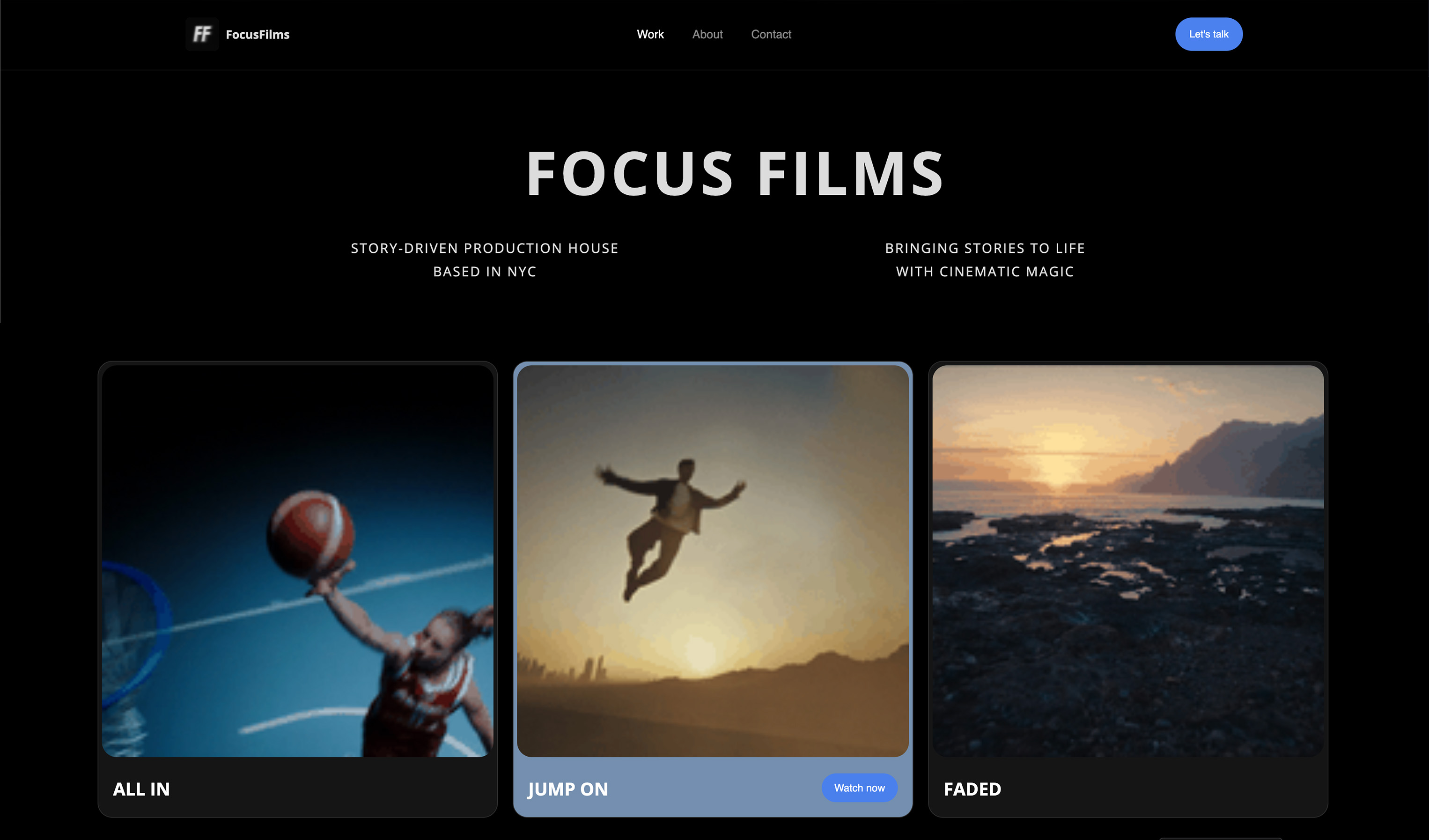
A documentary filmmaker website has to win festival selectors, funders, and audiences at once. We compared 7 builders to find the best one for laurels, trailers, and impact pages.
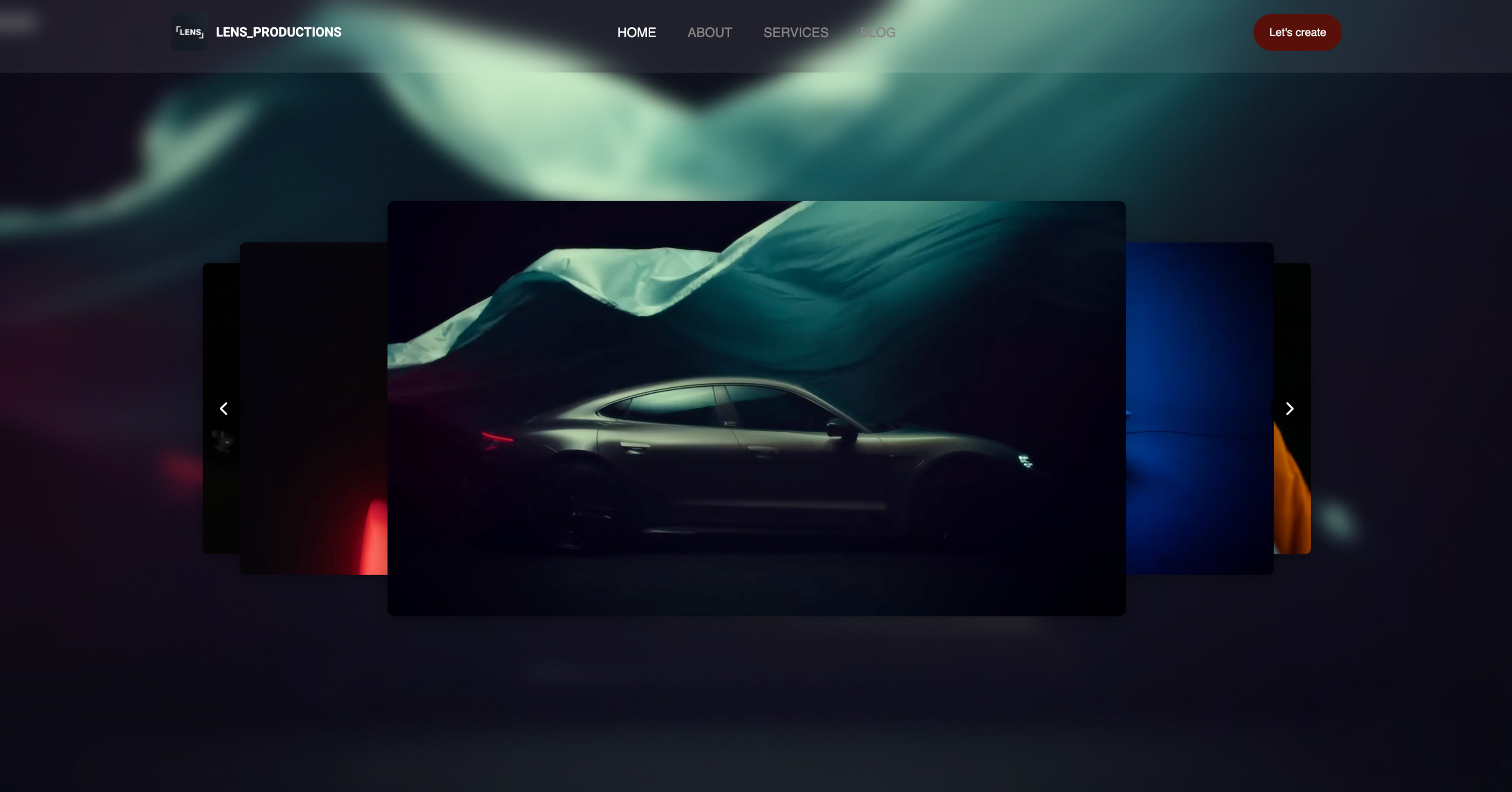
Labels and artists hire from a reel, not a resume. We compared 5 website builders to find the best music video director portfolio for a cinematic, reel-first site.

A Vimeo link is not a portfolio. We compared 5 website builders to find the best way to build a video editor portfolio website that shows your reel and before/after work and books freelance clients.
An agency profile and an Instagram grid are not a portfolio you control. We compared 6 website builders to find the best way to build a model portfolio website that works as a digital comp card.
A glam Instagram grid does not take bookings. We compared 7 website builders to find the best makeup artist website for a polished portfolio that turns lookers into clients.
ArtStation is a feed, not a home. We compared 5 builders to find the best 3D artist portfolio website for showing renders and turntables on a fast site you own.
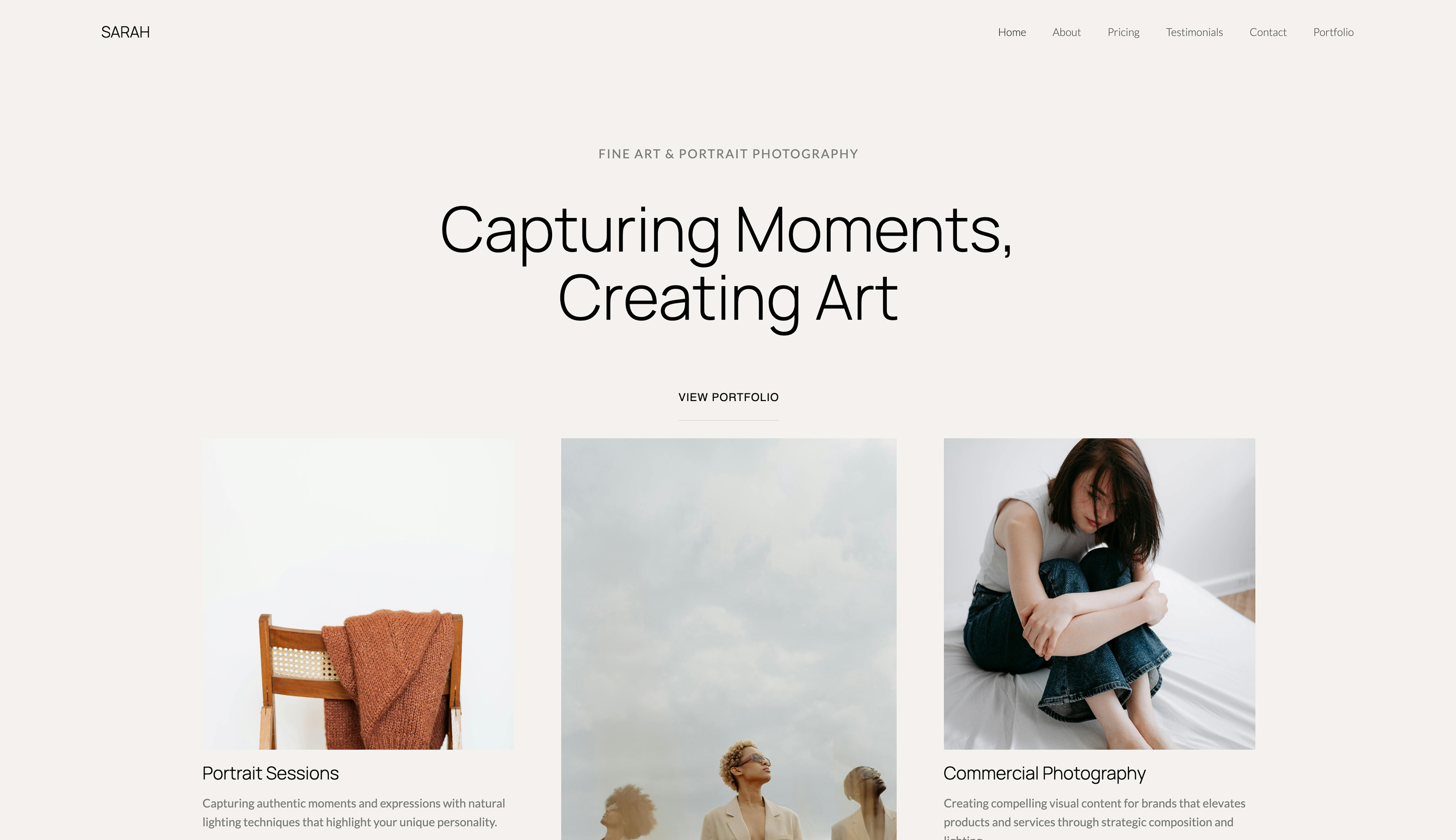
Hiring managers read case studies, not screenshots. We compared 8 website builders to find the best UX designer portfolio website for landing roles with deep, no-code case studies.
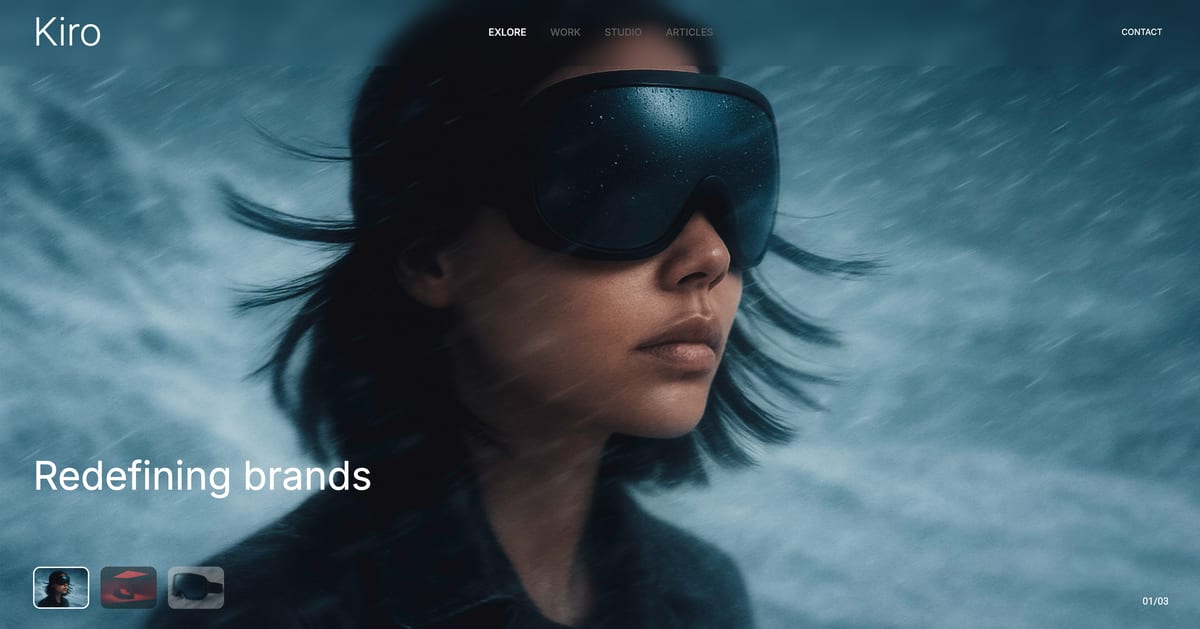
Tattoo artists run their whole business out of the Instagram DMs, and the price of that is answering the same five questions forty times a week. A good website answers them once. We ranked five builders on how well they do that job.
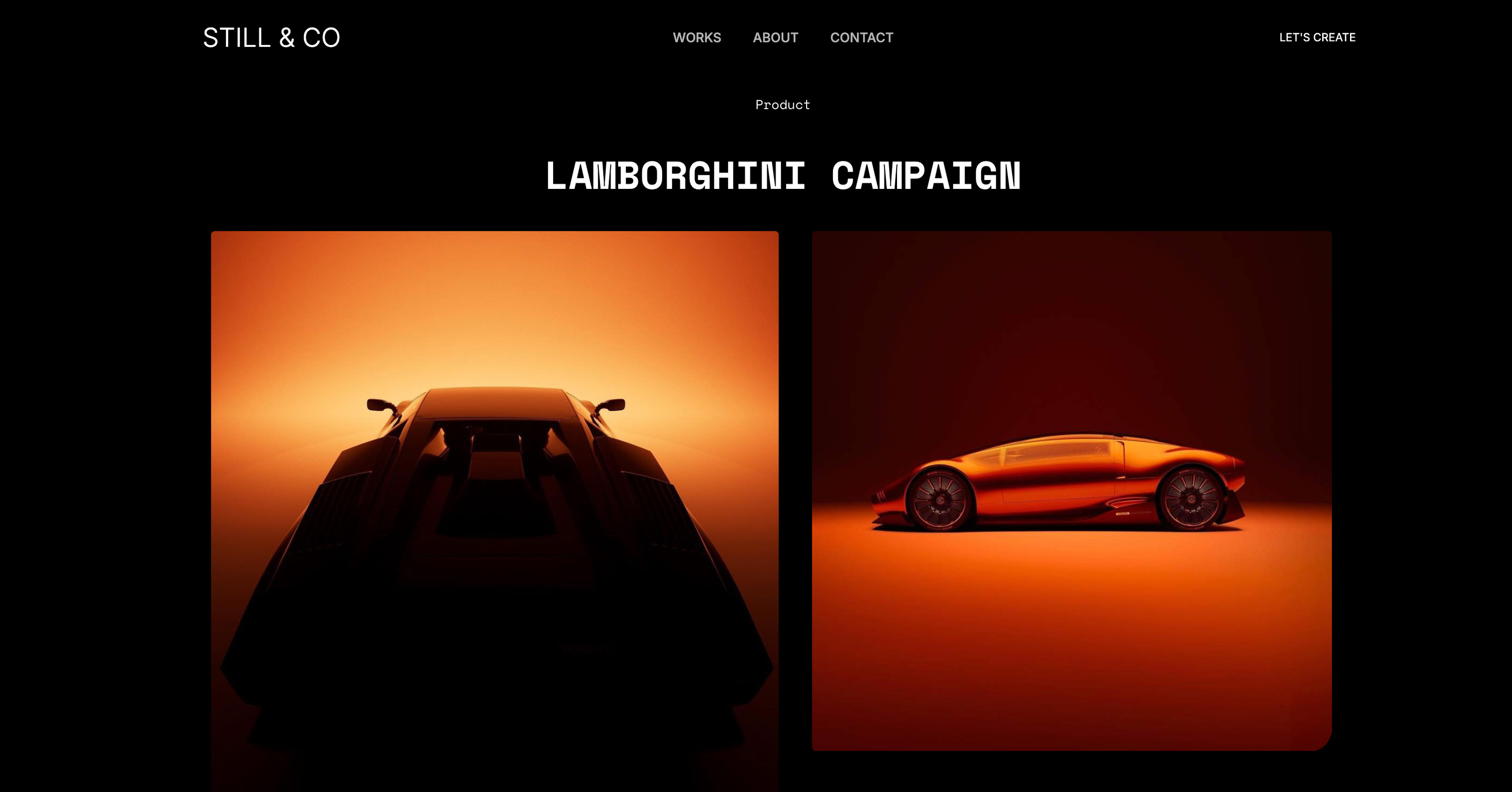
An architecture portfolio is judged by other architects, and they judge for rigour, not pretty renders. We ranked 6 website builders on whether they can tell a project as concept, drawings, and built work.
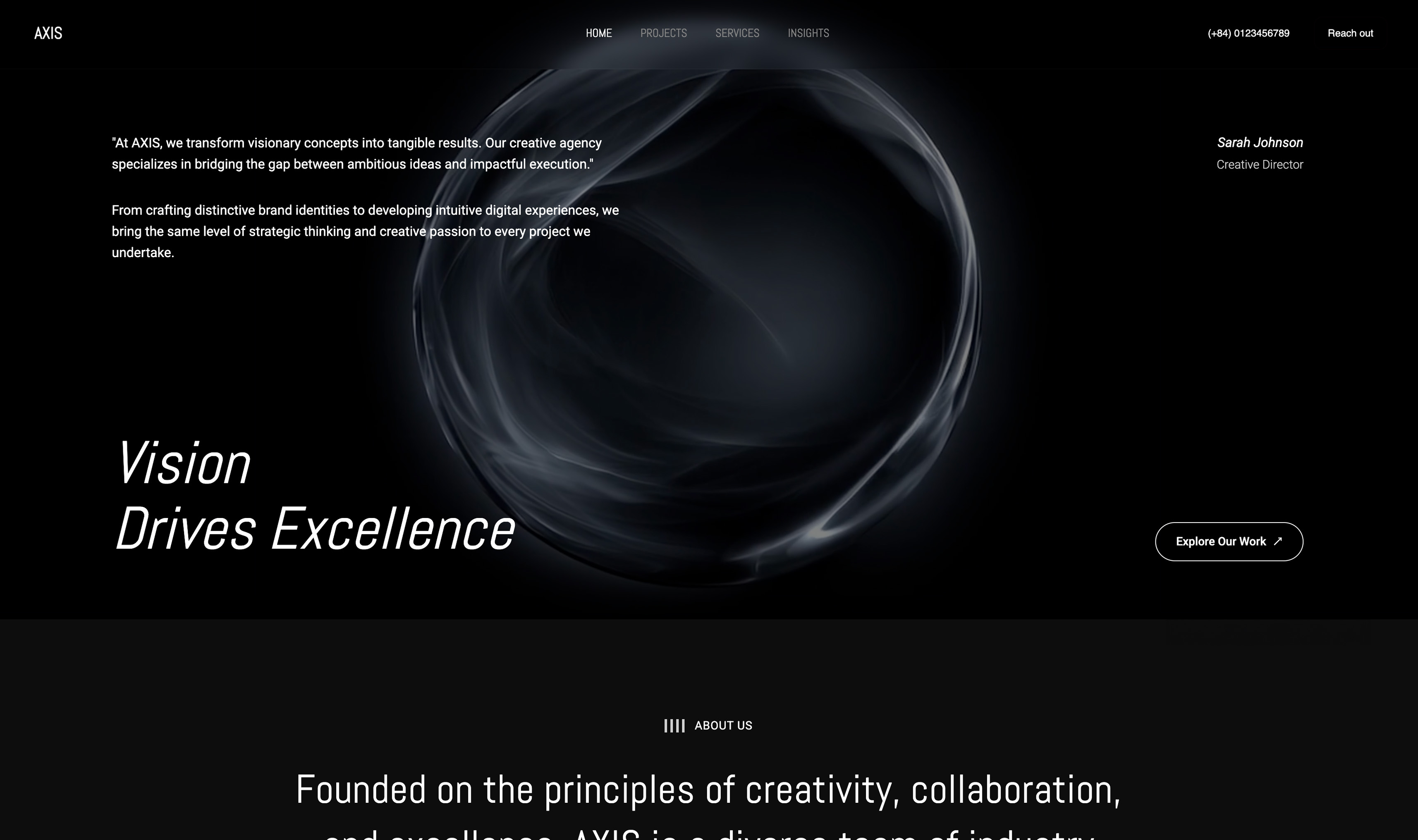
A homeowner with a real renovation budget does not hire from one styled corner. They want to see a whole room change. We compared 8 website builders on whether they carry deep, multi-room project pages instead of a flat gallery grid.
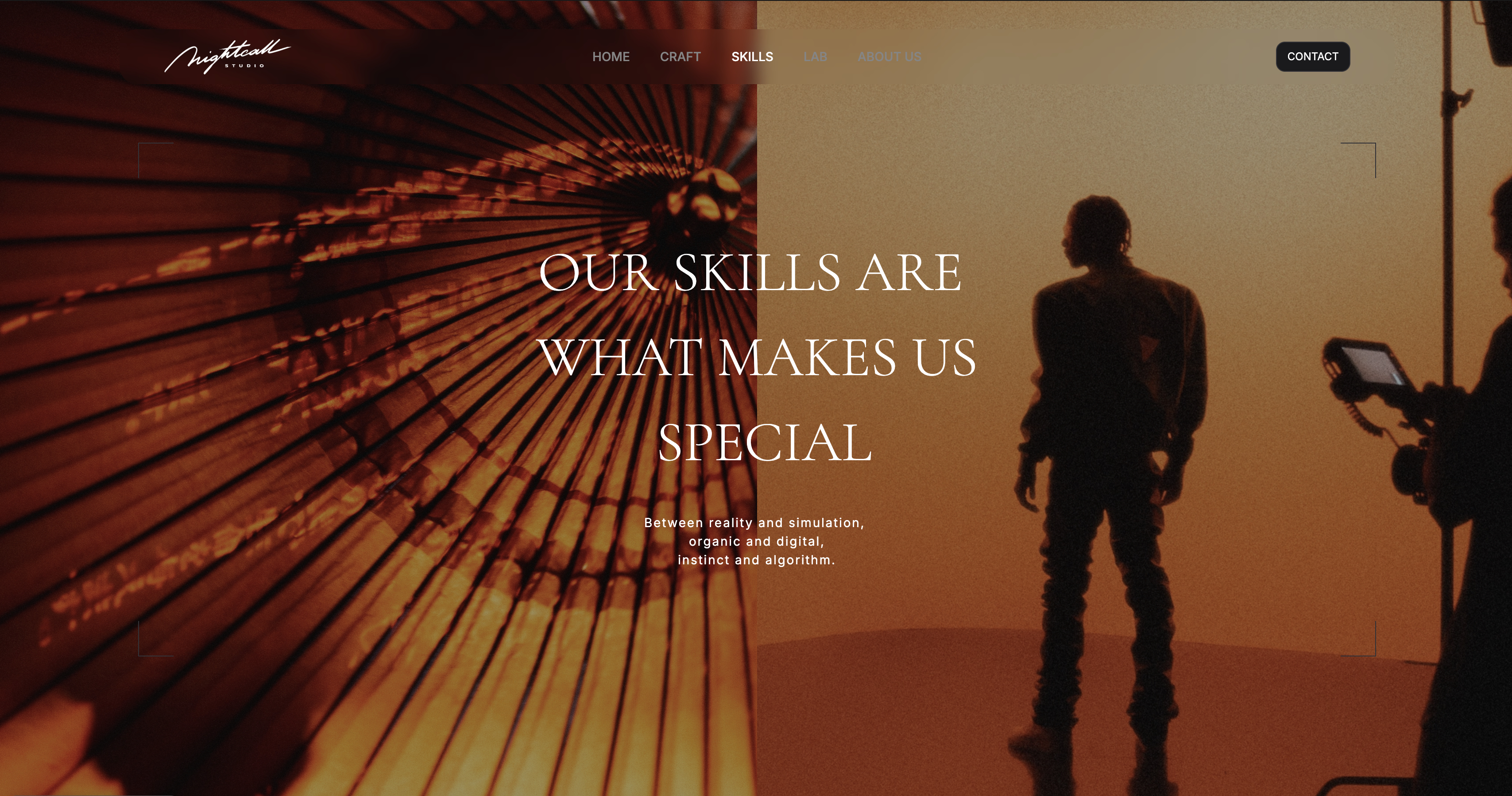
Every other creative niche is told to make the site invisible. An illustrator is the exception. We compared 6 website builders on whether the site can carry your hand, your character, and your color without looking broken or amateur.
A creative director opens your portfolio and judges your design judgment before a single project loads. We compared 12 website builders on whether the finished site is itself a credible design artifact and whether it supports real long-form case studies.
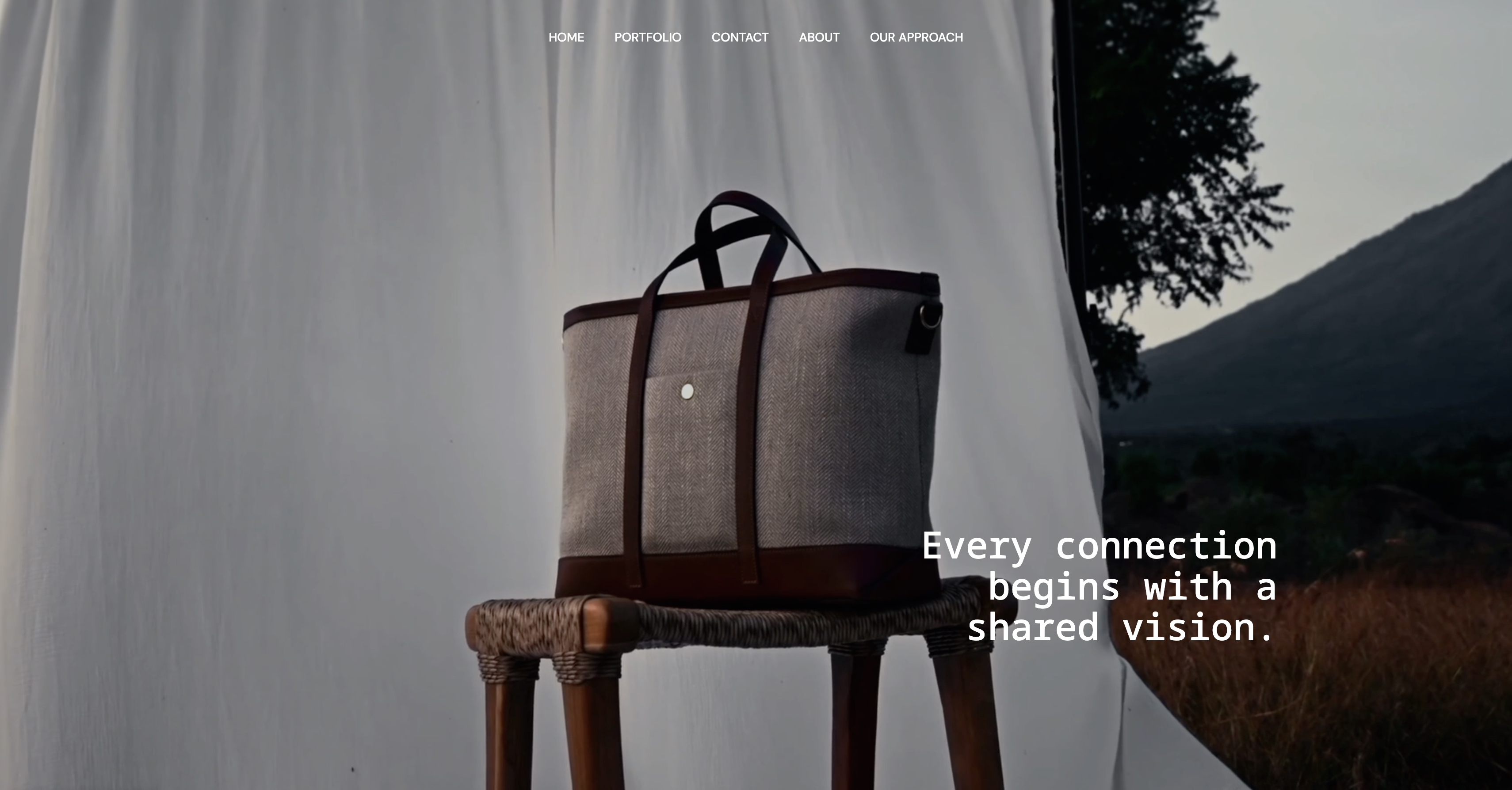
A magazine photo editor flicks through twenty portfolios before lunch and clocks a template site in two seconds. We compared 9 builders on whether the site disappears and lets a fashion photographer's edit be the entire experience.
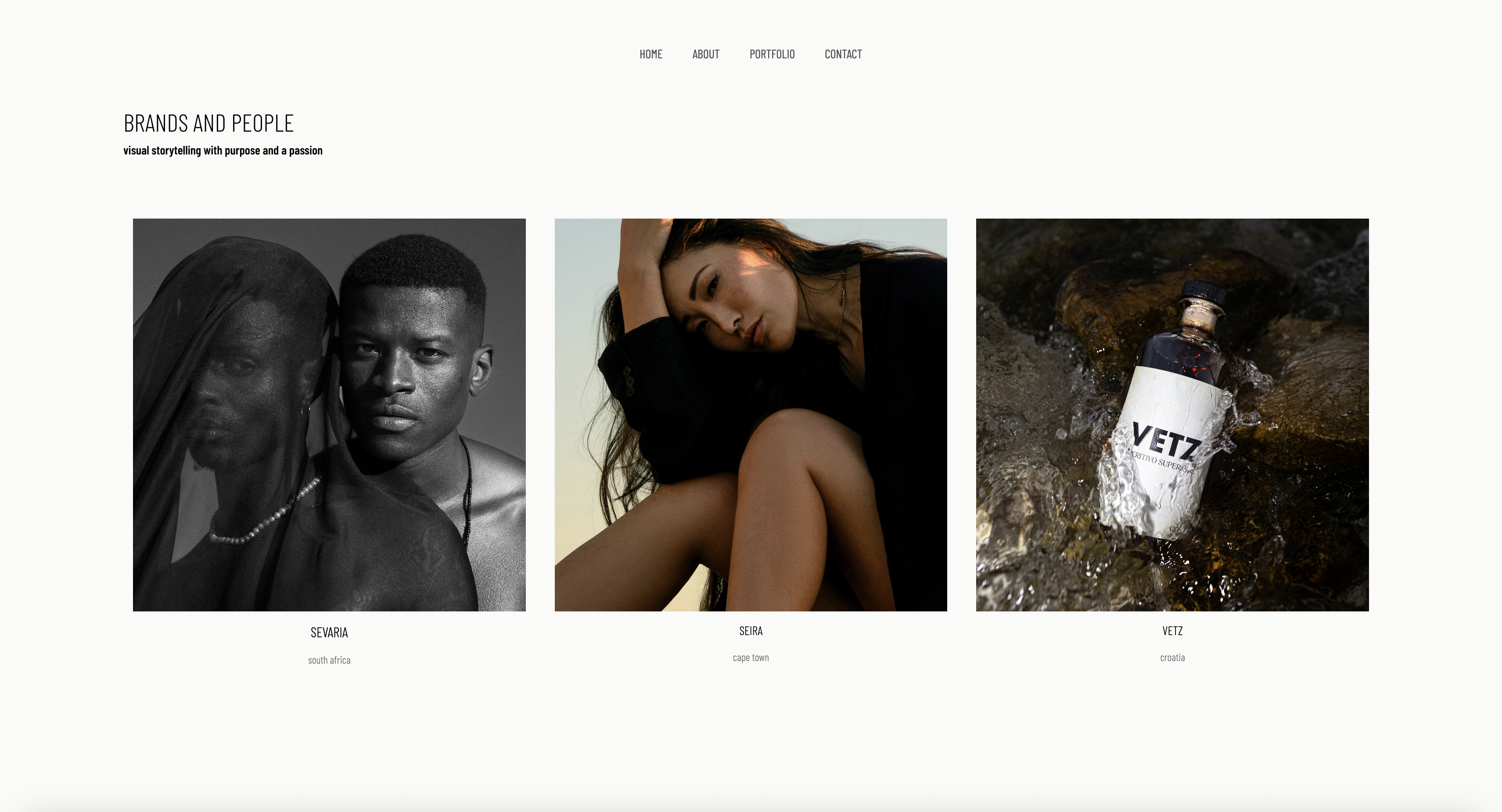
A wedding photographer needs two things online: a marketing site that books the wedding and a gallery that delivers the photos. We compared 7 builders on mobile galleries, inquiry flow, and honest 3-year cost to find the right pick for each job.
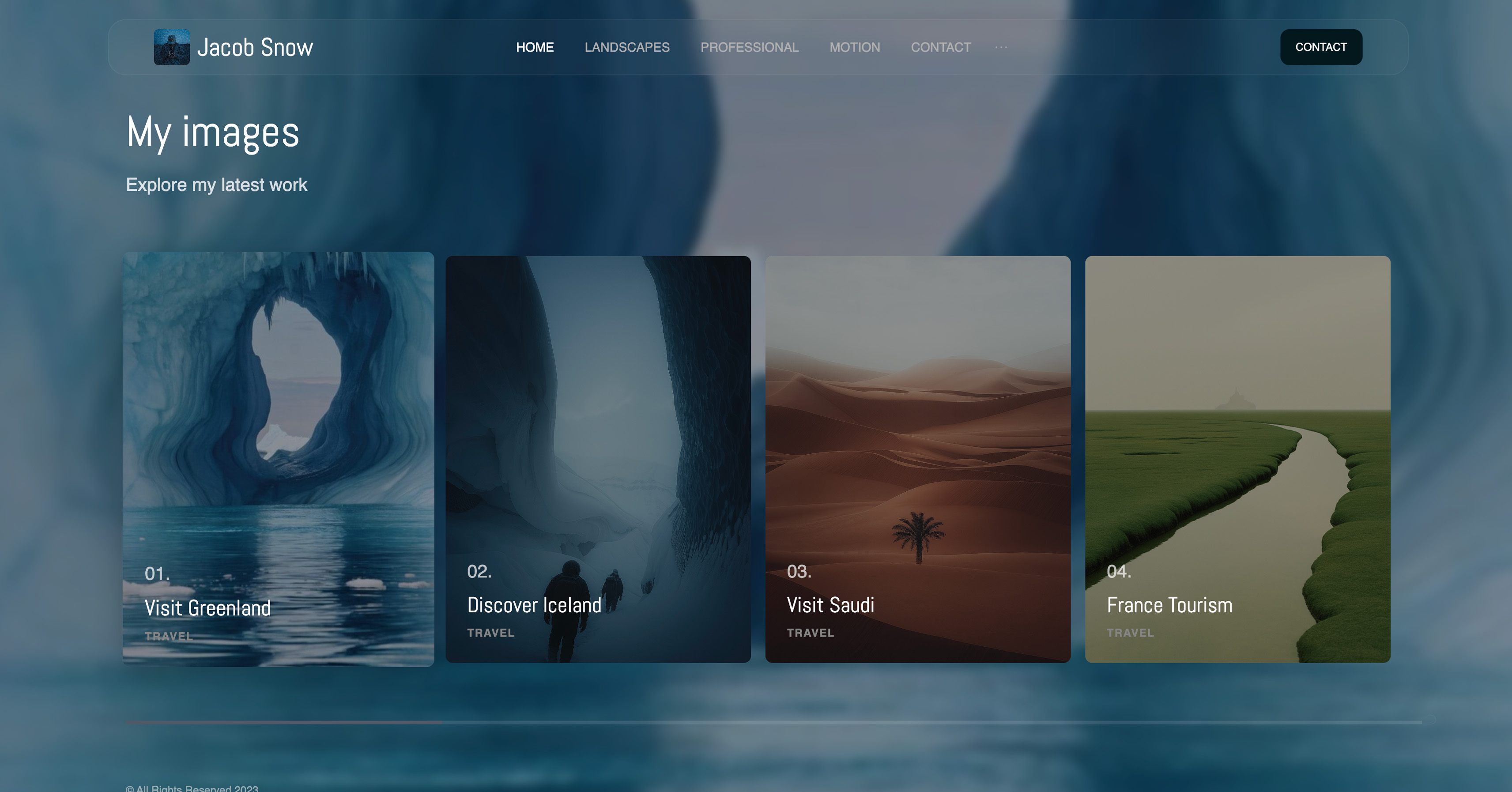
A real estate photographer needs two things online: a marketing site that wins agent clients and an ordering platform that delivers MLS-ready photos. We compared 7 builders on agent-facing design, galleries on mobile, and honest 3-year cost.
A stranger lands on your portrait photography website and decides in seconds whether they trust you to photograph them. We compared 7 builders on whether your style survives the template and how easily a nervous first-time client can book.
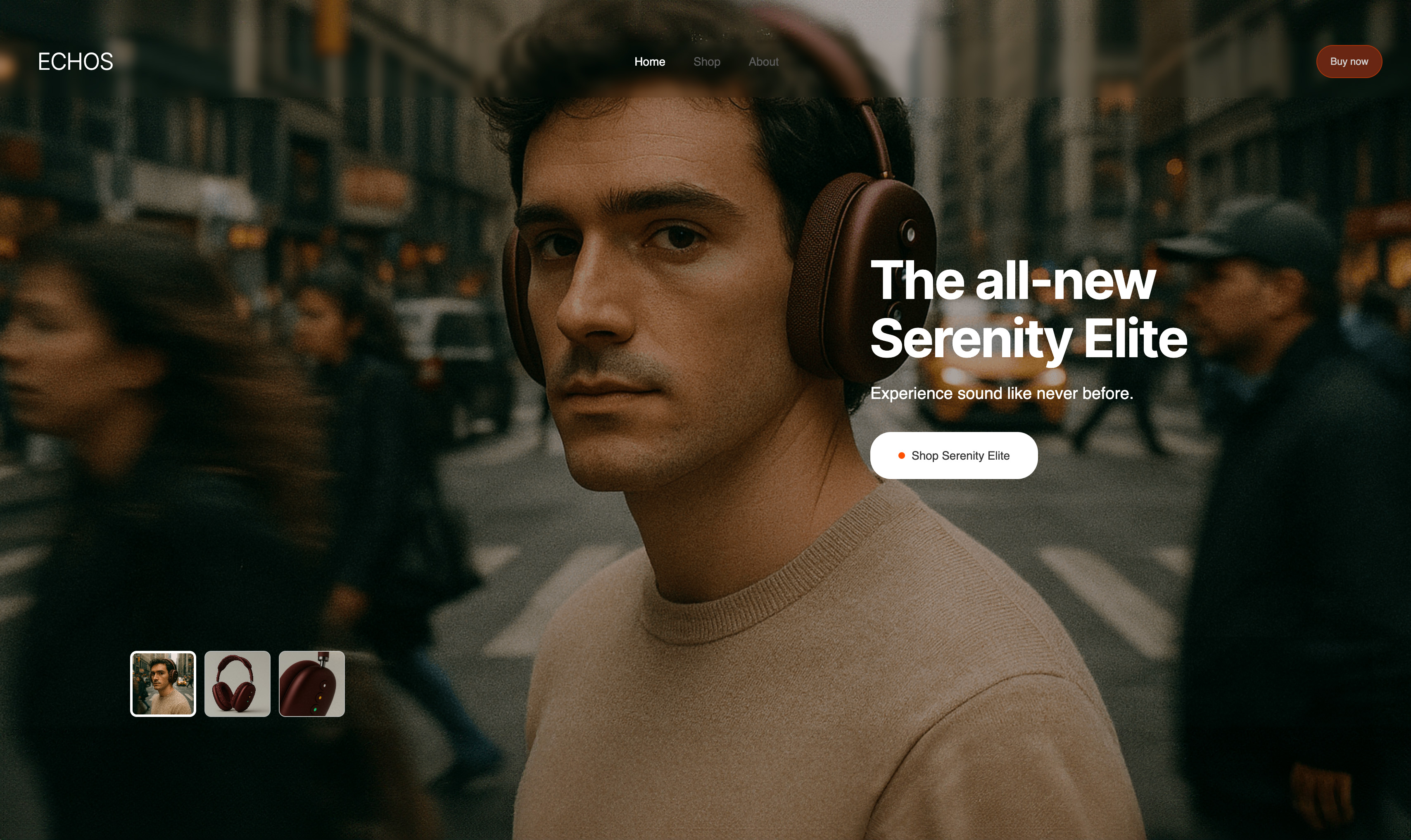
A product photographer's client is a brand, and a brand hires on consistency across many SKUs. We compared 7 builders on showing a large, consistent body of work fast and on selling presets and guides without a marketplace cut.
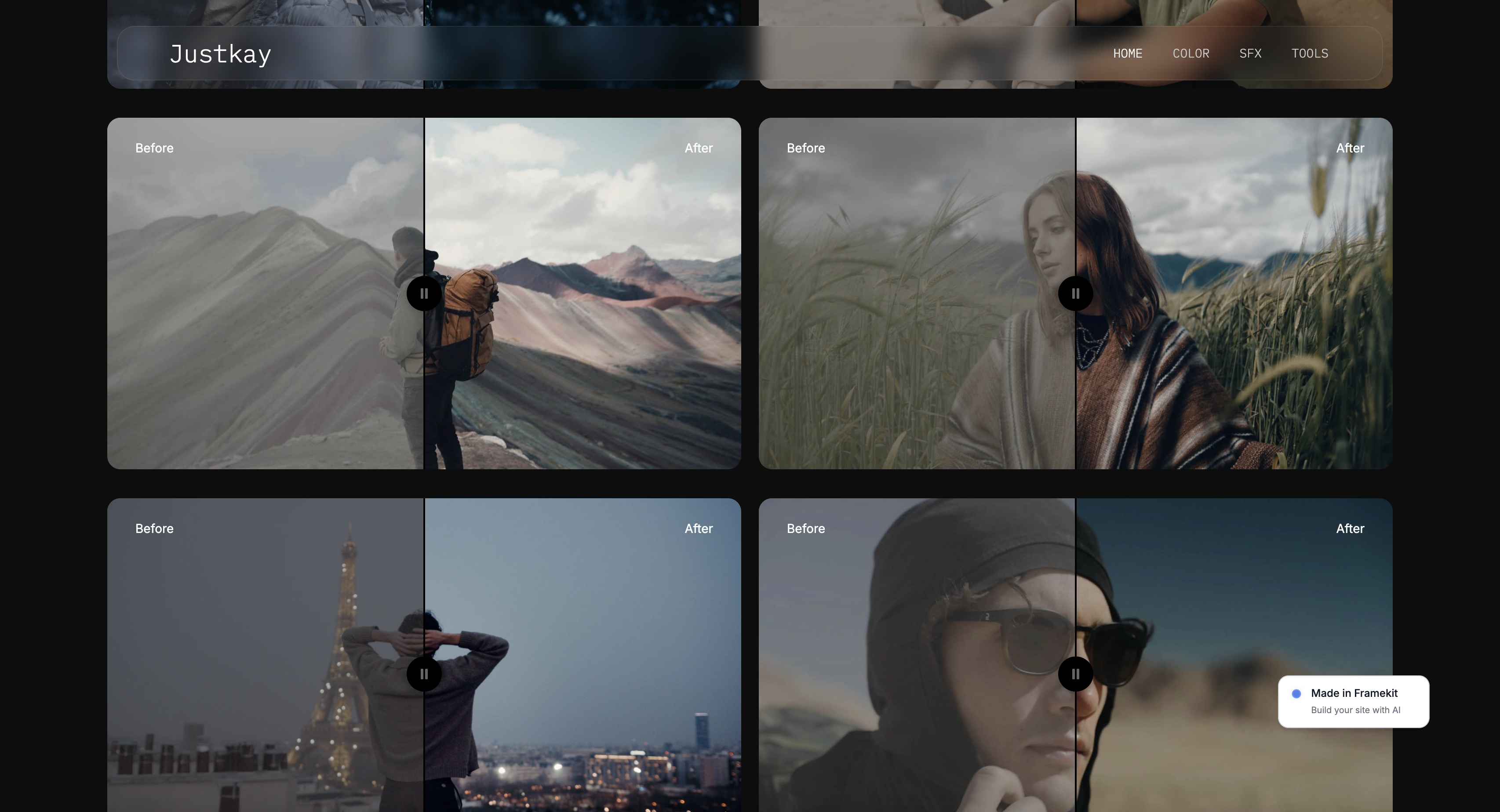
Food photography is where image beauty and image weight collide hardest. We compared 7 builders on whether a portfolio can stay mouth-watering and still load fast enough to trigger appetite on the first phone scroll.
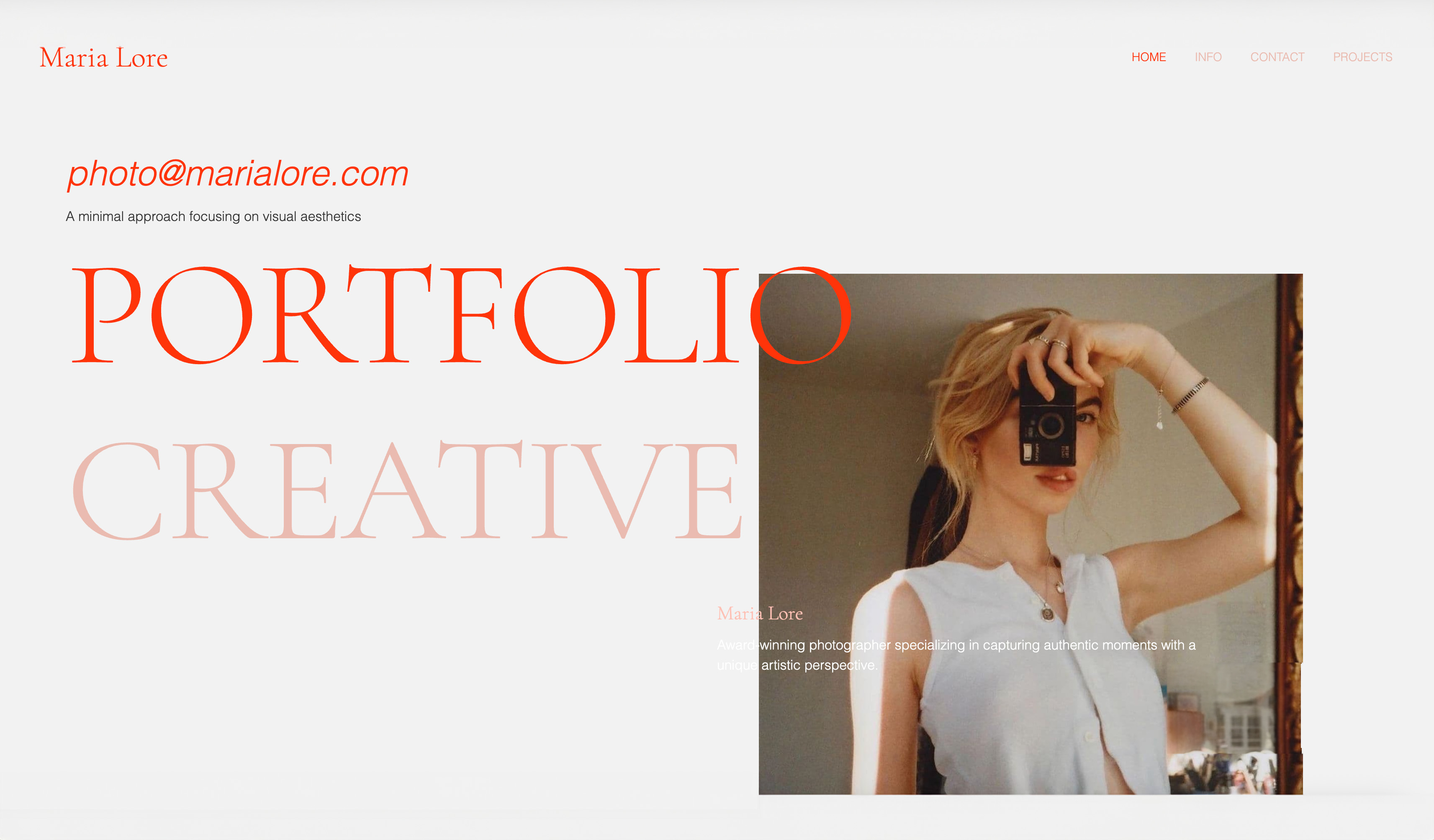
Family and newborn photography is a referral-and-repeat business, so your website has two unusual jobs: make a referred parent trust a stranger, and let a past client rebook in two taps. We compared 7 builders on warmth, booking friction, and honest 3-year cost.
A travel photographer earns from prints, licensing, workshops, assignments, and stock all at once. We compared 7 builders on whether one site can carry every income stream, rank globally, and do justice to landscape work, without becoming a Frankenstein of plugins.
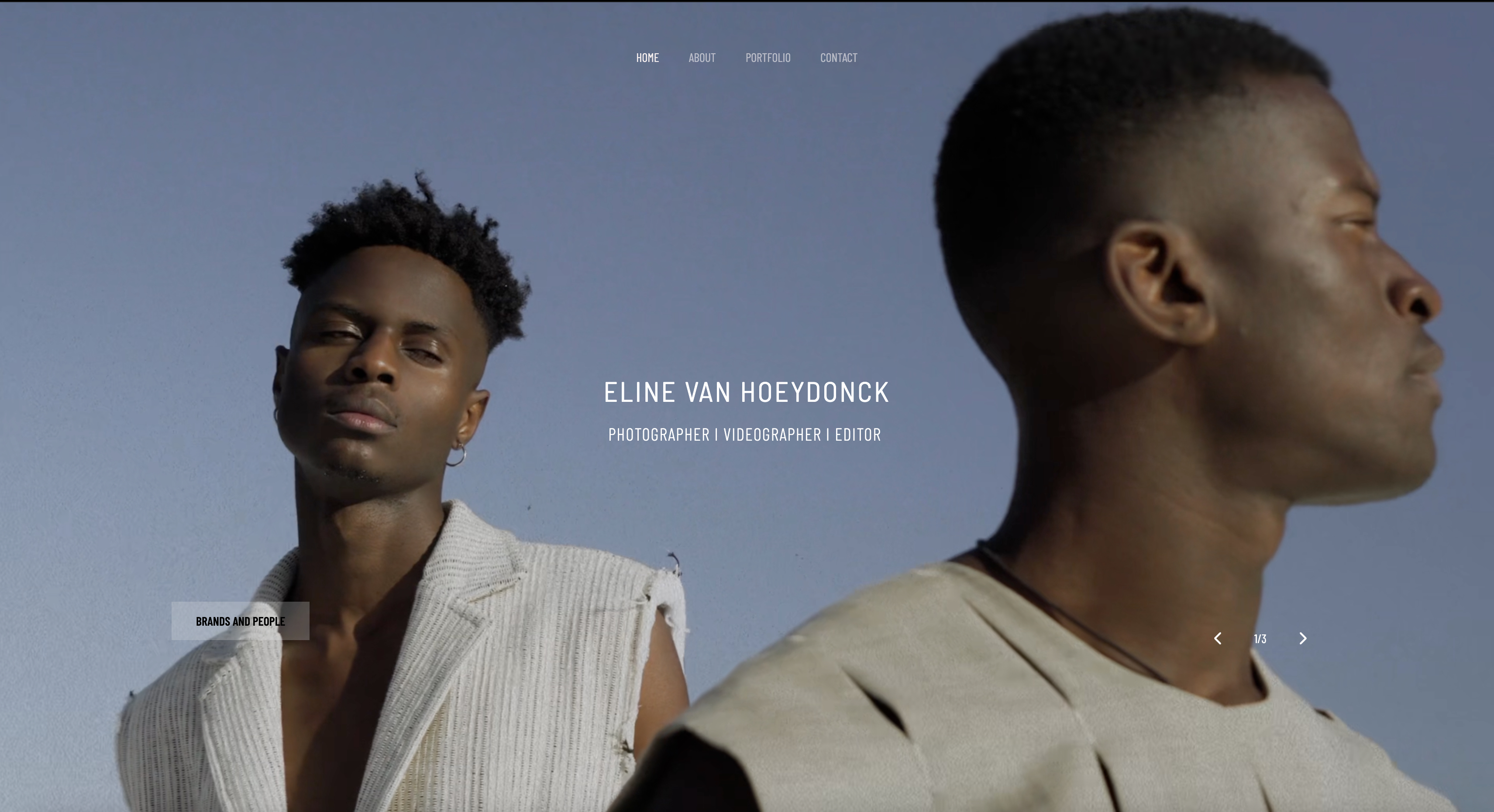
A photographer's site has to win the booking and then deliver the work. Here are ten builders ranked on client galleries, print sales, storage and what a portrait, wedding and hybrid studio pay by year three, plus where Framekit loses to Pixieset and SmugMug.
A filmmaker's site starts the job; review rounds, treatments and deliveries finish it. Here are nine builders ranked on how much video they host, whether they run client review, and what an editor, a wedding filmmaker and a production company pay by year three.

Easy to use is easy to claim. We walked each builder's documented path from signup to a published portfolio and counted what it asks of a beginner: templates to choose, hosting to set up, concepts to learn. Here is the easiest portfolio website builder to use in 2026.
The portfolio wins the booking; review rounds and film deliveries fill the rest of the season. Eight builders ranked on both, with a wedding season worked out in gigabytes and what three videographers pay by year three.
Join thousands of creative professionals using Framekit to create stunning portfolios in minutes.
EXPLORE TEMPLATES