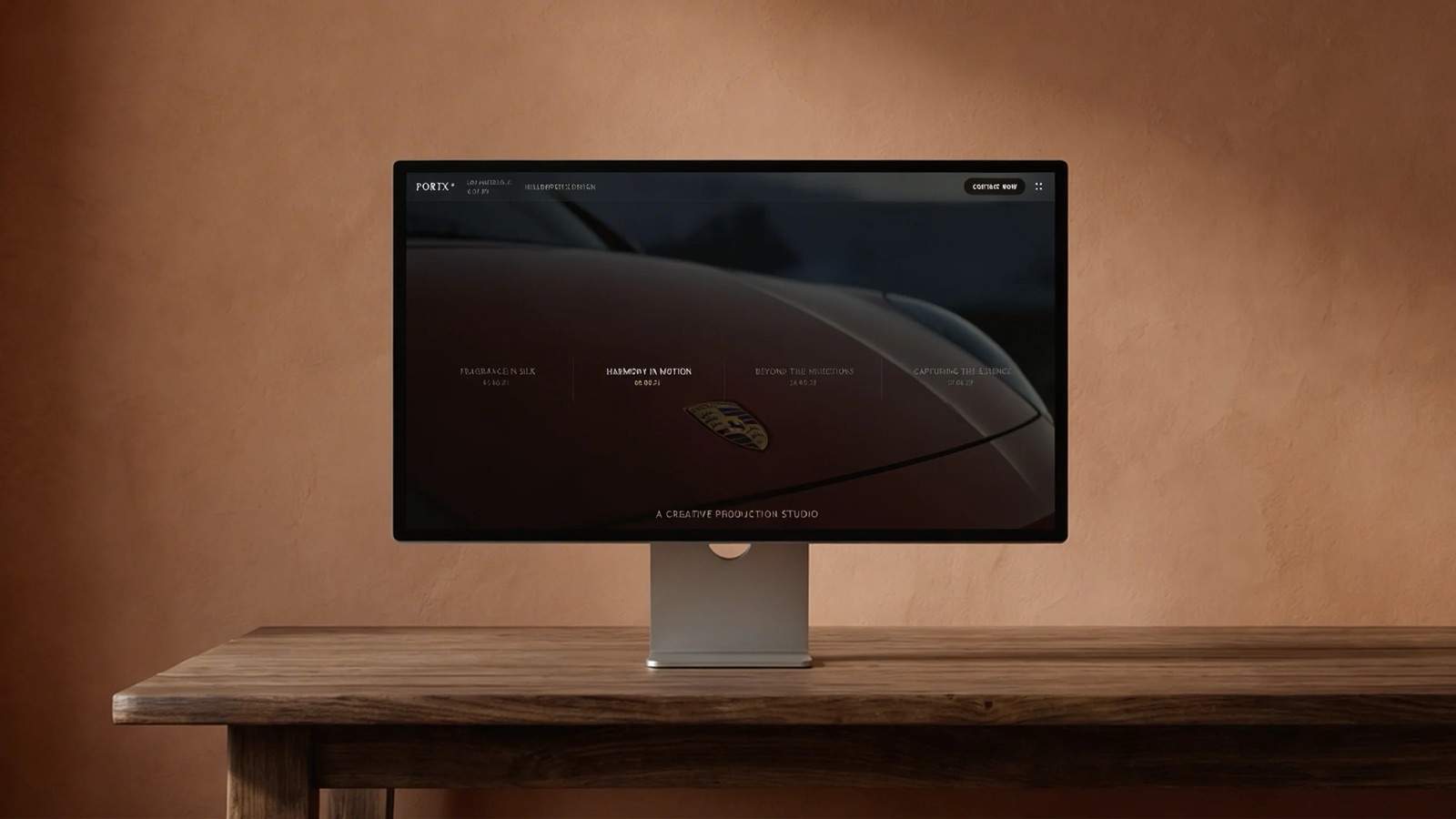
Website Design
Framekit vs WordPress 2026: Time or Ceiling?
There is nothing a website can do that WordPress cannot be made to do. The word doing the work in that sentence is made, and the assembly is your weekend.
11 min read
CATEGORY
Tips and trends in modern website design
There is nothing a website can do that WordPress cannot be made to do. The word doing the work in that sentence is made, and the assembly is your weekend.

If you need one page, Carrd wins on price and on fees. We publish this anyway, because buying the wrong tool on our recommendation is worse than losing the comparison.
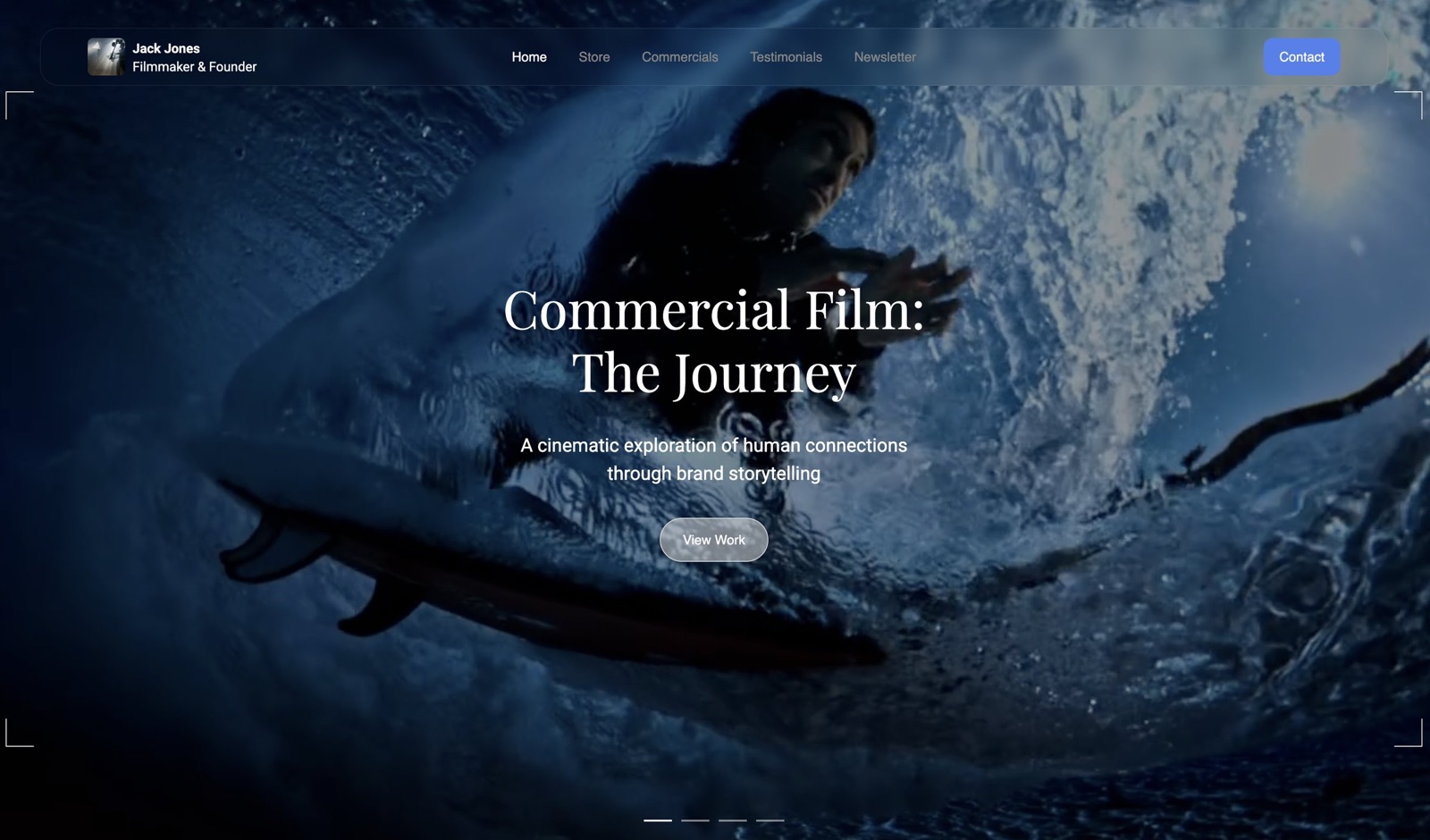
A reel on one domain, notes on another, the final film on a third, the treatment in a fourth and the LUT pack in a fifth. Here is which platforms fold that chain into one, and what each still leaves out.
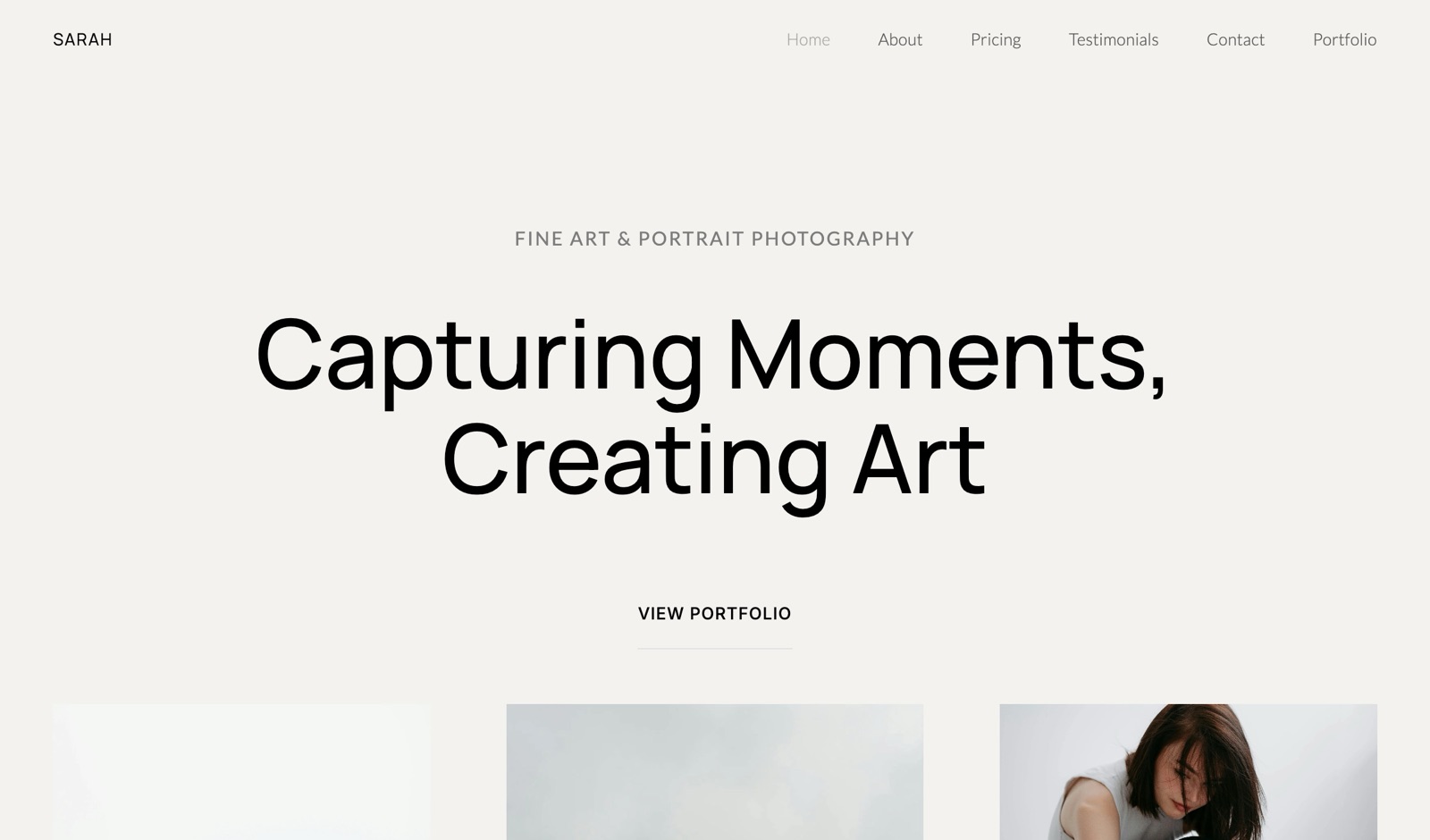
Website, galleries, a preset shop, proposals and video sign-off usually mean five logins and $108 a month. Here is what each all-in-one platform actually folds into one bill, and what it leaves out.
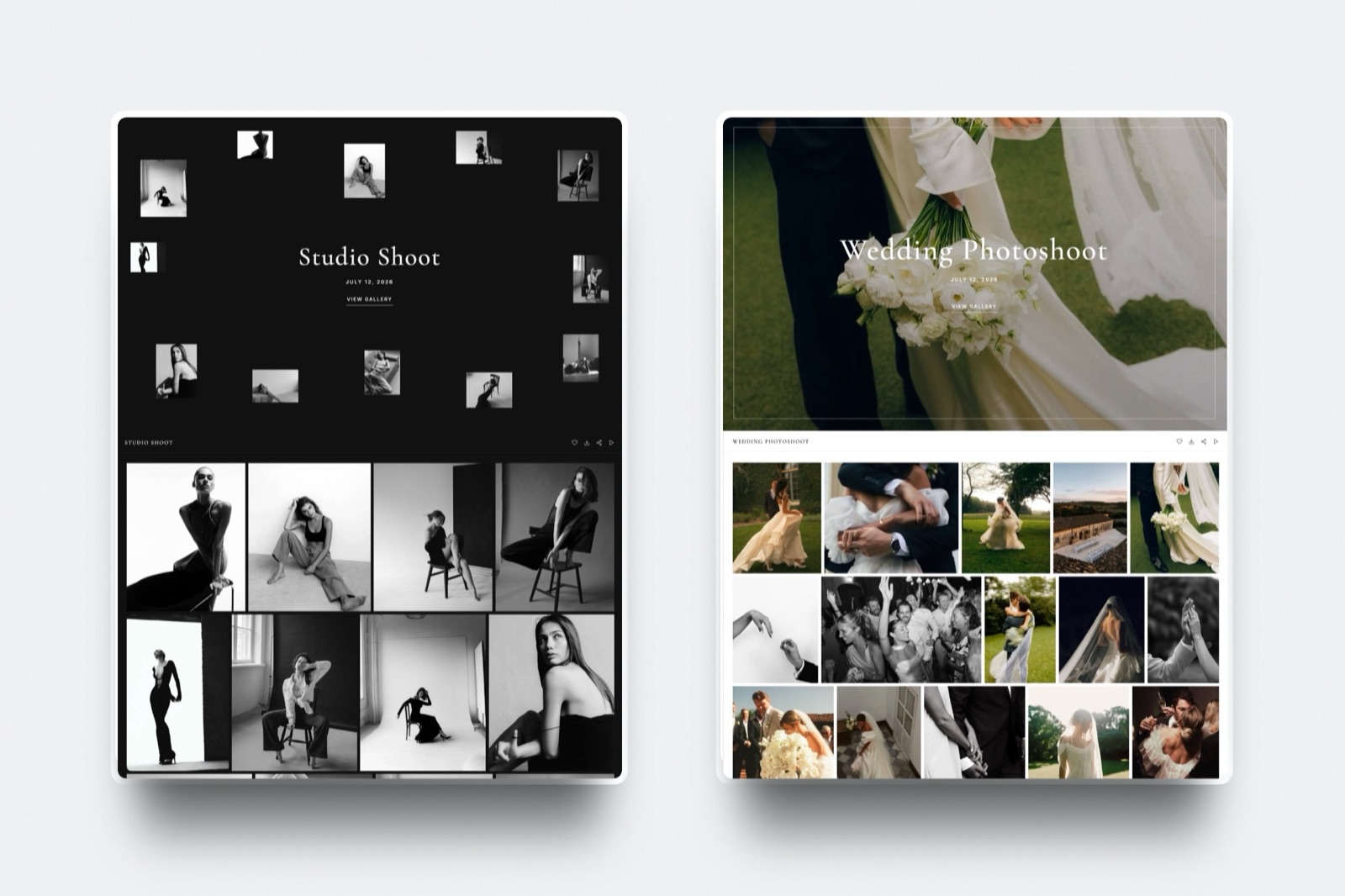
Squarespace is a website that can hold photos; Pixieset is a delivery system that can hold a website. Here is where each wins, what the pairing costs, and when one platform is enough.
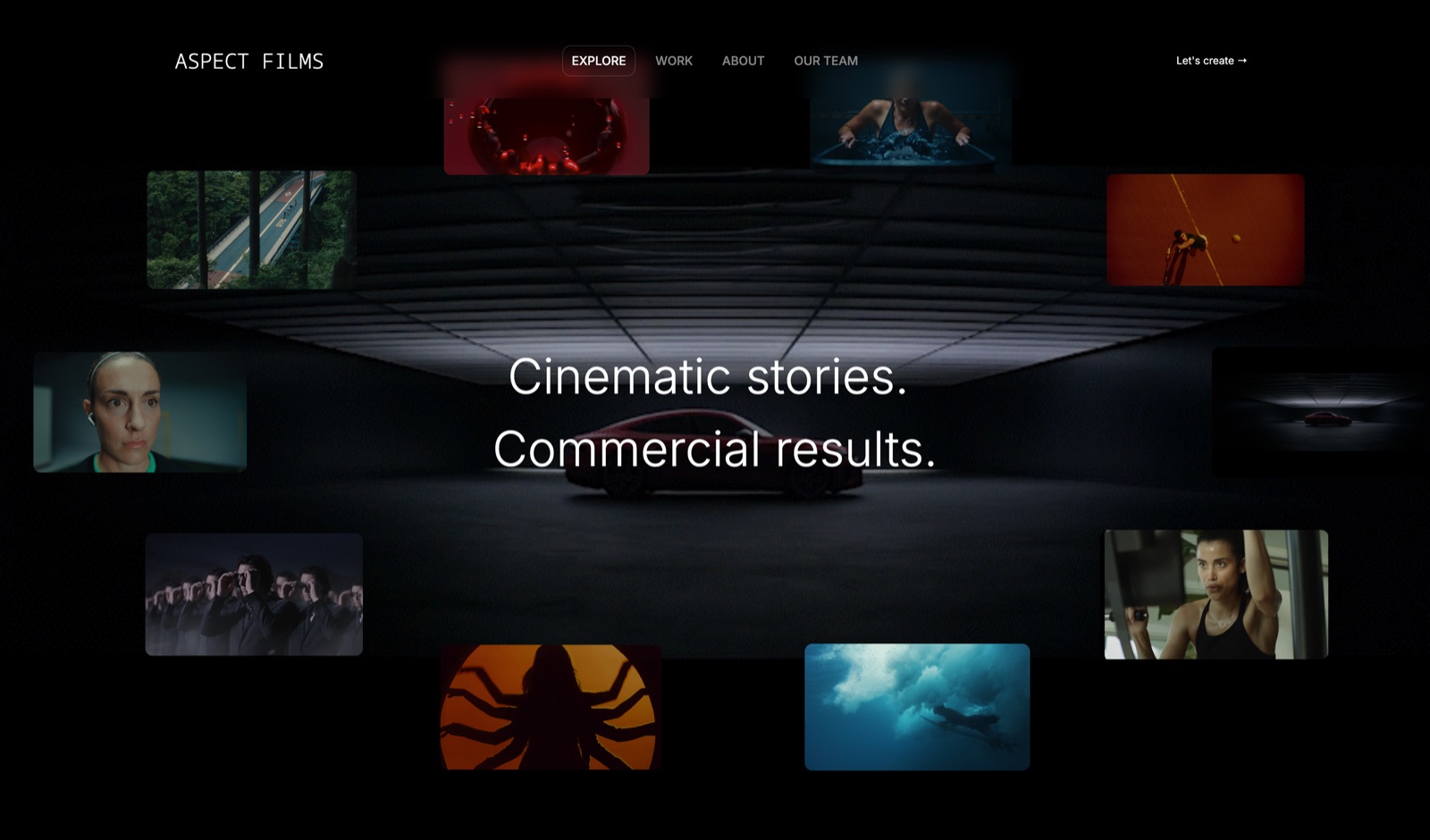
Rebuilding the site is the easy half. What decides whether you keep the search position you spent years earning is a list of old URLs pointing at new ones, and several popular builders cannot make one.
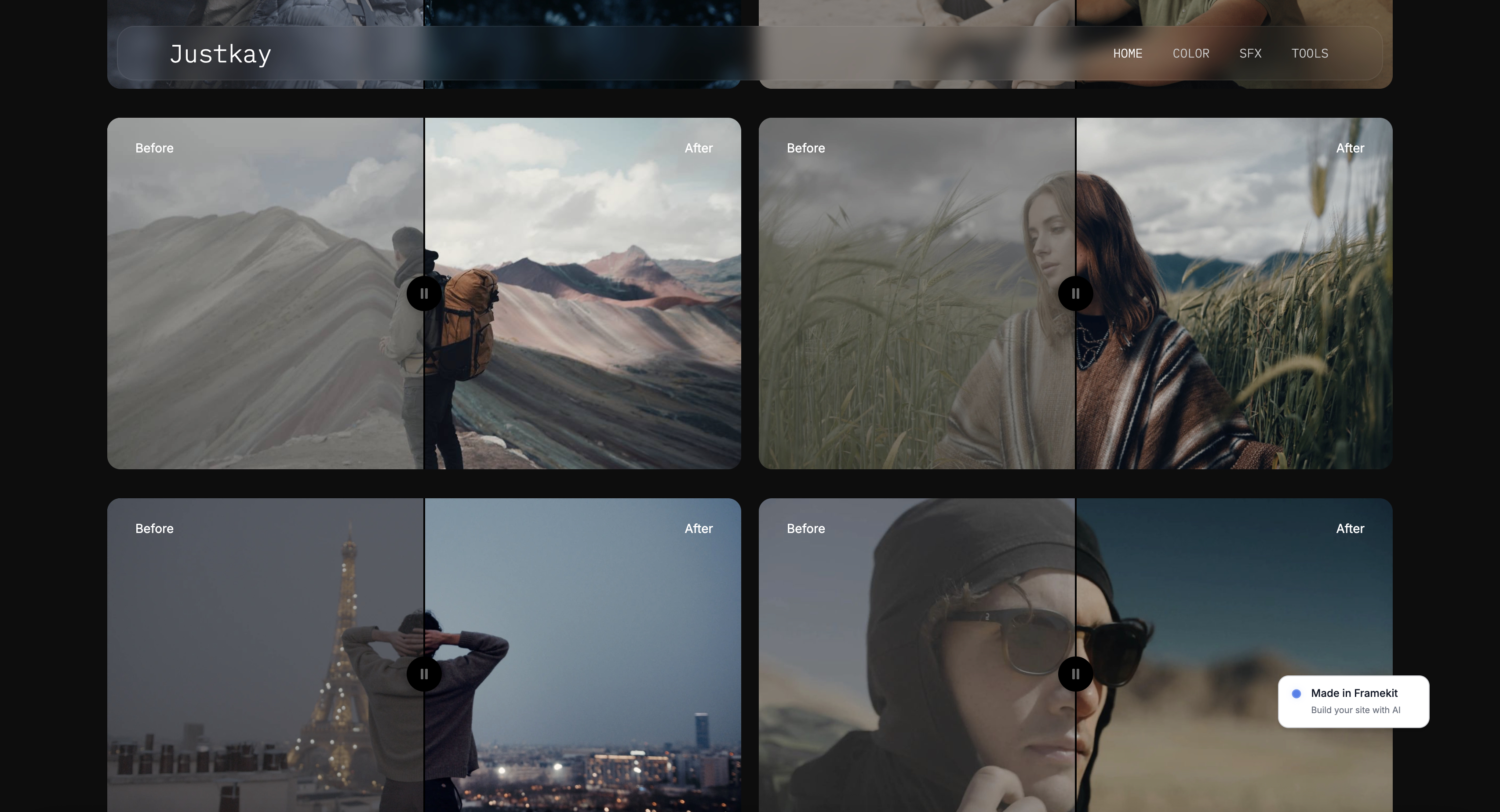
InDesign is about $276 a year. Affinity Publisher is now free and passed the same printer preflight. We laid out the same 32-page document in eight tools.
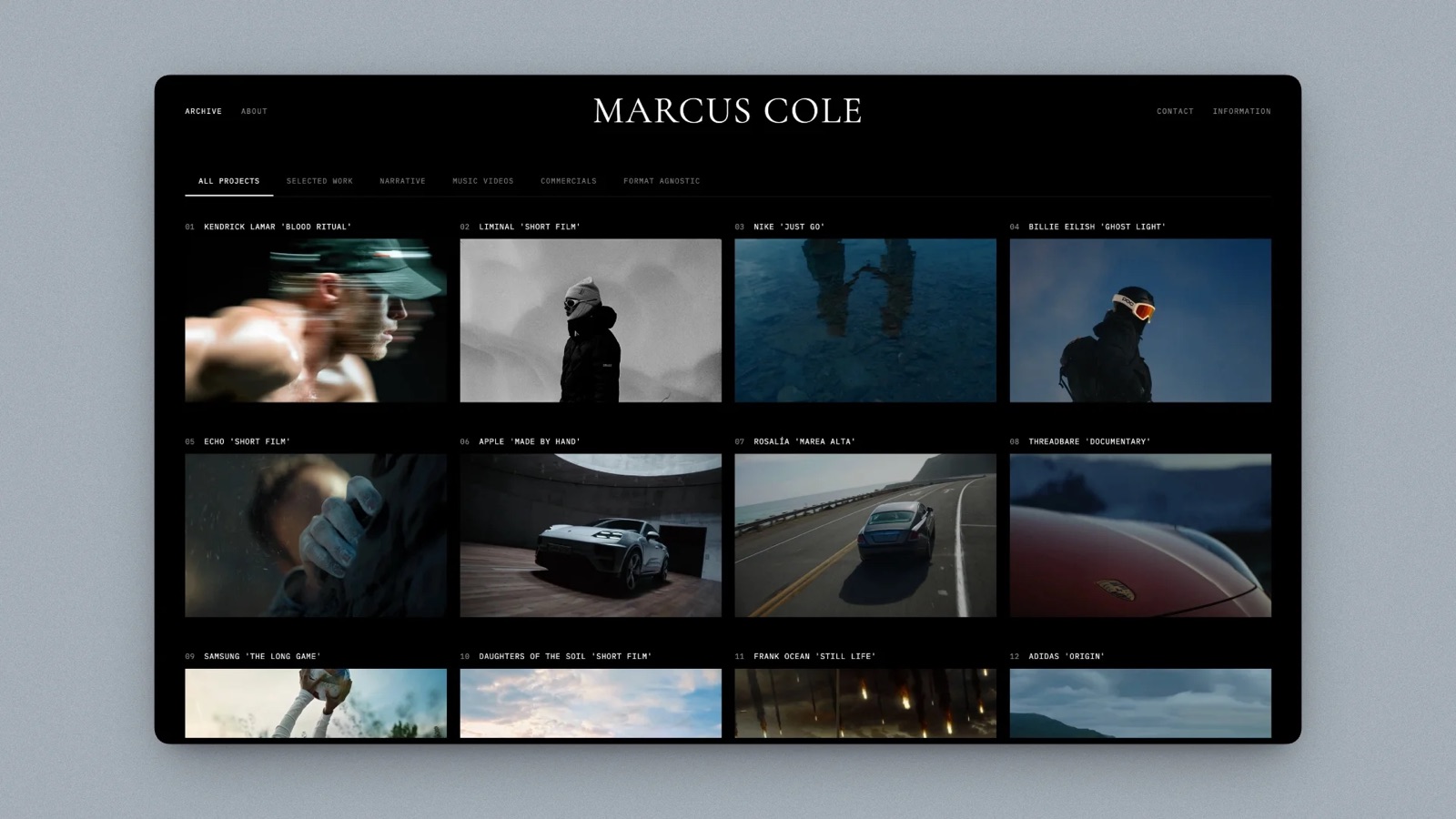
Webflow and WordPress.com both have a $25 tier, and it is the tier most people end up on. One of them unlocks a CMS and the other unlocks plugins, which tells you almost everything about how these two platforms think.
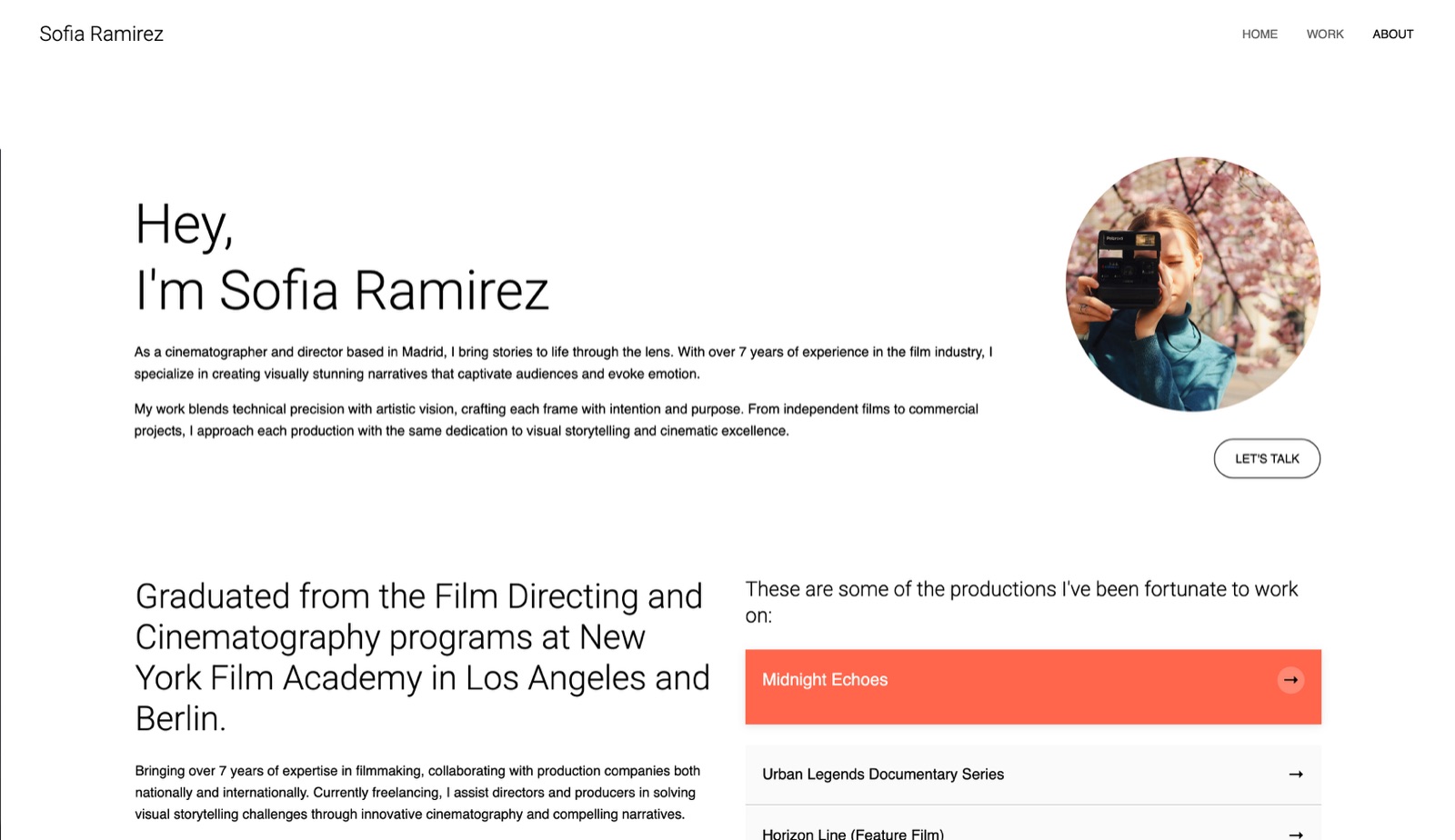
An 80-page brand PDF is a document nobody opens twice. Here is what a usable brand style guide contains, the two specifications everyone forgets, and how to keep it followed.
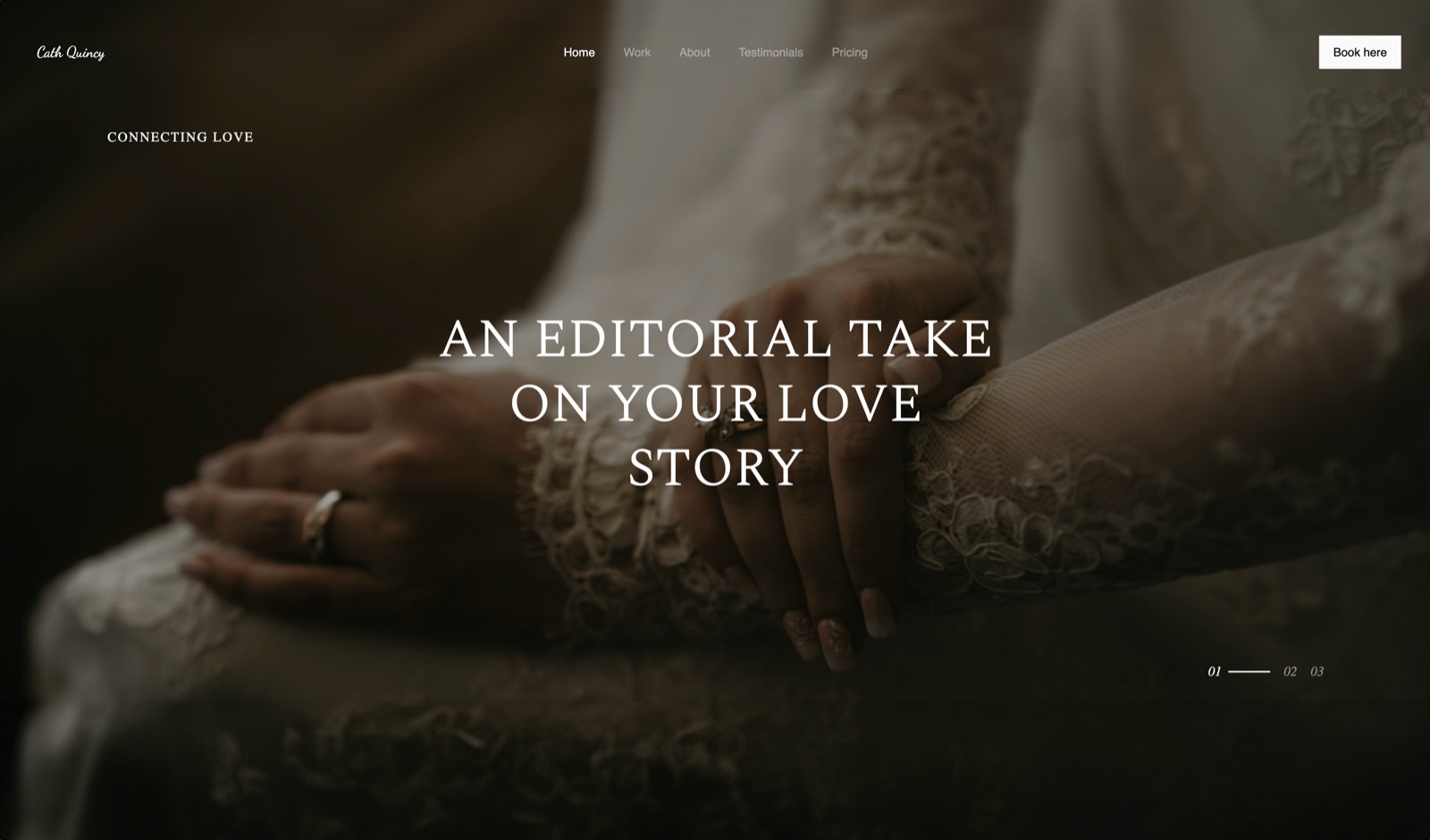
Most mood boards fail because they are collages rather than decisions. Here is the five-step method, the reference ratio that prevents the wrong image being picked, and how to present one.
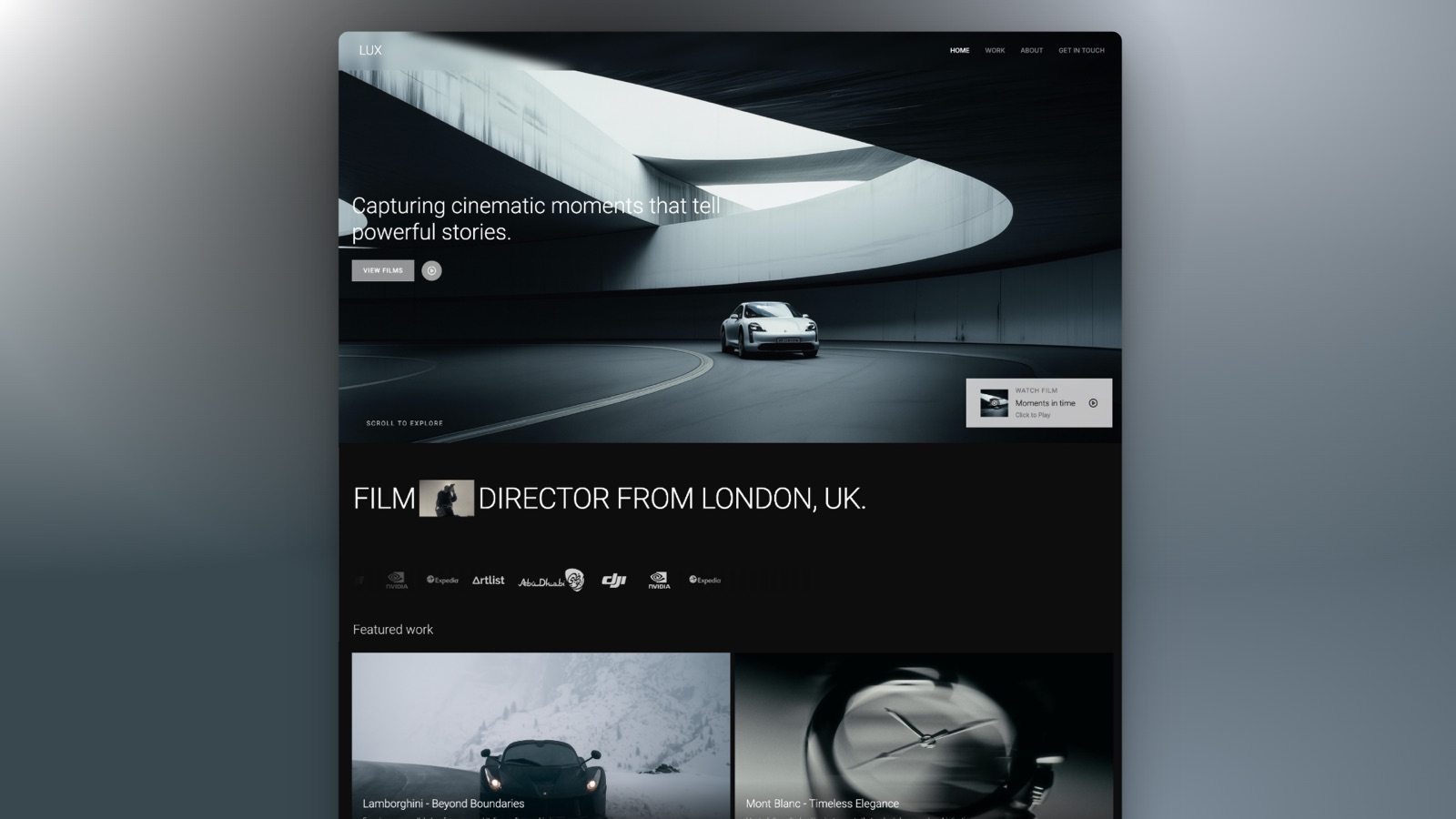
A design system's documentation is only useful while it is true. We documented the same 24-component system in nine tools and measured what stays in sync without a human.
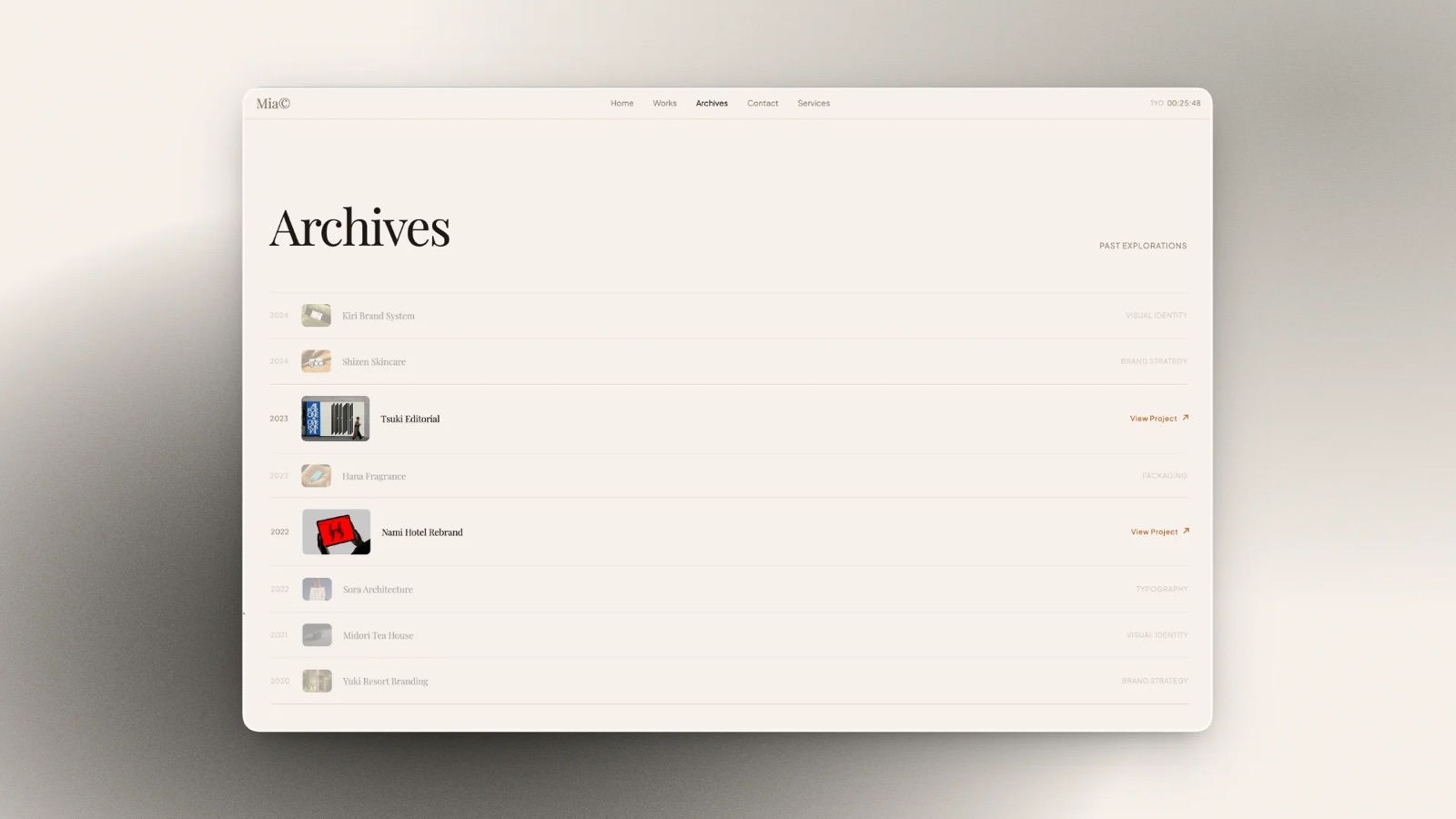
Free presentation templates hide three costs: an attribution slide you must not delete, fonts you do not own, and preview images you are not licensed to use. We read every licence, and ranked the best for creative decks first.
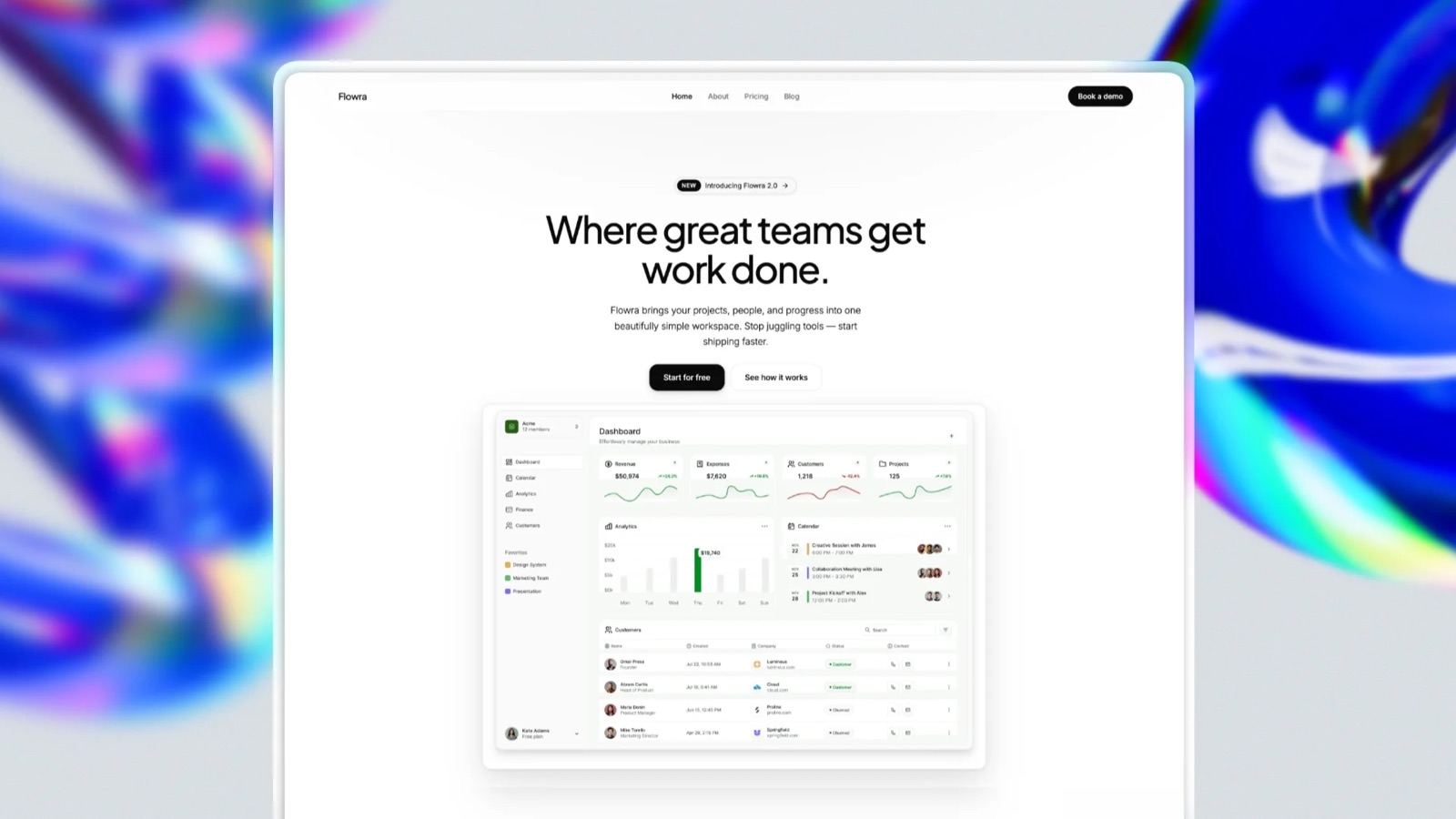
Framer's free plan includes a custom .com on yearly billing and 30 pages, which makes it cheaper than Carrd Pro at $19 a year. The reason to pay Carrd anyway is that it will never ask anything of you again.
Commercial portfolios are chosen on design and broken by file size. We tested eight builders on delivery capacity, per-file caps and three-year cost.
Almost every builder advertising a free domain means free for twelve months on a paid plan, after which it renews at their rate. A .com renews at $11.08 at a registrar, which is what the offer is actually worth, and it is not what it costs you.
Both advertise an entry price that does not include the thing you chose them for. WordPress.com's SEO tools start at $8 and its plugins at $25; Squarespace has no free plan and charges 7 percent on digital products at its cheapest tier.
Webflow gives you more control and a much worse ladder: a 2-page free tier, the CMS gated to $25 a month, and a $2,500 contract as the next rung. Wix gives you less control, more built-in software, and a ceiling you can afford.
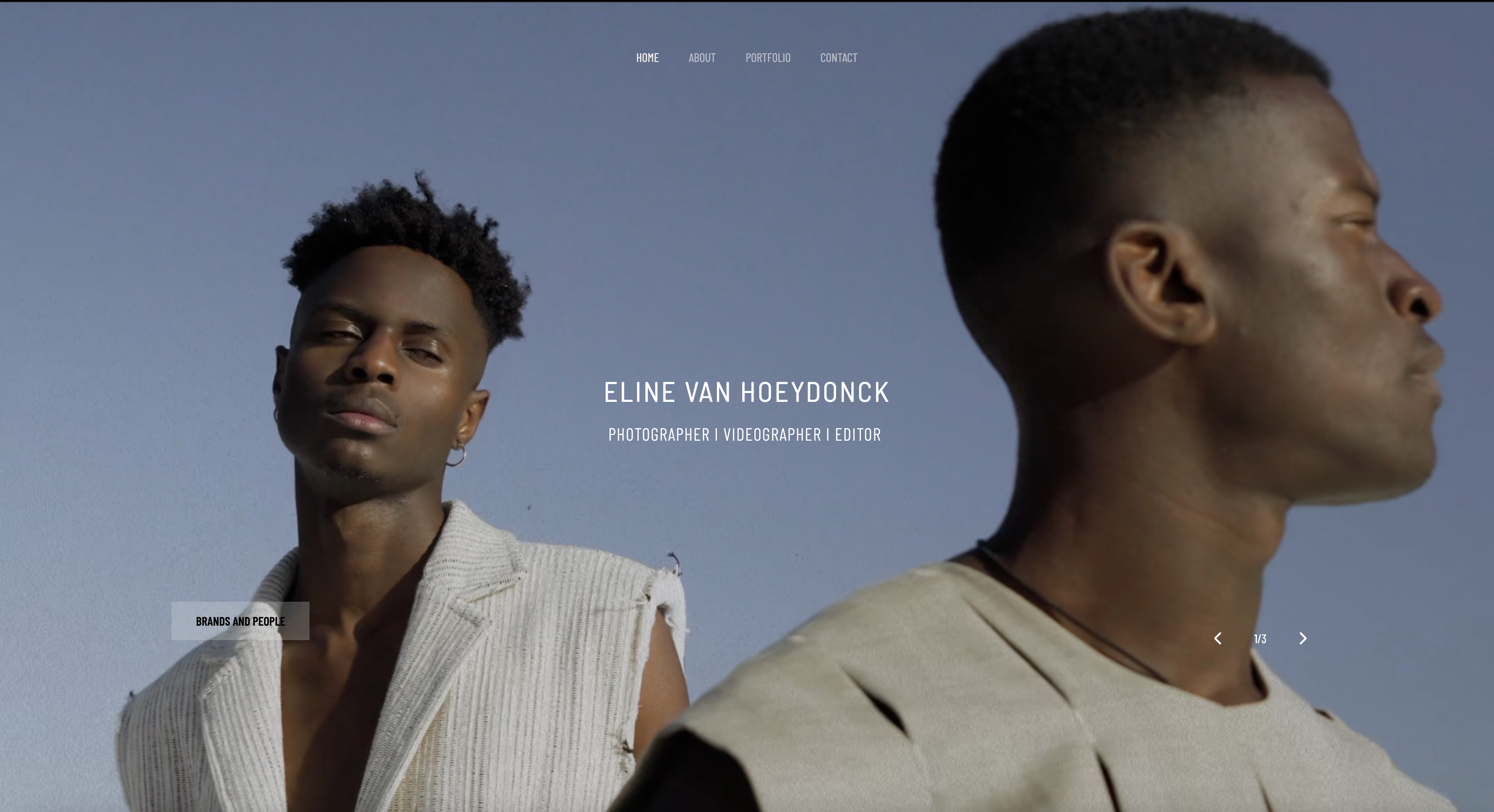
Wildlife income is tours first and prints second, so the fee that matters is the one on your biggest transaction. We tested ten builders on both, plus GPS handling.
Linktree is easier and Carrd is cheaper, and once you sell anything the gap stops being small. Linktree's own plan comparison lists a 9 percent seller fee until its top tier; Carrd's payment forms run on your Stripe account and it takes nothing.
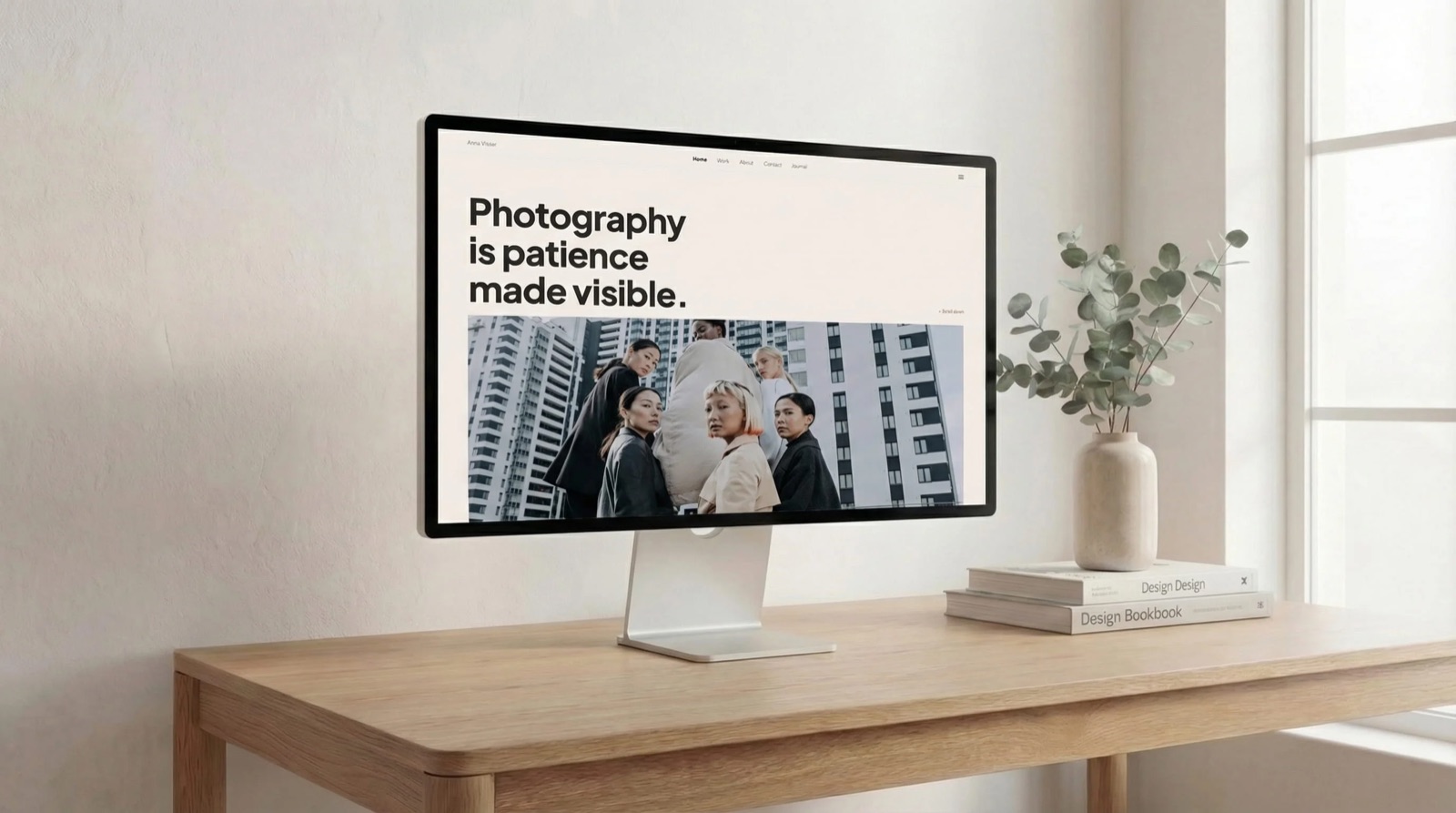
A one-page website is not a link list. It has to carry an argument from headline to checkout without a second page to hide anything in. We built the same single-page offer on nine builders and priced what it costs to take money from it.
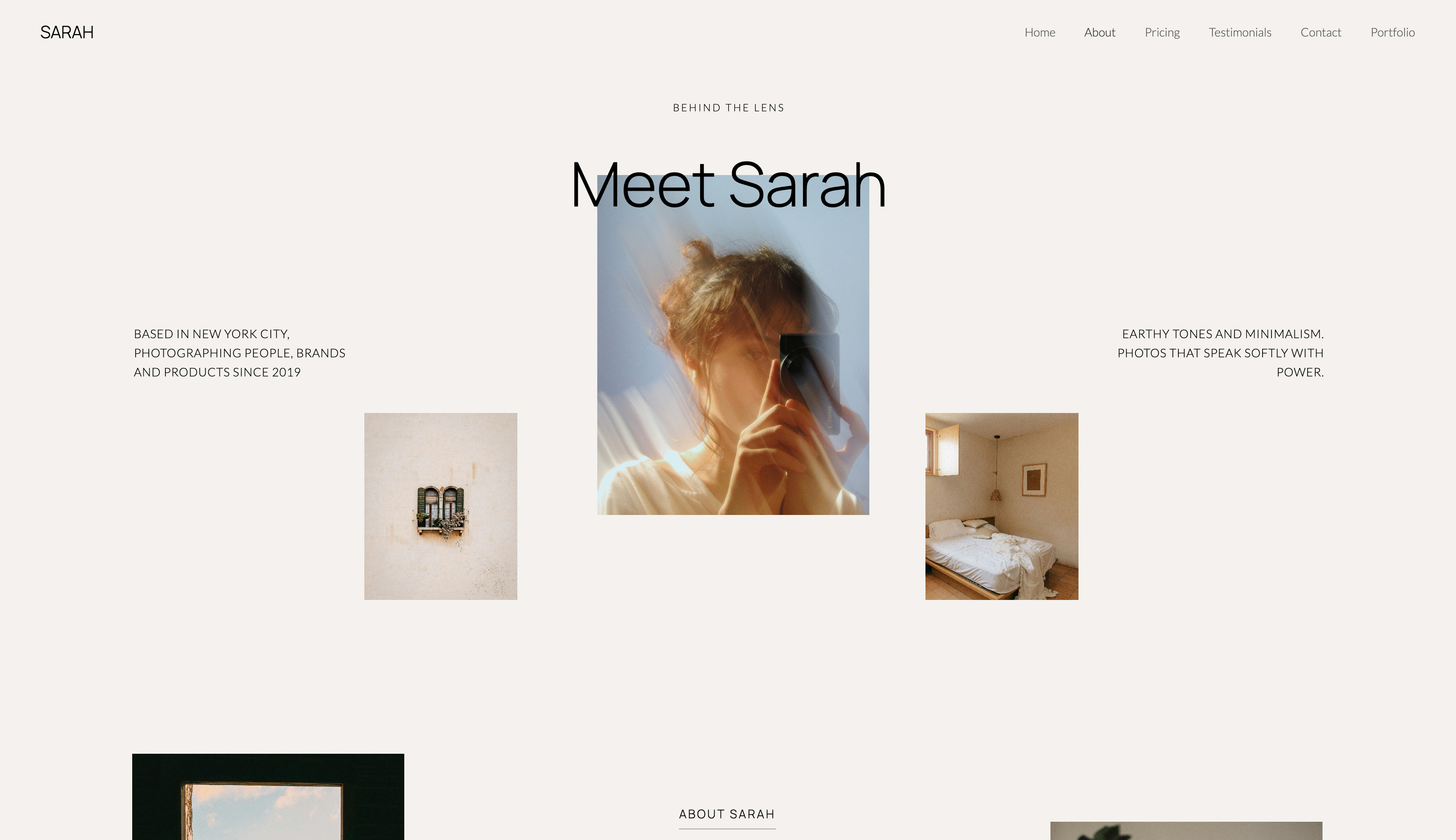
A website builder and a gallery tool is about $324 a year for a job one product can do. We tested twelve builders on which genuinely include client delivery.
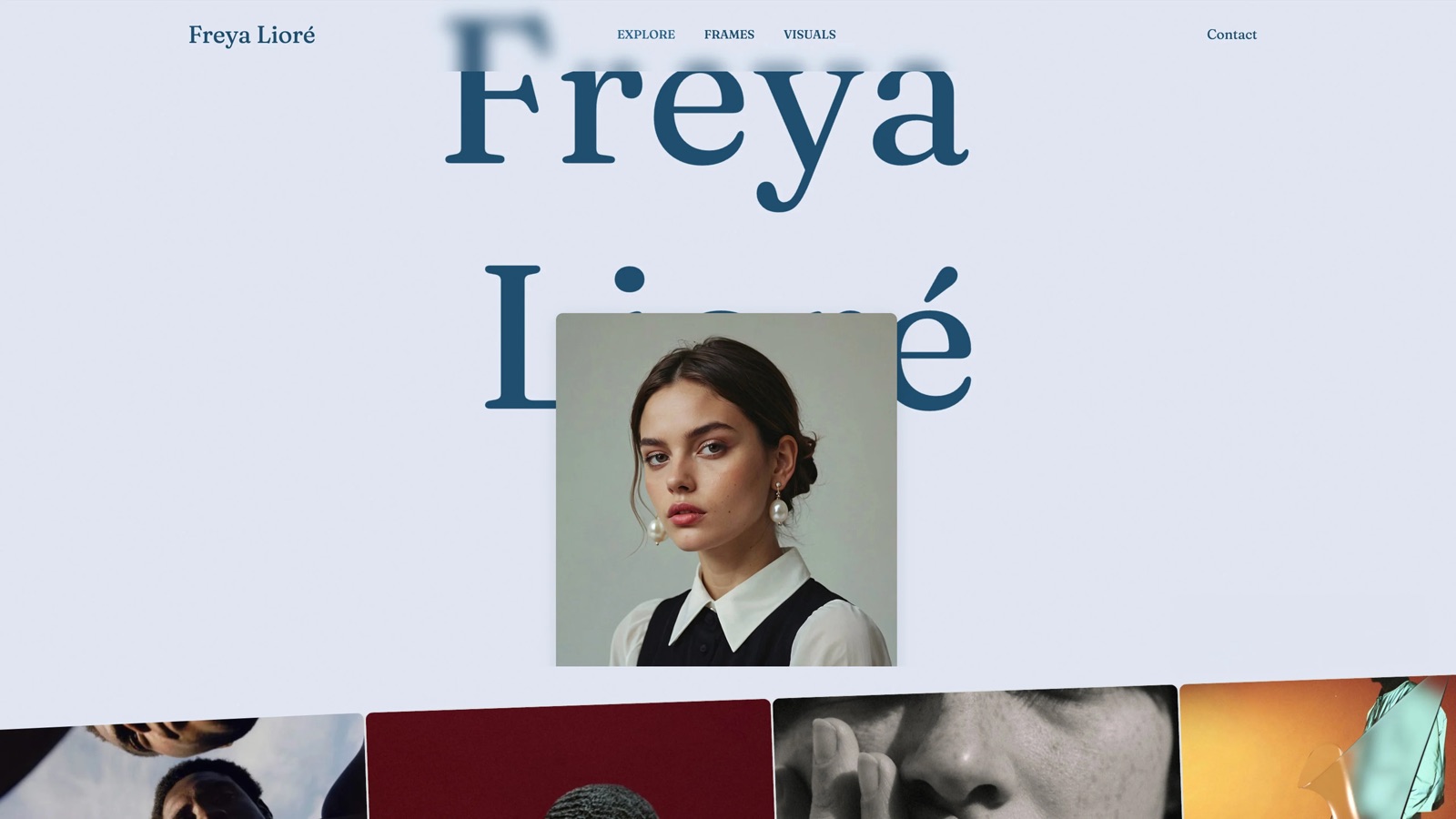
Most SEO comparisons rank builders on outcomes nobody can measure. We checked the controls instead: which builders let you set a 301 redirect, edit robots.txt, write your own structured data, and set a canonical, and which quietly do not.
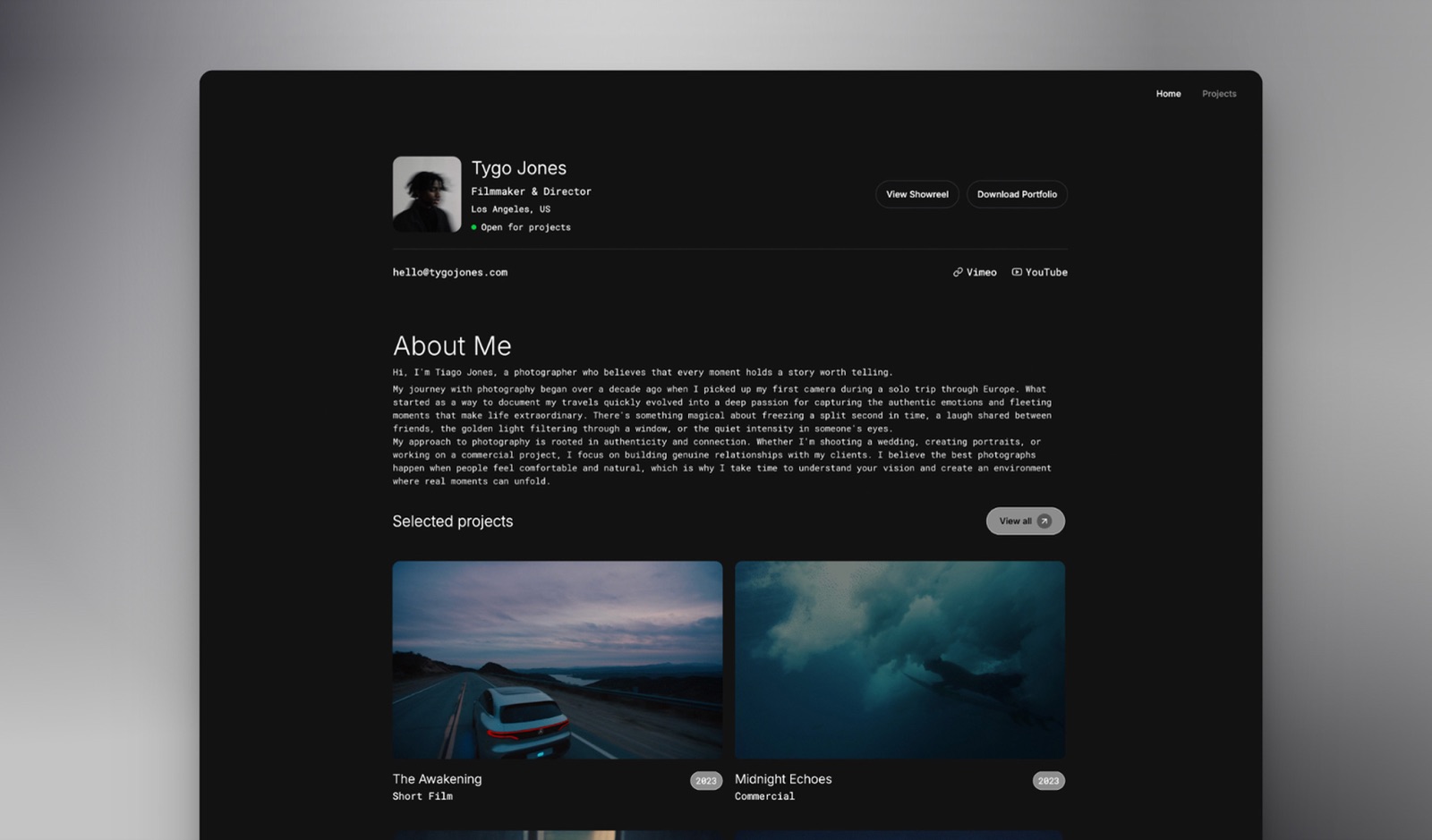
A personal website is the page that appears when somebody searches your name, which makes it a ten-year asset bought on a one-year promotion. We built the same site on eleven builders and priced what happens in year two, when the free domain stops being free.
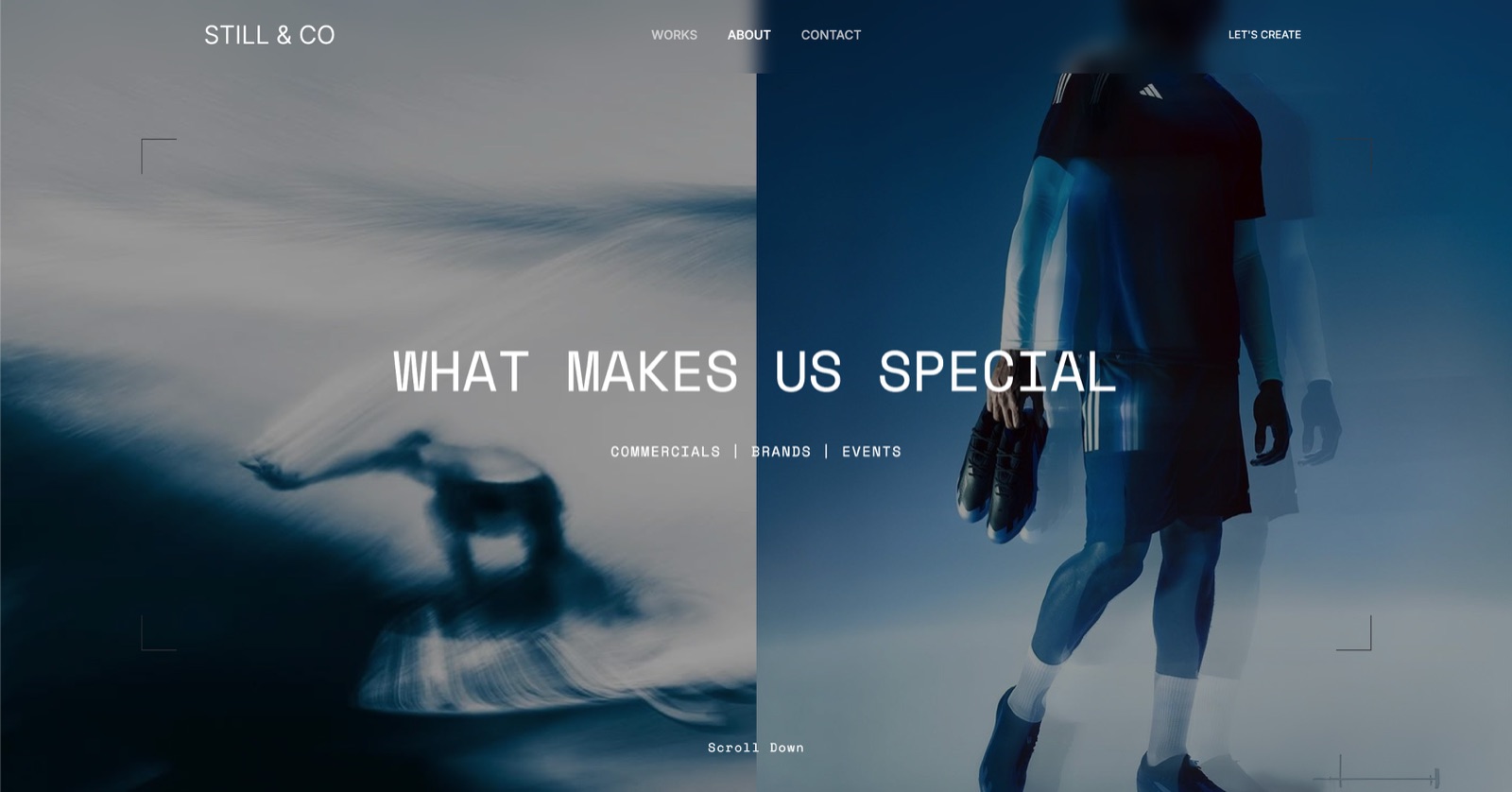
Webflow restructured its site plans and the tier above Premium is now a $2,500 a month contract. Squarespace quietly runs a second transaction fee on digital products. We compared both on one 12-page studio site with a project archive and one thing for sale.
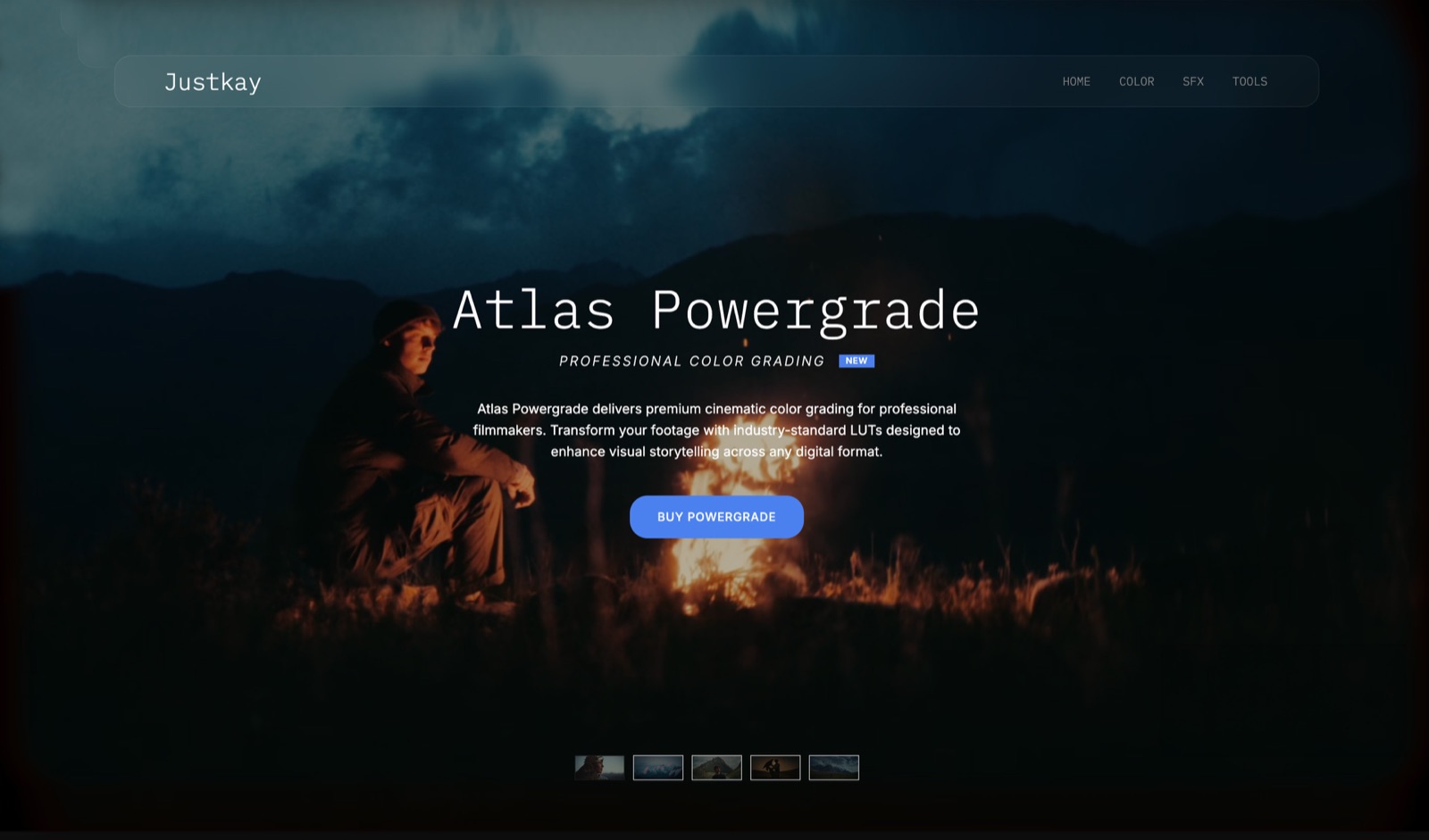
The link in bio stopped being a list of links and became a storefront, and the two category leaders now take 9 percent of what you sell through it. We ran one $39 preset pack through nine tools to find where that fee disappears and what it costs to escape it.
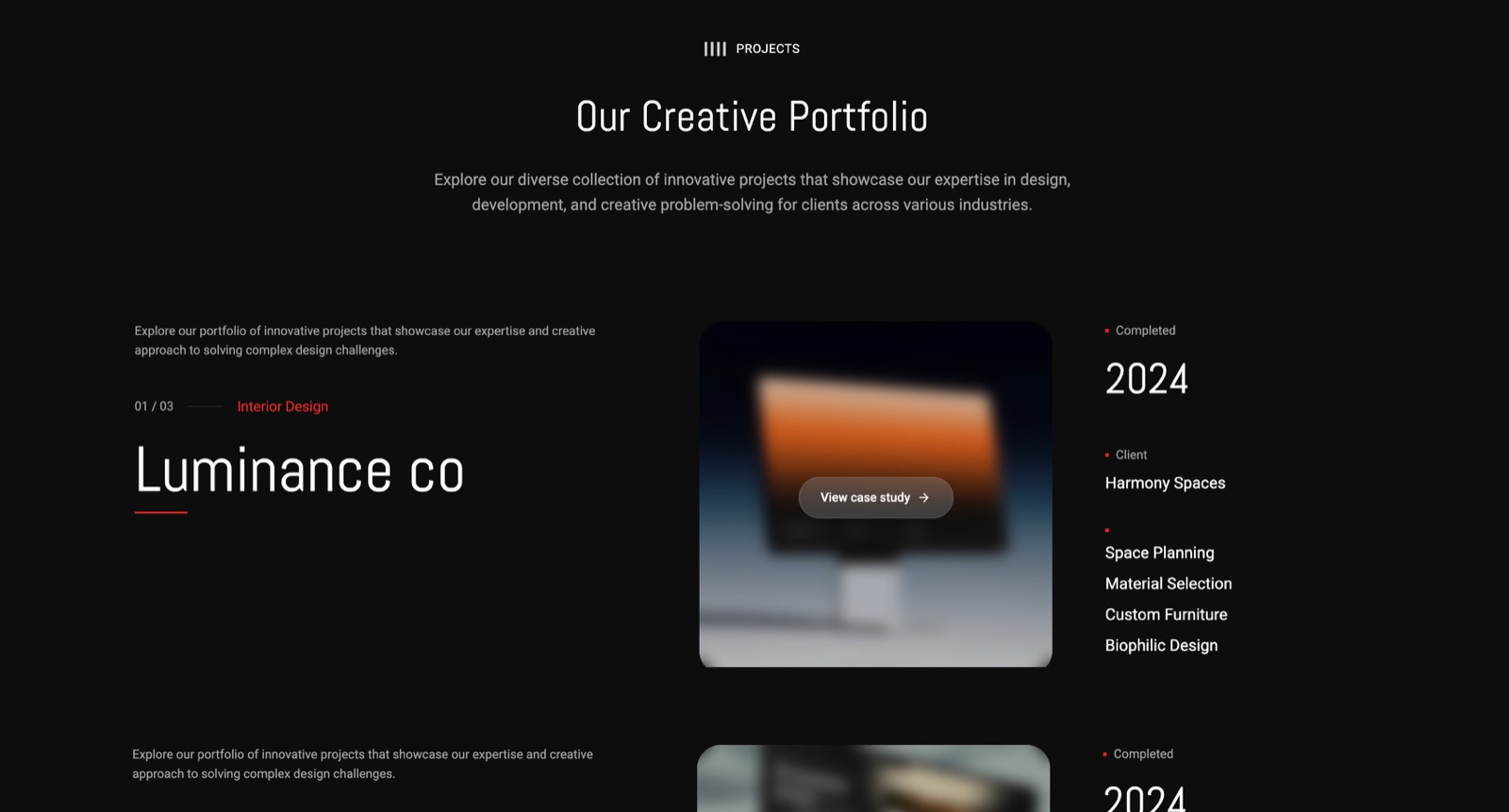
A personal account proves you can post. It does not prove you took a gym from 900 to 11,000 followers in eight months. There is nowhere on a social platform to put the facts that win retainers.
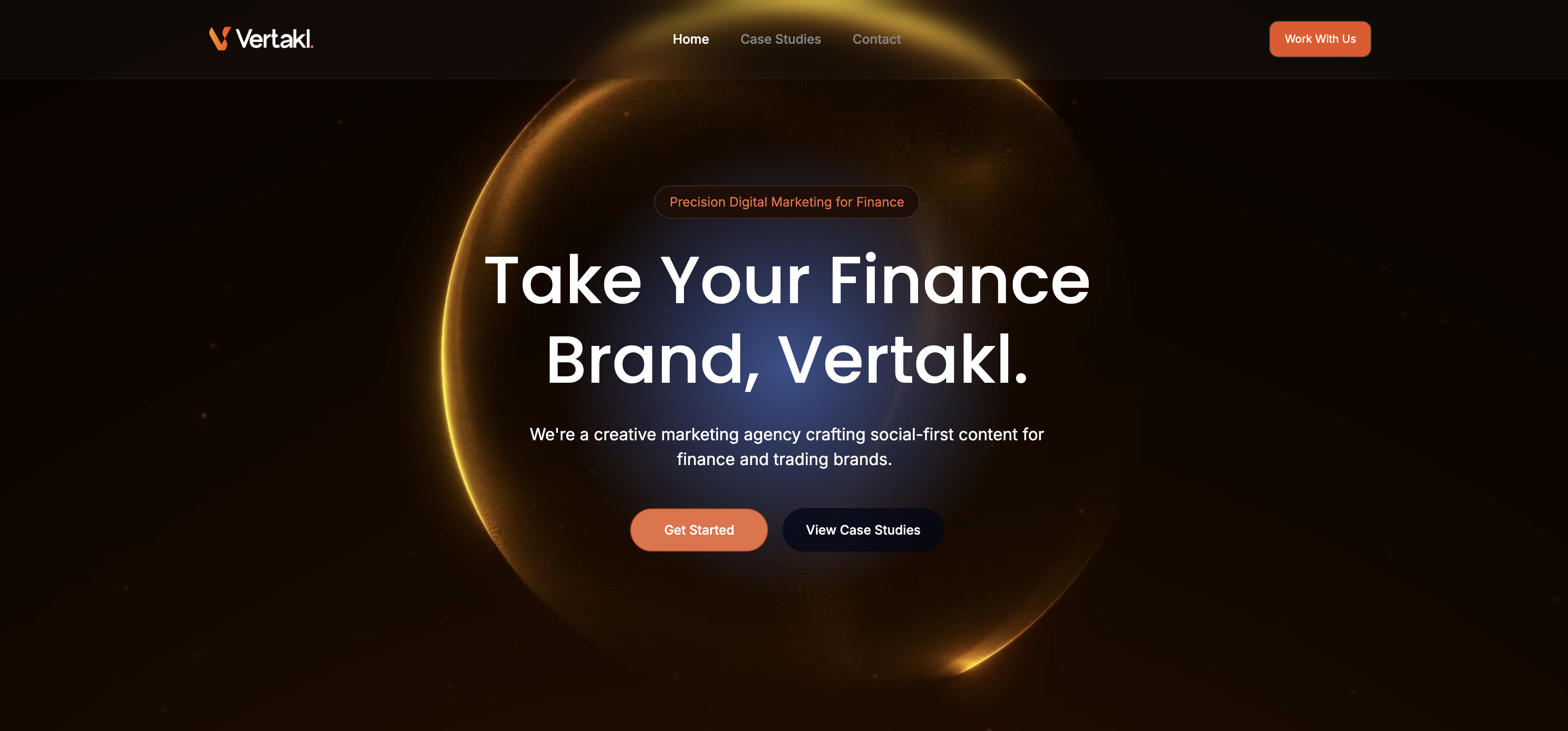
A drone site has to prove you are allowed to do the job before it shows a single frame. We tested ten builders on delivery capacity, video caps and credentials.
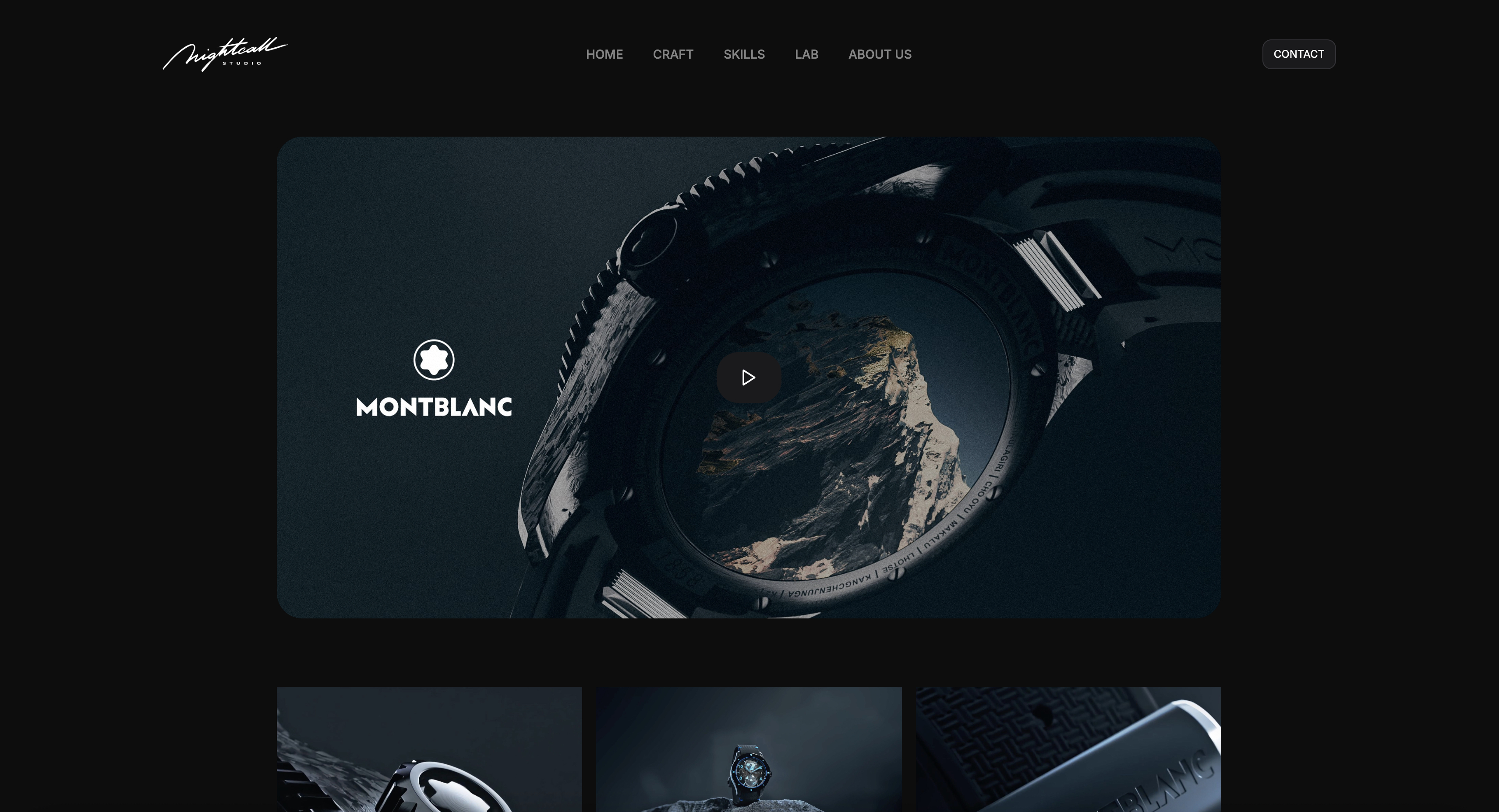
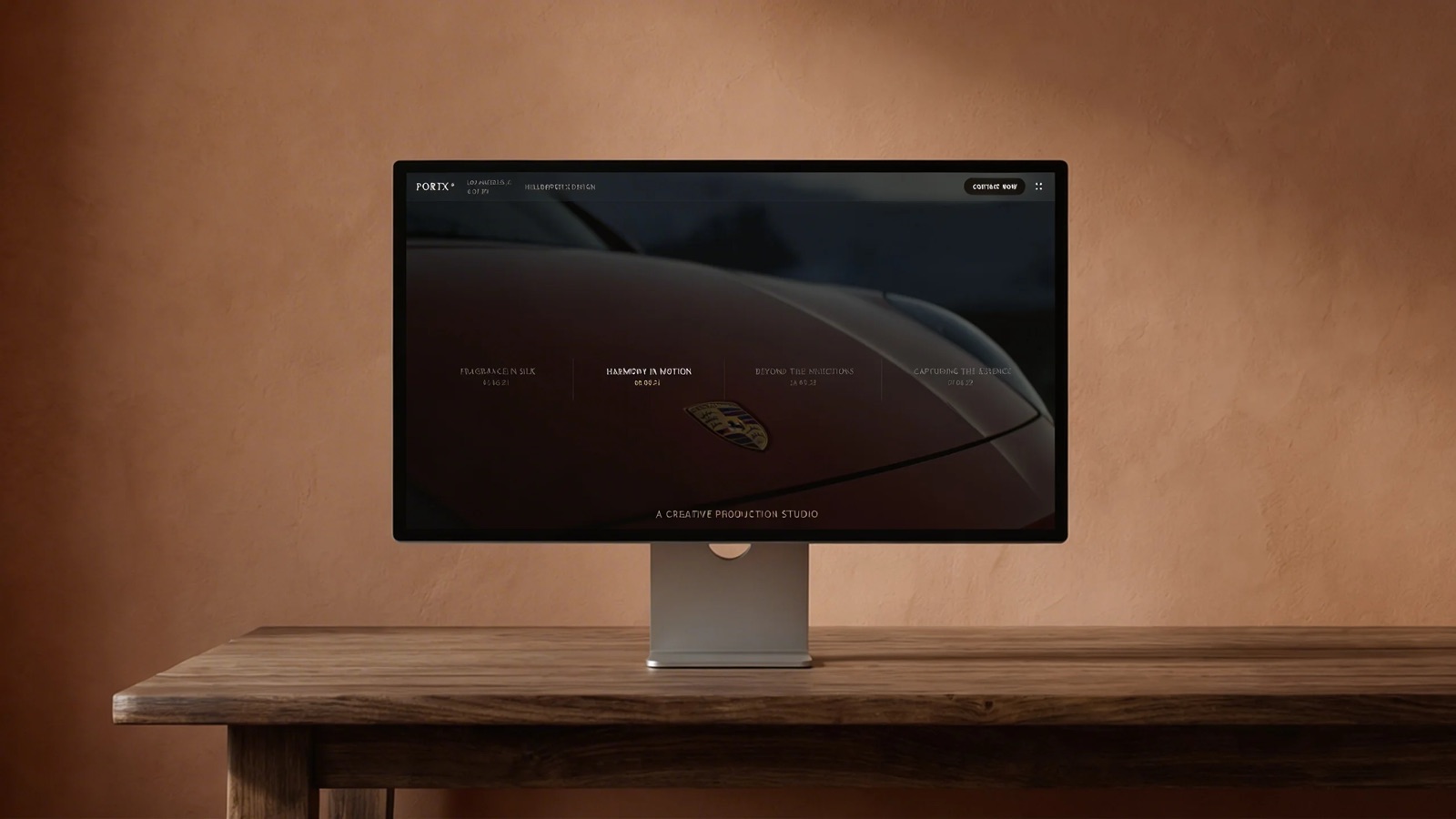
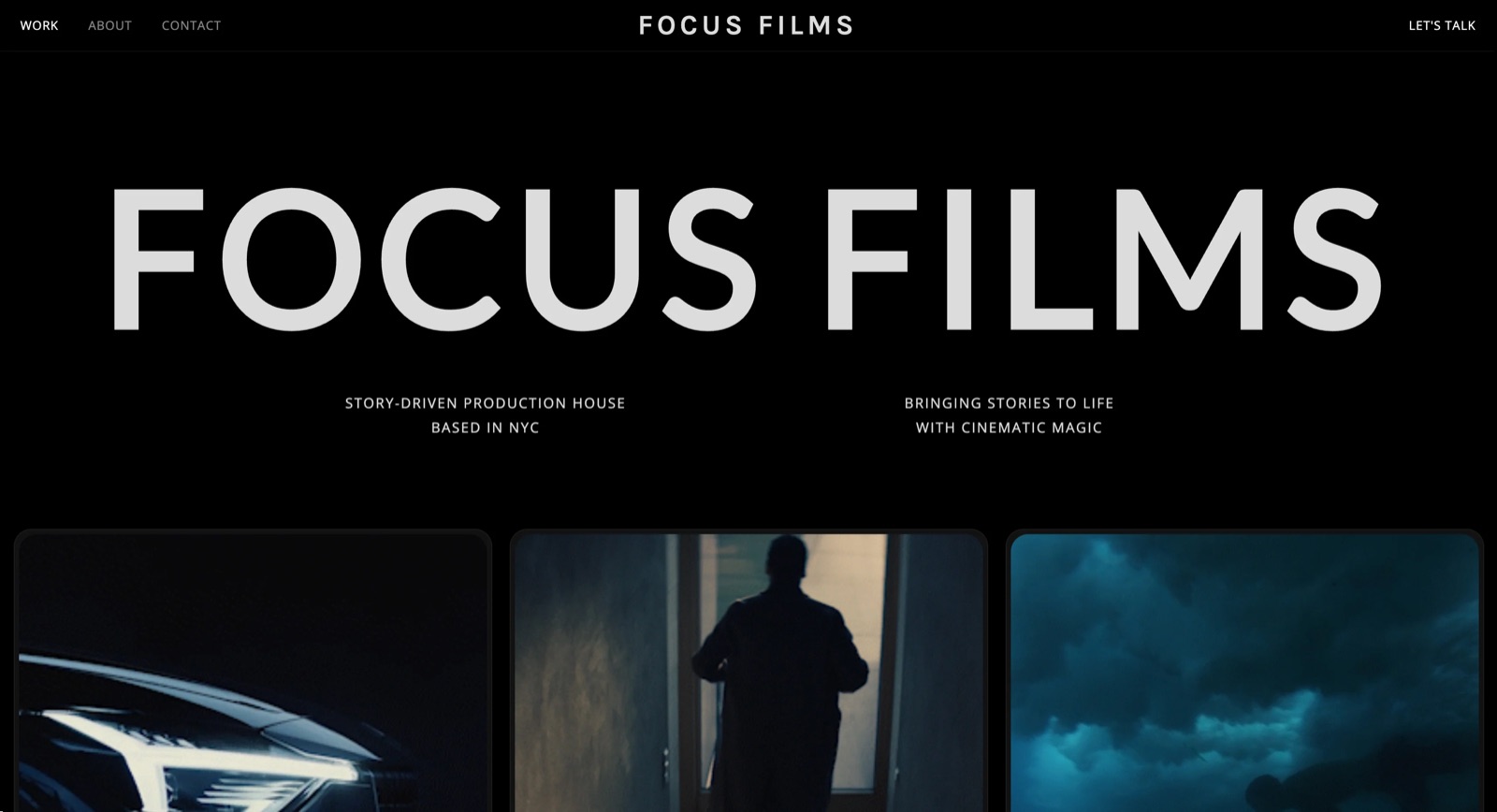
A production company site is read by a producer building a shortlist. We tested nine builders on team access, protecting unreleased work and case-study structure.
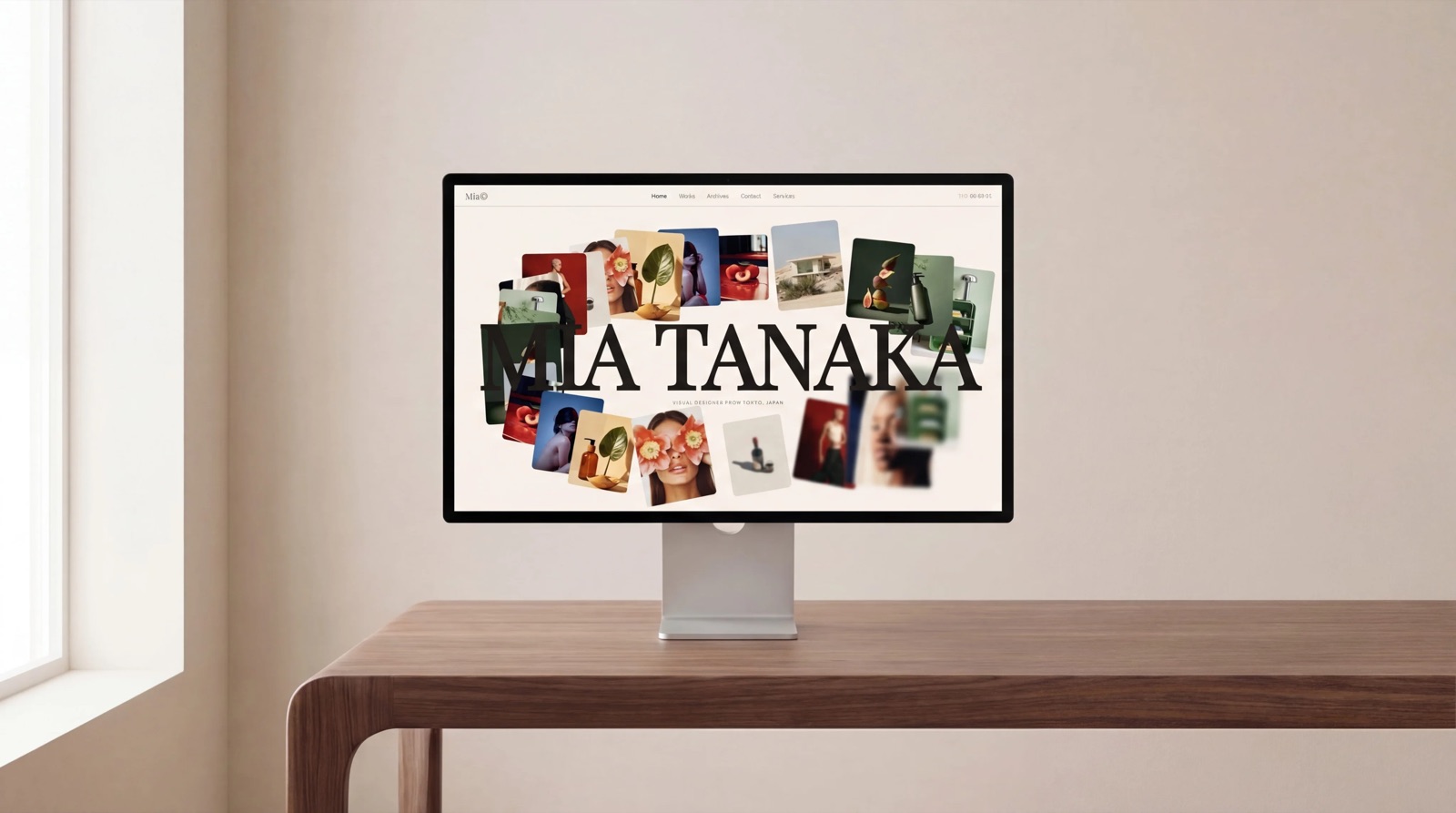
We built the same seven-page portfolio site, with a four-product shop, on thirteen no-code website builders using one fresh account each. This compares what they cost in year three, what happens to your site when you leave, and which ones are quietly the wrong species for the job.
The host generates your feed. The website generates the search traffic, the email list and the sponsorship. Buying one and hoping it covers both is the default mistake.
A second language is priced like a second product on most website builders: per locale, per word, or via a plugin tier. Squarespace does not offer it natively at all. Here is what each one actually charges.
Your visibility on the platforms where artists get discovered is a setting other people control. That mechanic, not templates, should decide which site an AI artist builds.
Framer charges EUR 20 per extra editor. Squarespace Core includes unlimited contributors. For a three-person studio that is EUR 40 a month, forever, and it decides the comparison before any feature does.

A promoter at 1am has ninety seconds: a mix, two bios, a press photo, a rider, a booking email. We ranked 9 website builders on whether they deliver those five things or make you assemble them.
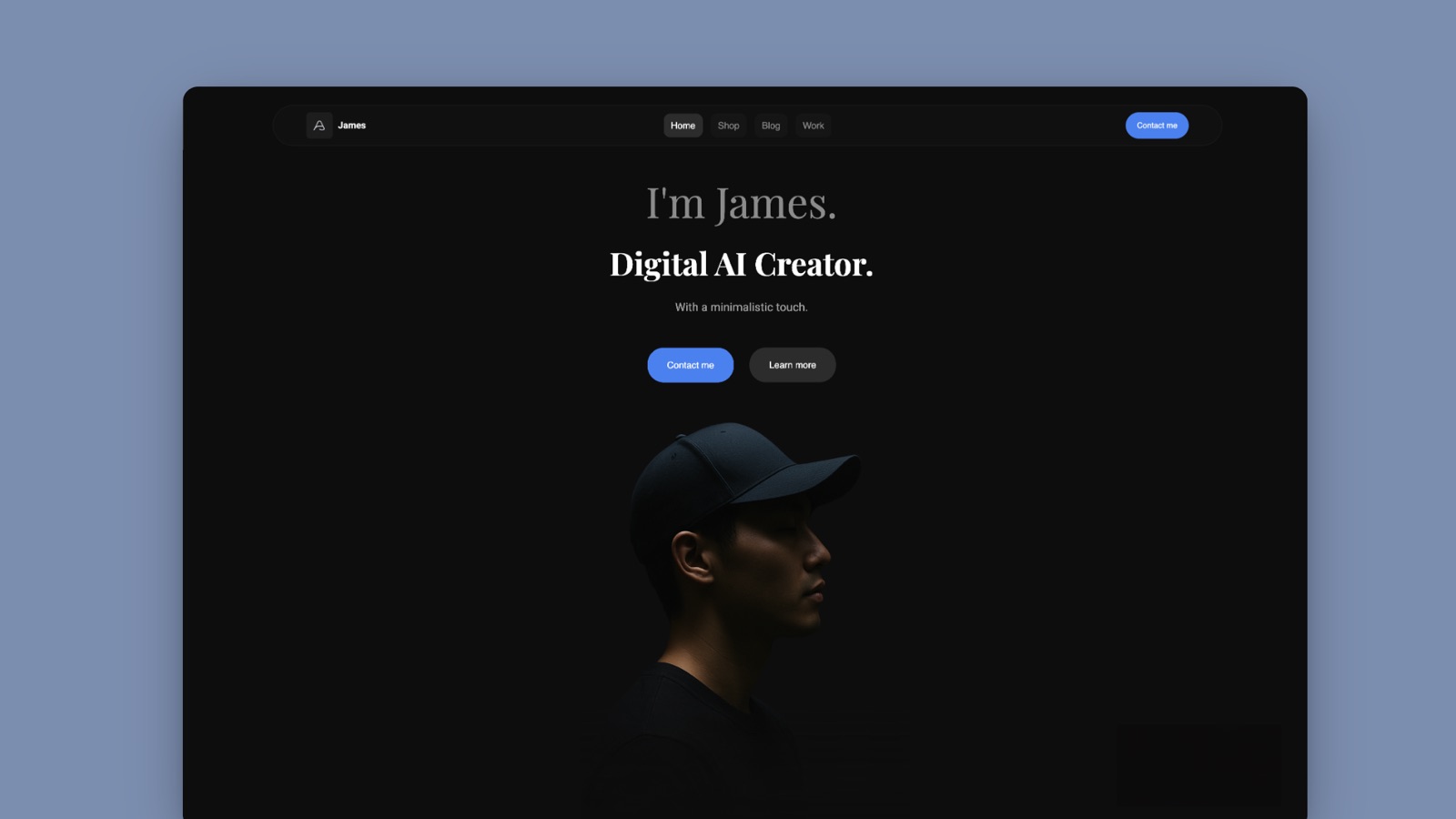
A YouTube channel needs a site for four things: an email list you own, a media kit sponsors can read, a store with a low fee, and a URL that survives the algorithm. We ranked 9 builders on exactly that.
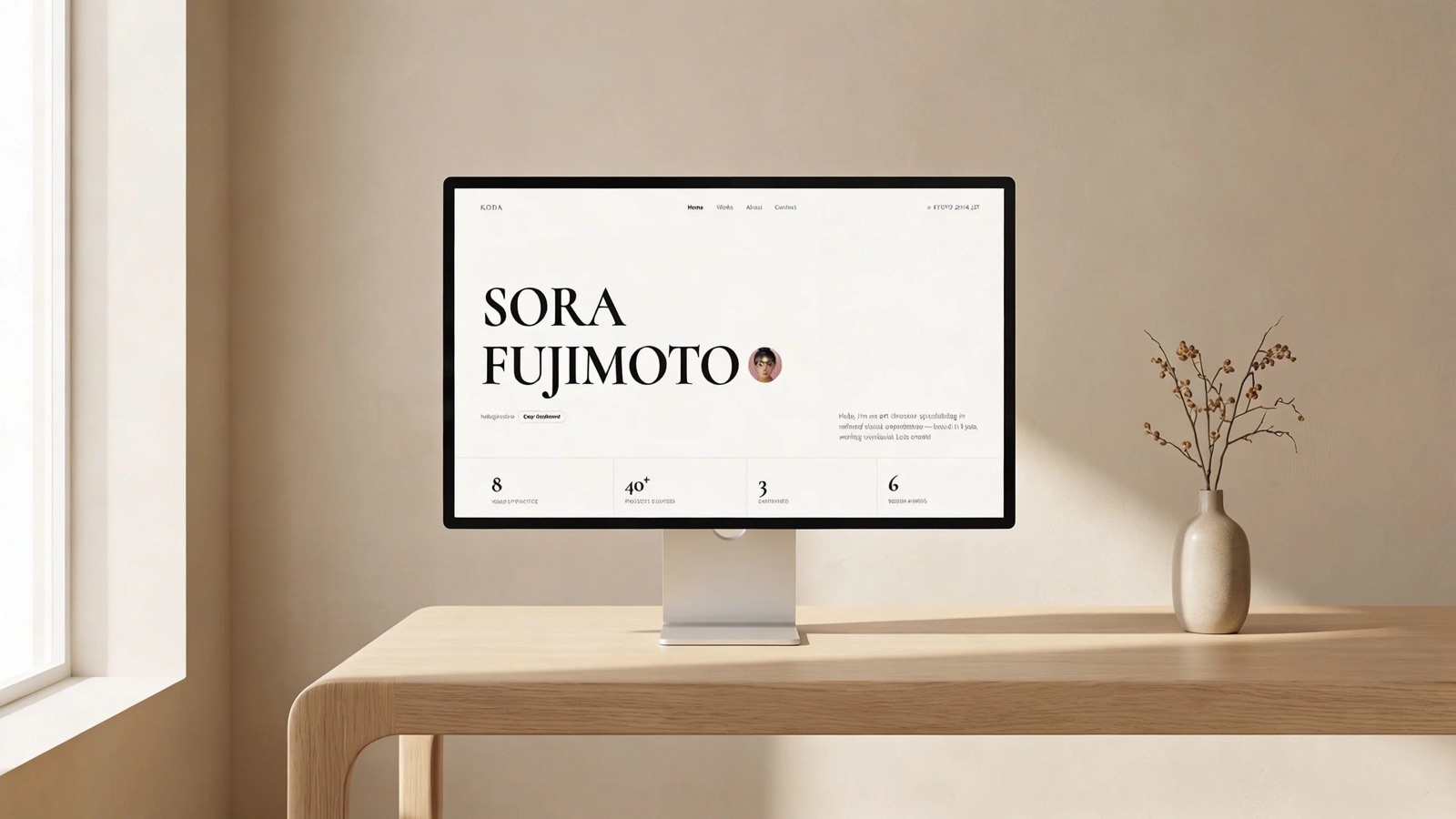
One is a business platform that displays your work. The other is a display case Adobe gives away to keep you subscribed. We priced both and counted the themes in Adobe's own showcase.
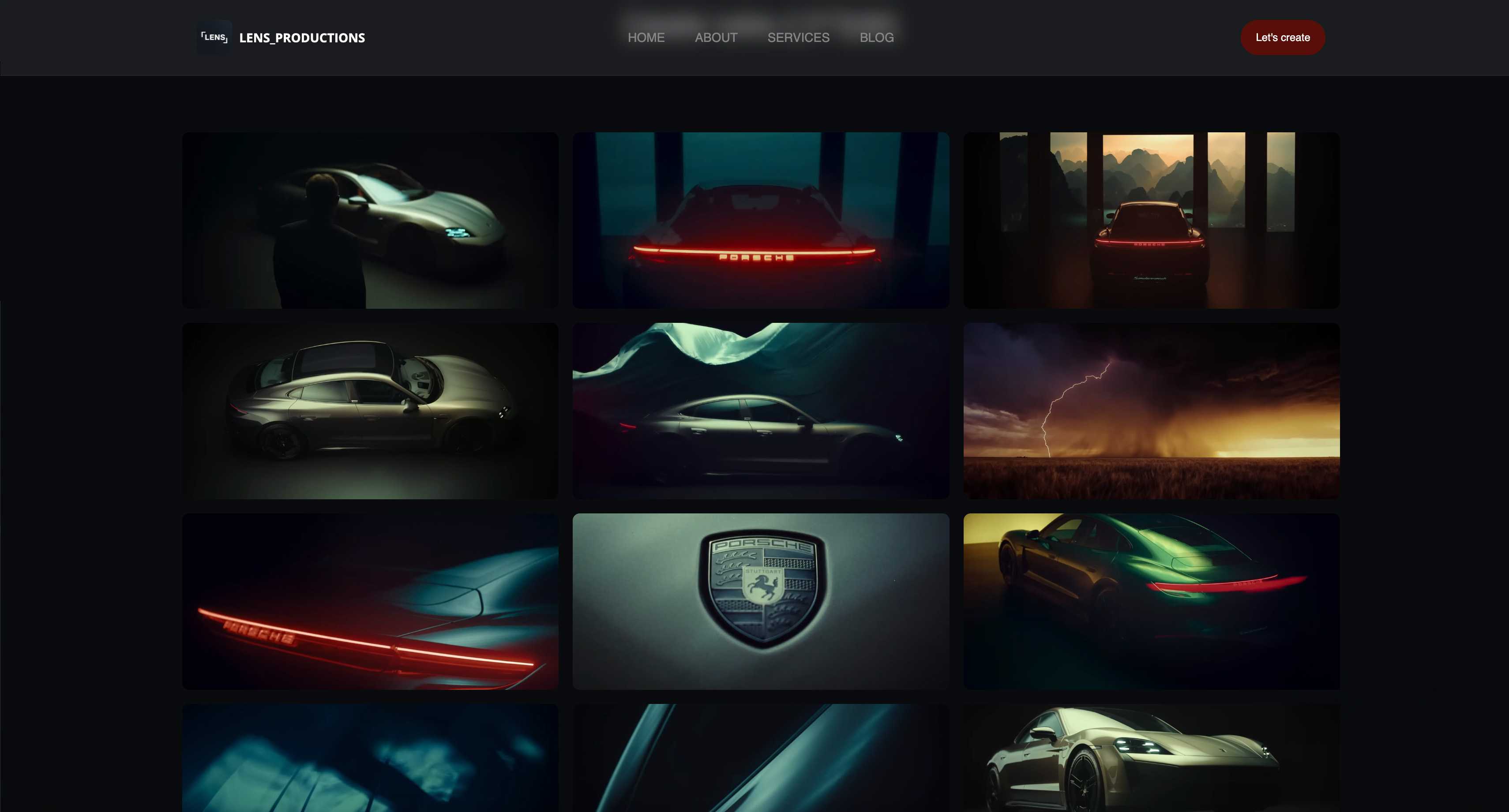
A colorist's portfolio is a colour proof, not a mood board. We tested eight builders on image fidelity, reel handling and what selling a LUT pack actually costs.
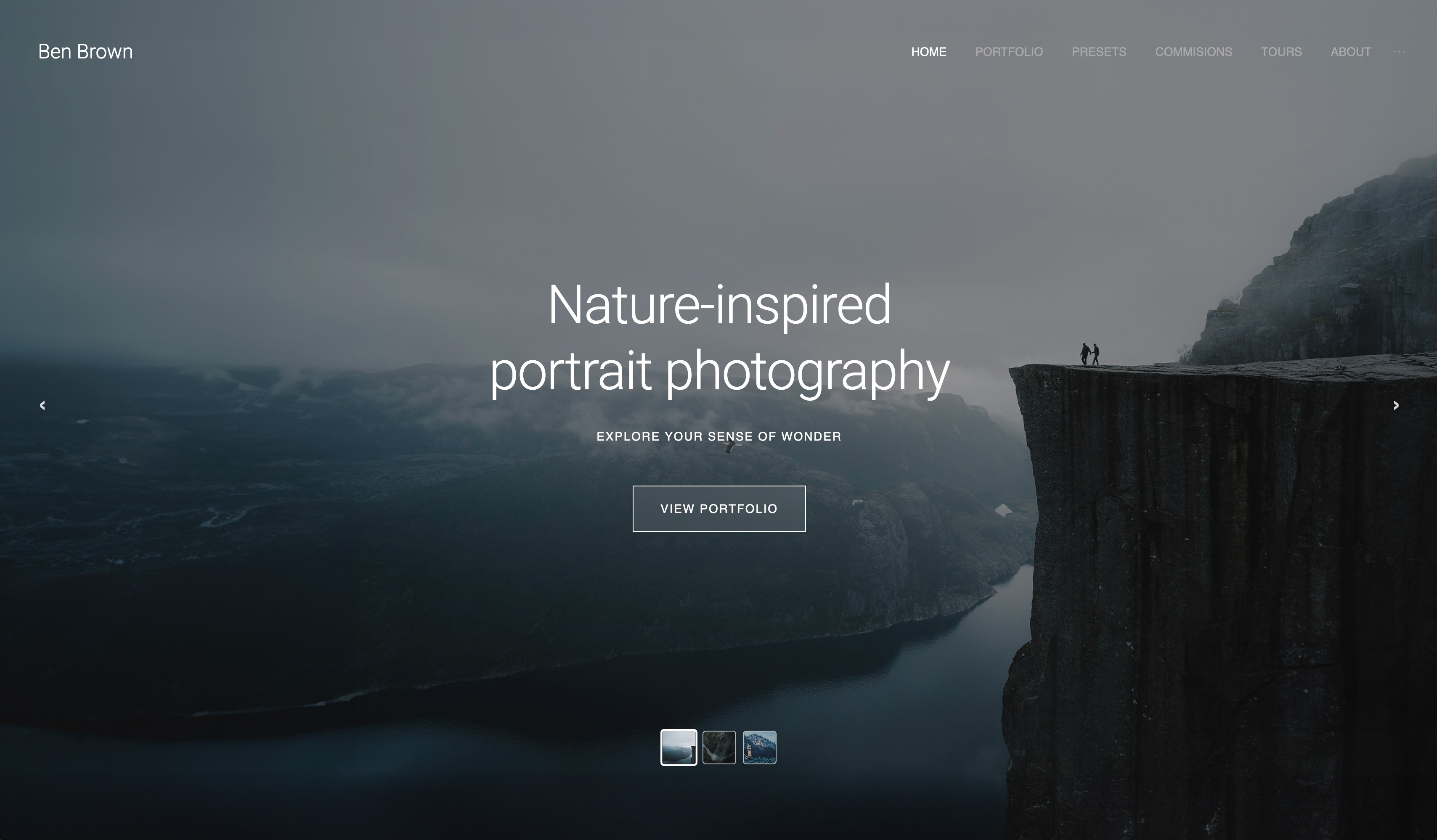
Hosting is priced for sites with many visitors and little data. A photography portfolio is the exact opposite, which is why reaching 50GB at one major host means buying 400,000 monthly visits.
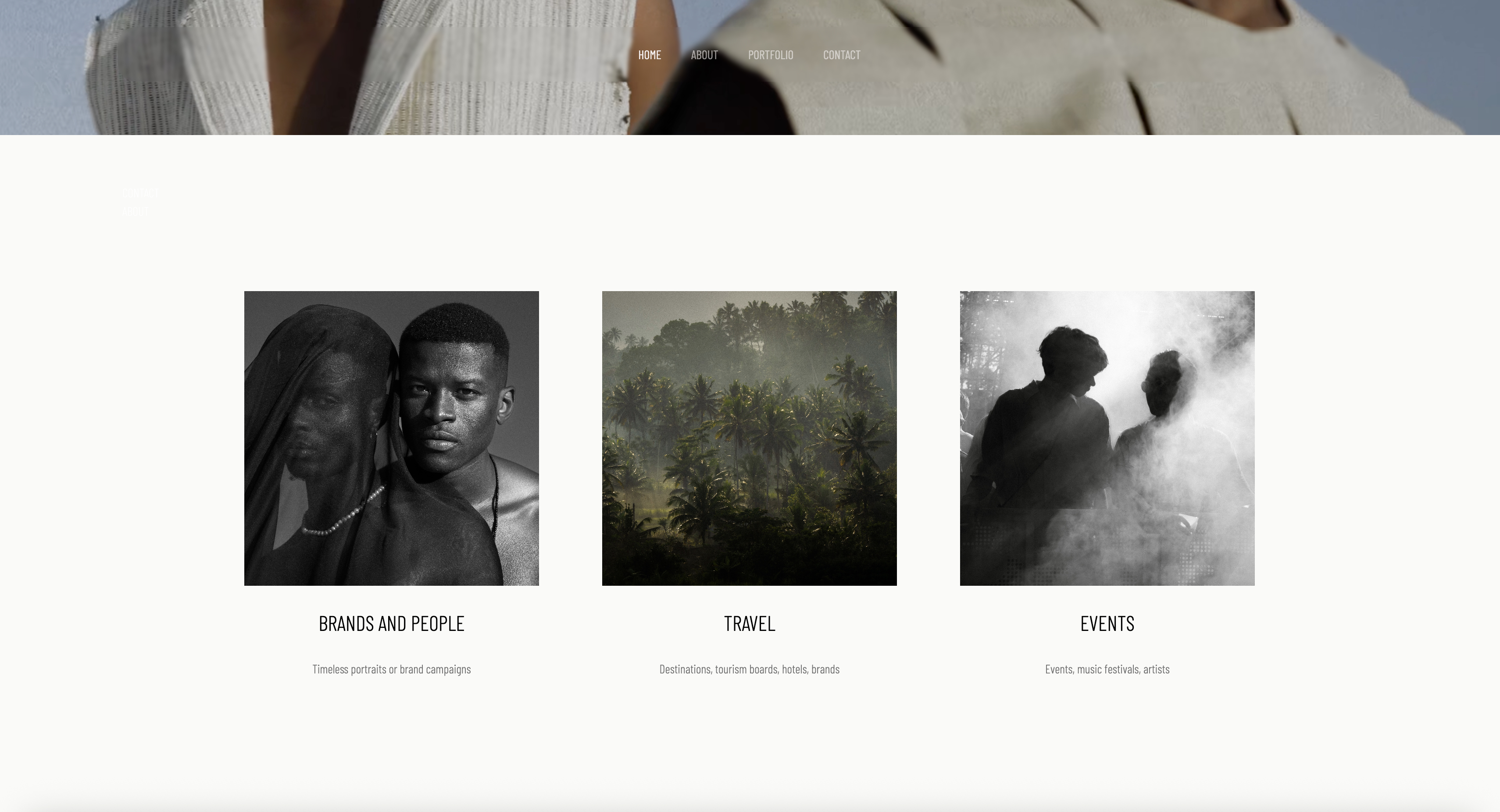
We audited the same forty-page photography portfolio with seven SEO tools to find which ones a creative business actually needs. The comparison covers what the free tools cover, the cheap tier most people miss, and what the new AI-search tracking features really cost.
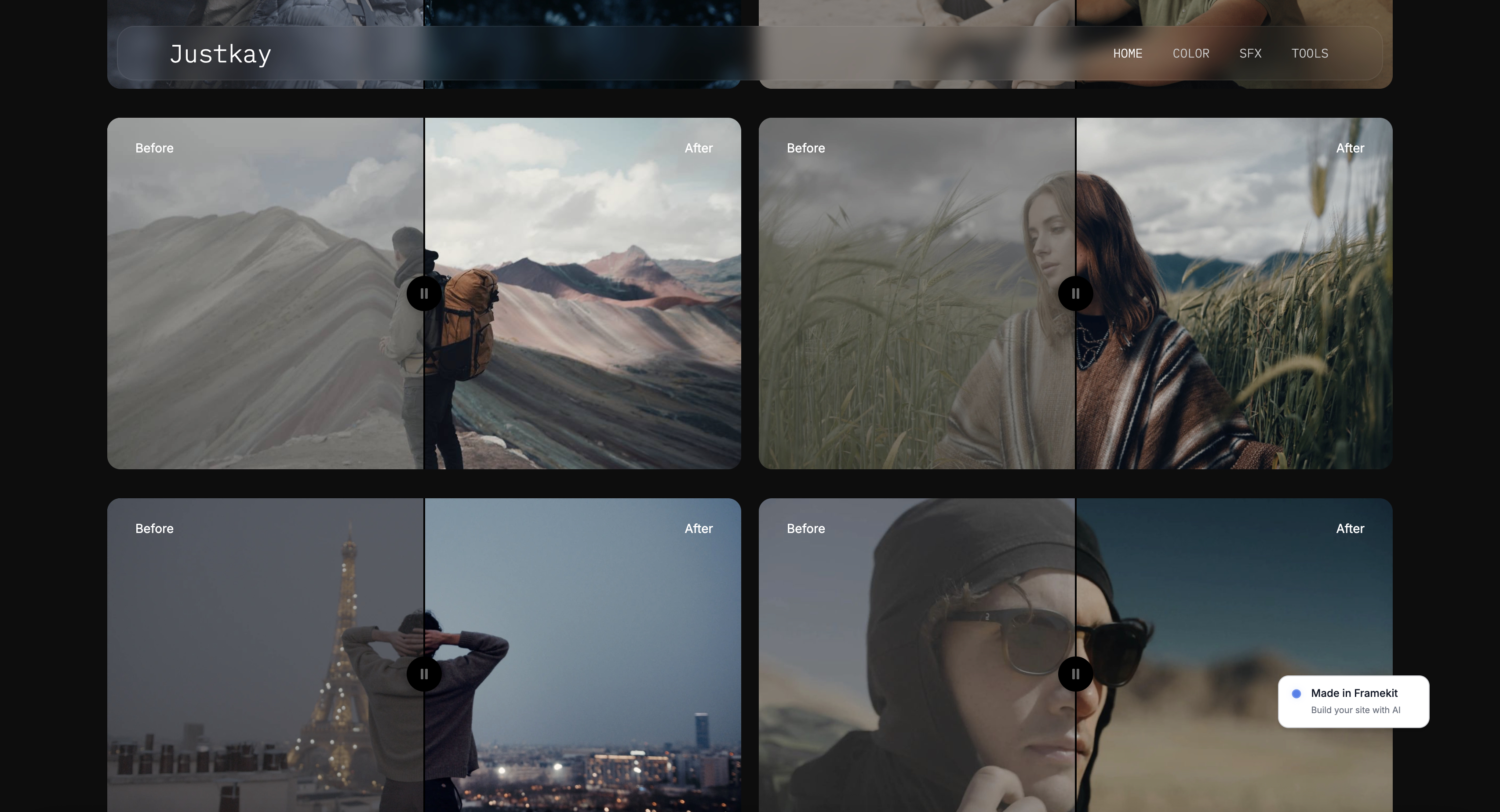
We built the same twelve-asset print sale launch kit in 11 Canva alternatives, and added Framekit for the decks and the page they point at, to find which ones replace Canva and which just resemble it. The comparison covers free download caps, per-seat maths, brand kits, offline work, and the tool that repriced itself out of this category.
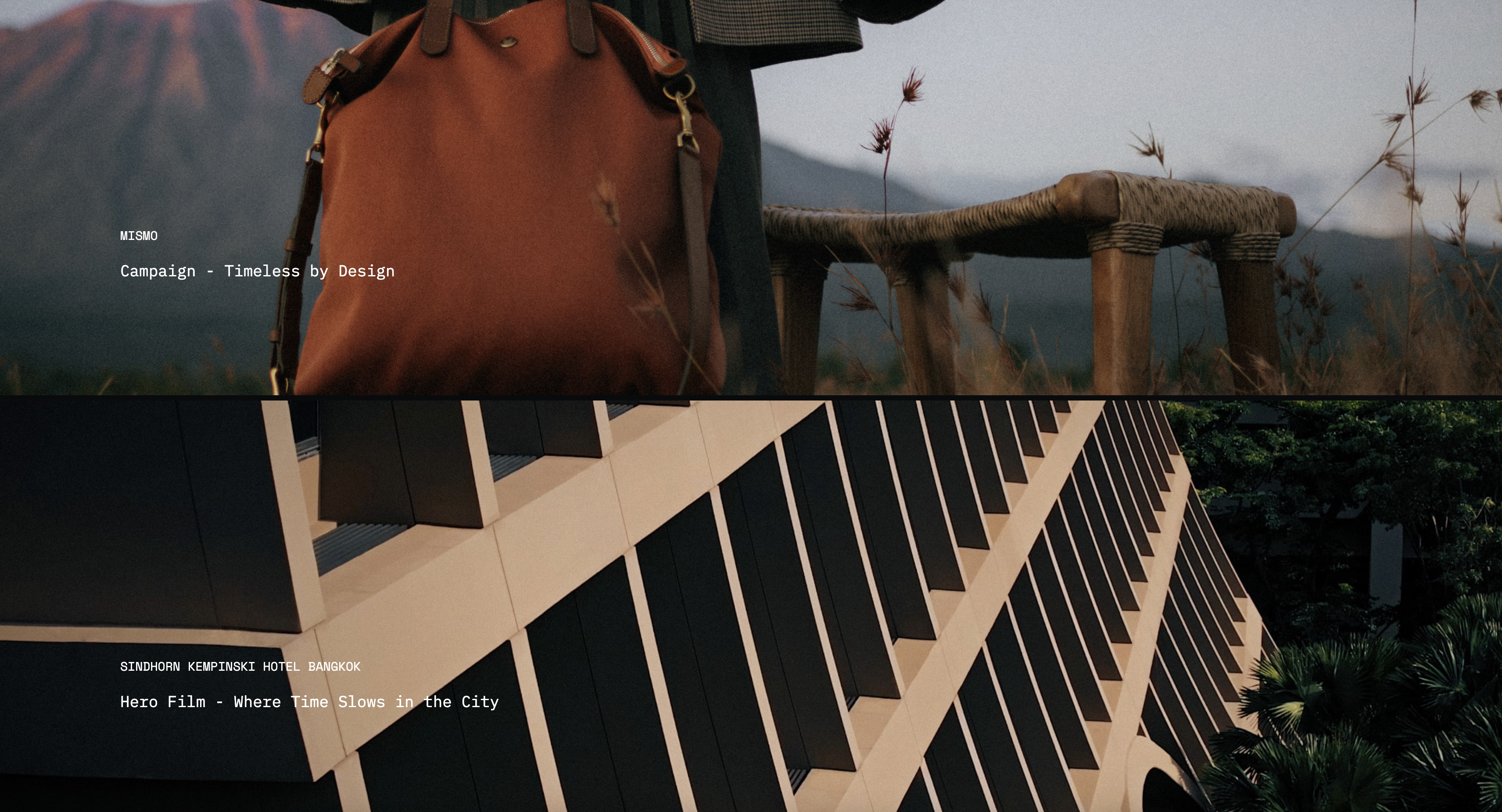
We rebuilt the same nine-screen portfolio design kit in 10 Figma alternatives to find which ones replace Figma and which only look like they do. The comparison covers file ownership, real per-seat cost, offline work, handoff, and the one tool that died mid-test.
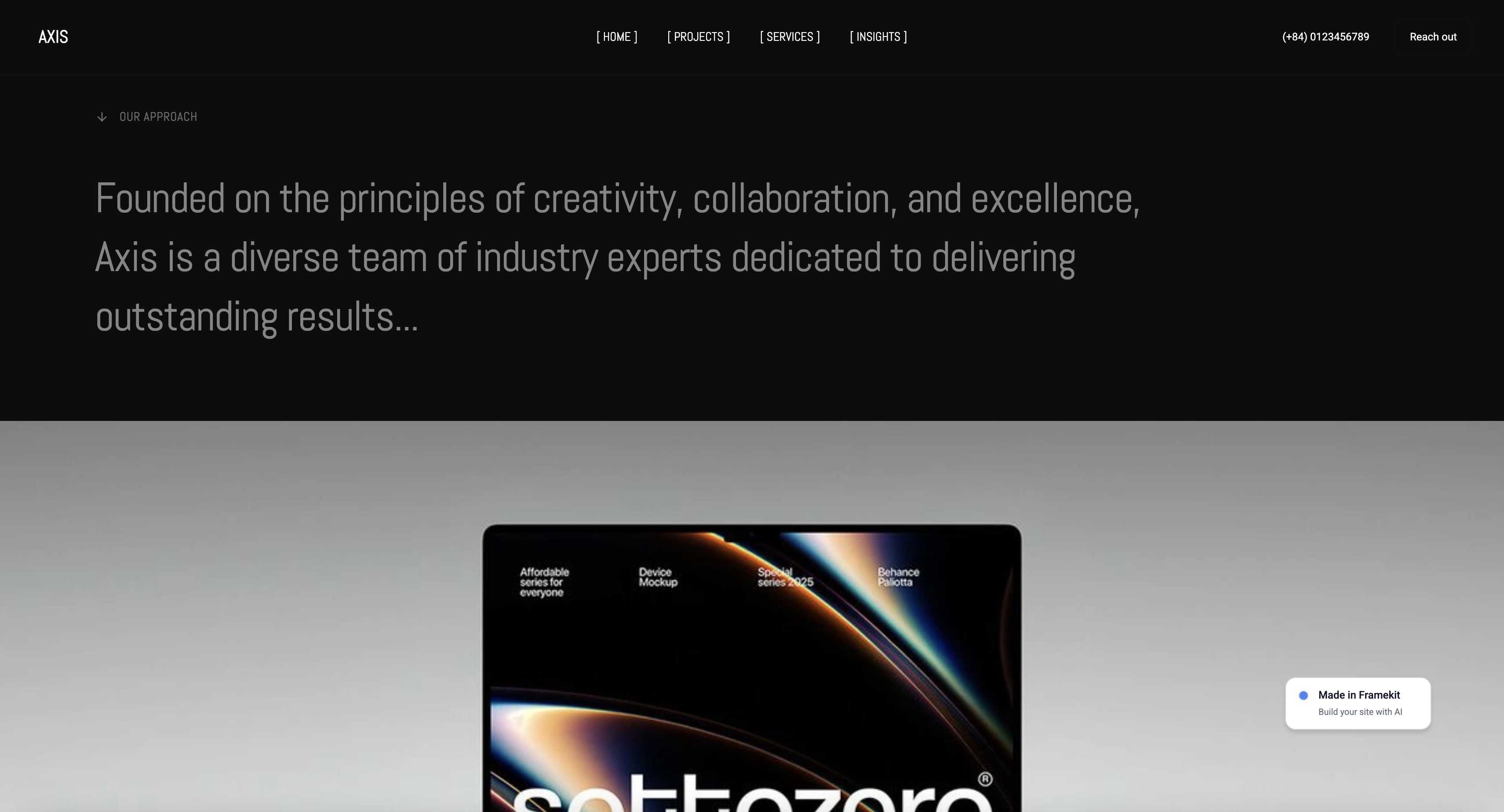
The first-year domain price is marketing; the renewal is the product, and on creative extensions like .photography and .art the renewal can be five times the intro. We compared 10 registrars on renewal price, privacy fees, transfer rules, and redemption costs.
A portfolio site gets 400 to 4,000 visits a month, but almost every analytics tool is priced and built for a SaaS funnel. We compared 12 tools on consent requirements, pageview-tier pricing at 10k, 100k and 1M, data retention, and whether you can track a contact form submit at all.
Webflow bills on two axes and lets you export your code. Framer meters CMS collections and bandwidth and does not. Neither of those facts is on the pricing page you were comparing.
A wedding film is the least website-friendly thing a creative can sell: heavy, slow to load, and hosted somewhere else. We built the same videographer site on 9 platforms to find which handles it best.
Squarespace costs about $228 a year, takes 7% of digital sales on the Basic plan, and does not deliver client galleries. Here is exactly when it is worth it and when it is not.
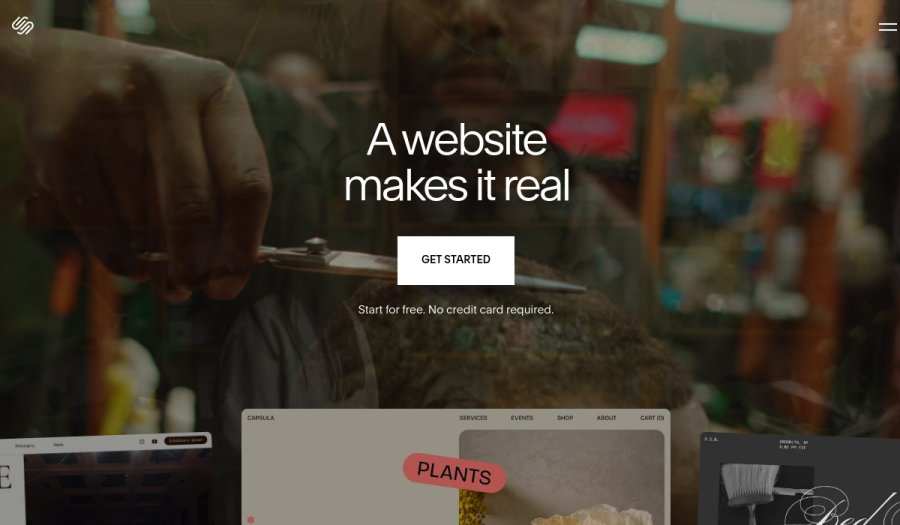
Squarespace charges 7% on digital content on its Basic plan; Wix will not let you change template after you publish. We compared both on the things that actually bite photographers in year two.
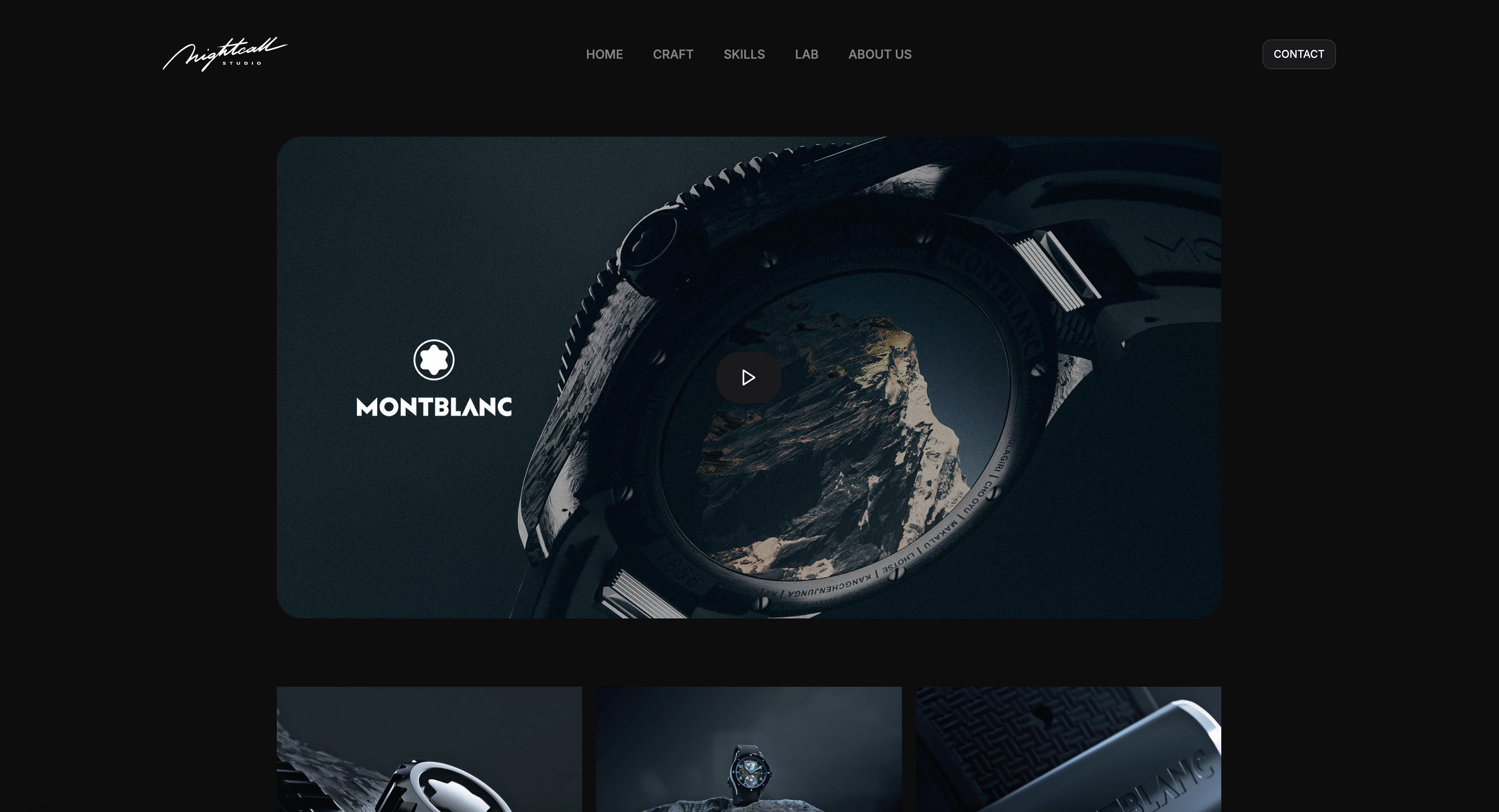
Framer's Pro plan is $30 a month until your eleventh CMS collection costs another $40. We tested 11 Framer alternatives on what they charge as a site grows, and who each one actually suits.
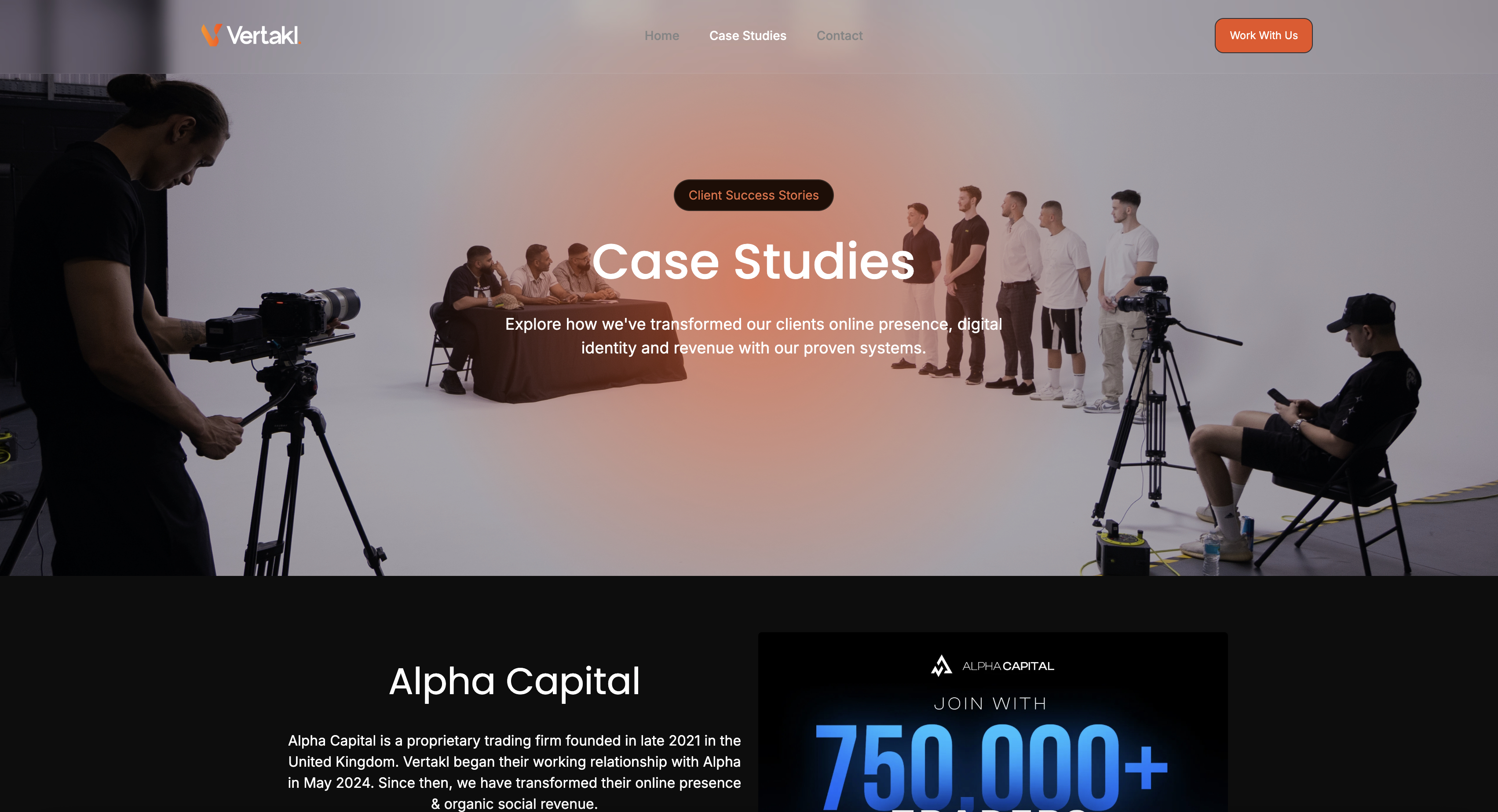
A three-person studio running ten client sites pays $4,116 a year on Webflow and $1,848 on Duda. We tested 12 website builders for creative agencies on seats, white-label, client billing, and what happens at handoff.
Free means five different things across these platforms: ad-supported, site-capped, domain-locked, or genuinely free. We tested 13 free website builders and priced what each one costs the day you need it to look professional.
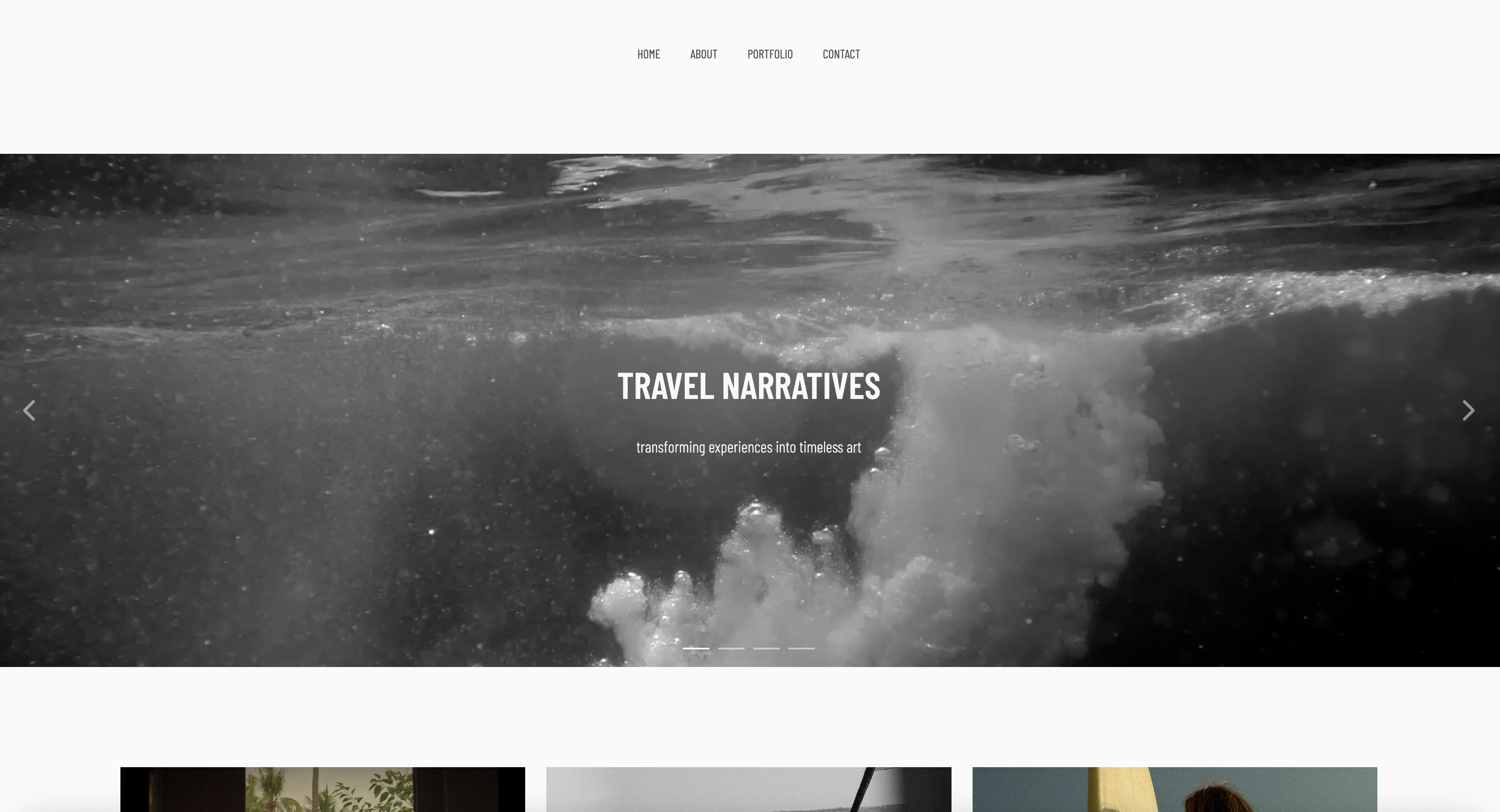
Most artist website platforms are really print-selling systems with a website attached, and they price accordingly. We tested 10 website builders for artists on gallery quality, print fulfilment, commission, and what each one actually costs a working painter.
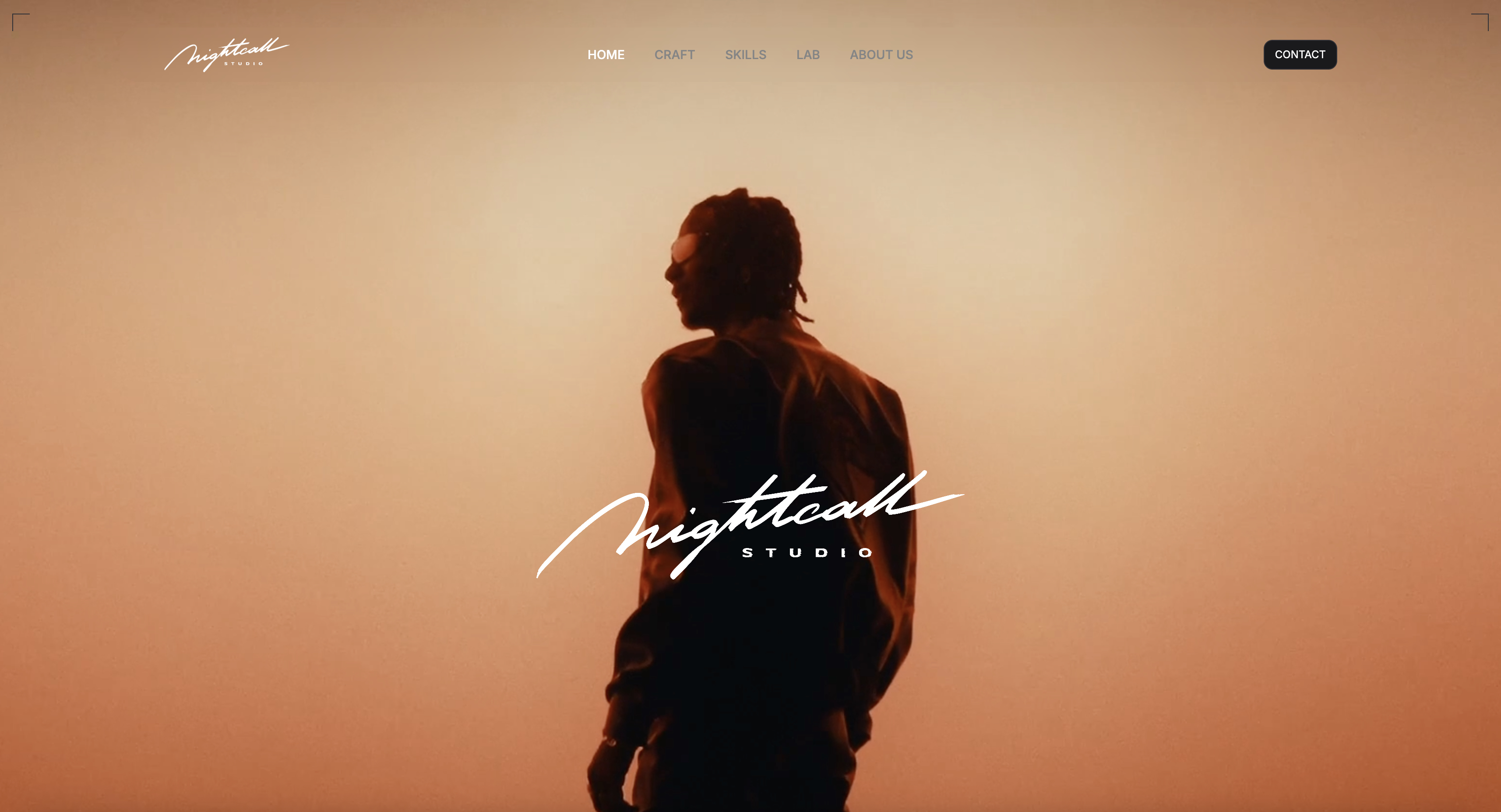
Webflow's plan is $15 a month. The thirty hours you spend learning it are not. We tested 12 Webflow alternatives on learning curve, real annual cost, CMS depth, and client handoff so you can pick the one that matches how much building you actually want to do.
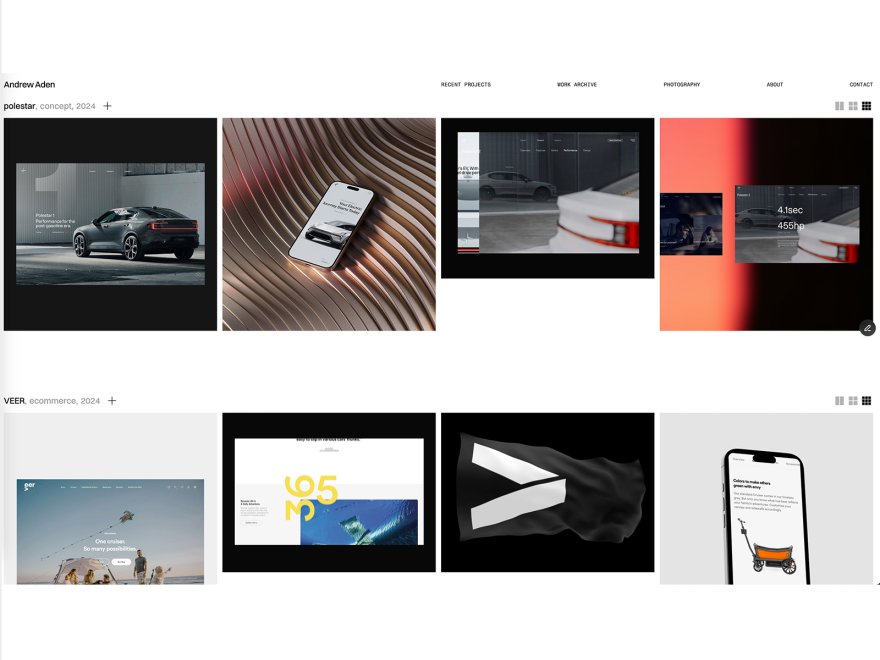
WordPress is powerful and it makes you the sysadmin: hosting, updates, security, backups, plugin conflicts. We tested 7 WordPress alternatives for creators who want an owned site that just works.
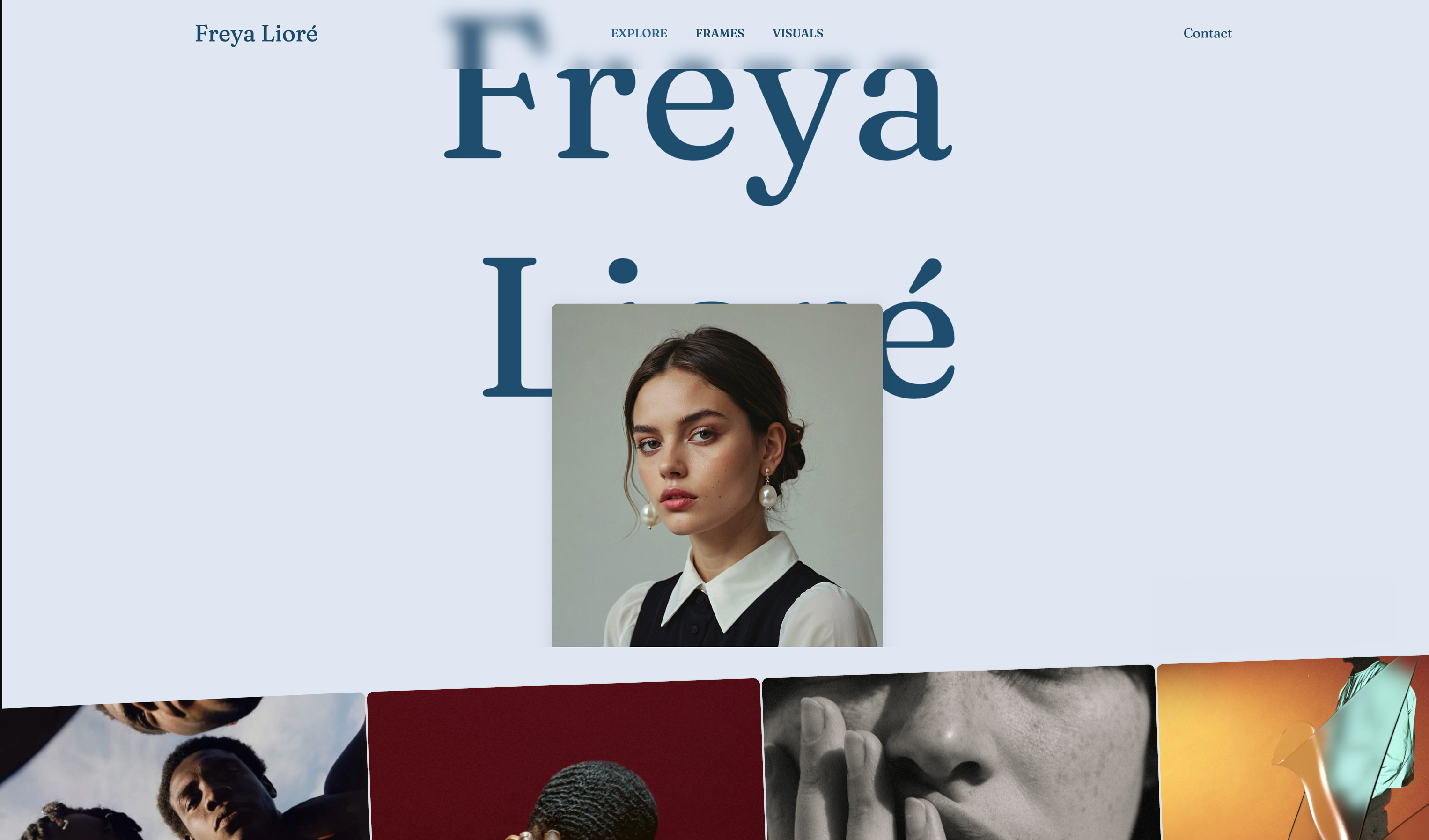
Format is the tasteful photographer-portfolio staple; Framekit generates the site from a prompt and adds a real store. We compare Framekit and Format on building, proofing, selling, and cost for 2026.
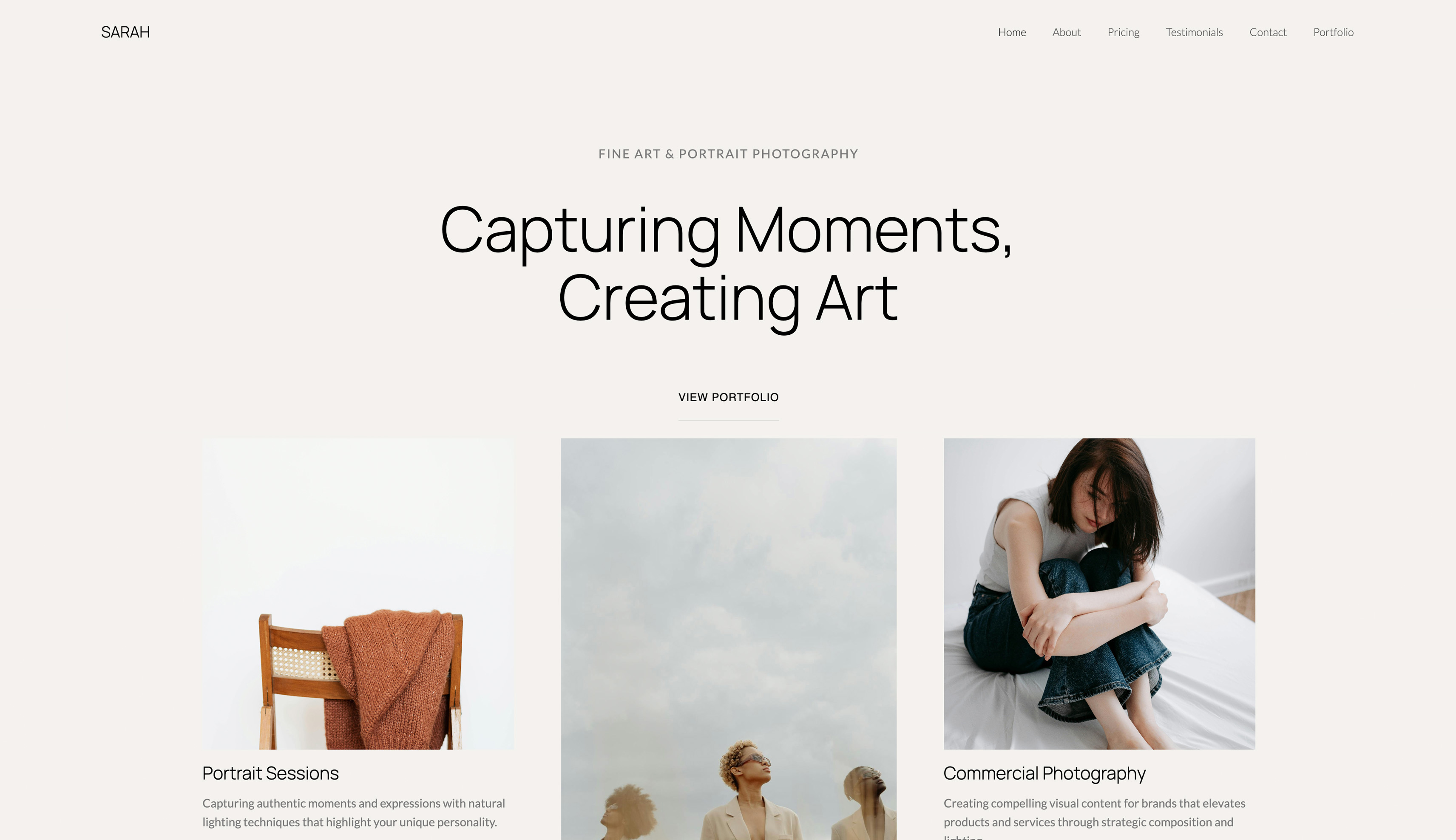
Framer gives you a design canvas to master; Framekit drafts the whole site from a prompt and adds a store and galleries. We compare Framekit and Framer on ease, design control, ownership, and selling for 2026.
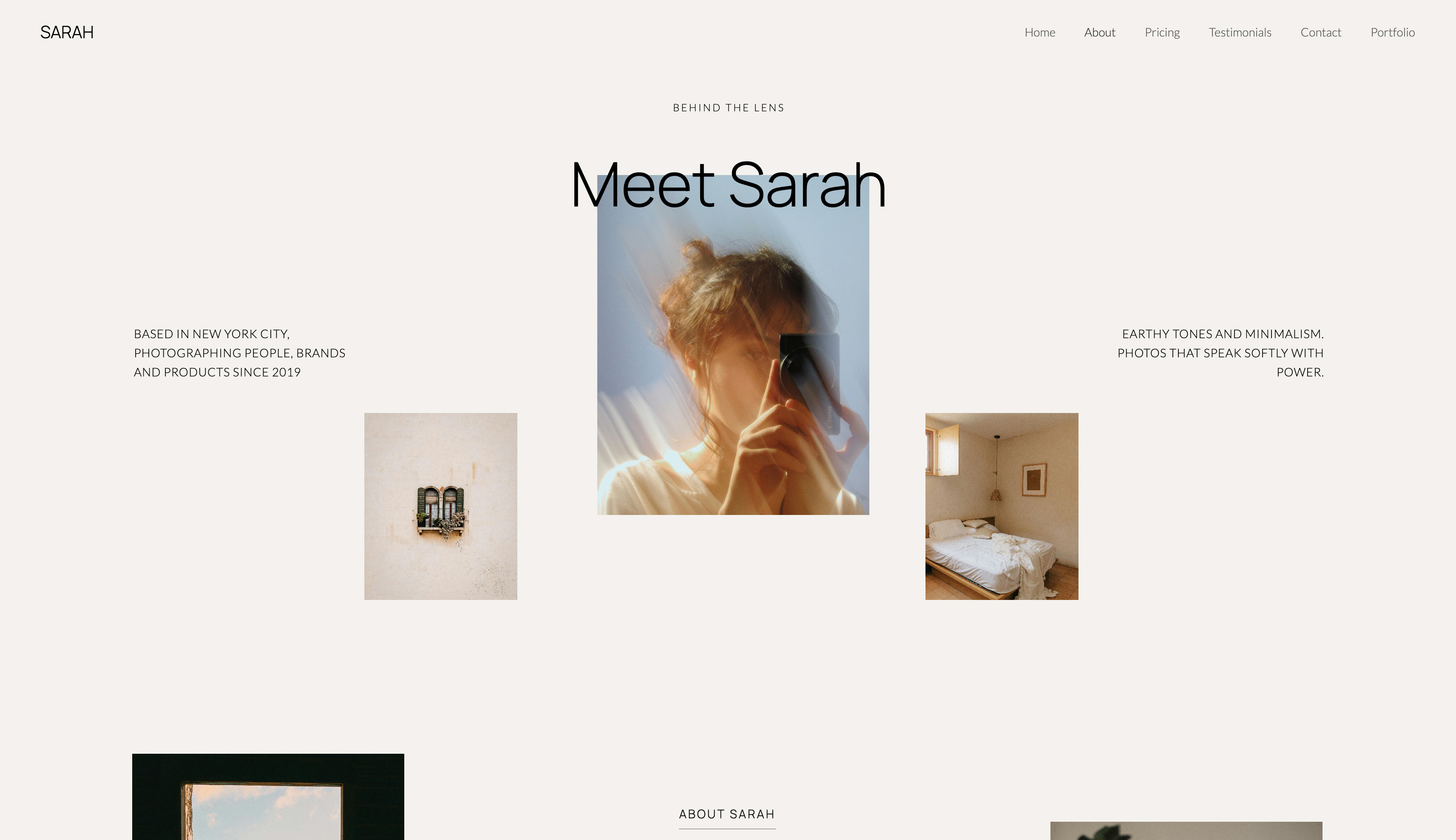
Adobe Portfolio comes free with your Creative Cloud subscription, and that free is doing a lot of work. We compare Framekit and Adobe Portfolio on design, ownership, selling, and galleries to find which fits a creative business in 2026.
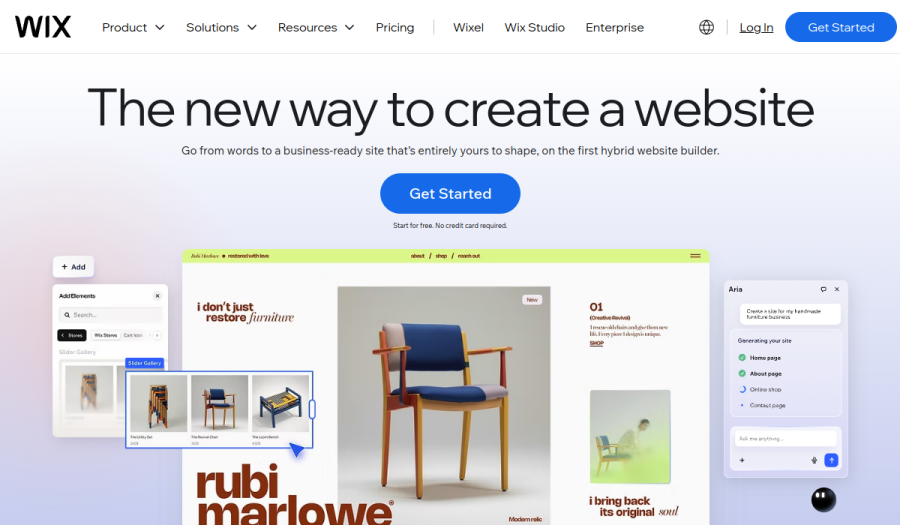
Strikingly made a simple site fast and free, and it still looks like the year you built it, with a basic store and little room to grow. We tested 7 Strikingly alternatives that keep the simplicity and add a modern, sellable site you own.
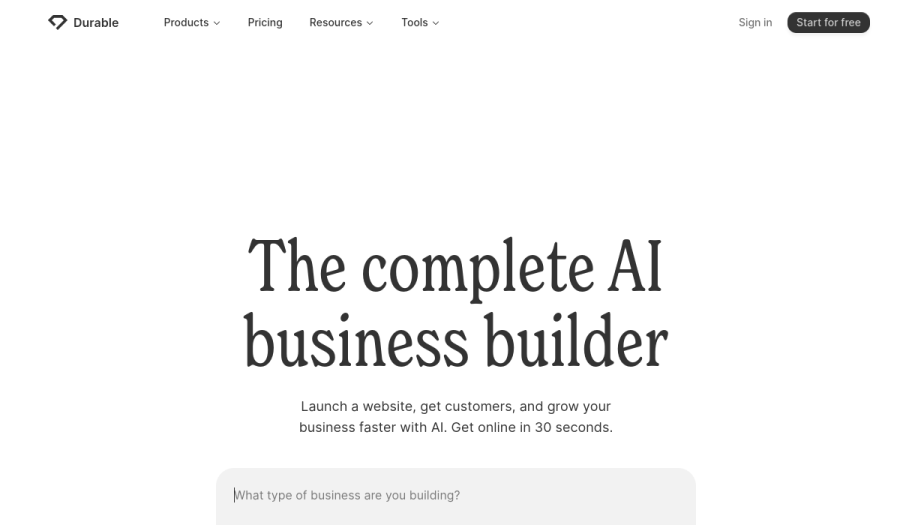
Carrd builds a beautiful one-page site for the price of lunch, and then you hit the wall: one page, forever, with a PayPal button for a store. We tested 9 Carrd alternatives for when you outgrow the single page.
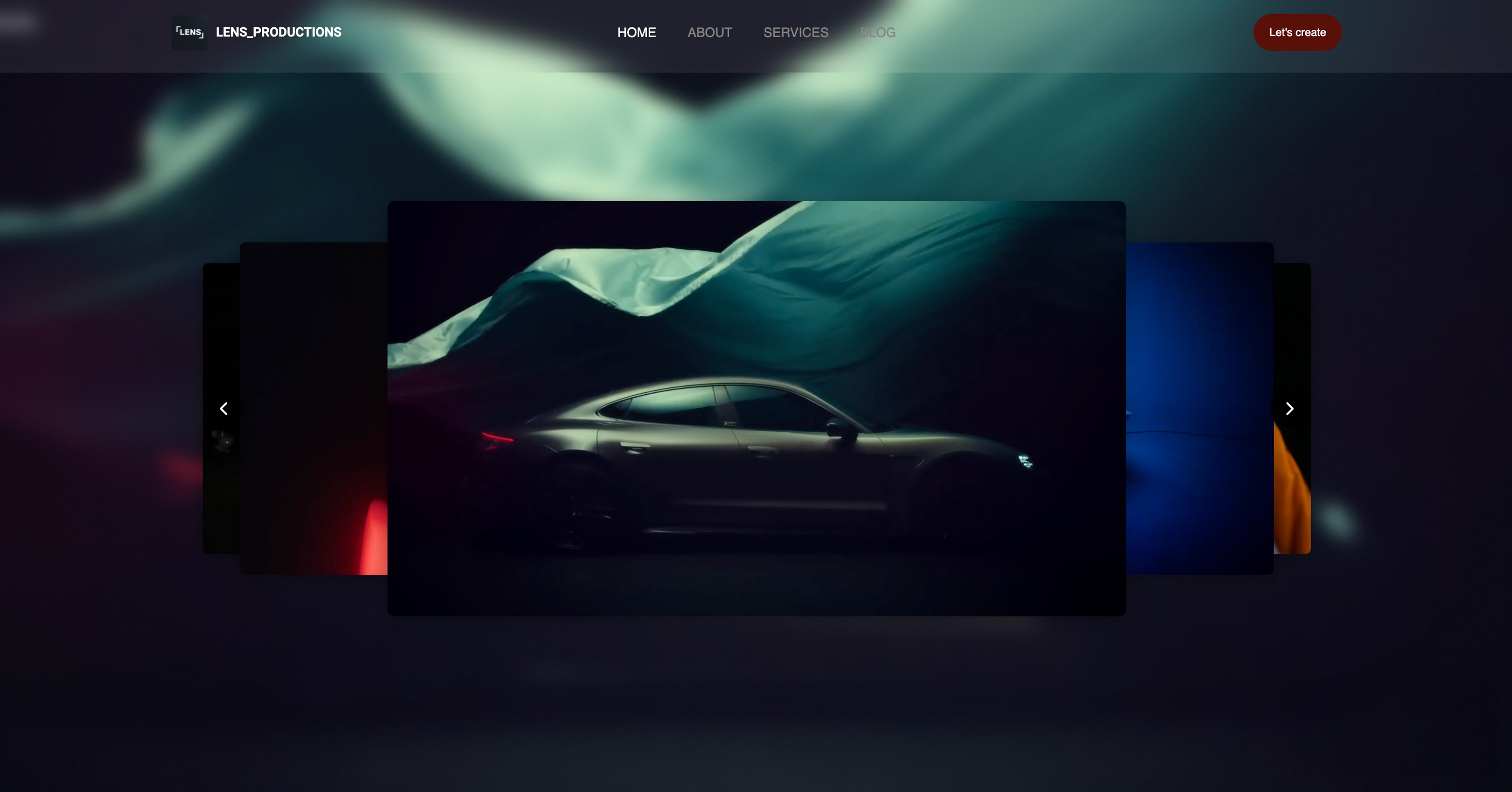
You are a designer. A voice in your head says a real designer would hand-code their own portfolio. Here is the honest answer to whether you should code your portfolio or use a builder.
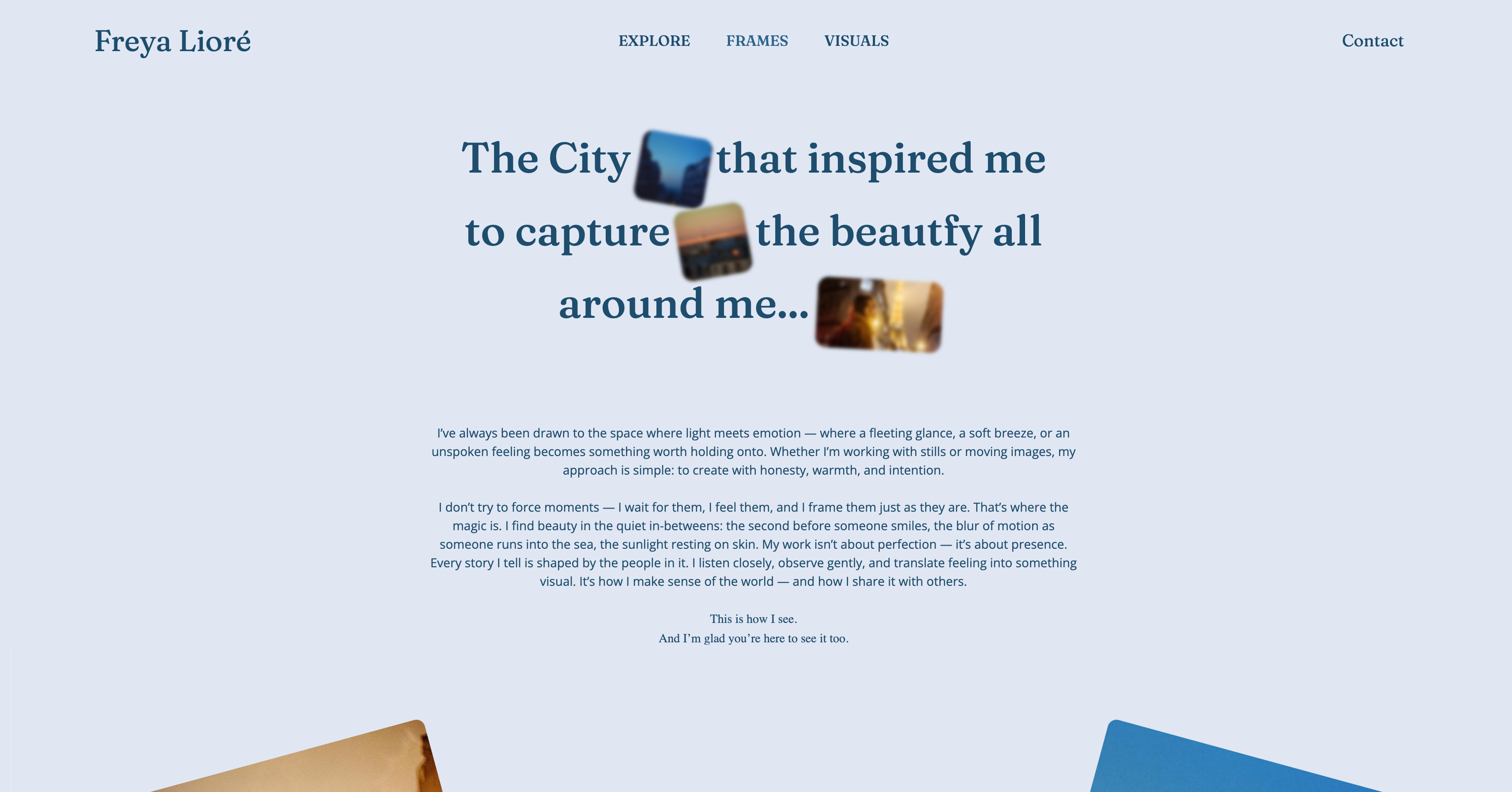
You log into one platform to update your portfolio and another to manage your shop. Two subscriptions, two dashboards, two brands. Here is the case for a portfolio website with a shop built into one site.
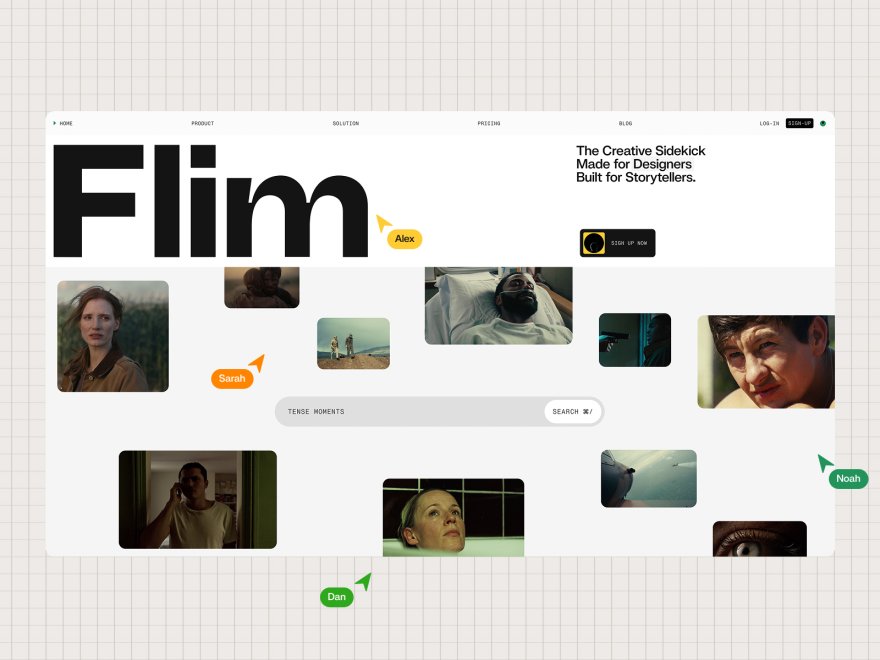
The day Instagram reach collapses, or an account gets locked, every creative learns the same lesson. Website vs Instagram is not really a choice. Here is what each one actually does, and why you need both.
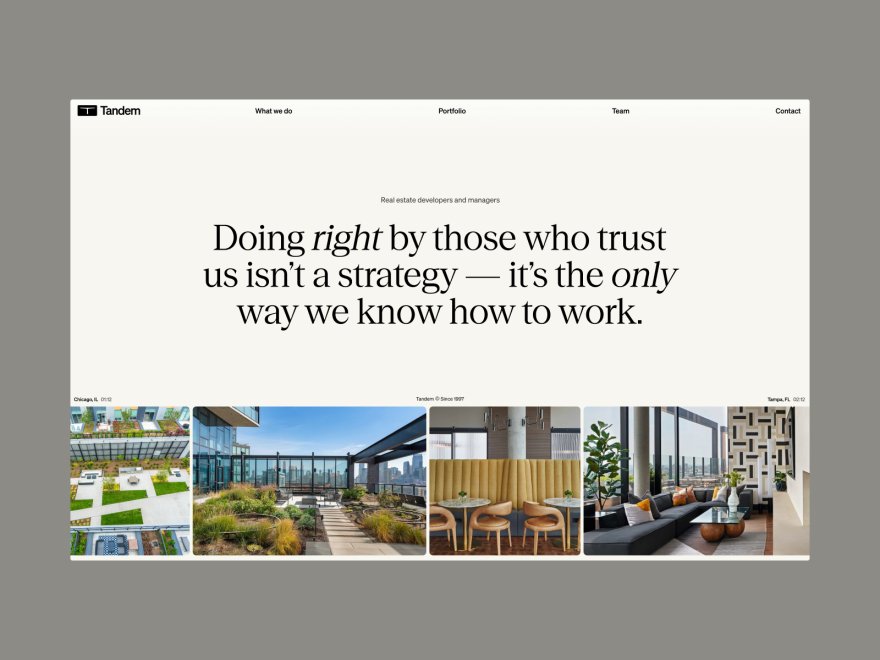
Half the tools that rank for free portfolio website mean a 14-day trial. This step-by-step guide shows how to build a genuinely free portfolio site, with no subscription, and what the one honest optional cost really is.
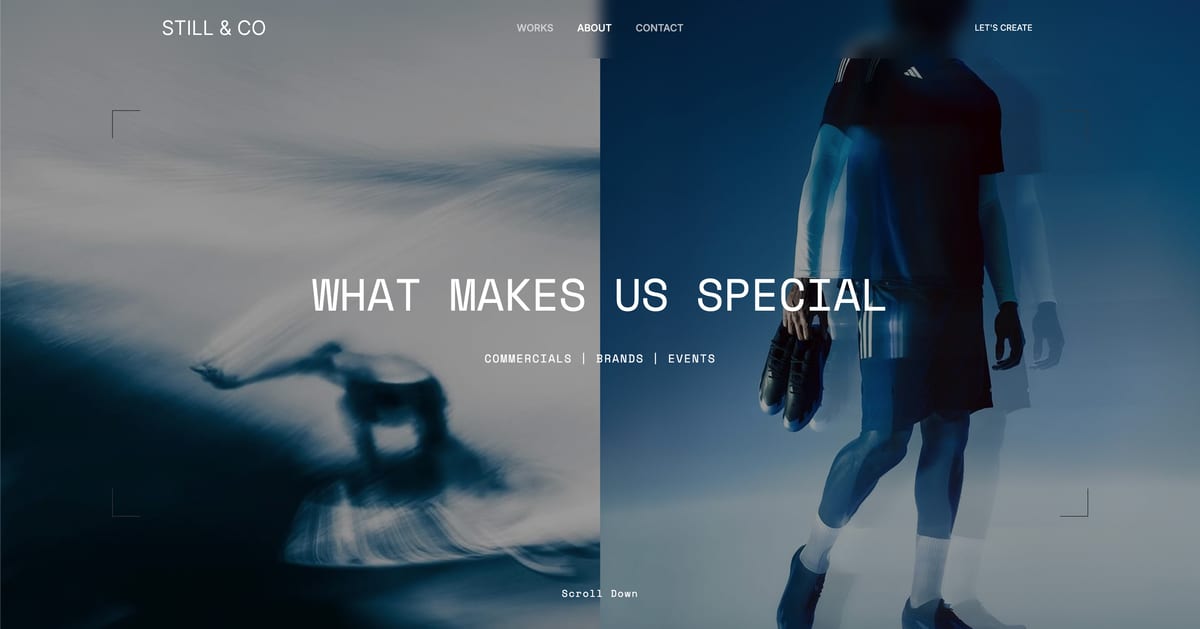
Free photography website builders all gate something. We tested 7 of them on what the free plan really gives you, and what it quietly takes away.
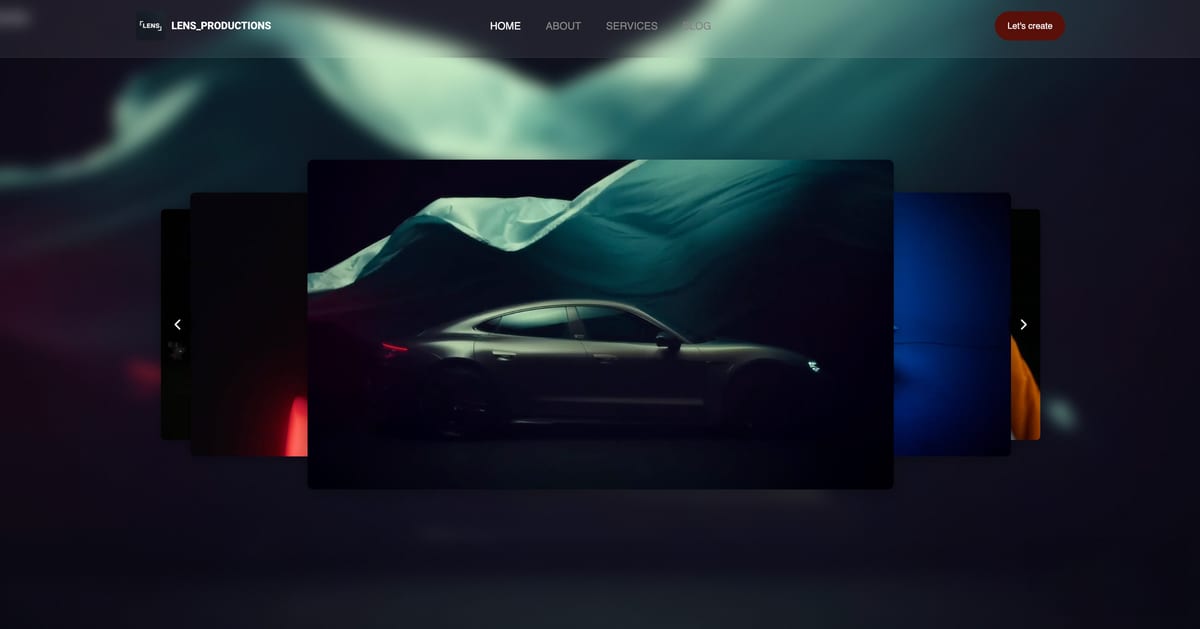
Vimeo got expensive and crowded. We tested 7 Vimeo alternatives, from pure video hosts to portfolio builders, to find the best home for a filmmaker reel in 2026.
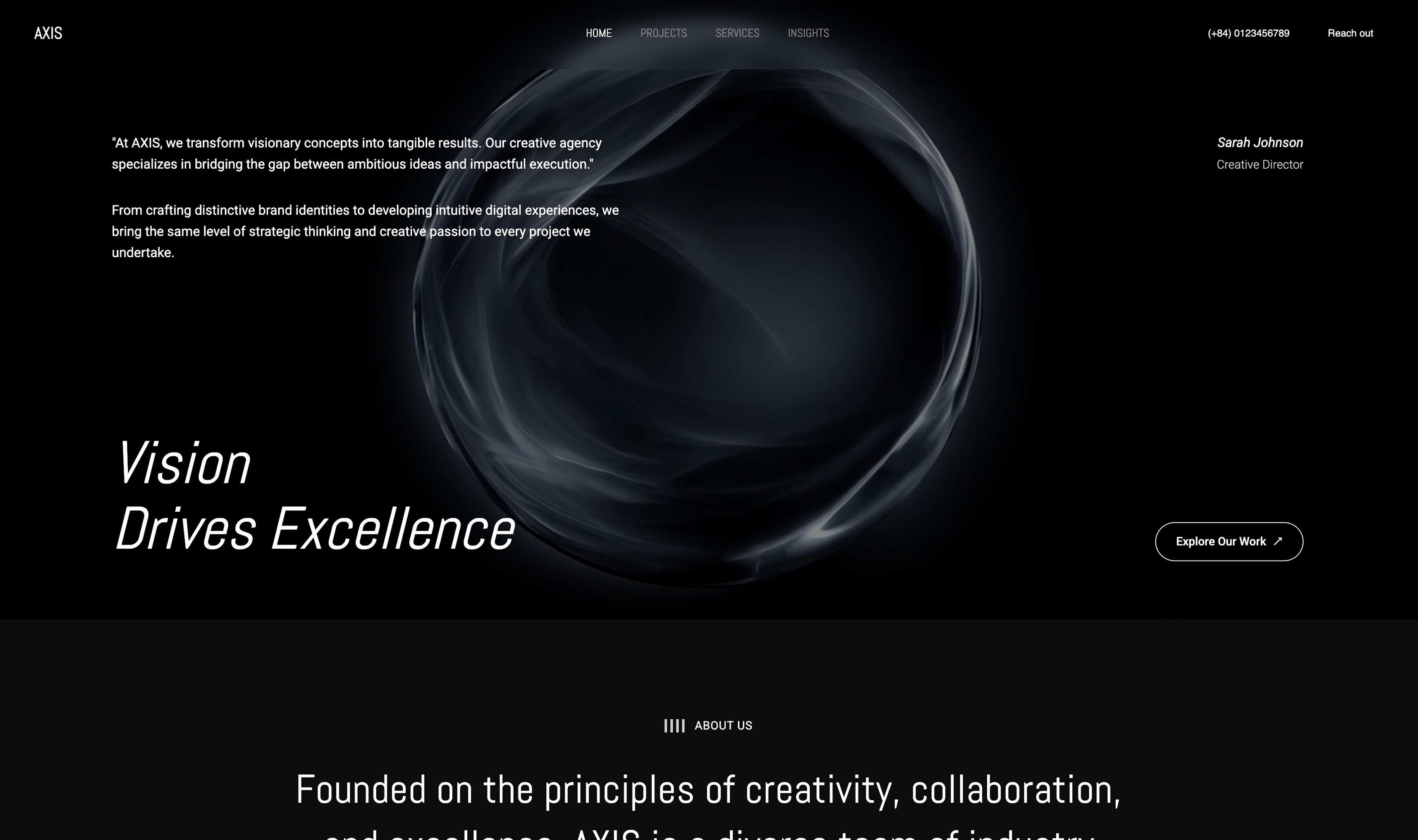
Carbonmade is a charming, playful portfolio builder, but its design engine and performance have not kept pace. We tested 7 alternatives on AI design quality, mobile speed, and real cost to find the ones worth switching to.
Pixpa is cheap and bundles a lot, but the design feels generic and pages can drag. We tested 7 Pixpa alternatives on AI design, speed, and value for creatives.

Format is a solid portfolio builder, but its design feels dated and its plans get pricey. We tested 8 Format alternatives on AI design, speed, and cost to find the best fit for creatives.
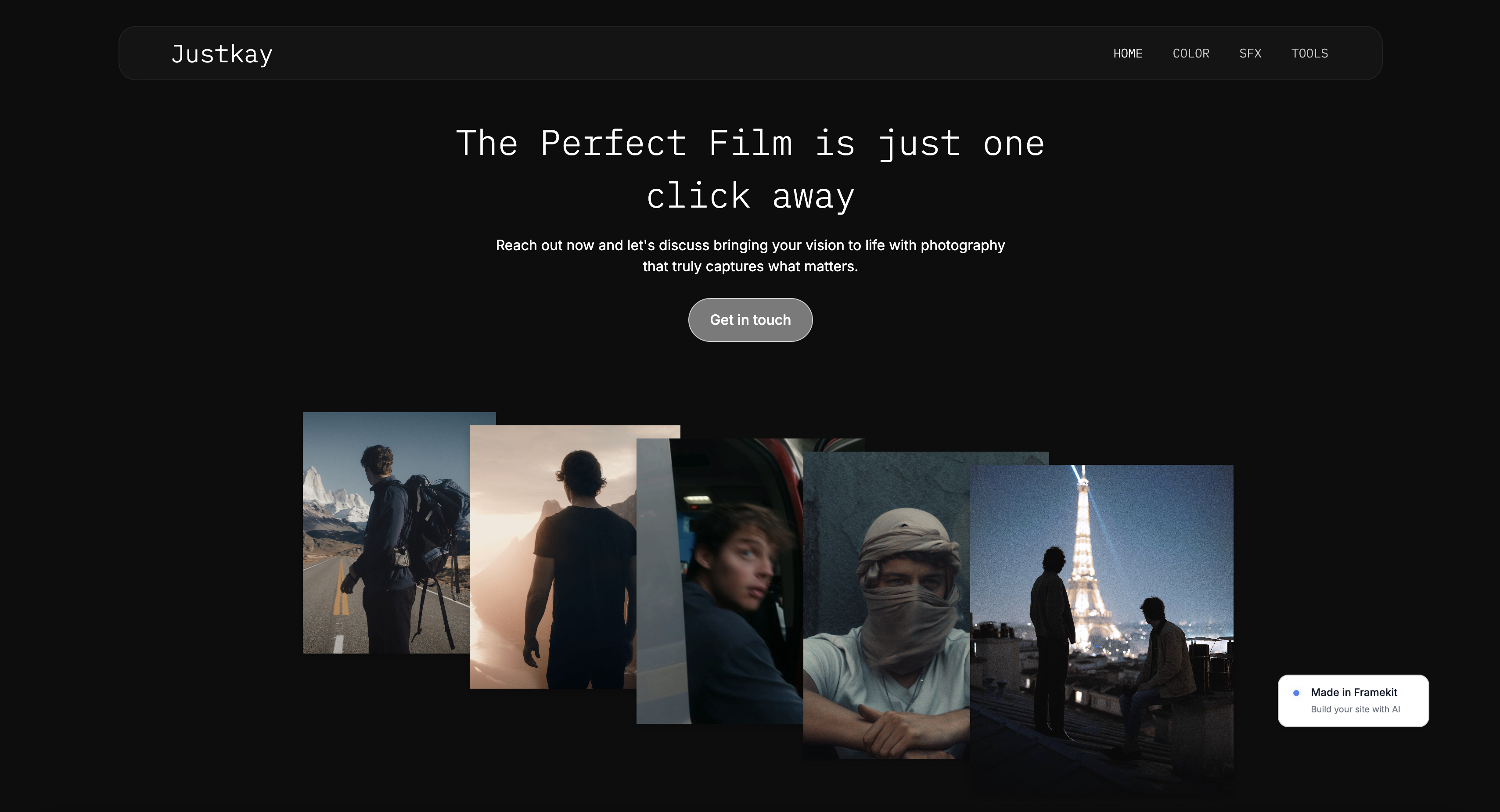
Adobe Portfolio feels free because it is bundled with Creative Cloud. That is the trap: the day you stop paying Adobe, your whole site goes dark. We tested 9 alternatives that you can actually own.

Most builders make creative work look generic, slow, or expensive. This ranking compares 6 options on design quality, performance, AI, and long-term cost.
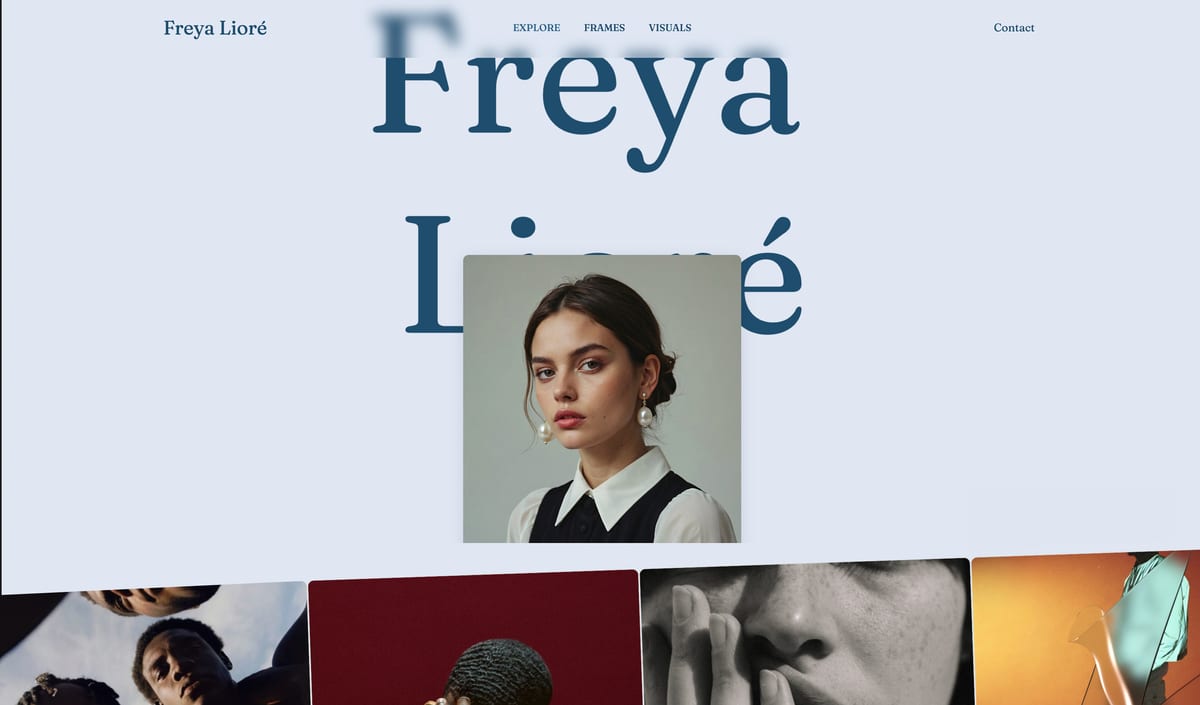
If your Squarespace portfolio still looks polished but feels too familiar, loads slower than it should, and keeps charging every month, this is the comparison that explains what to do next.

Tested and ranked: the 7 best Wix alternatives in 2026. We compare Framekit, Squarespace, Webflow, Framer, WordPress, Shopify, and Carrd on speed, design, and cost.

We have built 40+ agency sites on both platforms. Framekit delivers in 3 hours what takes 20 in Webflow, but Webflow lets you charge 3x more. Here is how to choose.
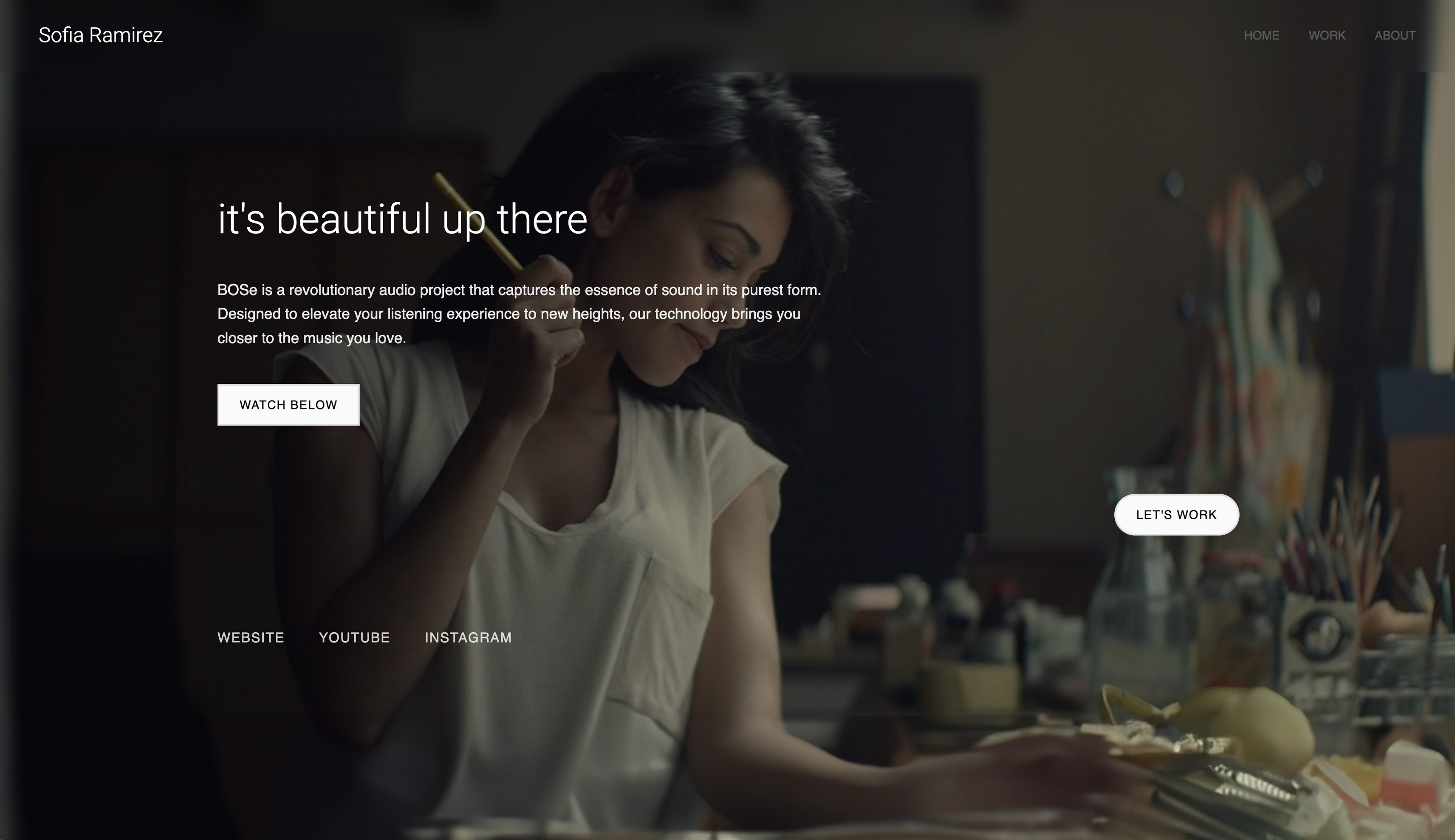
Your frames tell stories. Your website should too. We ranked the best website builders for cinematographers on reel playback, color fidelity, speed, and long-term cost.
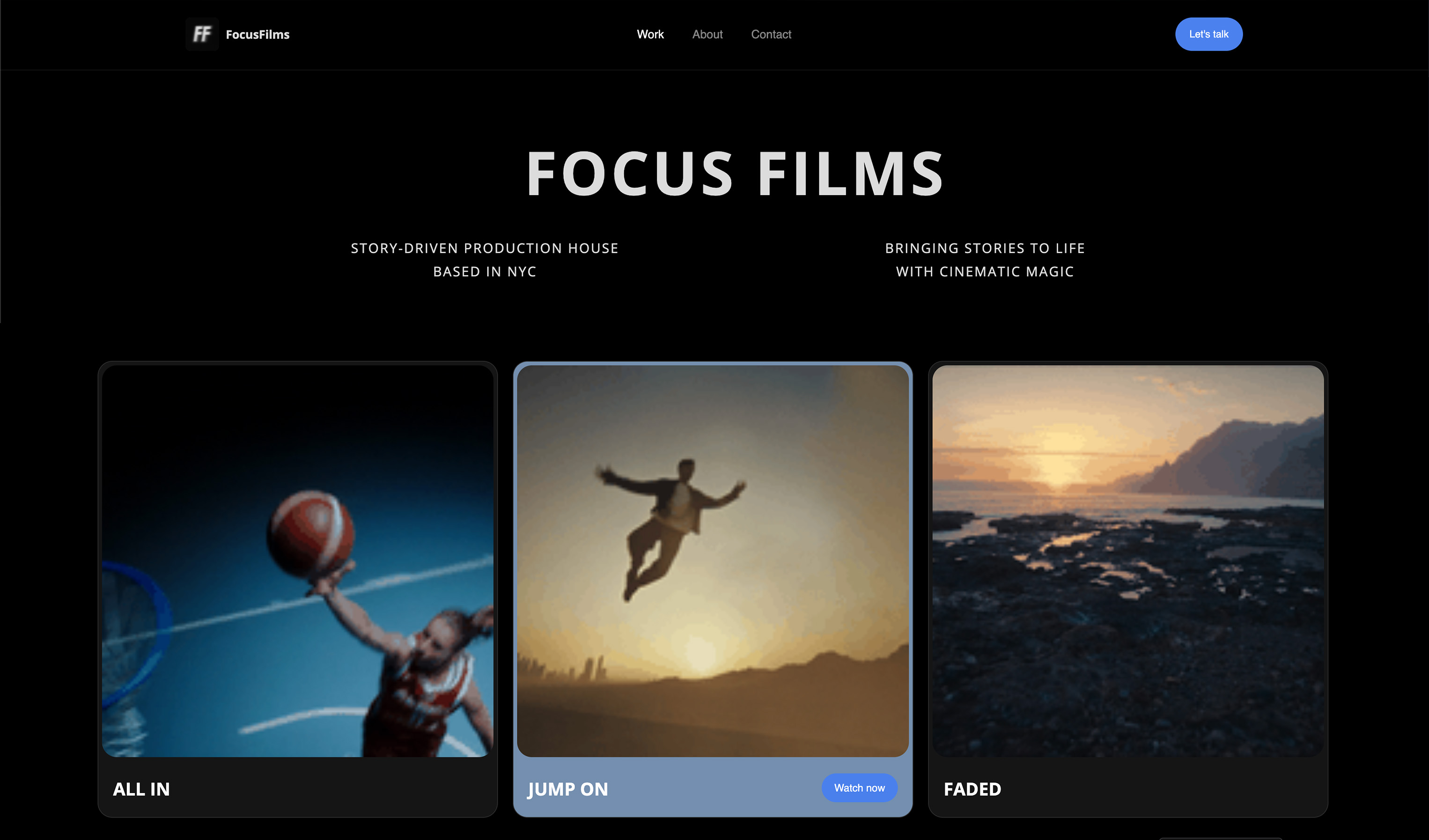
Your reel deserves better than a buffering wheel. We compare the best AI website builders for filmmakers in 2026 on video performance, design quality, and cost.
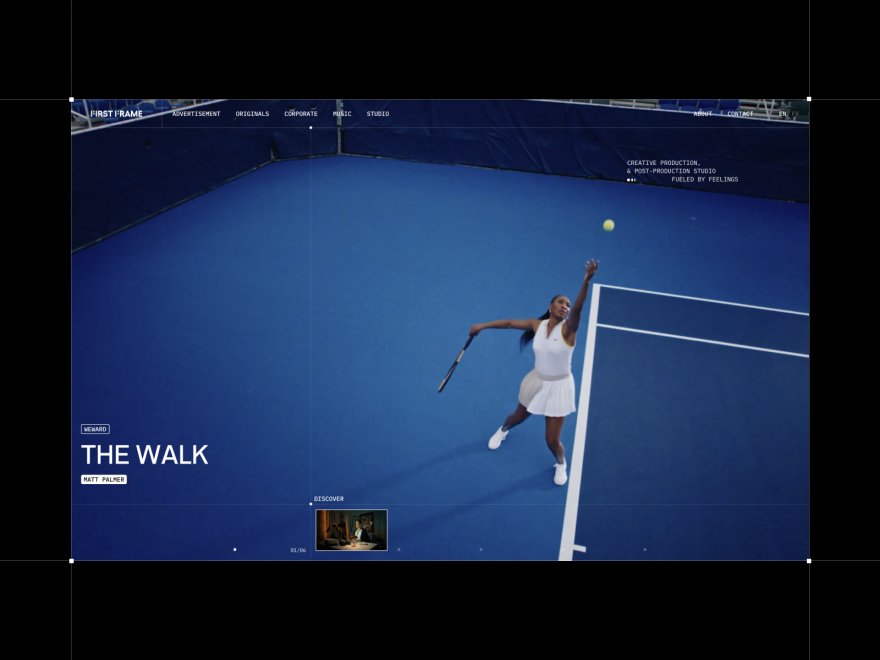
Squarespace built its name on beautiful templates. We tested Framekit vs Squarespace on design quality, speed, and flexibility to see which actually wins.
We built identical sites on Framekit and Wix and measured everything. Here is how the two website builders compare on design, speed, pricing, and apps.
Join thousands of creative professionals using Framekit to create stunning portfolios in minutes.
EXPLORE TEMPLATES